Vue normale

  • ✇Euromaidan Press
  • Kyiv is asking Musk to let it strike inside Russia. Its best line to Musk is gone
    Ukraine is asking Elon Musk to let it arm deep-strike drones with his Starlink network and turn them on Russian ballistic-missile launchers far inside Russia, the Financial Times reported. The plan needs Musk's approval — and US President Donald Trump was cool to the idea when Ukrainian President Volodymyr Zelenskyy raised it at the White House on 28 July, with people present expecting Musk to refuse. Kyiv is chasing the workaround because its air defenses are stretched
     

Kyiv is asking Musk to let it strike inside Russia. Its best line to Musk is gone

21 août 2026 à 12:10

kyiv asking musk let strike inside russia its best line gone · post elon 2026 world economic forum / ciaran mccrickard wef ukraine news ukrainian reports

Ukraine is asking Elon Musk to let it arm deep-strike drones with his Starlink network and turn them on Russian ballistic-missile launchers far inside Russia, the Financial Times reported. The plan needs Musk's approval — and US President Donald Trump was cool to the idea when Ukrainian President Volodymyr Zelenskyy raised it at the White House on 28 July, with people present expecting Musk to refuse.

Kyiv is chasing the workaround because its air defenses are stretched: Russia keeps escalating its missile and drone strikes, and Ukraine is running low on the Patriot interceptors that are its only dependable answer to Russian ballistic missiles. As Russia builds more missiles and drones, Ukraine's interceptor needs run into the hundreds before the year is out.

At the meeting, FT reported, Zelenskyy pressed Trump to lobby Musk for permission to fly Starlink-linked drones across the Russian border. He capped the pitch at 200 km into Russia — far enough to reach launch sites, command posts, and other targets on the calculation that a shallower limit might make Musk likelier to agree.

Starlink could extend Ukrainian drone strikes

Riding SpaceX's satellites, Starlink drones hold a steadier link to their pilots at long range than ordinary radio allows, and they shrug off the jamming that grounds other drones. The drones have already shown their worth in the fighting at home, and Vienna-based military analyst Franz-Stefan Gady said that across the border they "could be very useful in hunting" Russian launchers, FT wrote.

Kyiv's best channel to Musk has also just closed: Zelenskyy recently fired his defense minister, Mykhailo Fedorov, who had a direct line to the billionaire.

mykhailo fedorov during an interview in june 2026
Mykhailo Fedorov during a June interview, a month before his dismissal, in which he described leaks and private-company influence inside the defense ministry. Photo: screenshot from PRESSING / Army-Media of Ukraine's Defense Forces

Speaking to a Ukrainian podcast on 6 August, Fedorov said that even with a channel to Musk still open after his firing, he had made no progress on cross-border Starlink use—"a difficult task right now."
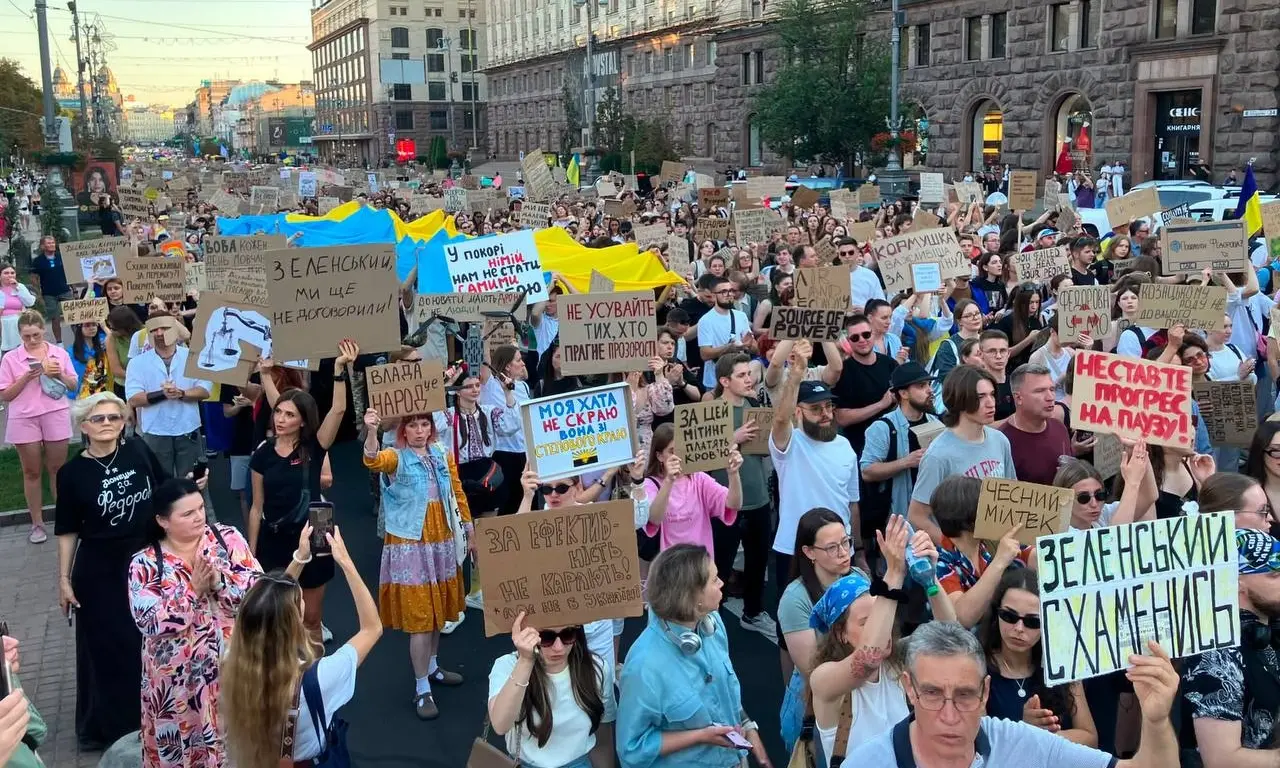
A column of protesters demanding reinstatement of Mykhailo Fedorov as Defense MInister walks in vul. Khreschatyk in Kyiv, 1 August 2026. Photo: Serge Kostezh/Kyivpost
Explore further

The Fedorov protesters lost. But they backed a man for what he built, not what he promised—and that may be new in Ukraine.

Musk’s Starlink decisions have affected both sides in the Russo-Ukrainian war

Musk has backed Ukraine's heavy dependence on Starlink for military command and comms. In 2022, Musk declined to extend Starlink coverage for Ukrainian troops mid-operation near occupied Crimea, citing his fear of triggering a nuclear escalation.

He has also acted against Moscow: in February, at Fedorov's direct request, Musk shut down the Starlink terminals that Russian forces had been operating illicitly against Ukraine.

Now, Musk answered Fedorov's Monday post with a line about "trying to do the right thing" and wanting peace — and said nothing about the Starlink ask.

  • ✇Euromaidan Press
  • Russian-Australian man charged over alleged operation to gather Ukrainian military secrets
    Australian police have charged a 27-year-old Russian-Australian man with foreign interference after alleging he joined Ukraine's armed forces to obtain military information for Russian intelligence, the ABC reported. Russia has repeatedly sought to obtain information about Ukraine's military through espionage and intelligence operations as it continues its full-scale invasion. The alleged operation also shows how Moscow can use individuals in third countries to gain acc
     

Russian-Australian man charged over alleged operation to gather Ukrainian military secrets

21 août 2026 à 10:11

Australian Federal Police Headquarters in Canberra, Australia. Photo via Wikimedia Commons

Australian police have charged a 27-year-old Russian-Australian man with foreign interference after alleging he joined Ukraine's armed forces to obtain military information for Russian intelligence, the ABC reported.

Russia has repeatedly sought to obtain information about Ukraine's military through espionage and intelligence operations as it continues its full-scale invasion. The alleged operation also shows how Moscow can use individuals in third countries to gain access to Ukrainian military information and attempt to pass it to Russian intelligence.

The Australian Federal Police (AFP) arrested Vladimir Teslov on 20 August in Sumner, a suburb of Brisbane. He appeared in Brisbane Magistrates Court on 21 August, where his case was adjourned until 2 October, according to the ABC.

Alleged operation inside Ukraine

According to the AFP, Teslov traveled to Russia in October 2024 and underwent military-style training before returning to Australia in December.

Teslov allegedly maintained contact after his return with individuals he believed were connected to Russian intelligence services, the AFP said in a press release.

Police allege he traveled to Ukraine in May 2025 and joined the Ukrainian Armed Forces, where he gained access to information about Ukrainian military personnel, units, and locations.

The AFP alleges Teslov subsequently provided, or attempted to provide, information obtained in Ukraine to people he believed were acting on behalf of Russian intelligence.

The agency said he sought to collect and communicate information about Ukrainian military personnel, locations, and operations for the benefit of Russia.

AFP Commissioner Krissy Barrett said the alleged activity could have endangered Ukrainian troops.

“It is alleged that this conduct created a risk to the safety and security of Ukrainian military personnel,” Barrett said, according to ABC.

The allegations have not been tested in court.

Australia has been a major supporter of Ukraine since Russia launched its full-scale invasion in February 2022, providing about A$1.8 billion in military, economic, and humanitarian assistance.

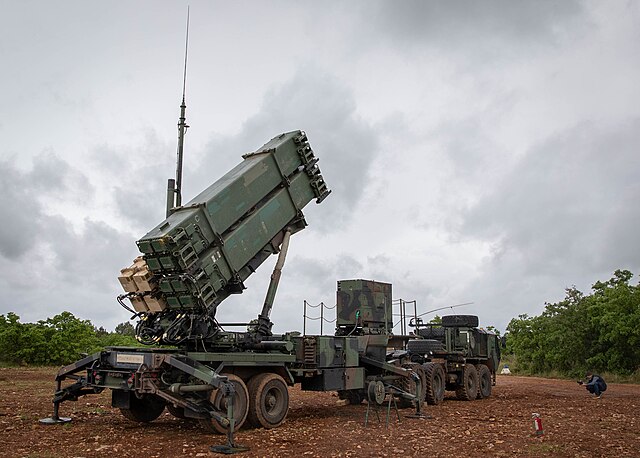
ukraine's patriot systems starvation ration air force spox says · post defense system's launcher 210519-a-so154-750_-_patriot_missile_system_operates_in_croatia ukraine news ukrainian reports
Explore further

“What happens in Ukraine matters in Indo-Pacific”: Australia pledged Ukraine another $70 million

Investigation into alleged Russian intelligence links

The AFP said its Counter Foreign Interference Task Force began Operation Woodcreeper in June 2026, following an extensive investigation by Australia's domestic intelligence agency, ASIO.

Australian authorities carried out searches at five properties in Queensland on 20 and 21 August, according to the AFP press release. Police seized electronic devices and other items relevant to the investigation, which will undergo forensic examination.

The AFP said further arrests are possible.

Barrett said there was no indication that Teslov posed a threat to Australia itself, although investigators allege parts of the activity took place both in Australia and overseas.

The foreign interference charge carries a maximum penalty of 20 years in prison.

The Russian Embassy in Canberra told ABC it learned of the case through media reports and had not received an official notification from Australian authorities or Teslov. It said it was using available channels to establish the circumstances of the case.

Russian espionage cases in Australia

Australian authorities have previously warned of Russian intelligence activity in the country.

ABC noted a separate case involving Russian-born Australian citizens Kira and Igor Korolev, who were arrested in 2024 and accused of attempting to gather and send sensitive information to Russia. Their charges were upgraded to conspiracy to commit espionage in June.

In 2022, Australian Security Intelligence Organisation (ASIO) Director-General Mike Burgess said the agency had disrupted a “hive of spies” from an unnamed country seeking to recruit Australians and obtain sensitive information. Multiple media reports later identified Russia as the country involved, although ASIO has not publicly confirmed this.

Last month, the Australian Signals Directorate and nearly two dozen international partner agencies warned that Russian-linked hackers were targeting Australian defense, communications, energy, and financial sectors.

Poland arrests a Ukrainian suspected of a Russia-ordered plot to kill a weapons-industry figure—the bomb never went off

21 août 2026 à 04:43

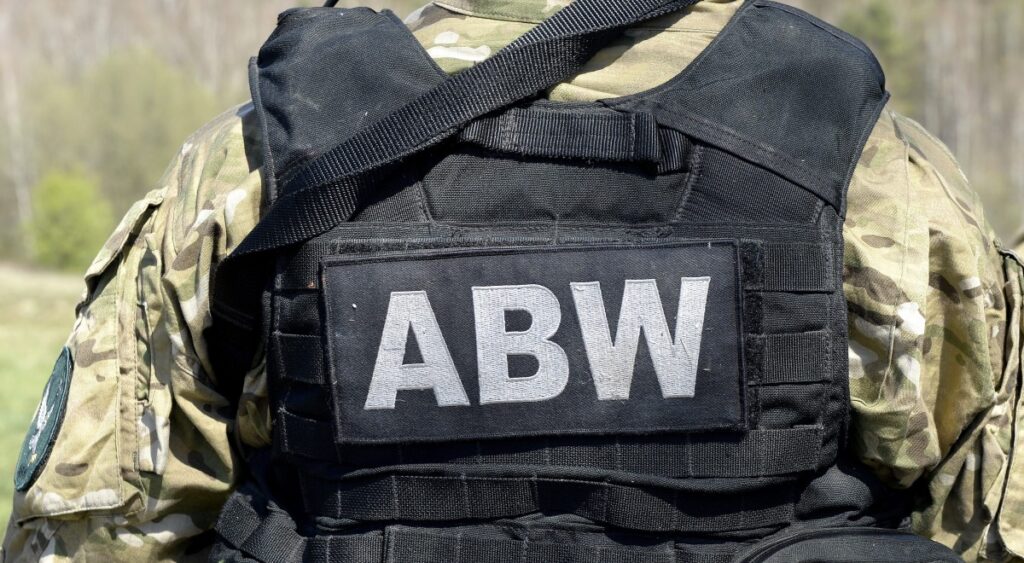
poland arrests ukrainian suspected russia-ordered plot kill weapons-industry figure—the bomb never went off · post officer poland's internal security agency (abw) darek delmanowicz/pap abw pap delmanowicz ukraine news reports

Polish officers have detained a Ukrainian accused of trying to murder a figure from Ukraine's weapons sector on Moscow's orders, Reuters reported. Investigators say his homemade explosive failed to detonate, and he fled to Poland, where officers detained him. The case is the latest in a run of Russian-directed plots targeting people tied to Ukraine across Europe.

Russia increasingly pays ordinary Ukrainians to set fires, plant bombs, and carry out killings inside their own country, recruiting them with offers of "easy money". That recruitment machine now stretches across Europe, where handlers surface on Telegram to enlist spies and saboteurs and mark out targets before the violence lands.

A car bomb that failed

The suspect, named only as Serhii P. under Polish privacy rules, allegedly went after a figure in Ukraine's weapons sector in Irpin, a town in Kyiv Oblast just northwest of the capital. The ABW, Poland's Internal Security Agency, said he planted an improvised explosive device under a car used by the potential victim. The device was meant to be set off remotely with a cellphone, but it "did not detonate due to a malfunction," the agency said.

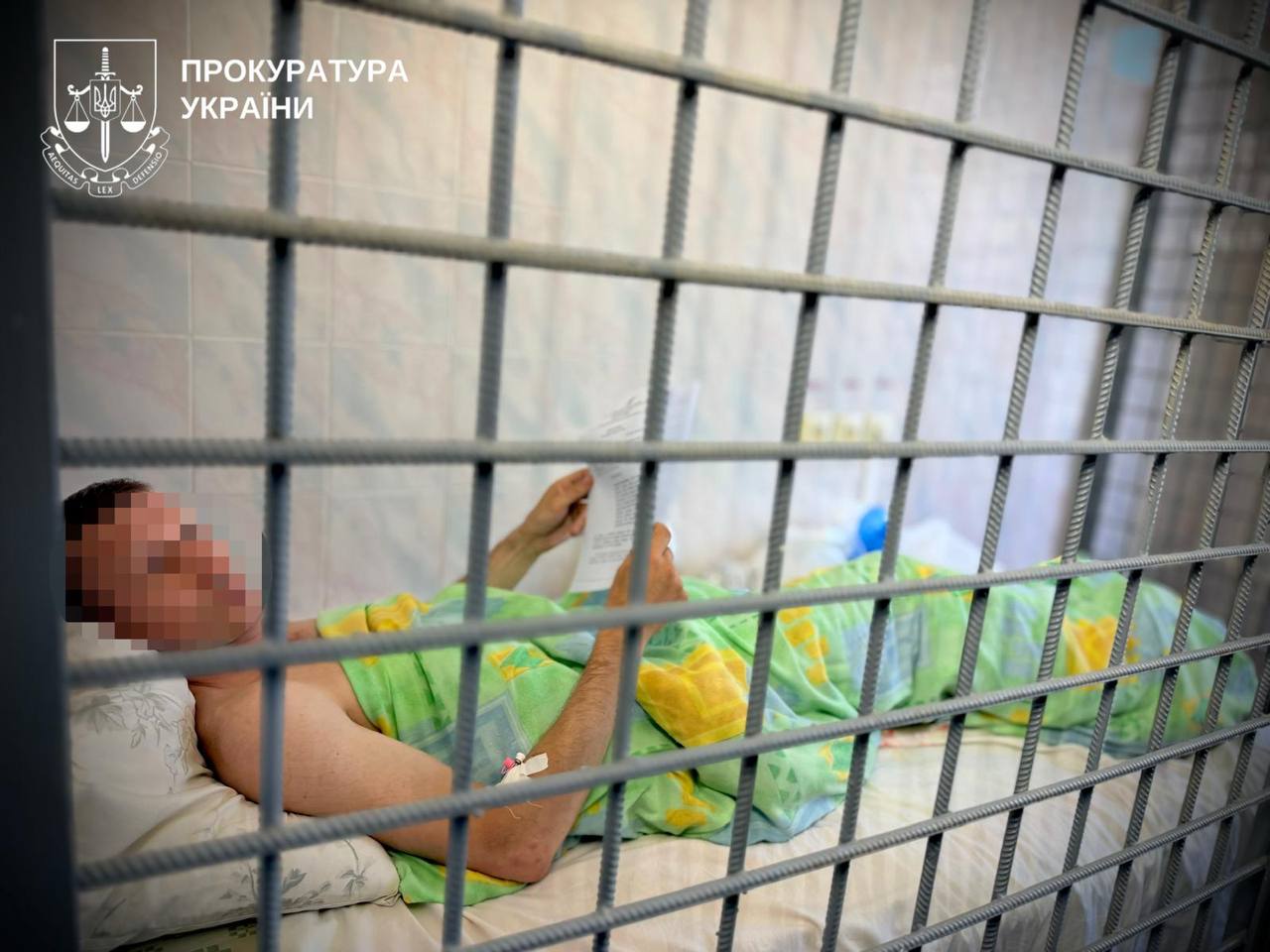
The suspect, a 63-year-old Ukrainian, fled to Poland after the attempt collapsed and was arrested in Warsaw on 5 August 2026, the Ukrainian outlet NV says. Polish authorities announced the arrest on 20 August and said it kept him from using Poland as a hideout while he dodged investigators. Prosecutors charged him with trying to kill with a bomb and with holding explosives without a permit. The charges carry a floor of 15 years behind bars and a ceiling of life, they said.

Ukraine has detained the chief organizer of the defense industry event struck by a Russian ballistic missile in Kyiv Oblast, as investigators examine whether security failures contributed to the attack that killed 10 people. Photo: Ruslan Kravchenko
Explore further

Ukraine detains organizer of defense industry event struck by Russian missile that killed 10, charged with negligence

The ABW framed the case as proof that Russian intelligence runs operations far beyond its own borders, using people who move between countries to do the work. For years, Kyiv and Western capitals have said Moscow enlists people — Ukrainians among them — to run sabotage and spying missions, a charge Russia keeps rejecting.

A pattern across Europe

The plot fits a wider Russian campaign. Weeks earlier, Warsaw detained a Russian man whom Moscow had allegedly recruited to murder a Ukrainian-American in the same city. 

Earlier this year, Ukrainian investigators recently exposed a coordinated scheme to kill a Russian dissident and Ukraine supporter in Lithuania, German prosecutors filed sabotage charges against a Ukrainian and a Latvian, and an earlier plot targeted the chief of German arms-maker Rheinmetall.

Poland and the Baltic States have been named prime targets for Russian sabotage over their backing for Kyiv.

❌