Vue normale

  • ✇Euromaidan Press
  • No experience required: Russia advertises for drone operators to defend Moscow from Ukrainian attacks
    Russia's largest employment platform has posted vacancies for drone operators to help defend Moscow from Ukrainian aerial attacks, Reuters reported on 3 July. The recruitment drive comes as Ukraine has stepped up long-range drone attacks on Moscow in recent months, increasingly targeting military, industrial, and energy facilities as part of a broader campaign to disrupt Russia's ability to sustain its war against Ukraine. According to Reuters, the positions were adv
     

No experience required: Russia advertises for drone operators to defend Moscow from Ukrainian attacks

5 juillet 2026 à 14:28

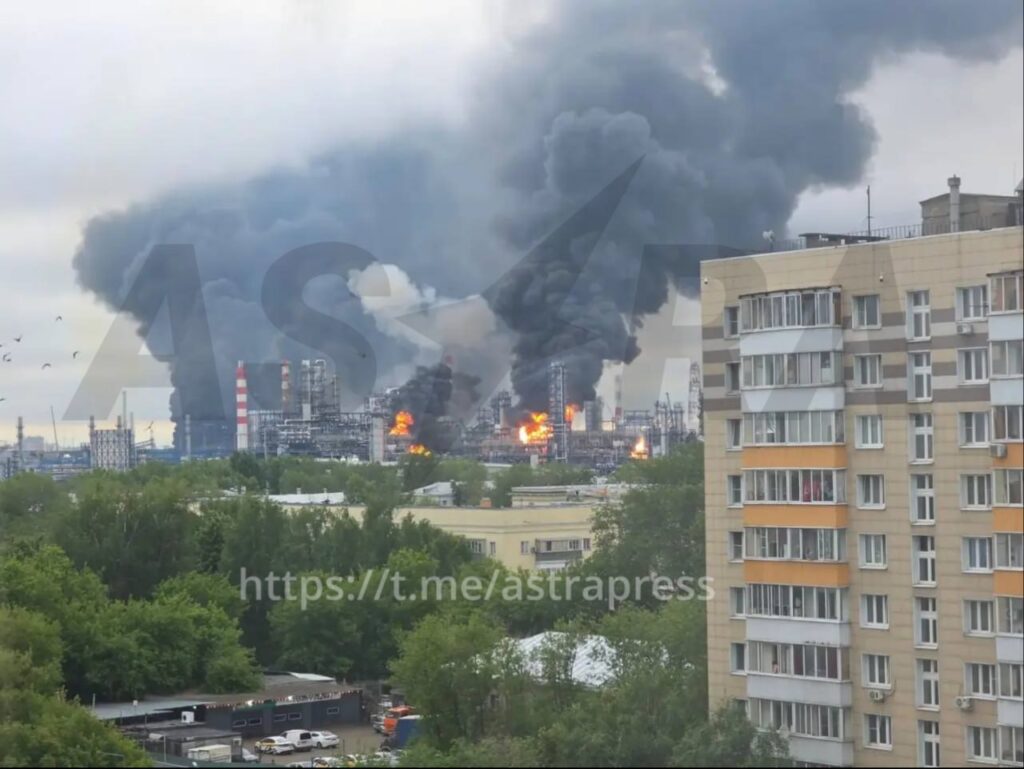
Aftermath of the attack on Moscow, 18 June 2026. Credit: Exilenova+

Russia's largest employment platform has posted vacancies for drone operators to help defend Moscow from Ukrainian aerial attacks, Reuters reported on 3 July.

The recruitment drive comes as Ukraine has stepped up long-range drone attacks on Moscow in recent months, increasingly targeting military, industrial, and energy facilities as part of a broader campaign to disrupt Russia's ability to sustain its war against Ukraine.

According to Reuters, the positions were advertised on HeadHunter, Russia's largest job recruitment website, on behalf of a volunteer unit known as the Combat Army Reserve Force.

The job advertisement says recruits will help "ensure the capital's security using modern technical solutions and surveillance systems."

Volunteer unit seeks new drone operators

According to the listing, successful applicants would prepare and operate drones, conduct reconnaissance missions, and carry out day and night flights to collect data.

Reuters reported that applicants need only basic technical skills and a willingness to learn, with no previous experience required.

The position offers a starting salary of 150,000 rubles (about $1,950 USD) per month, below Moscow's reported average monthly salary of more than 200,000 rubles.

Reuters said it could not determine when the vacancy was first posted, although it was updated on 1 July.

Ukraine steps up long-range drone campaign

The recruitment comes as Ukraine has significantly expanded its long-range drone campaign against military and industrial targets inside Russia.

In recent months, Ukrainian forces have repeatedly targeted airbases, ammunition depots, fuel storage facilities, military logistics hubs, and defense industry sites, while also increasing attacks on Moscow and the surrounding region.

In June, Ukrainian drones struck Moscow multiple times, including two attacks within three days on a major oil refinery located inside the city's ring road, according to Reuters. Russia has also reported frequent attempts by Ukrainian drones to reach the capital, prompting temporary airport closures and flight disruptions.

Kyiv says its long-range strike campaign is intended to degrade Russia's military logistics, disrupt fuel supplies and industrial production, and complicate the movement of military equipment supporting Moscow's war against Ukraine.

The Kremlin has acknowledged the growing threat, saying it is taking additional measures to strengthen Moscow's air defenses, Reuters reported.

Ukraine hits Russian airbase in Crimea; major strikes target backbone of Moscow’s logistics across occupied Ukraine

5 juillet 2026 à 12:25

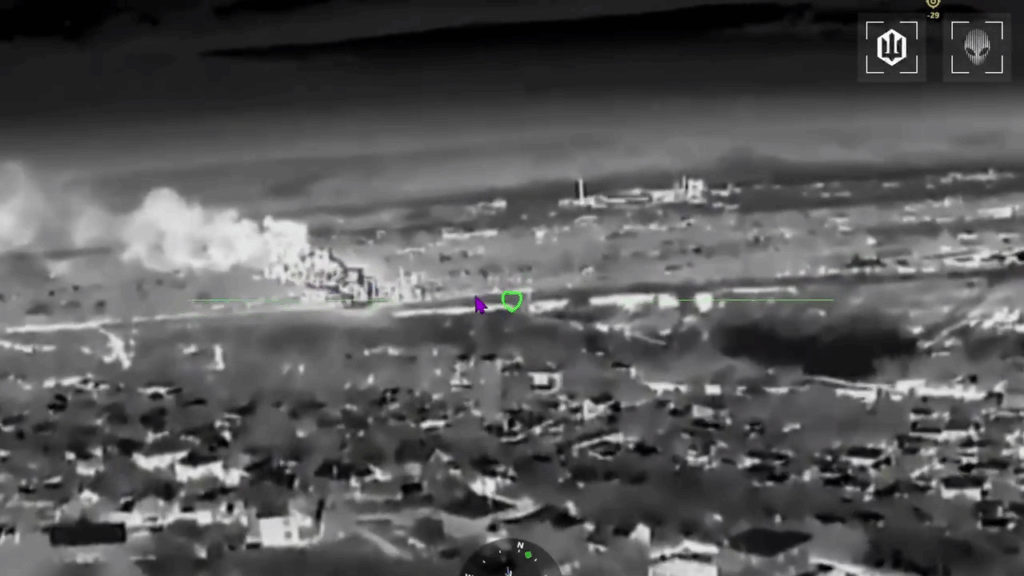
Electrical substation on fire following a Ukrainian drone strike in Bakhchisarai, occupied Crimea, Ukraine, on 5 July 2026. Screenshot from video: Robert "Madyar" Brovdi

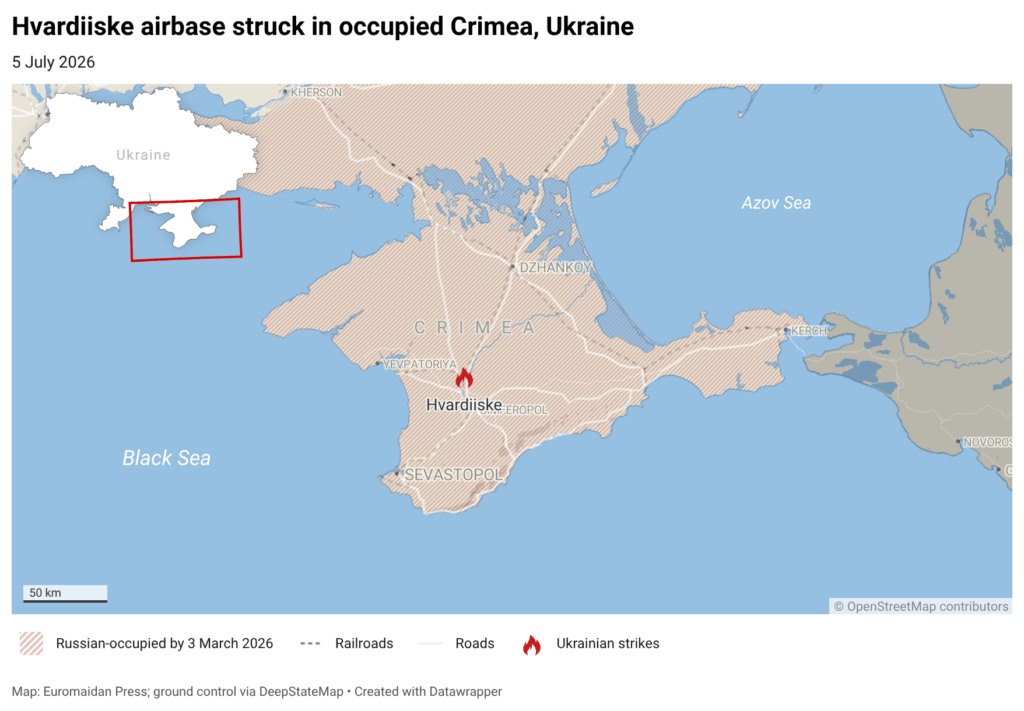
Ukraine struck a key Russian military airbase in occupied Crimea, three ammunition depots, and two bridges used for military logistics overnight on 5 July, while Ukrainian officials also reported a wave of attacks on energy infrastructure supporting Russian forces on the occupied peninsula.

The strikes are part of Ukraine's expanding long-range campaign against Russian military infrastructure, aimed at disrupting logistics, degrading combat support, and making it harder for Moscow to sustain operations in occupied Ukraine.

Hvardiiske airbase struck

The General Staff of Ukraine’s Armed Forces said strikes targeted Hvardiiske airbase, one of Russia's principal military airfields in occupied Crimea.

According to the military, the airbase is used to base tactical and naval aviation aircraft, support combat sorties, and provide logistics and maintenance for Russian aviation units. The extent of the damage is still being assessed.

Bridges and ammunition depots hit

The General Staff also reported strikes on two road bridges in occupied Donetsk Oblast.

The bridges, spanning the Hruzkyi Yalanchyk River near Huselnykove and the Kalmius River near Staromarivka, were used by Russian forces to transport personnel, weapons, ammunition, and other military supplies, according to the statement.

Ukraine also said it struck three Russian ammunition depots near Makiivka in occupied Donetsk Oblast, Dovzhansk in occupied Luhansk Oblast, and Preobrazhenka in occupied Kherson Oblast.

Ukraine reports expanded campaign against Russian energy infrastructure

Separately, Commander of Ukraine's Unmanned Systems Forces, Robert "Madyar" Brovdi, said Ukrainian drone units had disabled 16 energy facilities in occupied territories over the previous 48 hours, including multiple electrical substations across occupied Crimea.

According to Brovdi, Ukrainian forces struck 37 energy facilities across occupied southern Ukraine between 1 and 5 July, targeting electrical substations and transformers in occupied Crimea and parts of Kherson, Luhansk, and Zaporizhzhia oblasts.

He said the campaign is intended to isolate Russian forces on the occupied peninsula by disrupting electricity, logistics, fuel supplies, and communications supporting Moscow's military presence.

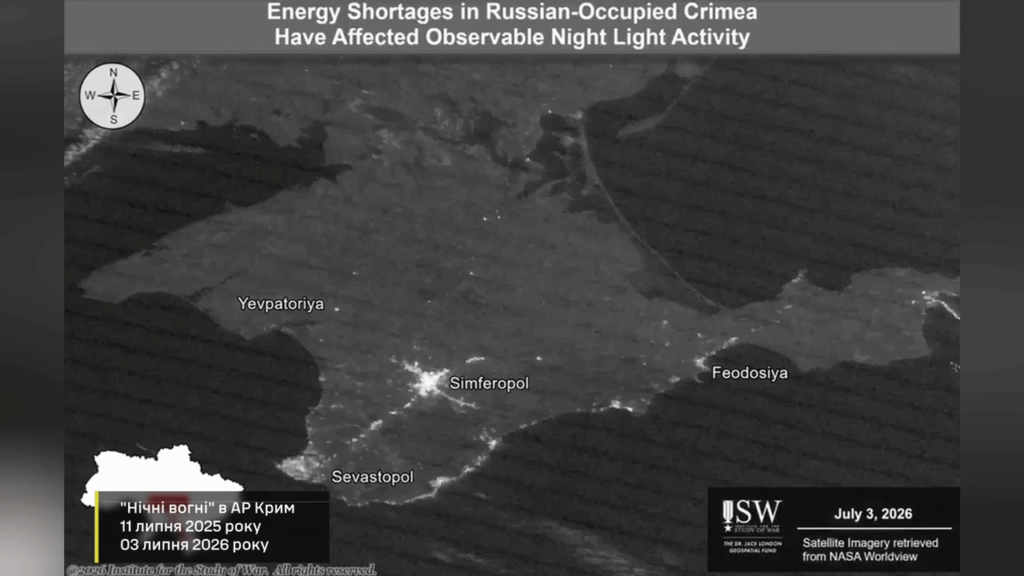
Brovdi also noted widespread power outages across occupied Crimea on 3 July amid Ukraine’s ongoing strikes on energy infrastructure.

Satellite data showing reduced electricity activity across Russian-occupied Crimea on 3 July 2026. Screenshot from video: Robert "Madyar" Brovdi

Ukraine expands campaign against Russian military logistics

Ukraine has significantly expanded its long-range strike campaign in recent months, increasingly targeting Russian military infrastructure deep behind the front line. 

The effort has focused on disrupting logistics, fuel supplies, ammunition storage, transport links, airbases, and energy infrastructure that support Russian military operations in occupied Ukraine and Crimea.

The Ukrainian military has repeatedly said degrading Russia's logistical network is intended to reduce its ability to sustain offensive operations and reinforce frontline units.

  • ✇Euromaidan Press
  • June set multiple records for Ukraine’s deep-strike campaign: over 200,000 Russian targets struck
    Ukraine's Defense Forces struck more than 200,000 Russian targets in June, while nearly doubling the number of successful strikes more than 50 kilometers behind the front line, according to Defense Minister Mykhailo Fedorov. In a statement on 5 July, Fedorov said the increase reflected a continued focus on disrupting Russian logistics, with attacks targeting supply routes, transport, and ammunition depots. "The number of strikes on logistics continues to grow," Fedor
     

June set multiple records for Ukraine’s deep-strike campaign: over 200,000 Russian targets struck

5 juillet 2026 à 09:01

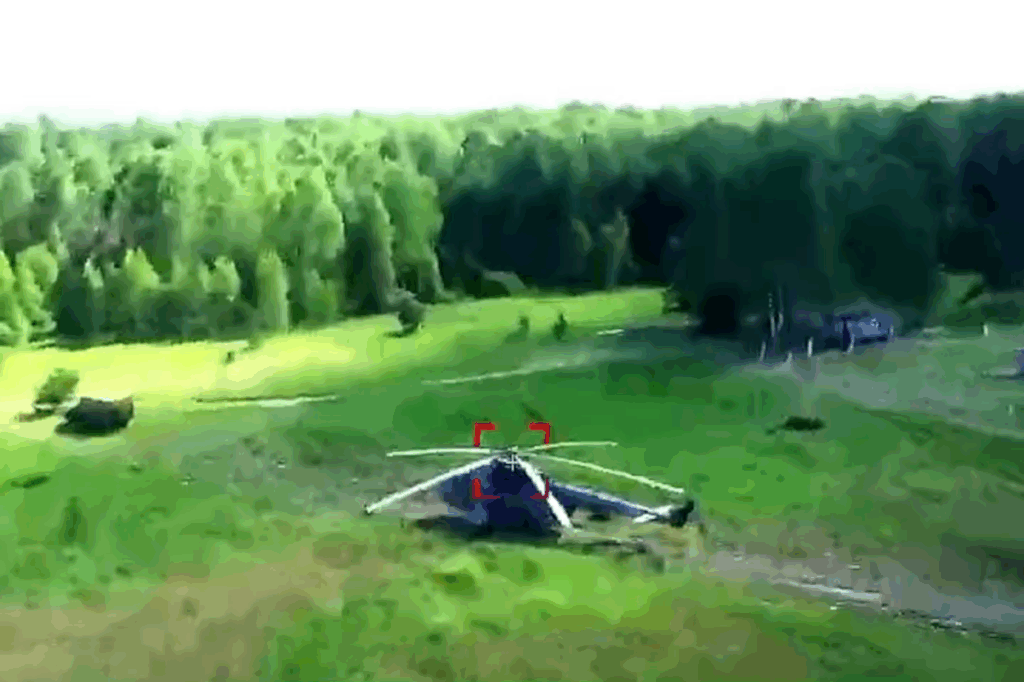
Russian military helicopter seen by Ukrainian drone before strike. Screenshot from video: Mykhailo Fedorov

Ukraine's Defense Forces struck more than 200,000 Russian targets in June, while nearly doubling the number of successful strikes more than 50 kilometers behind the front line, according to Defense Minister Mykhailo Fedorov.

In a statement on 5 July, Fedorov said the increase reflected a continued focus on disrupting Russian logistics, with attacks targeting supply routes, transport, and ammunition depots.

"The number of strikes on logistics continues to grow," Fedorov said. "The number of targets hit at distances greater than 50 kilometers from the line of combat nearly doubled."

He also said the intensity of Ukrainian strikes against Russian targets in occupied Crimea increased significantly during June.

Ukraine's deep-strike campaign reached a new level in June, with the Defense Ministry reporting more than 200,000 verified strikes on Russian targets and multiple monthly records.

According to Defense Minister Mykhailo Fedorov, Ukraine nearly doubled the number of successful… pic.twitter.com/xekxdtetdf

— Euromaidan Press (@EuromaidanPress) July 5, 2026

Record month for artillery and drone interceptions

According to Fedorov, June set several new records for Ukraine's Defense Forces.

He said Ukrainian forces achieved their highest monthly number of artillery systems destroyed, intercepted a record 49,575 Russian fixed-wing and multirotor drones, and recorded an all-time high in strikes against Russian vehicles and motorcycles.

Fedorov added that Ukrainian forces killed or seriously wounded nearly 28,000 Russian troops during the month.

Verified through eBaly battlefield system

The minister said every reported strike was verified using video evidence through Ukraine's eBaly battlefield analytics system.

The platform provides commanders with near real-time visibility of battlefield results, allowing successful tactics to be identified quickly and expanded across the force.

Ukraine expands long-range campaign against Russian logistics

Ukraine has significantly expanded its campaign of long-range strikes in recent months, increasingly targeting Russian military assets in occupied Ukrainian territory and border regions inside Russia.

The campaign has focused on disrupting the logistics that sustain Russian offensive operations, including ammunition depots, fuel storage sites, transport hubs, rail infrastructure, command posts, and military vehicles. 

Ukrainian officials have repeatedly said degrading Russia's supply network is intended to reduce its ability to reinforce frontline units and sustain offensive operations.

June also saw a continued increase in strikes against occupied Crimea, which serves as a major Russian military and logistics hub supporting operations in southern Ukraine.

❌