Vue normale

Russia has launched over 28,000 Shahed drones at Ukraine since 2022, with nearly 10% fired in June alone, Zelensky says
24 juin 2025 à 19:57
Russia has launched over 28,000 Shahed drones at Ukraine since 2022, with nearly 10% fired in June alone, Zelensky says

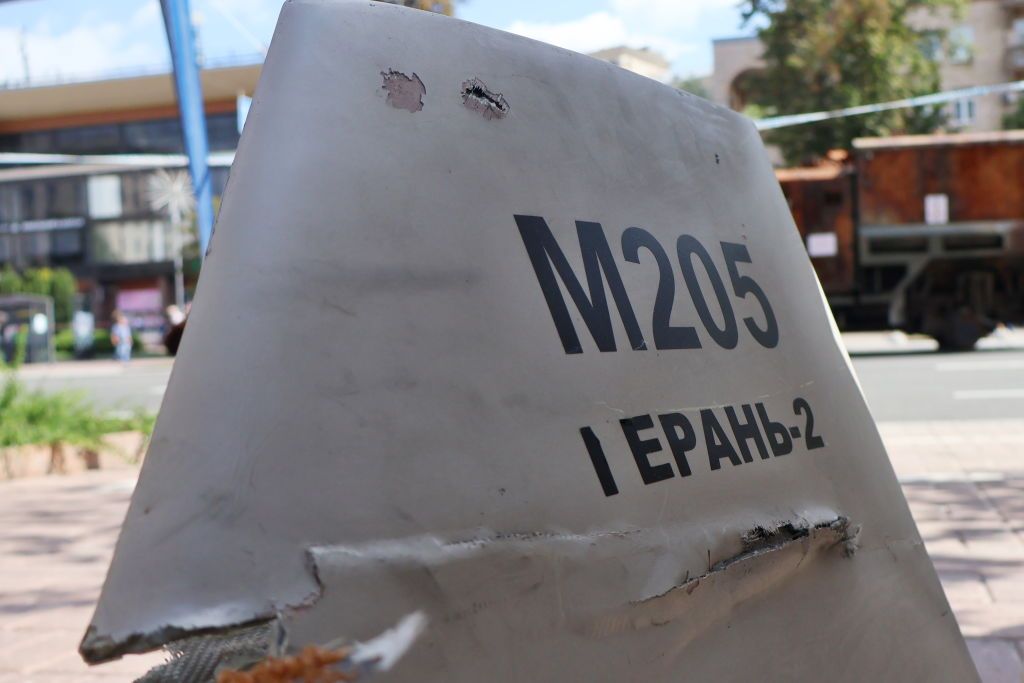
Since the start of Russia’s full-scale invasion, Moscow has launched 28,743 Shahed-type drones at Ukraine — with 2,736, or roughly 9.5%, fired in June 2025 alone, President Volodymyr Zelensky said during a speech to the Dutch Parliament in The Hague.

Speaking on June 24, he stressed that Russia would never have been able to carry out such  drone attacks without support from Iran, and Ukraine, in turn, could not have intercepted most of the drones without the help of its international partners.

Zelensky called for accountability and emphasized that rules must apply to all — including the Kremlin: "Putin pretends not to understand the rules that shape the modern world. And here, in The Hague, I want to say this very clearly to him: There is a rule — do not kill. There is a rule — do not treat people like beasts. There is a rule — do not destroy cities and villages. There is a rule — do not sponsor terror. There is a rule — do not steal children. And if you break these rules, you will be held accountable."

According to Zelensky, these principles — though difficult for Russia to grasp — form the foundation of international norms, from the UN Charter to Europe’s shared vision of life.

To achieve lasting peace, Zelensky outlined two key strategic priorities. First, he called for maximum isolation of Russia which includes full political isolation, comprehensive sanctions, and the termination of any cooperation that allows Russia to survive and continue waging war.

"Every loophole that allows them to keep going must be closed. We need a strong 18th EU sanctions package. We need tough, painful sanctions on Russian oil. Every reduction in Russia’s oil revenue helps bring peace closer," he said.

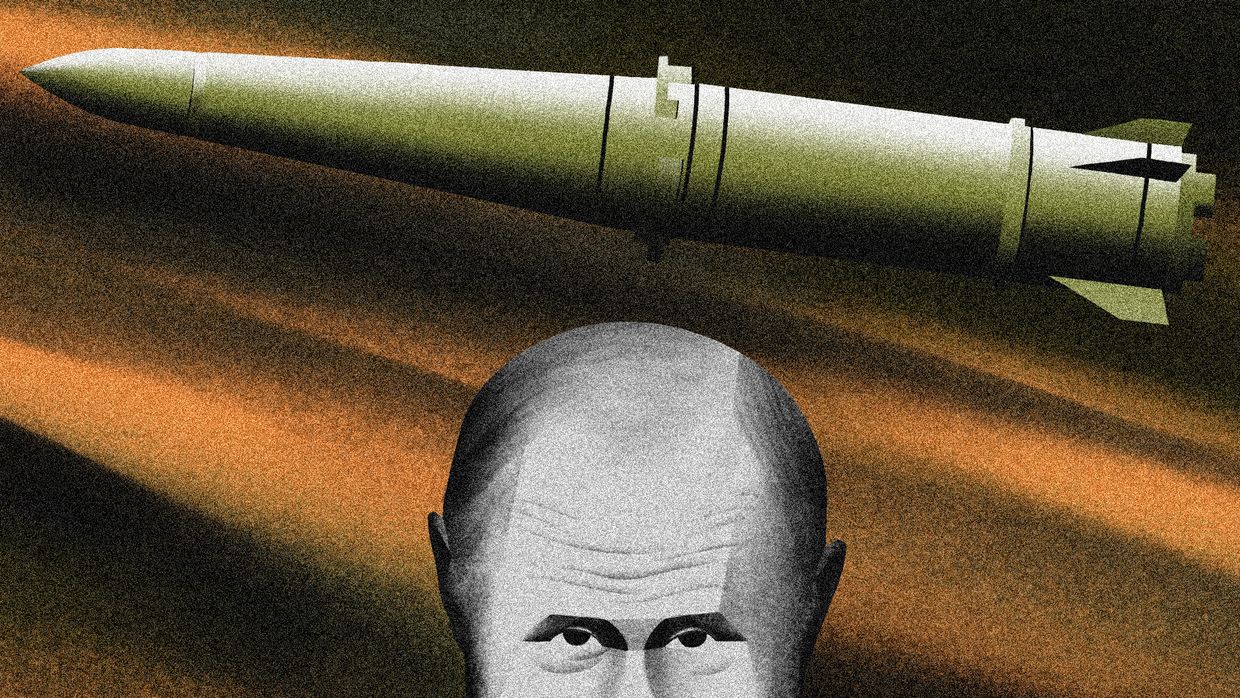
Investigation: How Russia prepares its strategic missile plant for ‘eternal war’
Key findings: * Despite international sanctions, Russia’s strategic missile plant was able to import complex machinery to dramatically increase missile production. * The Kyiv Independent has identified the equipment supplied to the plant, as well as the supply chains, mostly from China. * We located the plant’s new premises, built to house the
Russia has launched over 28,000 Shahed drones at Ukraine since 2022, with nearly 10% fired in June alone, Zelensky saysThe Kyiv IndependentAlisa Yurchenko
Russia has launched over 28,000 Shahed drones at Ukraine since 2022, with nearly 10% fired in June alone, Zelensky says

Zelensky argued that the most effective step would be imposing a $30-per-barrel price cap on Russian oil exports.

“The world must reach this threshold — not just to help stop Russia’s war against us, but to prevent any future military operations that Russia might launch against Europe and the Alliance,” he said. “Military plans must become prohibitively expensive for Russia. We must fully block their tanker fleet and cut them off from international banking. That’s what works.”

Second priority, according to Zelensky, is the need for stability in defense support. "Russia must see that Ukraine will not be left alone, and that Europe will not back down."
  • ✇The Kyiv Independent
  • Trump casts doubt on NATO defense pledge as alliance confronts Russian threat
    President Donald Trump refused to give a clear commitment to NATO’s Article 5 — the alliance’s collective defense clause — as he departed for a pivotal summit in The Hague, raising fresh concerns about his stance on one of NATO’s core principles.When pressed by reporters aboard Air Force One on whether he would uphold the mutual defense obligation, Trump replied, “It depends on your definition of Article 5,” adding, "There’s numerous definitions of Article 5. You know that, right? But I’m commit
     

Trump casts doubt on NATO defense pledge as alliance confronts Russian threat

24 juin 2025 à 17:09
Trump casts doubt on NATO defense pledge as alliance confronts Russian threat

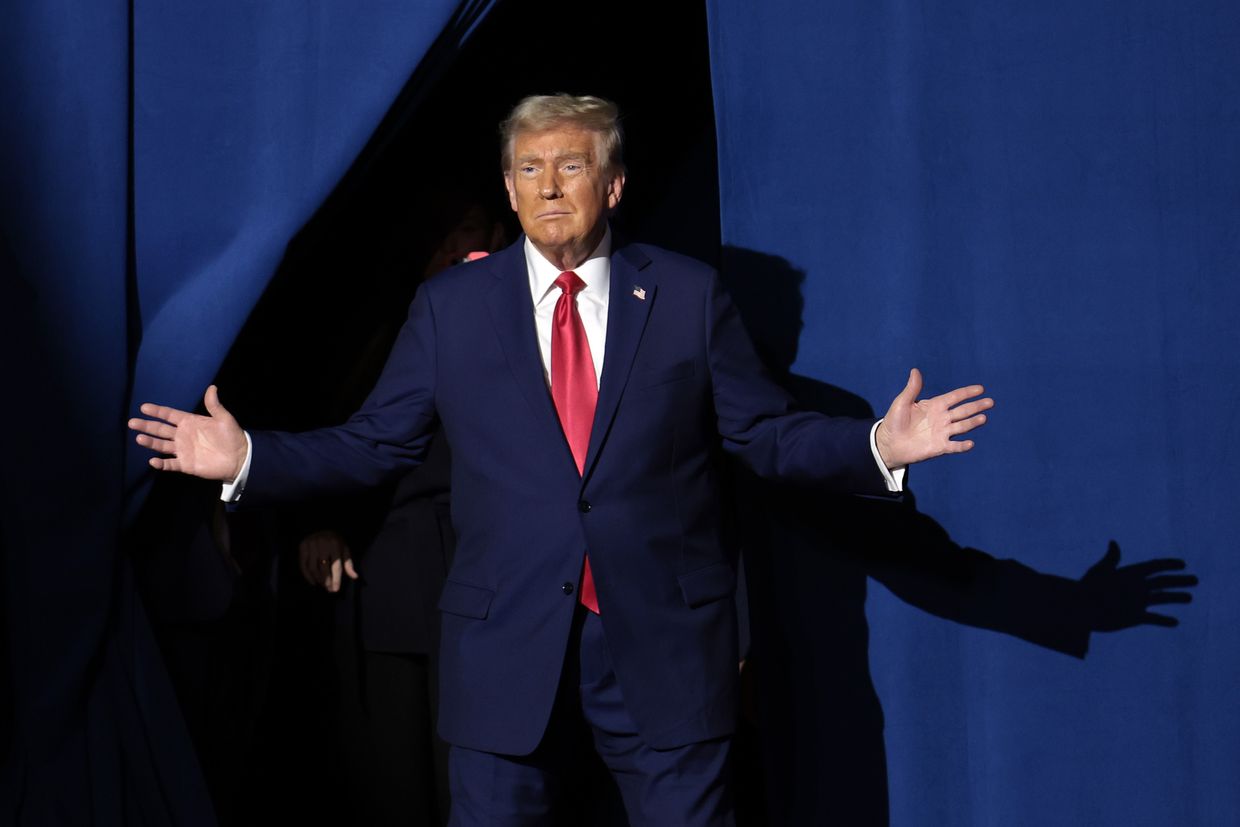
President Donald Trump refused to give a clear commitment to NATO’s Article 5 — the alliance’s collective defense clause — as he departed for a pivotal summit in The Hague, raising fresh concerns about his stance on one of NATO’s core principles.

When pressed by reporters aboard Air Force One on whether he would uphold the mutual defense obligation, Trump replied, “It depends on your definition of Article 5,” adding, "There’s numerous definitions of Article 5. You know that, right? But I’m committed to being their friends, you know, I’ve become friends with many of those leaders, and I’m committed to helping them."

Although Article 5 is central to NATO’s security framework, Trump has previously expressed skepticism about honoring it, often criticizing member states for not contributing enough to shared defense efforts.

Asked to elaborate, he said, "I’m committed to saving lives. I care about life and safety." He added that he would explain his position in full once at the summit: "I’ll give you an exact definition when I get there — I just don’t want to do it from the back of a plane."

Trump’s remarks come as NATO faces what its leadership describes as its most significant threat in decades.

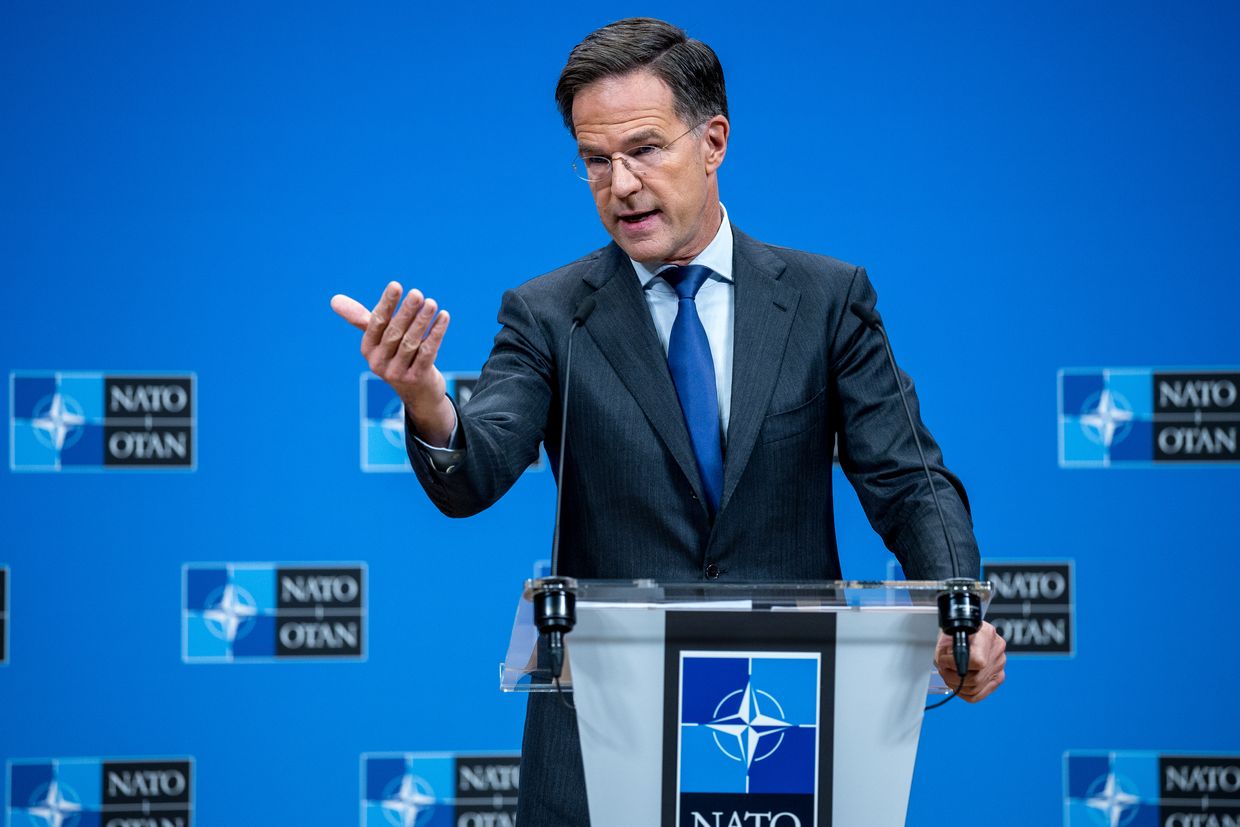
At a press briefing on June 23, NATO Secretary General Mark Rutte said Russia remains the primary danger to the alliance, citing its growing alignment with China, North Korea, Iran, and Belarus.

"Moscow continues to wage war against Ukraine, with support of North Korea, Iran, and China, as well as Belarus," Rutte said.

He added that NATO leaders plan to adopt a "historic" defense investment plan at the June 24–25 summit in The Hague, including a new 5% of GDP benchmark for defense spending and stronger backing for Ukraine.

"All leaders will take bold decisions to strengthen our collective defense, making NATO a stronger, fairer, and more lethal alliance," Rutte said. “This is a leap that is ambitious, historic, and fundamental to securing our future.”

While at the summit, Trump is also set to meet President Volodymyr Zelensky, the White House confirmed on June 24.

Their last meeting was in April at Pope Francis' funeral, amid concerns over the U.S. role in peace talks between Kyiv and Moscow. Details of the June 25 meeting are still being finalized, but the talks are expected in the "early afternoon," a source told AFP.

Investigation: How Russia prepares its strategic missile plant for ‘eternal war’
Key findings: * Despite international sanctions, Russia’s strategic missile plant was able to import complex machinery to dramatically increase missile production. * The Kyiv Independent has identified the equipment supplied to the plant, as well as the supply chains, mostly from China. * We located the plant’s new premises, built to house the
Trump casts doubt on NATO defense pledge as alliance confronts Russian threatThe Kyiv IndependentAlisa Yurchenko
Trump casts doubt on NATO defense pledge as alliance confronts Russian threat
  • ✇The Kyiv Independent
  • UK to fund joint drone production with Ukraine
    Ukraine and the United Kingdom have reached an agreement to jointly produce drones, Defense Minister Rustem Umerov announced on June 24.Britain will finance the procurement of Ukrainian-designed drones manufactured in the UK, he added. The deal comes as Ukraine has rapidly developed its drone capabilities since 2022, evolving from modifying commercial aircraft to producing military UAVs, attack drones, and reconnaissance systems at scale.The agreement was reached between President Volodymyr Zele
     

UK to fund joint drone production with Ukraine

24 juin 2025 à 11:09
UK to fund joint drone production with Ukraine

Ukraine and the United Kingdom have reached an agreement to jointly produce drones, Defense Minister Rustem Umerov announced on June 24.

Britain will finance the procurement of Ukrainian-designed drones manufactured in the UK, he added.

The deal comes as Ukraine has rapidly developed its drone capabilities since 2022, evolving from modifying commercial aircraft to producing military UAVs, attack drones, and reconnaissance systems at scale.

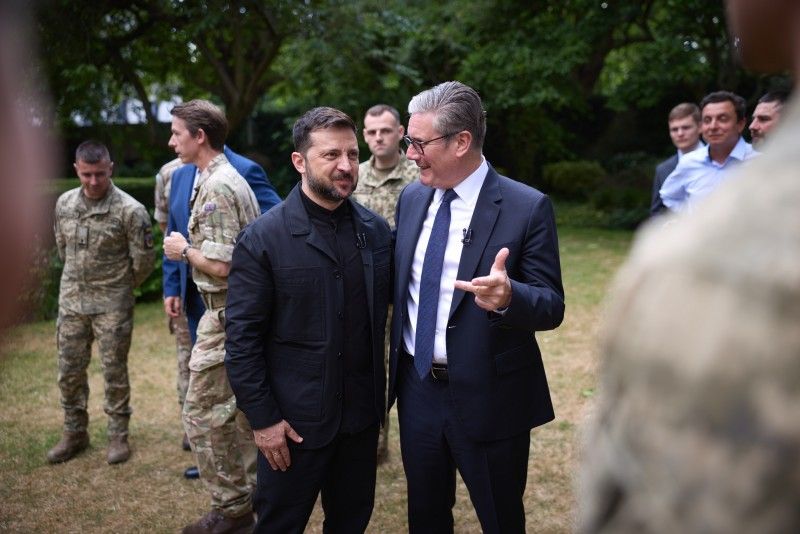
The agreement was reached between President Volodymyr Zelensky and British Prime Minister Keir Starmer, Umerov said.

Under the three-year program, the UK will finance the procurement of a wide range of Ukrainian drones to be produced by British defense companies.

"This will enable British defense companies to rapidly design and produce state-of-the-art drones on a large scale," Umerov wrote on Facebook.

According to Umerov, all production will be directed to meet the needs of Ukraine's Defense Forces. After the war ends, the UK and Ukraine will share the produced drones between themselves.

The initiative will support the scaling of advanced technologies, increased drone production, and the integration of Ukrainian and British defense industries, Ukraine’s defense minister wrote.

Ukraine has ramped up domestic drone production over the recent years of its war with Russia, as well as the development of new missiles.

Various aerial, naval, and ground drones have been developed and often successfully used for reconnaissance, combat, and other tasks throughout the full-scale war with Russia.

In January 2025, Umerov announced that the United Kingdom would finance the production of air defense systems and long-range weapons in Ukraine.

  • ✇The Kyiv Independent
  • Russia remains 'the most significant, direct threat' to NATO, Rutte says ahead of summit
    NATO Secretary General Mark Rutte said during a press briefing on June 23 that Russia remains the main threat to the alliance, citing Moscow's cooperation with China, North Korea, Iran, and Belarus. "Moscow continues to wage war against Ukraine, with support of North Korea, Iran, and China, as well as Belarus," Rutte said.The Secretary General told reporters that the alliance leaders are set to adopt a historic defense investment plan at the summit in The Hague on June 24-25, including a new ben
     

Russia remains 'the most significant, direct threat' to NATO, Rutte says ahead of summit

24 juin 2025 à 03:50
Russia remains 'the most significant, direct threat' to NATO, Rutte says ahead of summit

NATO Secretary General Mark Rutte said during a press briefing on June 23 that Russia remains the main threat to the alliance, citing Moscow's cooperation with China, North Korea, Iran, and Belarus.

"Moscow continues to wage war against Ukraine, with support of North Korea, Iran, and China, as well as Belarus," Rutte said.

The Secretary General told reporters that the alliance leaders are set to adopt a historic defense investment plan at the summit in The Hague on June 24-25, including a new benchmark of 5% of GDP for defense spending and a strengthened commitment to Ukraine.

"All leaders will take bold decisions to strengthen our collective defense, making NATO a stronger, fairer, and more lethal alliance," Rutte said at a press conference before the summit. “This is a leap that is ambitious, historic, and fundamental to securing our future.”

Rutte said the plan includes major increases in air defense systems, tanks, armored vehicles, and artillery, a response to the evolving threat landscape, particularly Russia's war against Ukraine.

"We see Russia's deadly terror from the skies over Ukraine every day. We must be able to defend ourselves from such attacks," Rutte added.

The Secretary General warned that NATO must act urgently to prepare for future threats, citing assessments that Russia could rebuild sufficient military capacity to challenge NATO within five years. "Our security environment has changed, and not for the better. The threats we face today demand that we do far more," he said.

Rutte emphasized that the new defense investment plan will be reviewed in 2029, with annual reporting to ensure credibility.

He stressed that NATO remains committed to supporting Kyiv and reaffirmed the alliance's long-standing position that "Ukraine's path to NATO membership is irreversible." According to Rutte, the allies have pledged over 35 billion euros ($40,6 billions) in military aid to Ukraine for the first half of 2025, up from 20 billion announced earlier this year.

President Volodymyr Zelensky is attending the summit and will hold multiple meetings with NATO leaders. However, NATO's Ukraine Council will not convene, a decision seen as part of efforts to keep the summit's focus narrow, a move aimed at appeasing U.S. President Donald Trump, according to Politico.

The summit, shortened to 24 hours, has only one major session on defense spending. European officials cited by Politico said the format was designed to deliver a clear win to Trump, who is expected to tout the 5% spending pledge as a personal success. The U.S. is reportedly exempting itself from the new benchmark.

While recent summits have centered on Russia's invasion of Ukraine, this year's joint communique may omit references to the war.

During the briefing, Rutte said that the final communique, agreed by NATO ambassadors, has "important language" about Ukraine, including defense spending up until 2035.

"This is a clear commitment by allies," Rutte said.

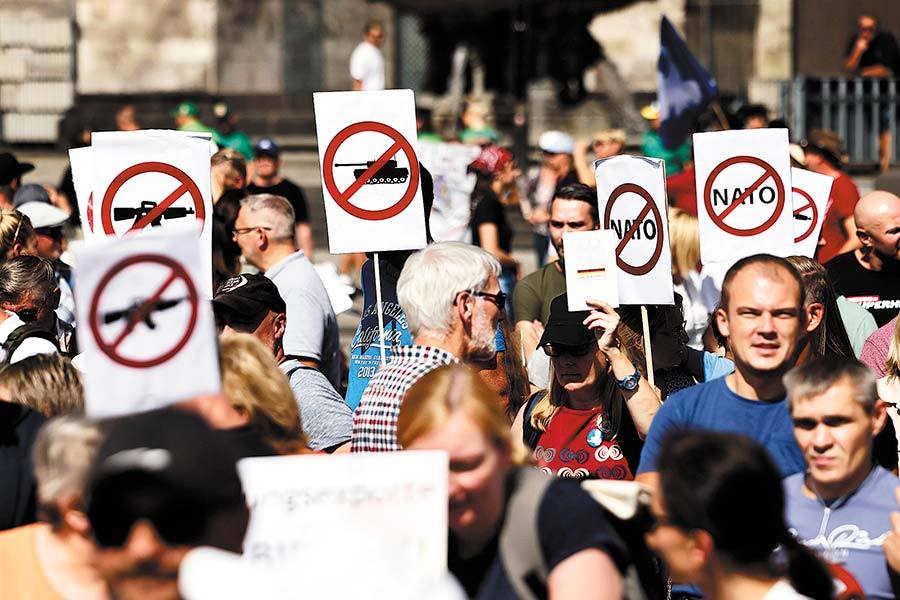
Pro-Russian ‘peace protestors’ set to descend on NATO summit
Dutch protesters who regularly call for an end to military aid to Ukraine will descend on The Hague next week to protest the upcoming NATO summit, which is set to take place on June 24-25. The group will protest against NATO alongside several other organizations and has urged supporters on
Russia remains 'the most significant, direct threat' to NATO, Rutte says ahead of summitThe Kyiv IndependentLinda Hourani
Russia remains 'the most significant, direct threat' to NATO, Rutte says ahead of summit
❌