Vue normale

  • ✇The Kyiv Independent
  • Council of Europe, Ukraine to sign accord on June 25 to set up Russian aggression tribunal
    The Council of Europe and Ukraine will sign an agreement on June 25 to set up a special tribunal for the crime of Russian aggression, Yevheniya Kravchuk, a member of Ukraine's delegation to the Parliamentary Assembly of the Council of Europe (PACE), said on June 24.The move marks a milestone in international efforts to hold President Vladimir Putin and other top Russian officials accountable for launching the full-scale war against Ukraine."What seemed like a dream of justice will soon become a
     

Council of Europe, Ukraine to sign accord on June 25 to set up Russian aggression tribunal

24 juin 2025 à 13:37
Council of Europe, Ukraine to sign accord on June 25 to set up Russian aggression tribunal

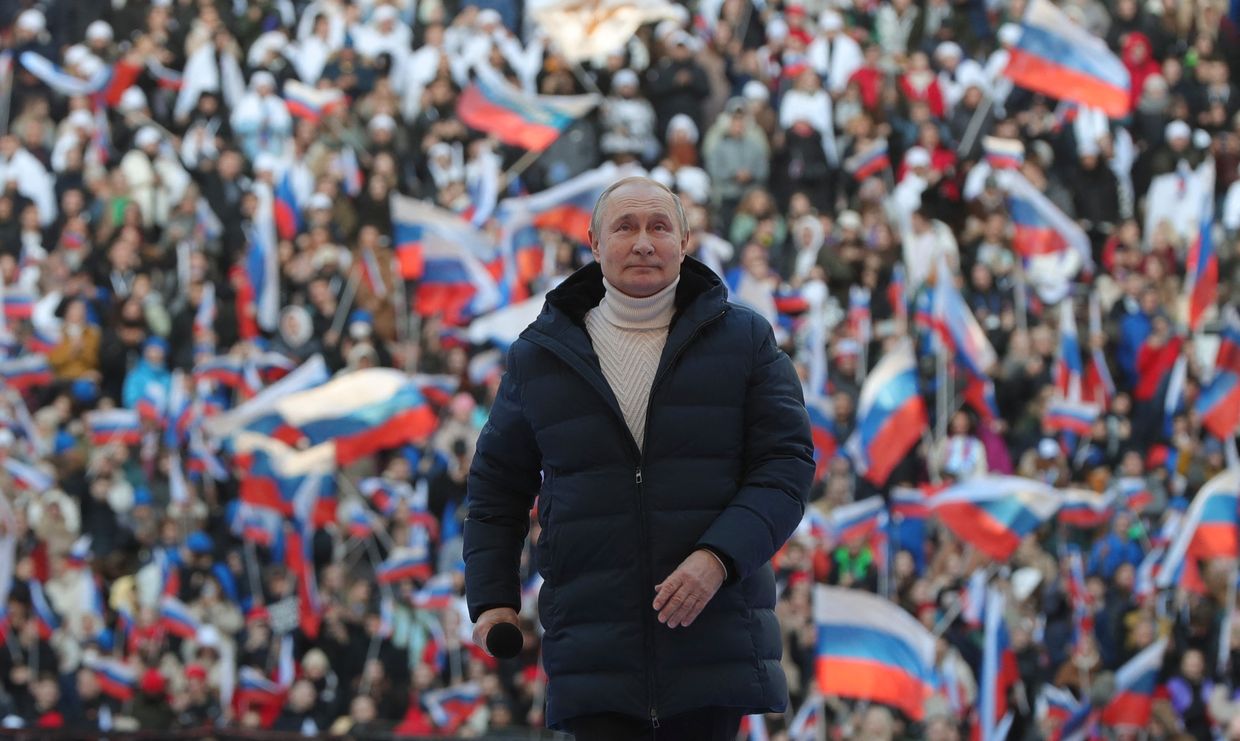
The Council of Europe and Ukraine will sign an agreement on June 25 to set up a special tribunal for the crime of Russian aggression, Yevheniya Kravchuk, a member of Ukraine's delegation to the Parliamentary Assembly of the Council of Europe (PACE), said on June 24.

The move marks a milestone in international efforts to hold President Vladimir Putin and other top Russian officials accountable for launching the full-scale war against Ukraine.

"What seemed like a dream of justice will soon become a reality. Ukraine, together with the Council of Europe, will sign an agreement that will bring Russia to justice," Kravchuk wrote on Facebook.

Ukrainian Deputy Prime Minister Olha Stefanishyna stressed that the special tribunal will have jurisdiction over the Russian president, prime minister, foreign minister, and other top officials.

"It is not a matter of debate anymore, only a matter of time. Some will get into the hands of justice sooner, some later, but they will all be held accountable. There are no exceptions," Stefanishyna told the Kyiv Independent. "It's critical to restore the international rule of law and prevent future acts of aggression."

The tribunal's jurisdiction covers all aspects of the crime of aggression, including the planning, preparation, initiation, or execution of acts of aggression, according to Stefanishyna.

"The tribunal's design makes it clear that the official status of the accused at the time of the crime does not exempt them from responsibility," she said. "Functional immunity does not apply here; high-ranking officials can be prosecuted even while holding office. The statute provides rules for conducting proceedings if the accused is absent."

The tribunal will be authorized to cooperate with the International Criminal Court (ICC) to ensure jurisdictional effectiveness and share information, Stefanishyna added.

President Volodymyr Zelensky has long advocated for the tribunal to ensure that Putin and other senior Russian officials face justice for launching the invasion three years ago.

Ukrainian prosecutors have documented thousands of war crimes committed by Russian forces, including attacks on civilians, cultural and medical sites, and acts of torture and deportation.

While war crimes, crimes against humanity, and genocide can be prosecuted against individuals at any level, the crime of aggression applies exclusively to state leaders responsible for planning and waging a war.

The ICC has already issued arrest warrants for Putin and Maria Lvova-Belova, the Russian official overseeing the forced deportation of Ukrainian children to Russia.

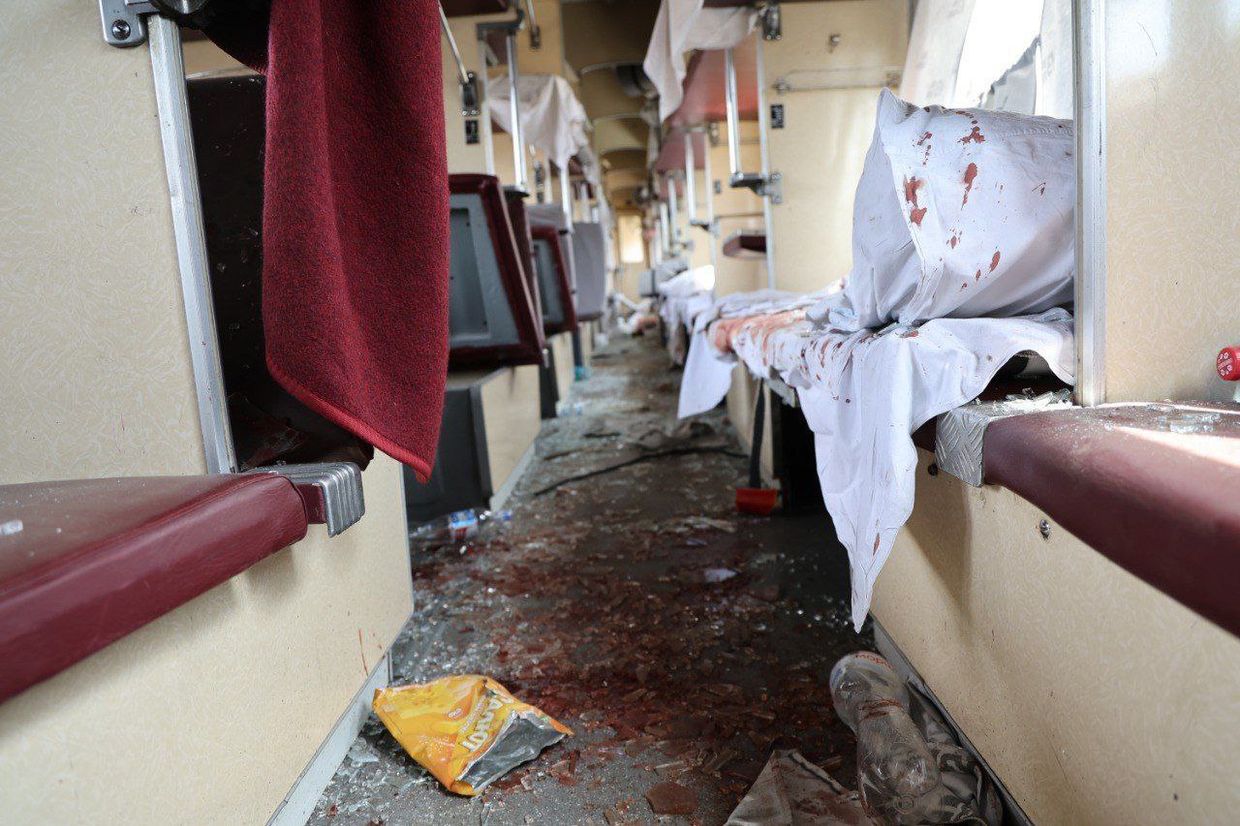
‘Dead and wounded everywhere’ — at least 160 casualties as Russia strikes Dnipro with ballistic missiles, hits civilian train
Russia launched a deadly missile attack on the Ukrainian city of Dnipro on June 24, striking civilian infrastructure and a passenger train, local officials reported.
Council of Europe, Ukraine to sign accord on June 25 to set up Russian aggression tribunalThe Kyiv IndependentAnna Fratsyvir
Council of Europe, Ukraine to sign accord on June 25 to set up Russian aggression tribunal
  • ✇The Kyiv Independent
  • Europeans oppose following Trump if he pushes Ukraine to cede territory, lift Russia sanctions, poll finds
    A majority of Europeans would oppose following the U.S.' lead if President Donald Trump pushed Ukraine to cede territories or lifted sanctions on Russia as part of a peace agreement, a new poll published on June 23 has found.Despite the self-imposed deadline of 100 days to end the war in Ukraine, Trump is now 155 days into his presidency and Russian attacks have only escalated.Trump has still yet to take any concrete steps to pressure Moscow into ending its war but has floated several concession
     

Europeans oppose following Trump if he pushes Ukraine to cede territory, lift Russia sanctions, poll finds

24 juin 2025 à 06:04
Europeans oppose following Trump if he pushes Ukraine to cede territory, lift Russia sanctions, poll finds

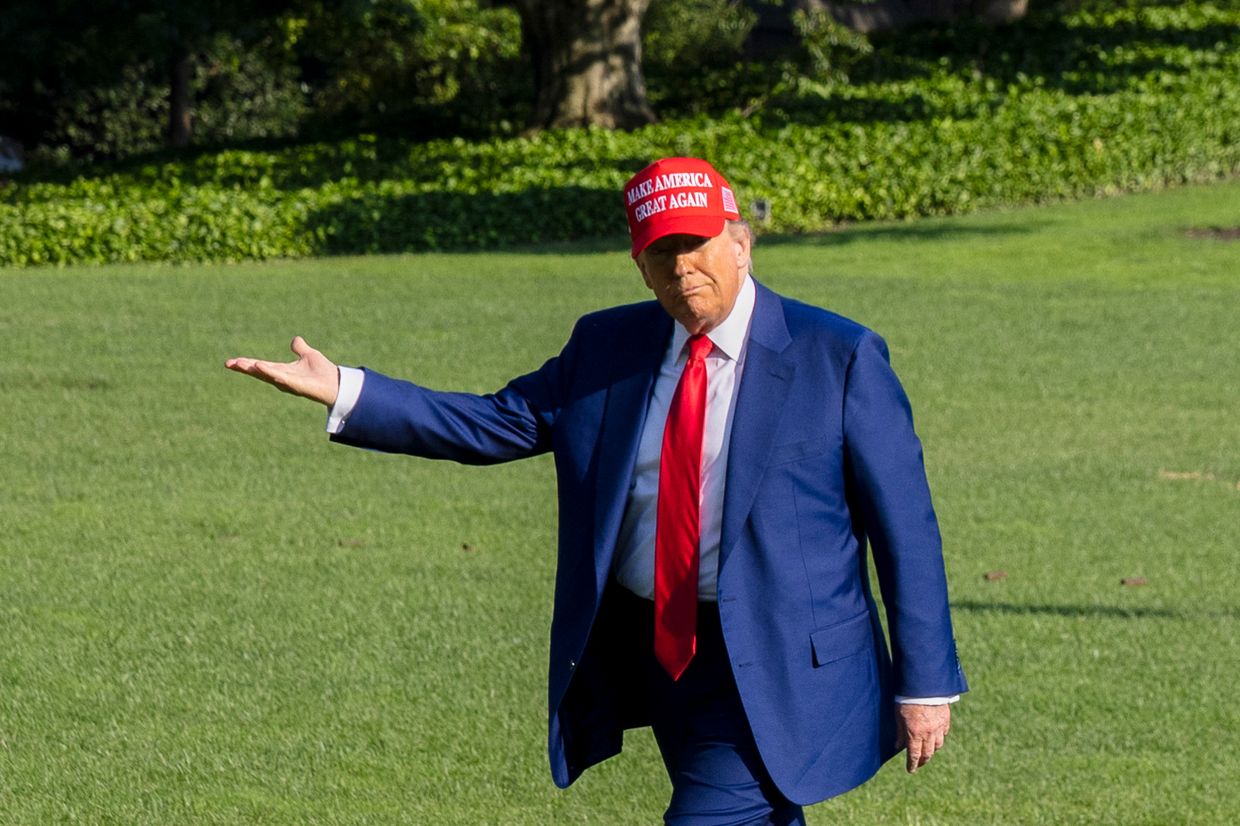
A majority of Europeans would oppose following the U.S.' lead if President Donald Trump pushed Ukraine to cede territories or lifted sanctions on Russia as part of a peace agreement, a new poll published on June 23 has found.

Despite the self-imposed deadline of 100 days to end the war in Ukraine, Trump is now 155 days into his presidency and Russian attacks have only escalated.

Trump has still yet to take any concrete steps to pressure Moscow into ending its war but has floated several concessions that Ukraine could be forced to make including ceding territory, while at the same time announcing no new military aid packages for Kyiv.

The survey, conducted by the European Council on Foreign Relations, found that even in countries with pro-Russian governments like Hungary, more people opposed the idea than supported it.

Respondents in 12 countries (Denmark, Estonia, France, Germany, Hungary, Italy, Poland, Portugal, Romania, Spain, Switzerland and the U.K.) were asked about three scenarios — the U.S. pushing Ukraine to cede territory, lifting sanctions on Russia, and withdrawing all military support.

Majorities in all countries opposed their own governments following the U.S. lead except for Hungary in the case of withdrawing all military support.

Opposition was highest in Denmark, the U.K., Poland, Spain and Portugal, and lowest in Hungary, Romania and Italy.

"A benevolent interpretation is that Europeans support an autonomous European policy to support Ukraine and they don’t want to blindly follow Trump’s lead," the report's authors said.

"But another reading of that data is that Europeans want Ukrainians to continue fighting on their behalf."

The wide-ranging survey also asked about attitudes to increasing defense spending and compulsory military service.

Majorities supported increased defense spending in Poland (70%), Denmark (70%), and the U.K. (57%), with large minorities in Germany (47%), Spain (46%), and France (45%).

When asked about compulsory military service, France (62%), Germany (53%), and Poland (51%) were the strongest supporters but crucially, not in the age bracket most likely to be called up — 18 to 29-year-olds.

Europeans are also becoming increasingly despondent about the U.S. under the leadership of Trump, with large majorities in the U.K. (74%) and Germany (67%) believing the U.S. political system is "broken."

The ECFR poll surveyed 16,440 adults last month.

‘Let’s not be naive’ — Rutte urges NATO to face Russia, China threats, pledges support for Ukraine
NATO Secretary General Mark Rutte said NATO’s role is to ensure Ukraine has the military means to stay in the fight until “serious” peace negotiations begin.
Europeans oppose following Trump if he pushes Ukraine to cede territory, lift Russia sanctions, poll findsThe Kyiv IndependentAnna Fratsyvir
Europeans oppose following Trump if he pushes Ukraine to cede territory, lift Russia sanctions, poll finds
❌