❌

Vue normale

Ukraine’s Mirage had killed a cruise missile on its first combat sortie. France just sent more of the missiles that reach 80 km

25 septembre 2026 à 09:42

Ukraine and France military chevrons

France delivered additional MICA air-to-air missiles and 30mm cannon ammunition for Ukraine's Mirage 2000 fighter jets, Militarnyi reported, citing France's Armed Forces Ministry.

Delivering an aircraft is one step, keeping it armed is another. France's weapons resupply reflects a shift from one-off hardware transfers to sustained combat support as Russia's aerial campaign against Ukrainian cities grinds on.

What MICA does

The MICA, developed by MBDA, comes in two versions: radar-guided (MICA RF) and infrared (MICA IR). It weighs about 112 kg, flies at Mach 4.9—nearly five times the speed of sound—and can engage targets 60 to 80 km away.

Ukraine's Mirages have also carried older Magic 2 missiles limited to roughly 20 km. MICAs were reportedly included with the original donation, but the supply may have been limited, which would explain why the Magic 2s stayed in use. MICA triples to quadruples that engagement window, letting pilots intercept cruise missiles far earlier in their flight path. The fresh delivery keeps Ukraine's small fleet supplied with the missiles that make these longer-range interceptions possible.
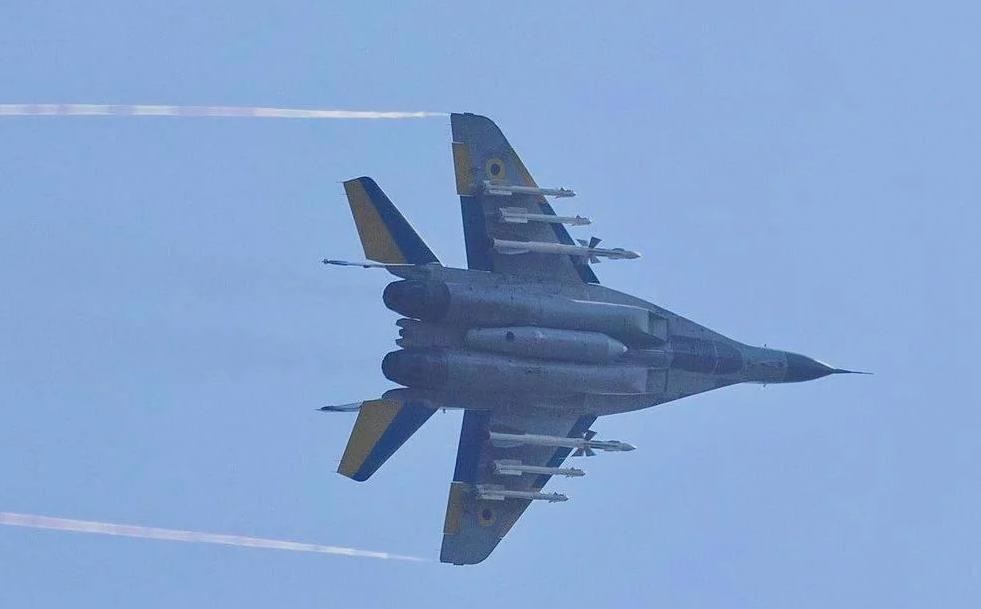
MiG-29 with R-27s and R-73s.
Explore further

Ukraine is running short of its best missiles for hunting Russia’s jet drones. Now MiG-29s are firing 1970s weapons

Cheap shells for cheap drones

The 30mm ammunition feeds the Mirage's two built-in DEFA 554 cannons, which fire at a selectable rate of 1,200 or 1,800 rounds per minute. A pilot who uses the gun on a Shahed drone saves a MICA for a target that actually needs one.

Ukraine's F-16 operations follow a similar logic: pilots use their 20mm Vulcan cannons alongside AIM-9 and AIM-120 missiles, though Zelenskyy called the missile option expensive—used when nothing else can reach a jet drone, because "a human life is more important."

A Ukrainian Mirage 2000 shot down a Russian Kh-101 cruise missile during its very first combat mission, on 7 March 2025. France has delivered about a dozen modified Mirage 2000-5F jets since February 2025, and the fleet is still growing.
  • ✇Euromaidan Press
  • Russia’s secret drone math: one Tatarstan plant could yield 28,000 more drone bodies a year
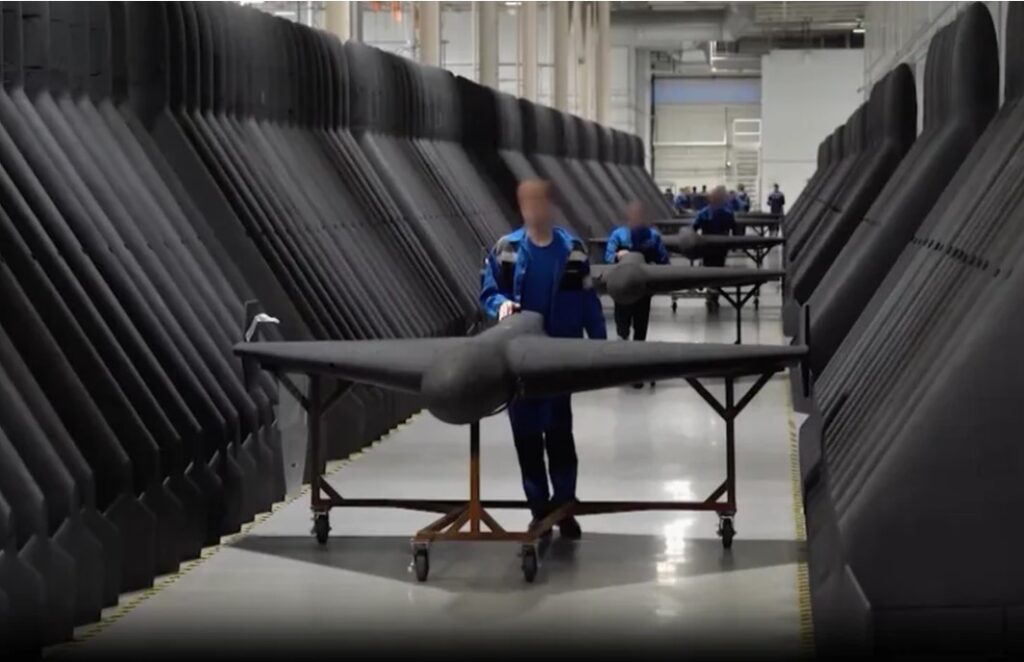
    Russia is quietly moving to expand the capacity of the plant behind its long-range attack drones, a step that could sharply raise how many it launches at Ukraine, according to Politico. The plan turns on a single carbon fiber factory in Russia's Tatarstan region and runs to the end of the decade. These files add something narrower than Russia's known intent to fight on: they identify carbon fiber as a critical material capping how many drones it can build. To break that cap, the Kremli
     

Russia’s secret drone math: one Tatarstan plant could yield 28,000 more drone bodies a year

21 septembre 2026 à 09:31

axios cuba has acquired over 300 russian iranian military drones · post russia's drone factory tatarstan shahed_plant alabuga video ukraine news ukrainian reports

Russia is quietly moving to expand the capacity of the plant behind its long-range attack drones, a step that could sharply raise how many it launches at Ukraine, according to Politico. The plan turns on a single carbon fiber factory in Russia's Tatarstan region and runs to the end of the decade.

These files add something narrower than Russia's known intent to fight on: they identify carbon fiber as a critical material capping how many drones it can build. To break that cap, the Kremlin is funding production lines that will not run until the decade's end—a bet on winning by out-building Ukraine, even as the strikes grind on.

The bottleneck Russia wants to break

Politico obtained internal documents from Russian state nuclear corporation Rosatom showing its Alabuga-Volokno plant would add 500 tons of military-grade aerospace carbon fiber a year by 2029. Rosatom declined to comment. Weapons expert David Albright, who heads the Institute for Science and International Security, estimated that volume could yield airframes for about 28,000 more attack drones a year—a 78% jump.

Ukraine already estimates Russia can build more than 36,000 Shahed/Geran kamikaze drones a year. Carbon fiber is the choke point: it keeps the airframes light and strong, and Russia has no cheap substitute.

"Without the carbon fiber, they can't make the drone. Can't substitute for the carbon fiber in the drone and keep its weight down," Albright said.

Moscow is investing in the raw material, not just more assembly halls—the fiber, not floor space, is what caps output.

Ground already cleared in Tatarstan

Documents gathered by the Ukrainian Security and Cooperation Center describe a new factory on the site designed to produce UMT42S-3K aerospace-grade fiber. Satellite images from May to July show land cleared for construction. Albright's own August imagery shows foundations going in. He said the stated 2027 completion date "requires rapid construction." Russia has spent the past year adding new assembly halls at the same site.

The plant and its parent, Rosatom's Umatex Group, already sit under US, UK, and other Western sanctions. The US House Select Committee on China and the Ukrainian government both verified the documents, officials told Politico.

The push comes as Russia leans harder on jet-powered Shaheds, which Ukraine's Air Force says are hard to down with conventional defenses. Kyiv has fielded its first jet interceptor and tested a new one in September—but the plant is a bid to out-build those defenses faster than Ukraine can scale them.

❌