Vue normale

Poland expects Russia to target border crossings as attacks on Ukraine escalate – Russia has already hit crossings with Moldova and Romania
10 septembre 2026 à 13:26

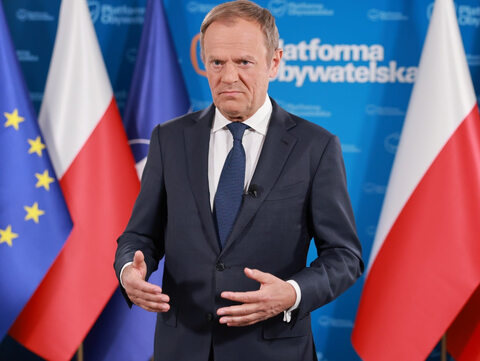
Polish Prime Minister Donald Tusk

Poland expects Russia to target border crossings with Ukraine as Moscow expands its strikes on trade and logistics routes far from the front line, Polish Prime Minister Donald Tusk said on 10 September, according to Reuters.

The warning comes after Russia has already struck at least five Ukrainian border crossings with Moldova and NATO member Romania since late August. The attacks mark a significant escalation in Russia’s targeting of Ukraine’s civilian transport, trade, and logistics infrastructure, far from the front line.

“Last night, thanks to cooperation between our services and their Ukrainian counterparts, a direct threat to one of the border crossings was averted,” Tusk said at a press conference in Bratislava, according to Reuters.

He said Poland expected Russia to take similar action against border crossings in other countries, including Poland.

Russia has significantly ramped up its aerial attacks across Ukraine in recent months, increasingly striking civilian transport, energy, industrial, and logistics infrastructure while deploying newer and more capable weapons. The expanded use of drones and missiles has also made these attacks harder to stop, allowing Russia to hit targets farther from the front line with greater frequency and inflict more damage and casualties.

Russia is striking Ukraine’s civilian travel and logistics routes

The Russian attacks have targeted crossings in Ukraine’s southern Odesa Oblast, hundreds of kilometers from the front line.

Four of the crossings hit since late August are on Ukraine’s border with Moldova, while another is on the Romanian border. The sites handle civilian traffic, trade, and logistics that have become increasingly important to Ukraine as the war continues.

On 9 September, Russian drones struck the Starokozache crossing with Moldova, killing two civilians and injuring three others. During the attack, one Russian drone entered Moldovan airspace and flew toward Romania, prompting NATO aircraft conducting air-policing duties to scramble.

Russian drones also struck the Orlivka ferry crossing on the Romanian border twice in early September.
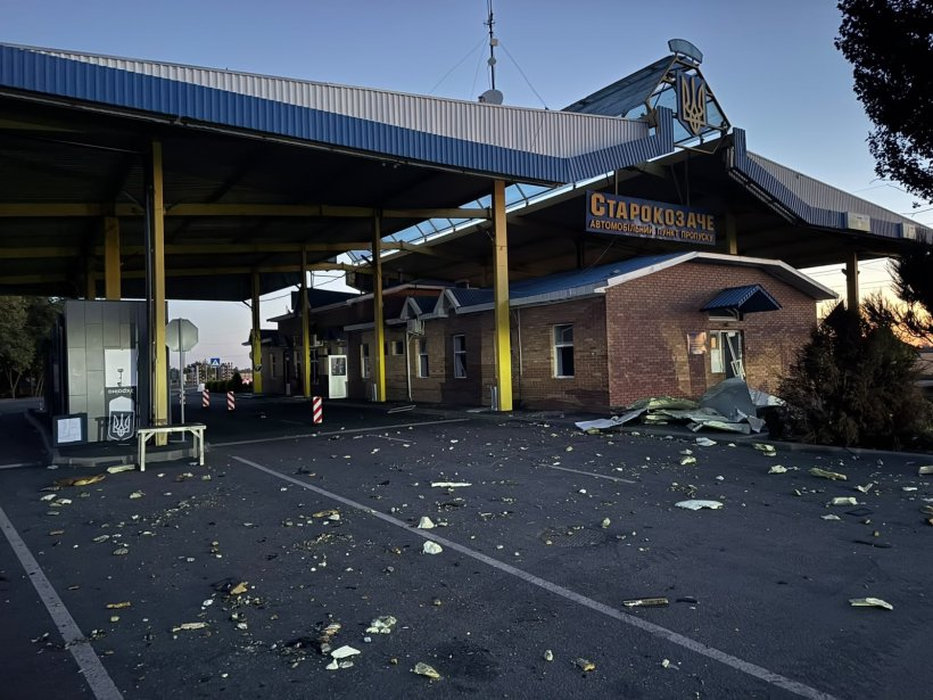
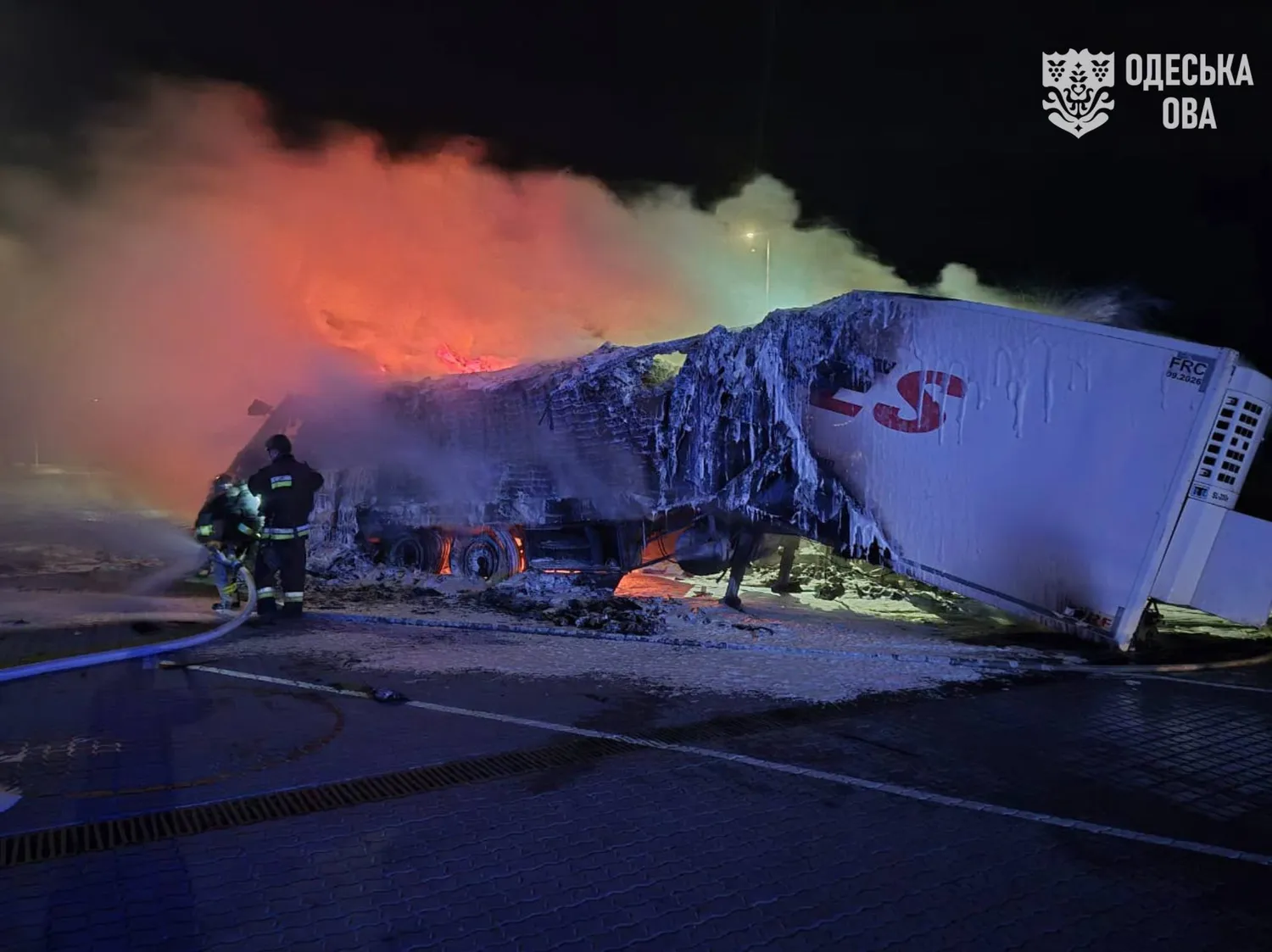
The Ukrainian Starokozache border crossing near Moldova, targeted by a Russian attack, September 2026. Photo: Odesa Oblast Military Administration / Telegram
Firefighters stand beside two burned truck trailers covered in ice as smoke and orange firelight fill the night sky.
Explore further

Far from any front line: Russia has hit at least five of Ukraine’s western border crossings with Moldova and NATO member since late August

Poland prepares for further escalation

Tusk said he had received a “fairly precise report” from the CIA about possible developments in the coming months, which he said aligned with warnings he had made previously.

“Poland and all of Europe need to be prepared for different possibilities,” Tusk said, including developments not only on the Russian-Ukrainian front but also along the EU’s eastern flank.

The warning comes as Russian strikes increasingly reach toward Ukraine’s borders with NATO and EU countries. The drone incursions into Moldovan and Romanian airspace during attacks on Ukrainian infrastructure have already brought NATO forces into the response.

The latest attacks represent a broader shift in Russia’s targeting: Moscow is not only striking Ukraine’s cities and military infrastructure, but increasingly hitting the trade, transport, and civilian logistics routes that keep the country functioning during the war.

  • ✇Euromaidan Press
  • Russia’s shadow war on Europe is widening—NATO still sees no attack coming
    NATO said on 30 August 2026 it sees no imminent threat of attack from Russia, Reuters reported. Russia is stepping up covert operations across Europe alongside its war on Ukraine, a NATO official said. The statement followed a week of warnings from Western capitals. Russia's sabotage campaign in Europe has grown steeply since the full-scale invasion, reaching from Molotov cocktails thrown at a French drone plant to severed undersea cables and attacks on railways. Record
     

Russia’s shadow war on Europe is widening—NATO still sees no attack coming

31 août 2026 à 04:31

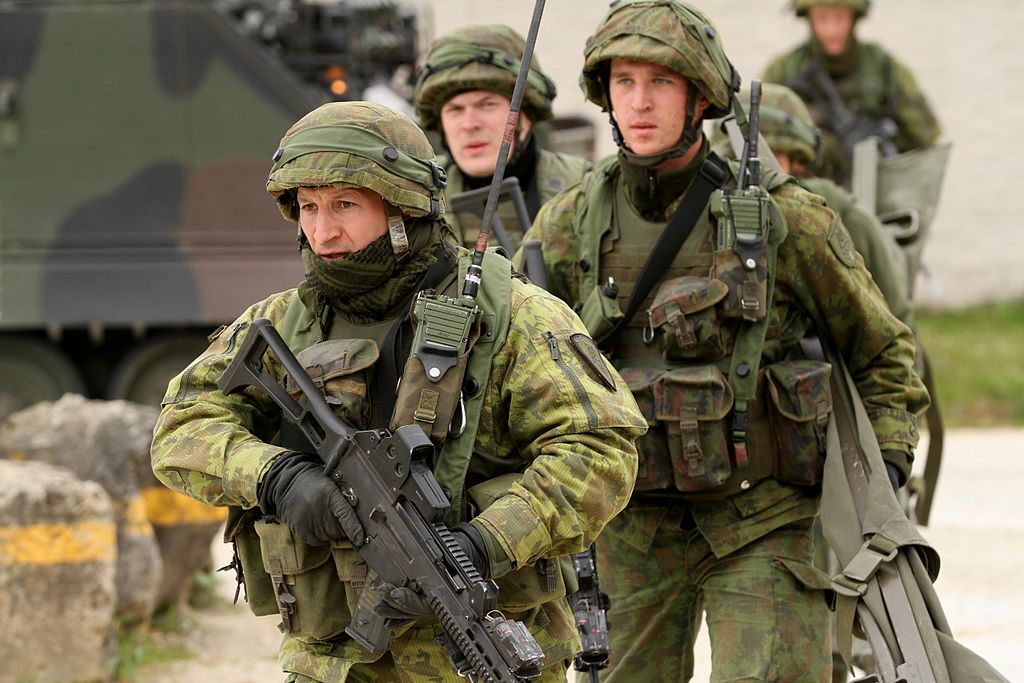
Lithuanian soldiers of the Iron Wolf Mechanized Infantry Brigade during Combined Resolve II NATO exercise in Germany

NATO said on 30 August 2026 it sees no imminent threat of attack from Russia, Reuters reported. Russia is stepping up covert operations across Europe alongside its war on Ukraine, a NATO official said. The statement followed a week of warnings from Western capitals.

Russia's sabotage campaign in Europe has grown steeply since the full-scale invasion, reaching from Molotov cocktails thrown at a French drone plant to severed undersea cables and attacks on railways. Recorded attacks in Europe hit 34 in 2024, nearly triple the 12 counted a year earlier by the Center for Strategic and International Studies, which says Western states have yet to build an effective answer to a campaign pitched below the threshold that would trigger a military response.

Attacks on Ukraine and covert acts in Europe are both rising

Russia is attacking Ukraine harder and running more covert operations in Europe at the same time, the official said.

"Even as the Russians are facing very substantial resistance from Ukraine, they are stepping up attacks on Ukraine as well as hybrid acts in Europe," the official said, adding: "As always, NATO remains vigilant and alert to the variety of threats we face. At this time, we see no imminent threat of attack."

Hybrid acts mean covert moves—sabotage, arson, drone flights—that stop short of open war.

A week of alarms

Three developments that week bore on the same question—whether Russia would strike a NATO country, not only Ukraine. Polish Prime Minister Donald Tusk warned on 28 August that Russia is preparing to escalate both in Ukraine and across the region, putting the critical window at seven or eight months.

Days earlier, CIA Director John Ratcliffe flew to Moscow to meet intelligence counterparts. Two people familiar with the meeting told Reuters that Ratcliffe did raise the prospect of Russia acting against a NATO state, though whether the trip had any other aim stayed unclear. One source said several topics came up, including Russia's support for Iran. US President Donald Trump dismissed that reading two days later, saying Russian President Vladimir Putin will not attack NATO territory and that Ratcliffe carried no message.

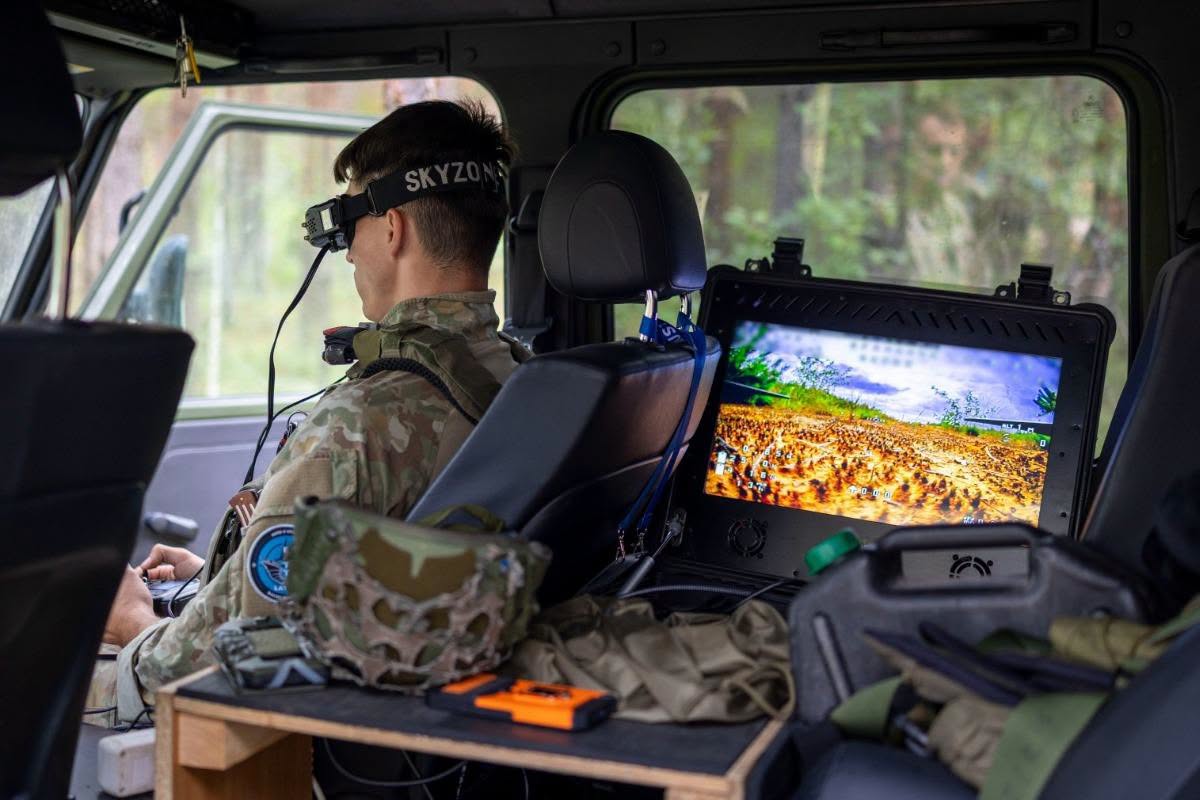
Ukrainian soldiers at NATO's Baltic Trust 2026 exercise in Latvia. Source: NATO
Explore further

650 participants from 24 countries: Ukraine brings its battle-tested drone-defense experience to NATO’s Baltic Trust 2026 exercise

On 25 August, German Chancellor Friedrich Merz said at a coalition summit that his government will soon name who was behind the 4 August drone attack attempt at Leipzig/Halle airport. Russia denies any role in sabotage on European soil and dismisses such accusations as Western scaremongering.

After CIA head’s visit to Moscow, Poland’s PM warns Russia is preparing to escalate war. He puts critical window at seven or eight months

29 août 2026 à 10:50

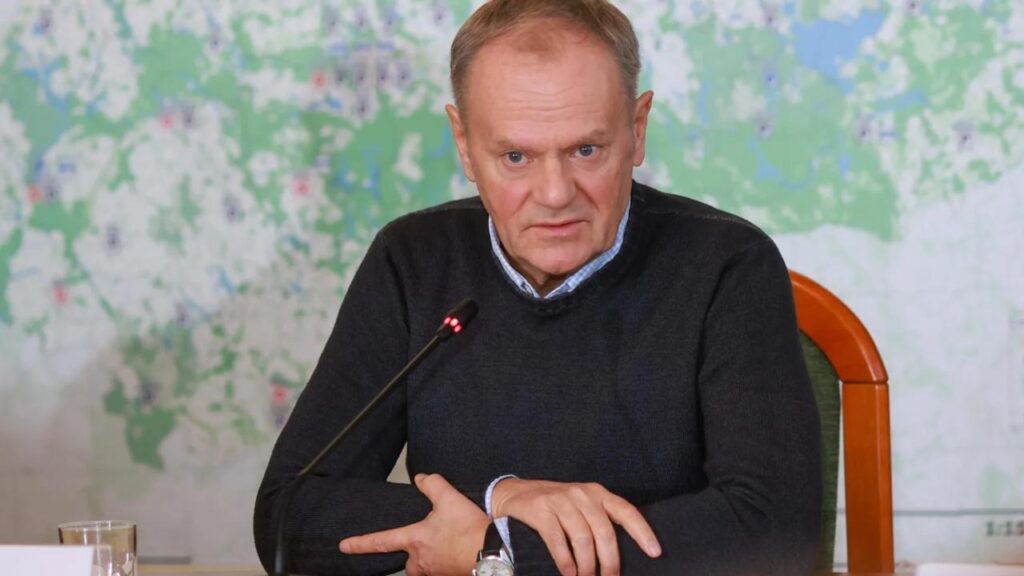
tusk polish prime minister

Poland's prime minister says the next seven or eight months could decide the region's security. Donald Tusk said there are signs of serious Russian preparations to escalate tensions, both in the war against Ukraine and across the region, according to Ukrinform.

Tusk's warning follows weeks of similar alarms from the countries on NATO's eastern edge. Lithuanian President Gitanas Nausėda said on 15 July that intelligence pointed to possible Russian strikes on critical infrastructure in the Baltic states or Poland, according to Defense News.

Poland is the main transit route for Western military aid to Ukraine, which makes its security inseparable from Ukraine's. Tusk himself said in July that Russia could be ready for a confrontation with Europe as early as 2027.

The CIA visit was not the whole of it

At the meeting, reporters asked Tusk about the recent visit of CIA Director John Ratcliffe to Moscow. Poland is in constant contact with the agency's leadership and was not caught off guard by news of Ratcliffe's activity, he said.

Some security information must stay confidential, Tusk added, but that does not mean the public should be deprived of information about the most important threats.

The signals go beyond one trip

The matter is no longer only the CIA director's visit to Moscow, Tusk said. Over recent weeks, numerous public signals have pointed to Russian preparation for escalation.

Russia is very seriously preparing to escalate tensions, both in the war with Ukraine and across the whole region, and that for Russia this fall and winter are meant to be key, he claimed.

Moscow states its aims openly

Some Russian figures have described the war's purpose in plain terms. This week, State Duma vice-speaker Pyotr Tolstoy said Russia views Ukraine as a "territory" that would allow Moscow to export its energy to Europe via a short route, not as a sovereign country.

Tolstoy, whom the EU sanctioned in 2022 as a central figure in Russian state propaganda, also called for massed bombing of Ukrainian cities to break the population into surrender. His remarks are one more public signal of the kind Tusk pointed to.

❌