Skyeton Prevail Solutions, a joint venture between Ukrainian drone manufacturer Skyeton and U.K.-based defense company Prevail Solutions, will manufacture and supply Raybird drones in the U.K., the two companies announced on July 2."Skyeton — a Ukrainian unmanned aircraft systems company with 19 years of engineering pedigree, and Prevail Partners — a leading U.K. defense and security company, announced a joint venture to fast-track the volume manufacture, supply, and support for the integration
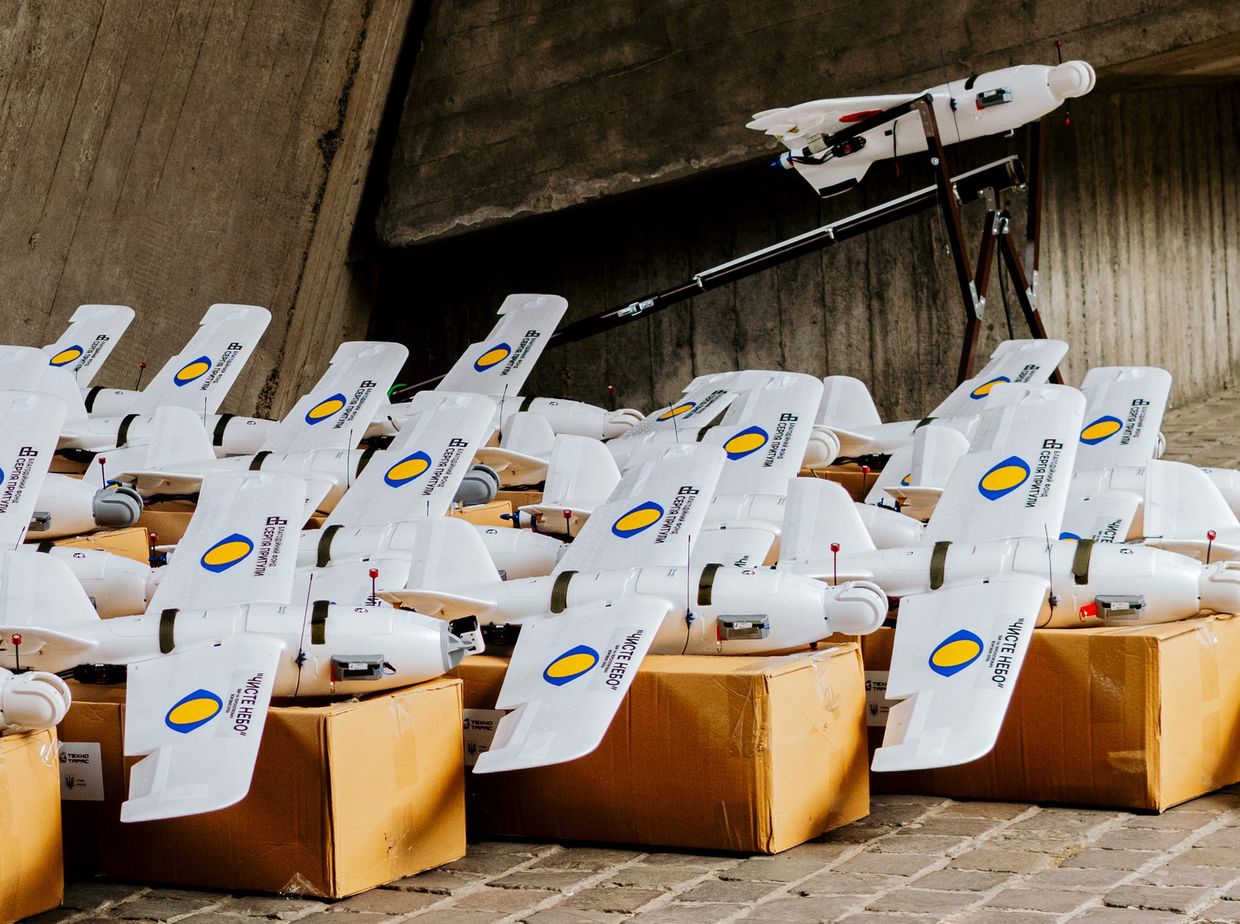
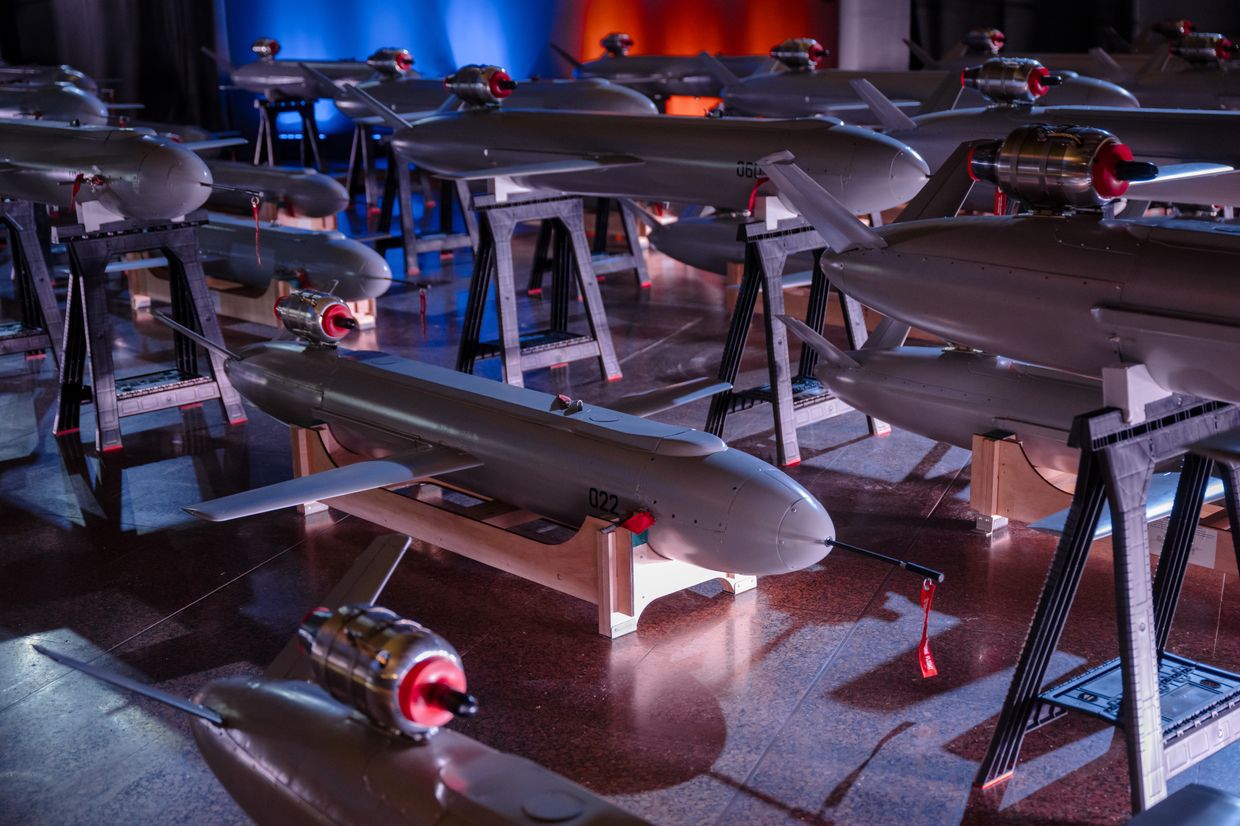
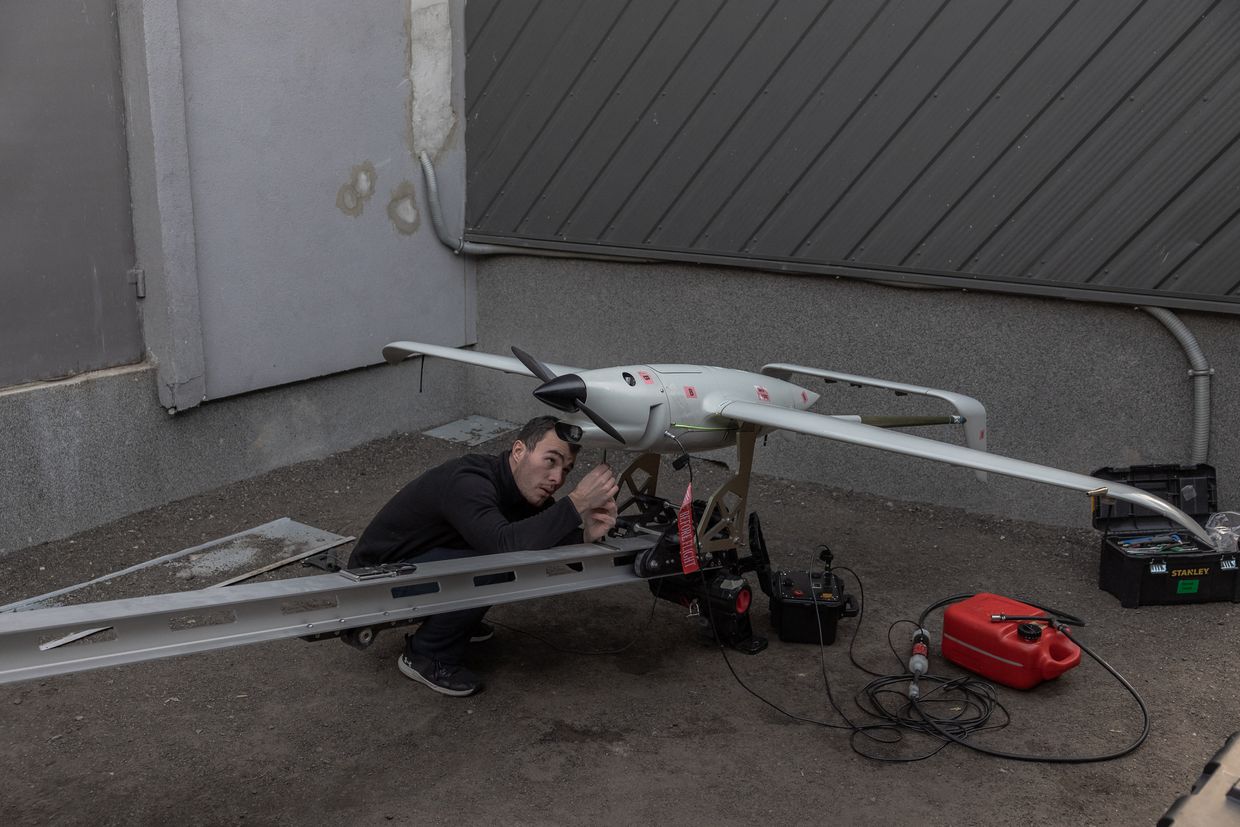
Skyeton Prevail Solutions, a joint venture between Ukrainian drone manufacturer Skyeton and U.K.-based defense company Prevail Solutions, will manufacture and supply Raybird drones in the U.K., the two companies announced on July 2.
"Skyeton — a Ukrainian unmanned aircraft systems company with 19 years of engineering pedigree, and Prevail Partners — a leading U.K. defense and security company, announced a joint venture to fast-track the volume manufacture, supply, and support for the integration of its best-in-class drone into U.K. military applications," a statement by the two companies said.
Ukraine has developed drones that have proven to be effective amid the onset of Russia's full-scale war against Ukraine in February 2022 and Russia's initial invasion of Ukraine in 2014.
President Volodymyr Zelensky and U.K. Prime Minister Keir Starmer met in London on June 23, where the two leaders agreed to an "industrial military co-production agreement."
"The joint venture will scale the availability of Raybird with new manufacturing in the U.K. for both deployment in Ukraine and provide the necessary integration expertise from Prevail Partners for U.K. and other Western militaries," the statement said.
U.K. lawmaker Iain Duncan Smith described the move as an "important step" for U.K. drone production.
Skyeton says its Raybird drone has over 350,000 flight hours and is responsible for billions of dollars in Russian losses.
Ukraine has relied on drones to meet its own defense needs, as foreign military aid has fallen short in supplying necessary weapons and air defenses.
Ukraine provides over 40% of the weapons used to defend the nation's independence against Russia's full-scale invasion, President Volodymyr Zelensky said at the State and Business Forum in Kyiv on June 27. As Ukraine scales up domestic defense production, Zelensky has been lobbying foreign partners to provide funding to help match its manufacturing capacity. The government and Ukrainian businesses now provide more than 40% of the weapons the country uses in its fight against Russia, Zelensky sai
Ukraine provides over 40% of the weapons used to defend the nation's independence against Russia's full-scale invasion, President Volodymyr Zelensky said at the State and Business Forum in Kyiv on June 27.
As Ukraine scales up domestic defense production, Zelensky has been lobbying foreign partners to provide funding to help match its manufacturing capacity.
The government and Ukrainian businesses now provide more than 40% of the weapons the country uses in its fight against Russia, Zelensky said. Business-driven innovations in technology have helped Ukraine on the battlefield, particularly in drone development.
"Thanks to Ukrainian entrepreneurship and all the conditions we have created as a state, a new sector of our domestic manufacturing has emerged and immediately become one of the world’s most advanced — the production of drones of various types," Zelensky said.
"Hundreds of companies are now involved in weapons production in one way or another."
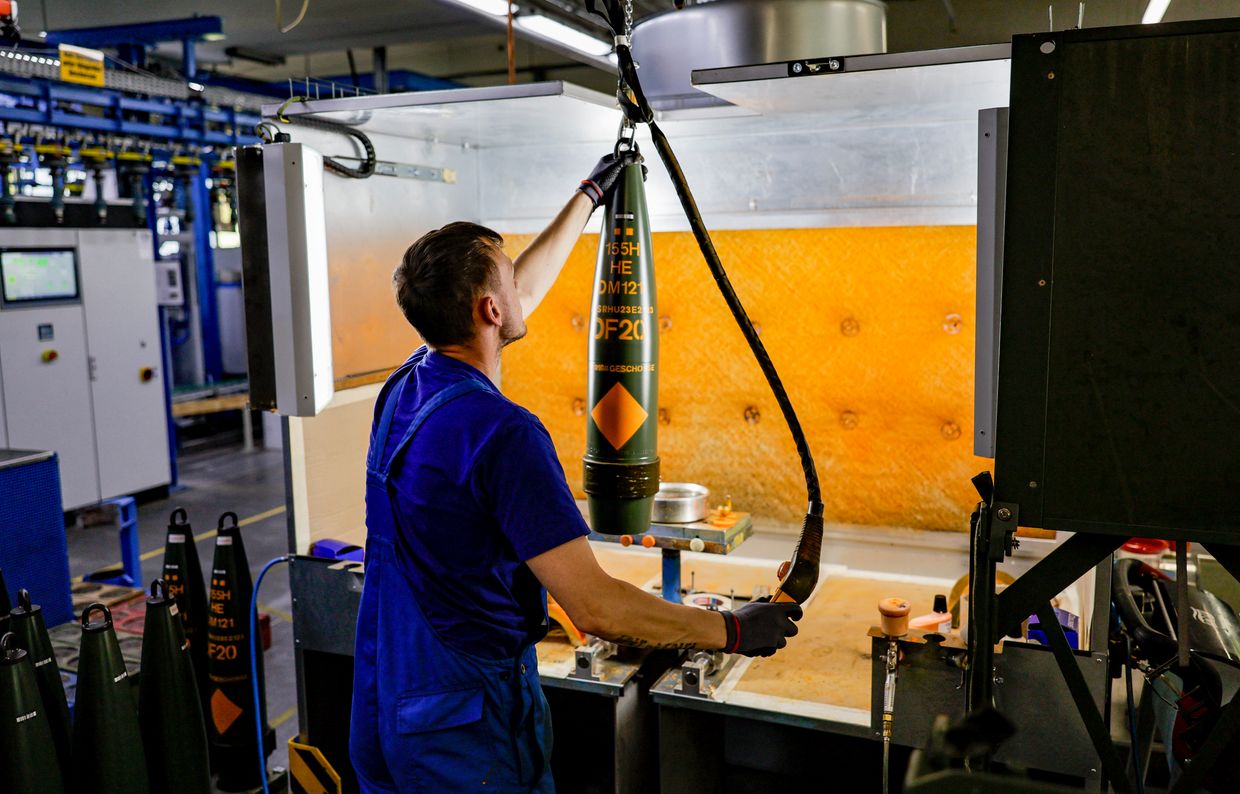
Zelensky's comments come a day after Defense Minister Rustem Umerov reported that Ukrainian companies have increased their industrial capacity in order to produce four million drones a year.
At the NATO summit in The Hague on June 24, Zelensky said Ukraine could potentially produce as many as eight million drones per year, but lacks the financial backing to achieve its full capacity. During the summit, Ukraine signed agreements on joint weapons production with the U.K. and Denmark in an effort to bridge the gap between Kyiv's capacity and current funds.
Ukraine has rapidly developed its drone capabilities since 2022, evolving from modifying commercial aircraft to producing military UAVs, attack drones, and reconnaissance systems at scale.
Ukrainian companies have increased their industrial capacity to produce four million drones a year, Defense Minister Rustem Umerov said at a June 26 press briefing.The statement comes as Ukraine seeks to increase domestic arms production amid uncertainty over further U.S. support and reduced dependence on supplies from European partners.Ukrainian manufacturers will supply four million drones to the front line this year, while the Ukrainian army has already received up to 1.5 million drones as of
Ukrainian companies have increased their industrial capacity to produce four million drones a year, Defense Minister Rustem Umerov said at a June 26 press briefing.
The statement comes as Ukraine seeks to increase domestic arms production amid uncertainty over further U.S. support and reduced dependence on supplies from European partners.
Ukrainian manufacturers will supply four million drones to the front line this year, while the Ukrainian army has already received up to 1.5 million drones as of the end of June, according to Umerov.
The minister said that brigades made many requests for direct funding last year, with a commitment secured for 2025. The government is currently allocating Hr 2.5 billion ($60 million) per month for direct procurement teams, he added.
In the meantime, Umerov said that not all brigades spend money due to a lack of procurement specialists, so the Defense Procurement Agency (DPA) launched the DOT Chain Defense marketplace for Ukrainian soldiers
"The teams see a 'marketplace' of drones: each team orders what it needs, and the healthcare organization pays for it. This way we significantly reduce all the bureaucracy, and the teams get what they need ten times faster," Umerov said.
Russian drone strikes across Ukraine have been breaking records in recent weeks, with nearly 500 drones and missiles launched overnights.
Since the start of Russia’s full-scale invasion, Ukraine has focused heavily on developing and deploying advanced unmanned systems. As of April 2025, more than 95% of drones used by Ukrainian forces on the front line are domestically produced.
Both Ukraine and Russia have increasingly relied on drone warfare, employing aerial, naval, and ground-based drones for reconnaissance and combat operations – making technological innovation a critical component of the war.
A key military-industrial site in the Russian city of Taganrog linked to Moscow's production of combat drones and electronic warfare systems was damaged overnight, a Ukrainian official said on June 25, amid Russian reports of Ukrainian drones targeting the area."Something unknown flew into the Atlant-Aero plant in Taganrog," Andrii Kovalenko, head of the counter-disinformation center at Ukraine's National Security and Defense Council said. "This is an important node in the Russian military-indu
A key military-industrial site in the Russian city of Taganrog linked to Moscow's production of combat drones and electronic warfare systems was damaged overnight, a Ukrainian official said on June 25, amid Russian reports of Ukrainian drones targeting the area.
"Something unknown flew into the Atlant-Aero plant in Taganrog," Andrii Kovalenko, head of the counter-disinformation center at Ukraine's National Security and Defense Council said.
"This is an important node in the Russian military-industrial complex, specializing in components for combat drones and control systems."
Kovalenko said the plant is involved in the production of "Orion" drones, electronic warfare complexes, and digital integration systems for strike FPV (first person view) drones and loitering munitions.
Russian authorities reported a wave of overnight Ukrainian drone attacks across multiple regions, including Rostov, which borders eastern Ukraine. Russia's Defense Ministry said its forces shot down 40 Ukrainian drones over several areas, including the Crimean Peninsula and seven over the Rostov region.
Rostov Governor Yuri Slyusar said on Telegram that while there were no casualties, the strikes allegedly caused a fire at a sports complex and damaged a high school and two residential buildings in Taganrog. In nearby Azov, a grain warehouse and industrial facility were hit, he added, without providing further detail.
The Kyiv Independent could not verify the claims.
Throughout Russia's full-scale invasion, Ukraine and Russia have extensively invested in dronetechnology, revolutionizing the way wars are fought.
Ukraine has ramped up its domestic drone production and long-range strike capabilities as it seeks to weaken Russian military infrastructure deep behind enemy lines. Earlier in June, Ukrainian drones targeted long-range Russian bombers in an operation dubbed "Spiderweb."
Russia has escalated its missile and drone attacks on Ukrainian cities, launching hundreds of drones during overnight assaults. Since February 2022, Moscow has launched 28,743 Shahed-type drones at Ukraine
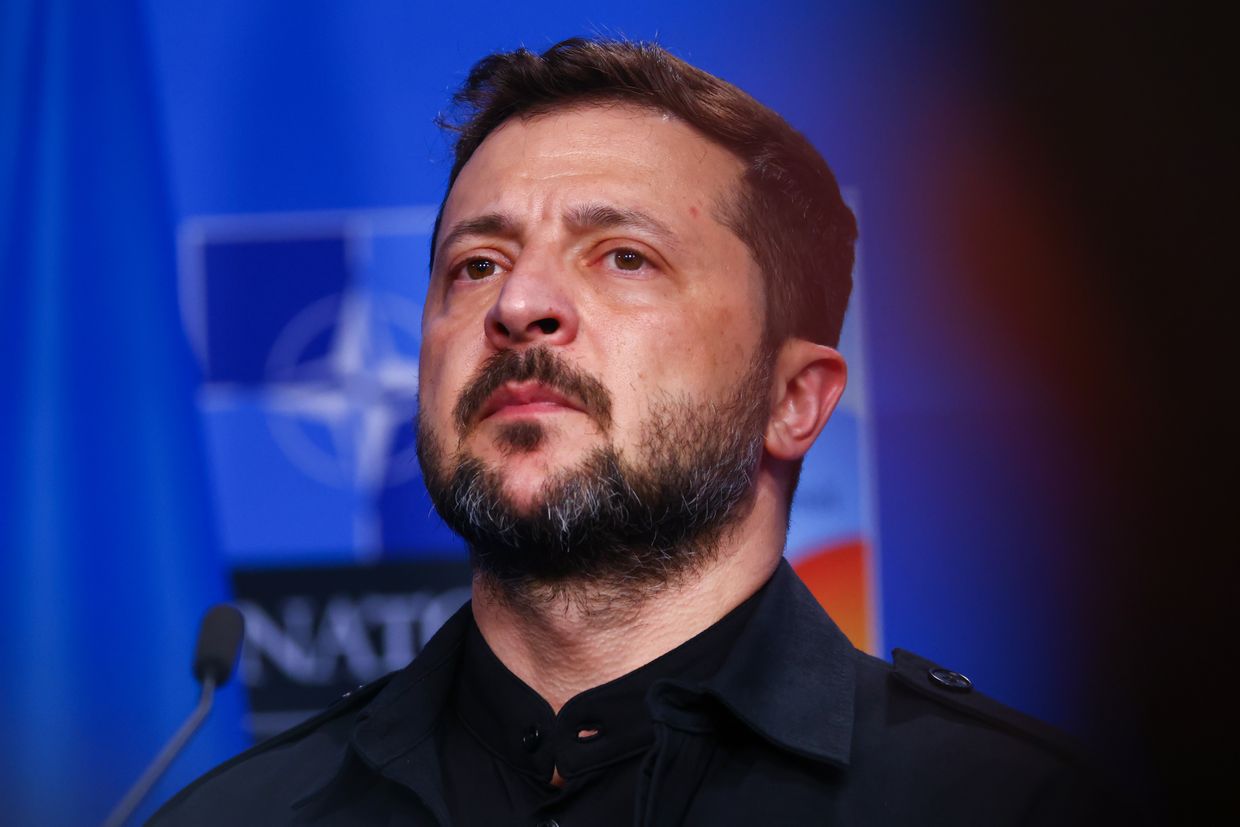
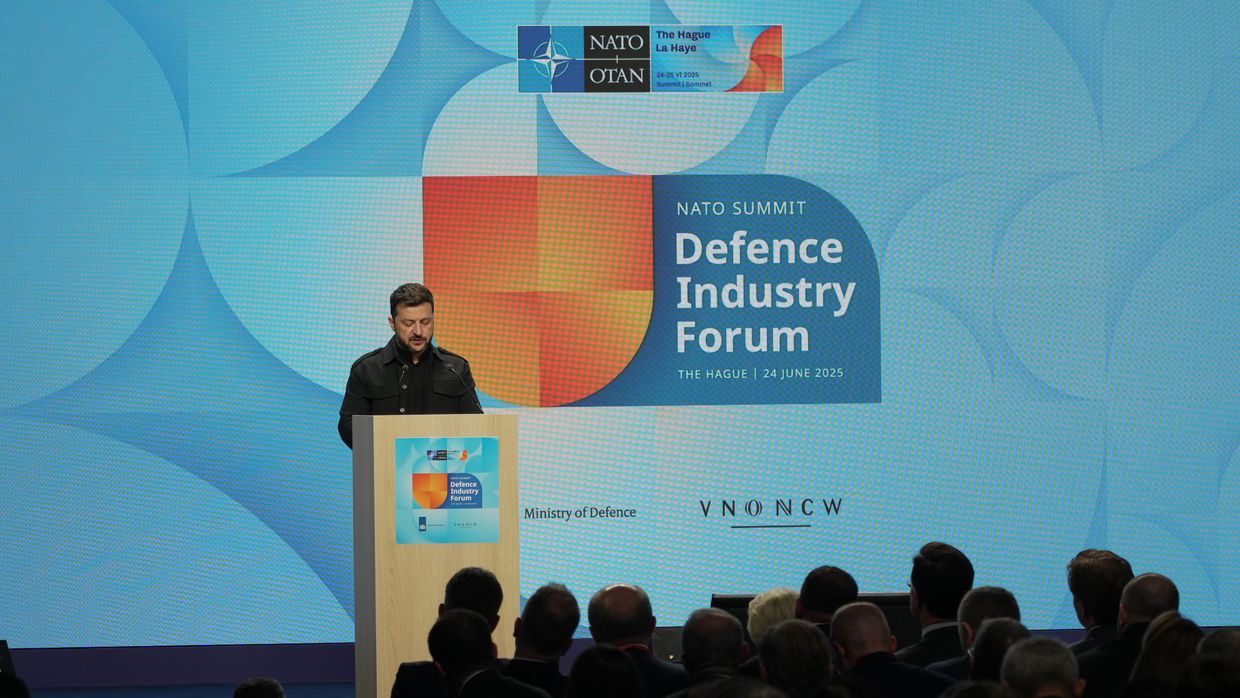
Speaking at the NATO Defense Industry Forum in The Hague on June 24, President Volodymyr Zelensky said Ukraine can produce over 8 million drones of various types each year. He called for an increased investment from the allies to reach that potential.
President Volodymyr Zelensky said during NATO summit on June 24 that Ukraine has the capacity to produce over 8 million drones of various types each year, but lacks the financial backing to reach that potential, a shortfall he said must be urgently addressed to defeat Russia's growing military network."Our defense production potential has surpassed $35 billion,” Zelensky said during a speech at the NATO Defense Industry Forum in The Hague. "This includes nearly 1,000 types of products... but aro
President Volodymyr Zelensky said during NATO summit on June 24 that Ukraine has the capacity to produce over 8 million drones of various types each year, but lacks the financial backing to reach that potential, a shortfall he said must be urgently addressed to defeat Russia's growing military network.
"Our defense production potential has surpassed $35 billion,” Zelensky said during a speech at the NATO Defense Industry Forum in The Hague. "This includes nearly 1,000 types of products... but around 40% of this potential lacks proper funding. For example, we can produce over 8 million drones of different types each year, but the financing allows for far fewer."
Zelensky urged allies to scale up investments in joint weapons production, including drone technologies, artillery, and interceptors. He argued that Ukraine's defense capabilities are not only key to defending its own territory, but essential to strengthening NATO's long-term security.
"We must lead in the drone race, both in strike drones and interceptors," he said. "Please increase your investments in Ukraine and joint weapons production. All the weapons we produce become part of a new, stronger European defense and security system."
The Ukrainian president emphasized that Russia is not acting alone, but as part of a broader network of state and non-state actors, including North Korea, Iran, and Chinese companies, which support its war effort against Ukraine and pose a long-term threat to Europe.
"The source of this war and the long-term threat to Europe is Russia," Zelensky said. "But in reality, we are not just facing Russia alone. We are facing a network of state and non-state actors."
Zelensky also called on NATO members to increase defense spending to 5% of GDP and to dedicate at least 0.25% of GDP to support Ukraine's military needs directly. He thanked countries such as Germany, Norway, Sweden, and the Netherlands for their elevated commitments, but urged others to follow suit.
Zelensky warned that Russia is planning "new military operations on NATO territory" and that the war in Ukraine must be stopped now to prevent broader European conflict.
"There are no signs that Putin wants to stop this war," Zelensky said. "So long as he kills, he lives. And our intelligence confirms this."
He also appealed for a crackdown on the supply chains that allow Russia to sustain its weapons manufacturing, referring to Western-origin components found in Russian missiles, drones, and armored vehicles.
"It's not just China, also Taiwan. Some of these parts come from European countries and from the United States," Zelensky said. "Every single tool delivered to Russia's defense sector helps prolong the war and is a crime against peace."
Zelensky's speech comes as NATO leaders gather in The Hague for a high-level summit on June 24-25. NATO leaders are expected to discuss raising the alliance's defensespending target to 5% of the GDP, a proposal the U.S. has championed but from which it considers itself exempt.
Ukraine's Defense Ministry has officially approved the new domestically produced unmanned ground vehicle, known as the Termit, for front-line use, the ministry announced on June 21.The tracked robot is a next-generation version of Ukraine's existing ground-based unmanned systems already deployed across the front. These systems have supported operations by transporting supplies, conducting reconnaissance, and carrying explosives in contested areas.Termit, the newest model in the series, features
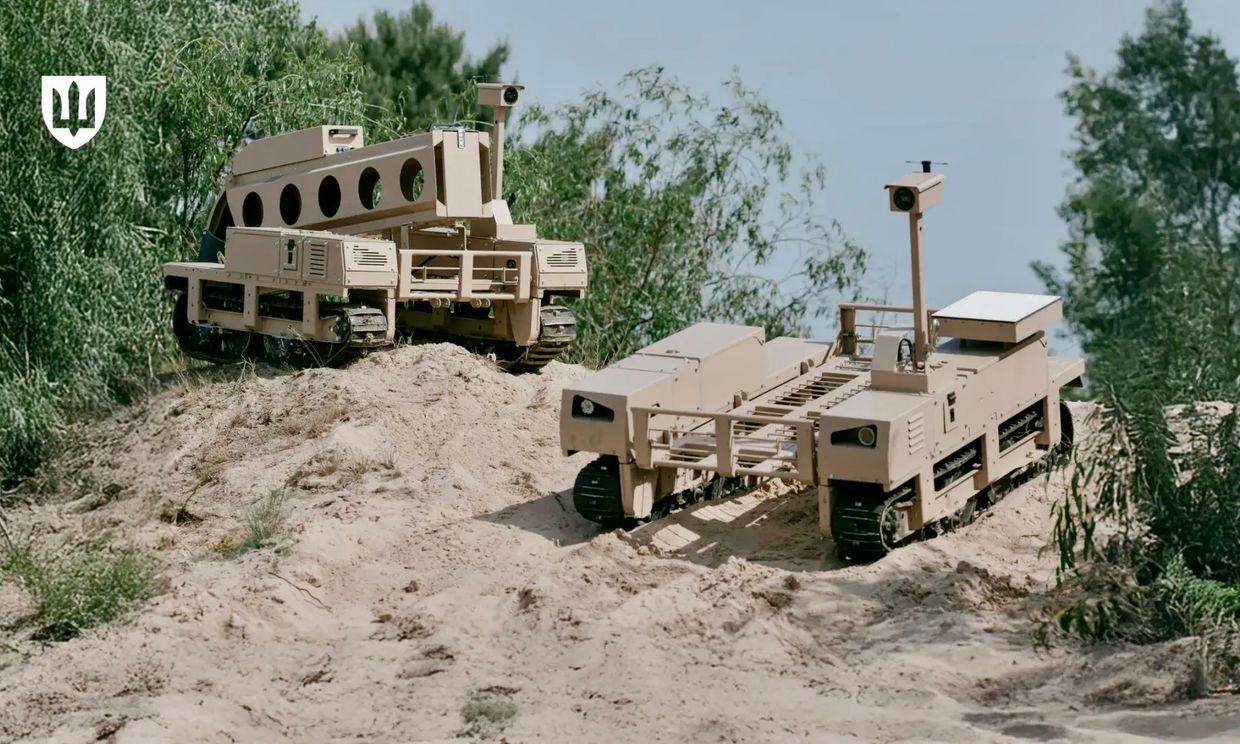
Ukraine's Defense Ministry has officially approved the new domestically produced unmanned ground vehicle, known as the Termit, for front-line use, the ministry announced on June 21.
The tracked robot is a next-generation version of Ukraine's existing ground-based unmanned systems already deployed across the front. These systems have supported operations by transporting supplies, conducting reconnaissance, and carrying explosives in contested areas.
Termit, the newest model in the series, features improved mobility and modularity. The drone can carry up to 300 kilograms and operates on various terrains thanks to its low profile, tracked design, and improved weight distribution.
Its traction battery system allows for several hours of continuous movement over dozens of kilometers. According to the Defense Ministry, Termit drones can be equipped with combat modules, used for medical evacuations, or for transporting specialized equipment as needed.
Ground drones such as Termit are being used more frequently to minimize soldier exposure to front-line risks. Since Russia's full-scale invasion in 2022, Kyiv has prioritized the development of unmanned systems across all domains — air, sea, and land.
President Volodymyr Zelensky has called for the production of at least 30,000 long-range drones in 2025, alongside expanded investment in strike-capable hybrids such as the Palianytsia and Peklo missile-drone platforms.
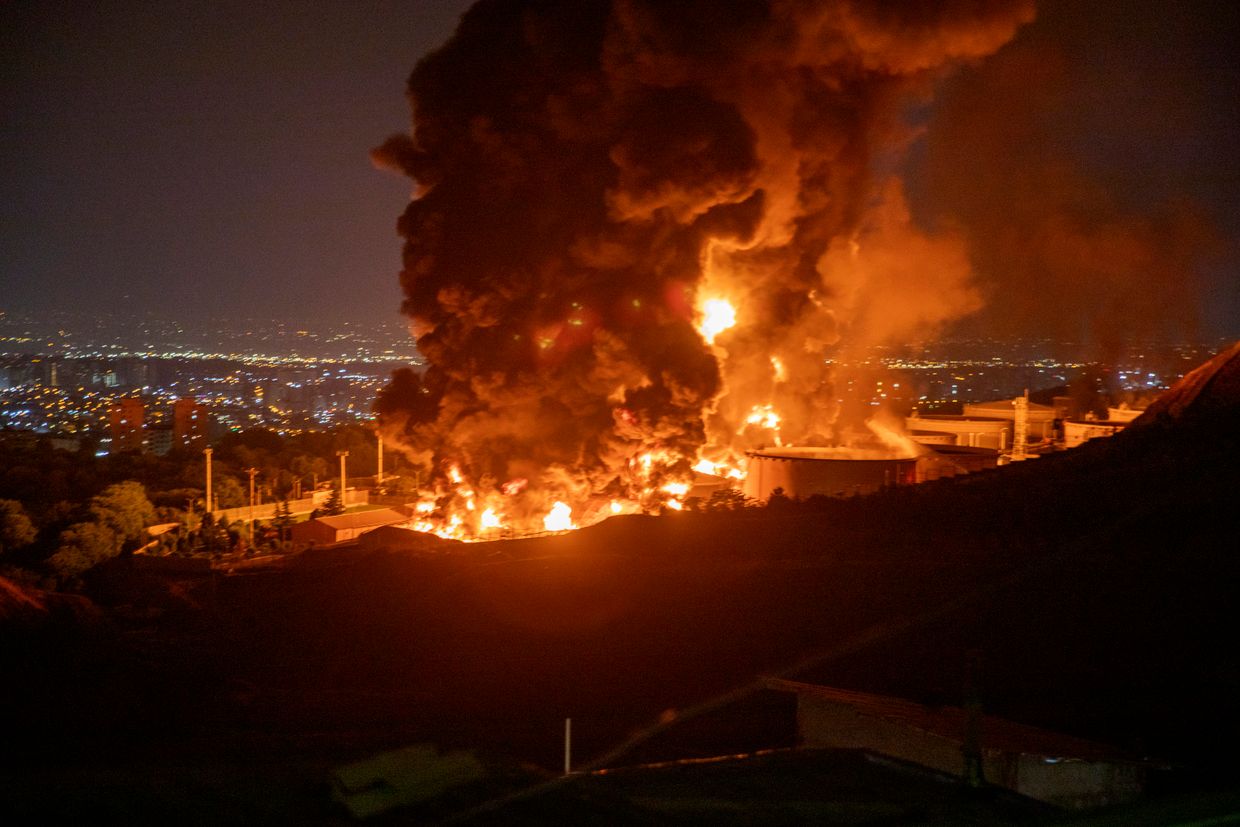
Editor's Note: June 15: This article has been updated to include confirmation of the attack from Ukrainian authorities.Ukraine allegedly launched drones at Russia’s Tatarstan region, killing one and injuring 13, regional governor Rustam Minnikhanov reported on June 15. The Ukrainian drones were reportedly shot down, but the debris fell on a plant in the town of Yelabuga, where Russian Shahed-type attack drones are manufactured, causing a fire.According to Minnikhanov, it was an automobile plant,
Editor's Note: June 15: This article has been updated to include confirmation of the attack from Ukrainian authorities.
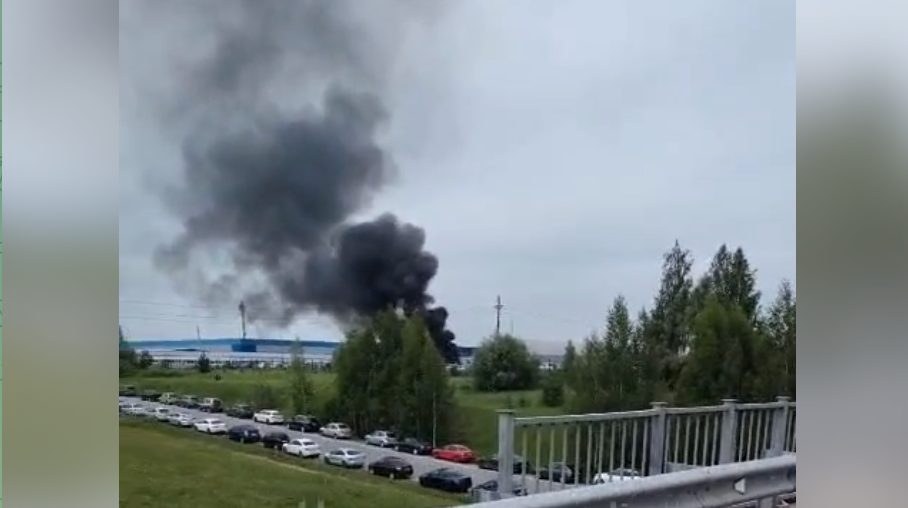
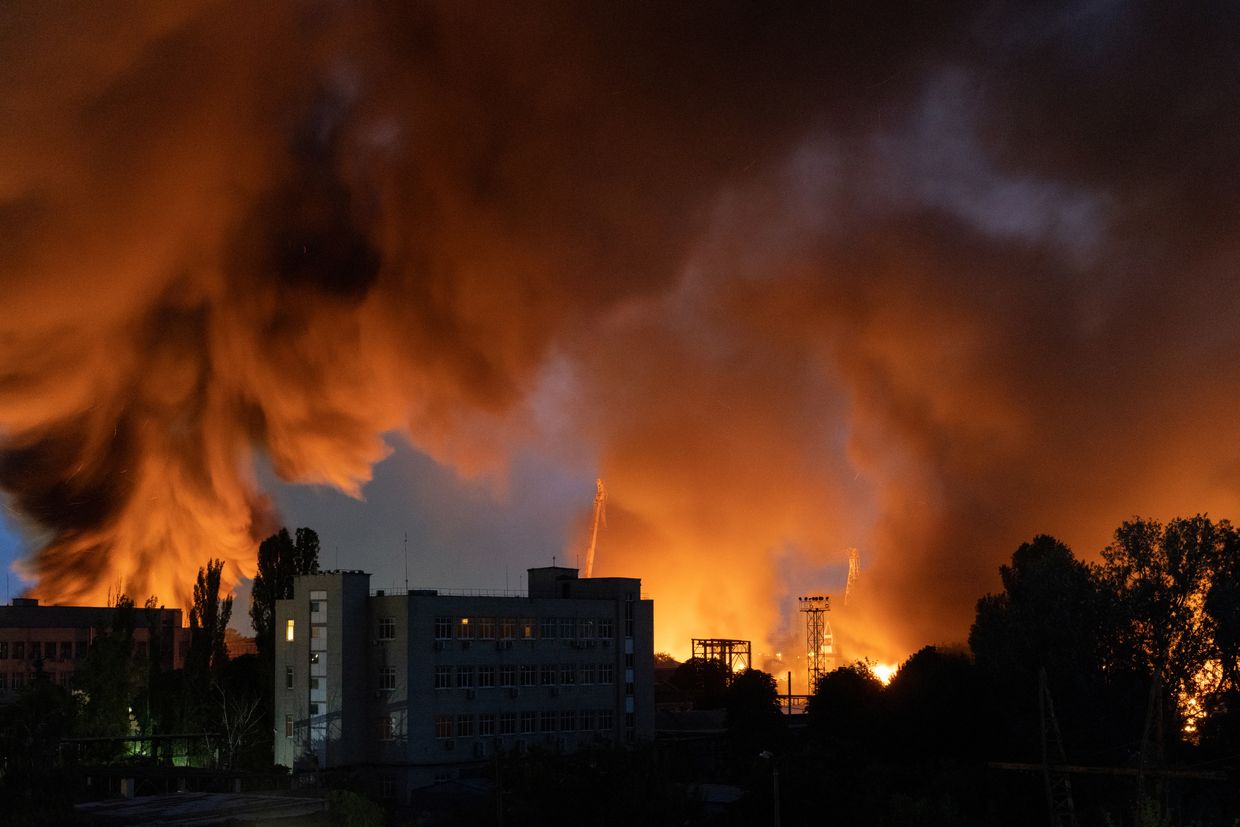
Ukraine allegedly launched drones at Russia’s Tatarstan region, killing one and injuring 13, regional governor Rustam Minnikhanov reported on June 15.
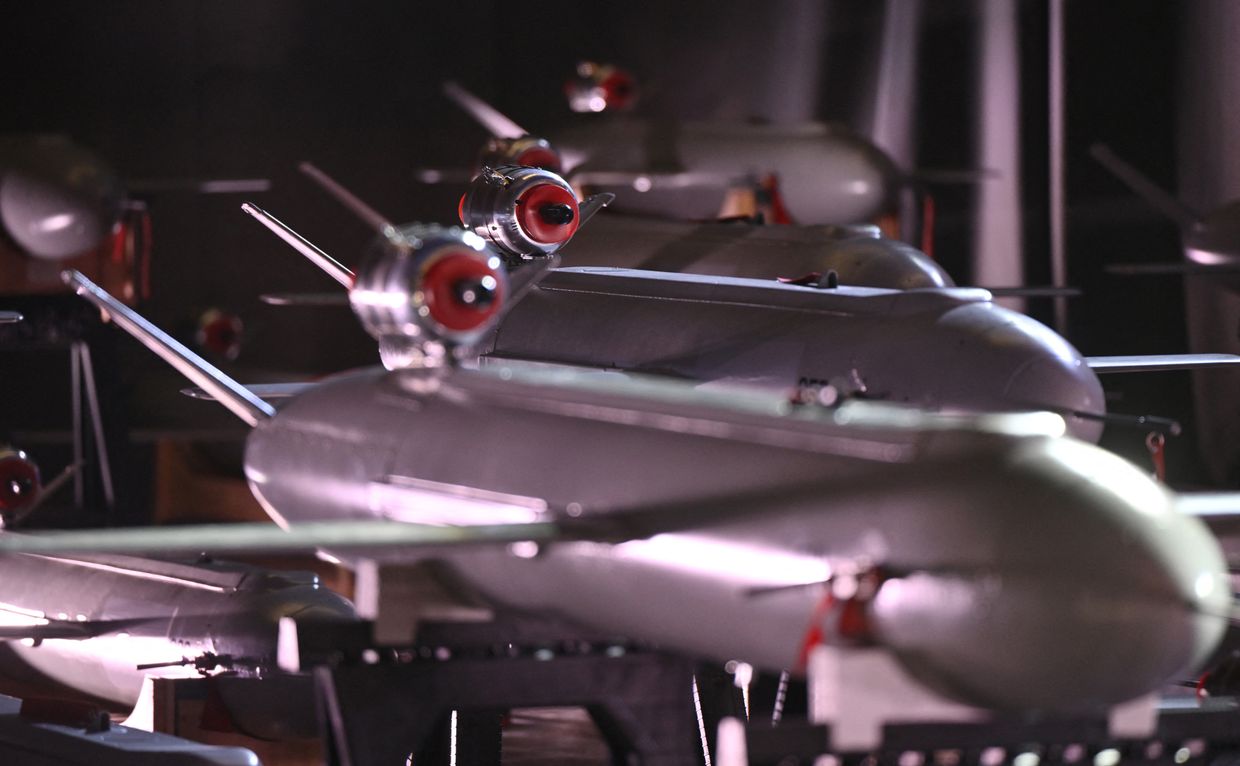
The Ukrainian drones were reportedly shot down, but the debris fell on a plant in the town of Yelabuga, where Russian Shahed-type attack drones are manufactured, causing a fire.
According to Minnikhanov, it was an automobile plant, but some Telegram channels, including Astra, speculate that the well-known drone factory was the target.
Ukraine's General Staff subsequently confirmed details of the strike, including that it was directed at Shahed-style drone production in Yelabuga.
“Despite the attempt to sow fear and panic, all enterprises and life support facilities in the republic are operating stably. Emergency services are on constant alert,” said Minnikhanov.
A video of the attack was shared on Telegram, showing smoke billowing over the town, which lies some 1,500 kilometers from Kyiv. There has been no official statement from Kyiv on the alleged strike, and the Kyiv Independent could not independently verify these claims.
The so-called Alabuga Special Economic Zone hosts a factory producing Shahed-type long-range attack drones as well as other reconnaissance drones, and has been repeatedly targeted by Ukrainian forces since its launch in 2022.
The factory aims to produce 6,000 Shahed-type drones a year, with each one estimated to cost as little as $20,000.
Last year, Ukraine confirmed attacking military facilities in Tatarstan at least twice with long-distance drone strikes. Most recently, Ukrainian drones reportedly struck the plant on May 25.
Facing a workforce problem, the factory began recruiting African women under false pretences via a work-study program. As a result, Interpol began an investigation into the company in April for human trafficking.

 Connexion
 The Kyiv IndependentKollen Post