Vue normale

  • ✇Euromaidan Press
  • Every primary unit at a Rosneft refinery is burning — 100% of its crude processing capacity
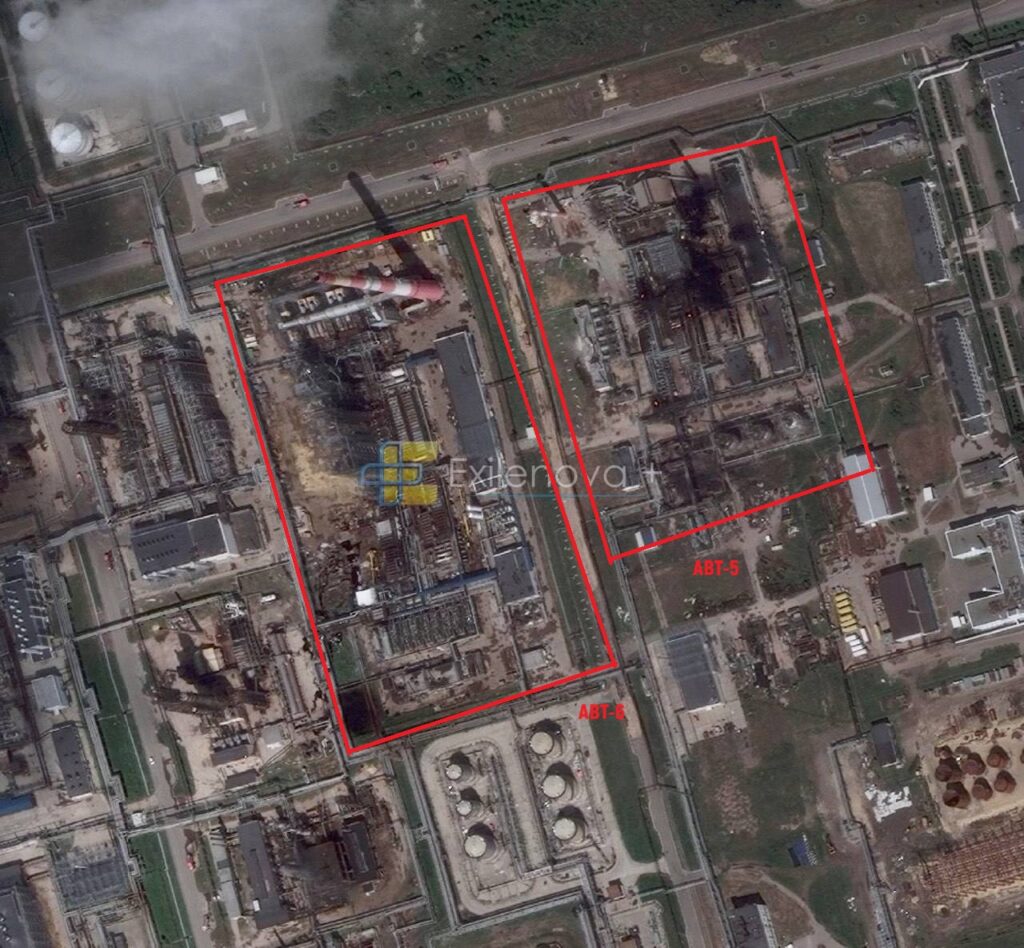
    Satellite images have confirmed the scale of the damage at Russia's Syzran oil refinery in Samara Oblast, where Ukrainian FP-1 strike drones started a large fire on 12 July. Imagery published by the Ukrainian Telegram channel Exilenova+ shows the AVT-5 primary distillation unit burning at several separate points, technical pipe racks burned across the plant, and significant further damage to the second primary unit, AVT-6, Militarnyi reported. Russia's oil pays for the army
     

Every primary unit at a Rosneft refinery is burning — 100% of its crude processing capacity

13 juillet 2026 à 08:21

AVT-5 and AVT-6 units at the Syzran Oil Refinery, 12 July 2026. Photo: Exilenova+

Satellite images have confirmed the scale of the damage at Russia's Syzran oil refinery in Samara Oblast, where Ukrainian FP-1 strike drones started a large fire on 12 July.

Imagery published by the Ukrainian Telegram channel Exilenova+ shows the AVT-5 primary distillation unit burning at several separate points, technical pipe racks burned across the plant, and significant further damage to the second primary unit, AVT-6, Militarnyi reported.

Russia's oil pays for the army destroying Ukrainian cities, and the war is in its fifth year. Ukraine's answer has been to reach the refineries themselves — targets that Moscow long assumed sat safely out of range, deep in the interior.

Both distillation units are down.

AVT-5 processes 2.6 million tons of crude a year, about 30% of the plant's throughput. AVT-6 handles the remaining 70% — 6.3 million tons, by Ukrainian OSINT channel Cyberboroshno's count, though Militarnyi puts it at up to 6 million. Together, they are the refinery's entire primary processing capability.
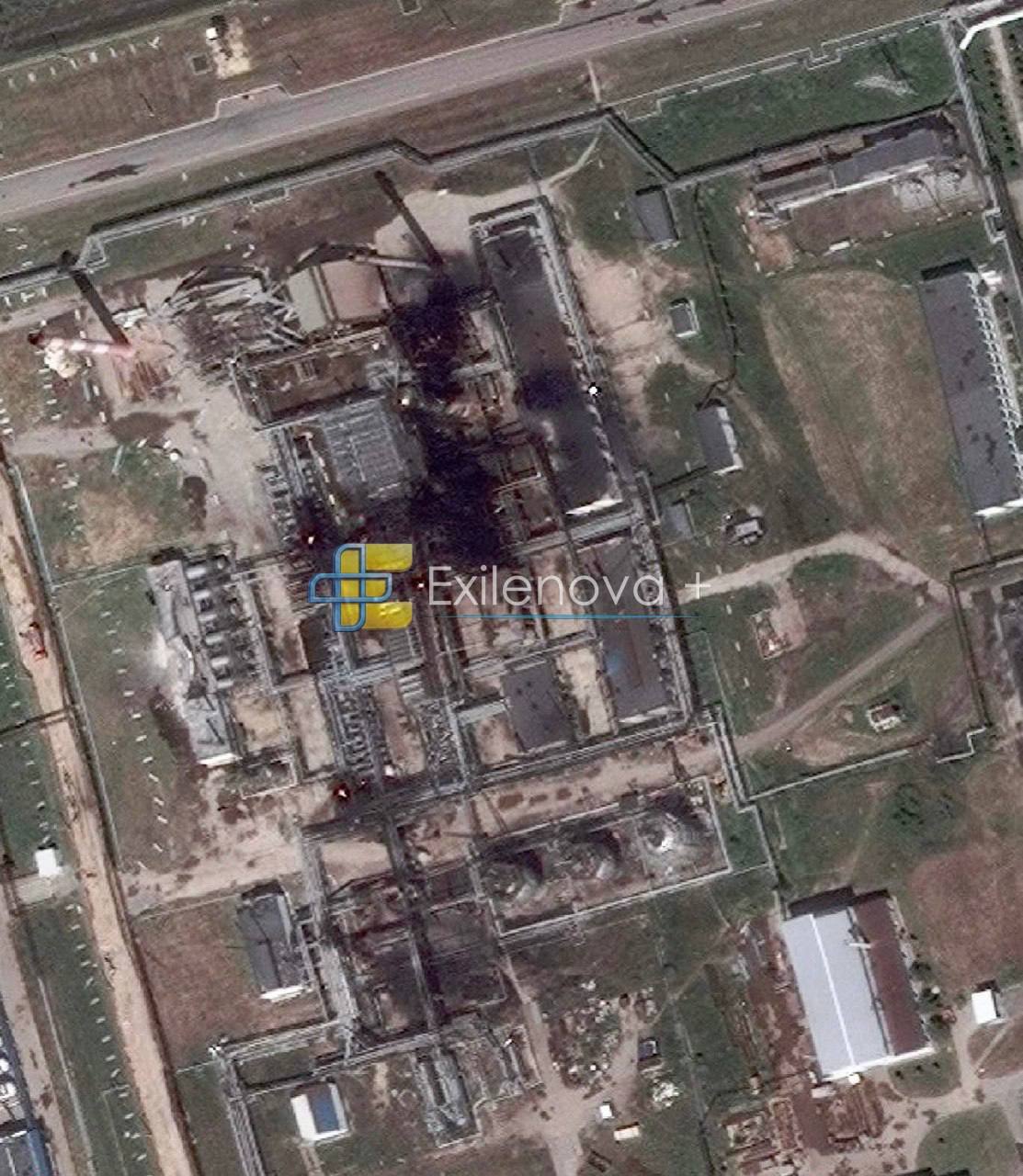
AVT-5 unit at the Syzran Oil Refinery, 12 July 2026. Photo: Exilenova+

Cyberboroshno mapped hits on both units and reported 100% of primary processing capacity damaged — a combined 8.9 million tons a year, Euromaidan Press reported. Nothing leaves a refinery that cannot distill crude in the first place, the analysts pointed out.

A third hit landed on the LCh-35/11-600 catalytic reformer, which makes components gasoline cannot be blended without. Cyberboroshno says that the hit was pure chance. In one video published by Exilenova+, the reformer's stack looms up in front of an incoming drone. The warhead detonates in mid-air right over the unit, and the fragments tear through it. It is seen burning in later footage.

A plant that keeps burning

Rosneft owns Syzran, one of the Volga region's key fuel producers, and the plant supplies the Russian army's logistics directly. It refines 8.5–8.9 million tons of crude a year, over 3% of Russia's total, and sits more than 800 km from Ukraine's border.

Drones struck the facility on 21 May, seriously damaging AVT-6 and forcing a prolonged shutdown. Reuters reported on 25 May, citing sources, that the plant had suspended operations. Drones also hit the plant three times in August 2025, and the May strike was already the 11th on the facility. Local authorities claimed the latest fire was caused by falling drone debris.

  • ✇Euromaidan Press
  • Ukraine strikes Russia’s only helium plant and largest gas complex 1,200 km from the front
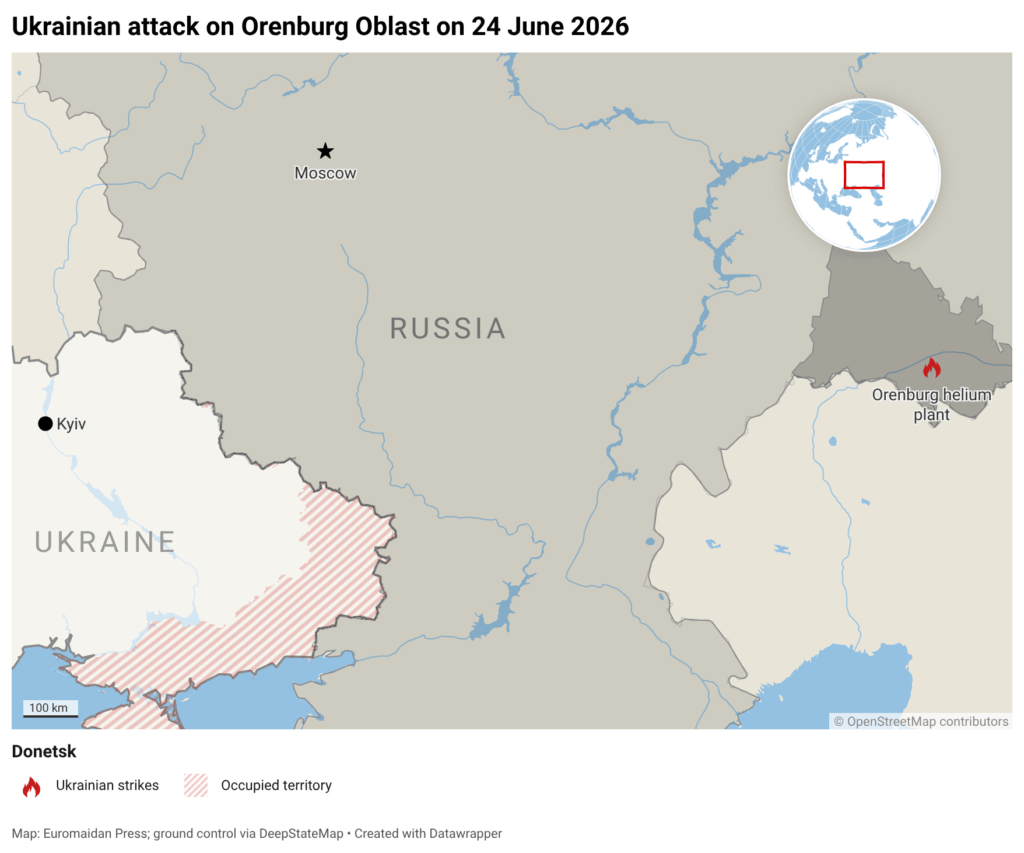
    Ukrainian drones struck the Orenburg gas processing plant and the adjacent Orenburg helium plant overnight on 24 June, setting off fires at a complex more than 1,200 kilometers from the line of contact, Ukraine's General Staff confirmed. The two sites form a single industrial complex whose output runs into Russia's war effort. The gas plant produces sulfur used in explosives and black powder, while the helium plant supplies helium for liquid-fuel rocket engines and guid
     

Ukraine strikes Russia’s only helium plant and largest gas complex 1,200 km from the front

24 juin 2026 à 07:46

Orenburg helium plant

Ukrainian drones struck the Orenburg gas processing plant and the adjacent Orenburg helium plant overnight on 24 June, setting off fires at a complex more than 1,200 kilometers from the line of contact, Ukraine's General Staff confirmed.

The two sites form a single industrial complex whose output runs into Russia's war effort. The gas plant produces sulfur used in explosives and black powder, while the helium plant supplies helium for liquid-fuel rocket engines and guidance systems and ethane used in solid rocket fuel, the General Staff said.

That is the same facility EP reported on in August 2025 as Russia's only helium producer and a fixture of its military-industrial complex — not merely a Gazprom revenue stream.

What was hit

Local residents reported at least three impacts in the plant's industrial zone, according to Ukrainian monitoring channel Exilenova+. Satellite fire-detection data from NASA FIRMS and footage shared by locals recorded several active fires at the site.

Yevgeny Solntsev, governor of Orenburg Oblast, said the region came under a massive drone attack and that air defenses downed several drones over the industrial facility. He reported no casualties. The extent of the damage is still being assessed.

Airports in Orenburg, Orsk, and Yasny suspended flights under Russia's "Kovyor" air-threat protocol. Authorities in the region barred the publication of photos and videos showing drones.

Russia describes the Orenburg plant as the world's largest gas chemical complex, with an annual processing capacity of about 37.5 billion cubic meters of gas. It is Gazprom's only producer of the natural odorant that gives gas its smell, and it processes feedstock from Kazakhstan's Karachaganak field under the KazRosGaz project.

A repeat target deep in the Urals

The complex has now been hit at least four times in under a year. Ukraine's military intelligence (HUR) struck the helium plant in August 2025; drones hit the gas plant in October 2025; and in May 2026, President Volodymyr Zelenskyy said Ukraine had struck gas-industry targets in Orenburg Oblast.

The strikes fit Ukraine's deep-strike campaign against Russian energy and military-industrial sites, which has triggered fuel shortages across several Russian regions and aims to cut both the revenue and the materiel sustaining Moscow's war on Ukraine.

  • ✇Euromaidan Press
  • Moscow’s airports shut for hours as Ukrainian drones target the Russian capital
    Ukrainian long-range drones forced all four Moscow airports to suspend flights overnight on 22 June, capping a rough day for the Russian capital, according to local media reports. The night before, hackers seized Mayor Sergei Sobyanin's personal Telegram channel and filled it with pro-Ukraine messages. At the time of the reporting, no damage to Moscow city was confirmed. Ukraine's deep-strike campaign has steadily punctured the idea that Russia's interior, and its capital a
     

Moscow’s airports shut for hours as Ukrainian drones target the Russian capital

22 juin 2026 à 04:12

moscow's airports shut hours ukrainian drones target russian capital · post smoke raising approaches moscow during drone attack 22 2026 ukraine news reports

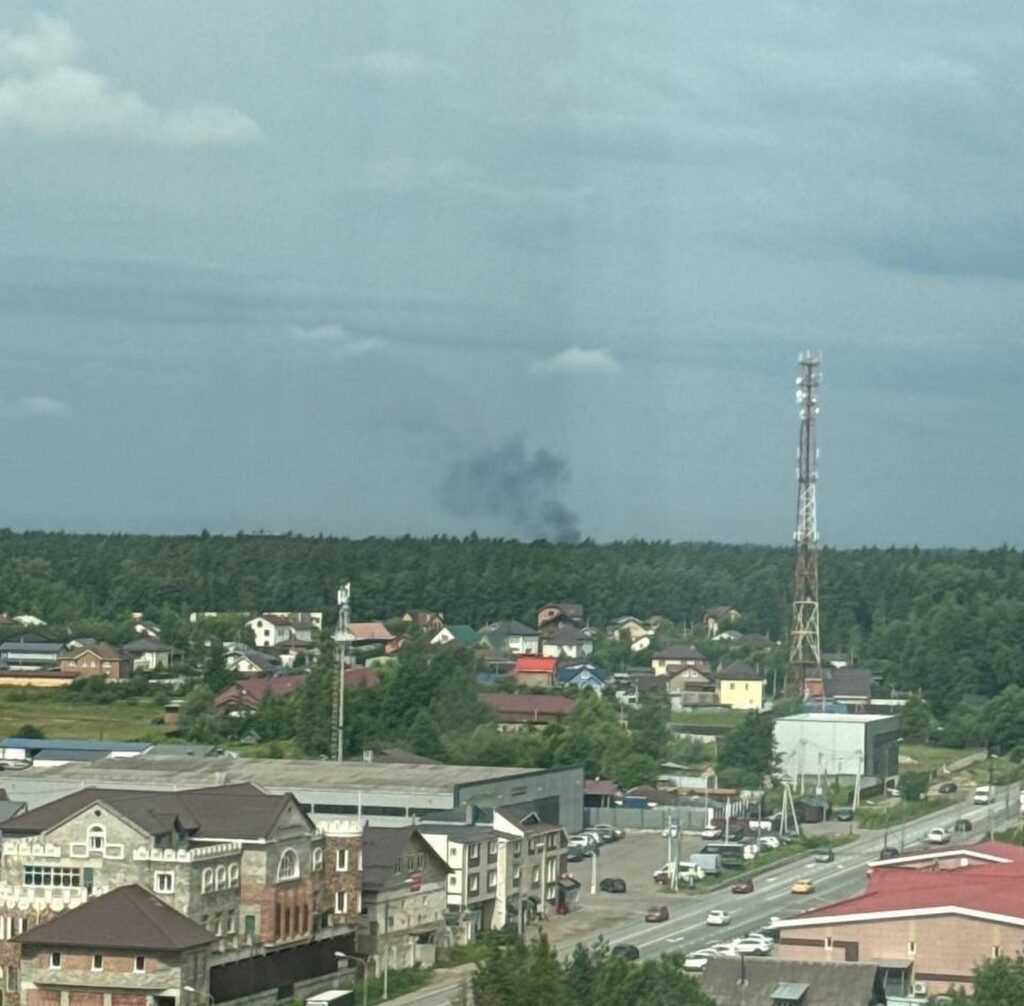
Ukrainian long-range drones forced all four Moscow airports to suspend flights overnight on 22 June, capping a rough day for the Russian capital, according to local media reports. The night before, hackers seized Mayor Sergei Sobyanin's personal Telegram channel and filled it with pro-Ukraine messages. At the time of the reporting, no damage to Moscow city was confirmed.

Ukraine's deep-strike campaign has steadily punctured the idea that Russia's interior, and its capital above all, stays safe from the war the Kremlin started.

Four airports went dark over Moscow

The raid pushed Sheremetyevo, Domodedovo, Vnukovo, and Zhukovsky to halt flights, aviation watchdog Rosaviatsia confirmed. Authorities lifted the restrictions by morning. Sobyanin claimed air defenses downed dozens of drones near the capital. He posted 11 updates in just over an hour, BBC Russian noted. By Monday morning, his tally climbed to as many as 70, with the last intercept logged at 05:07 Moscow time. Residents filmed drones overhead and explosions across Moscow and its oblast. Sobyanin claimed no casualties, citing only "specialists" working where debris fell.

Russia's Defense Ministry claimed it downed 301 drones across the country overnight. It listed 11 regions, from Belgorod and Bryansk to Volgograd and Voronezh. The tally also named occupied Crimea and the Azov and Black seas. 
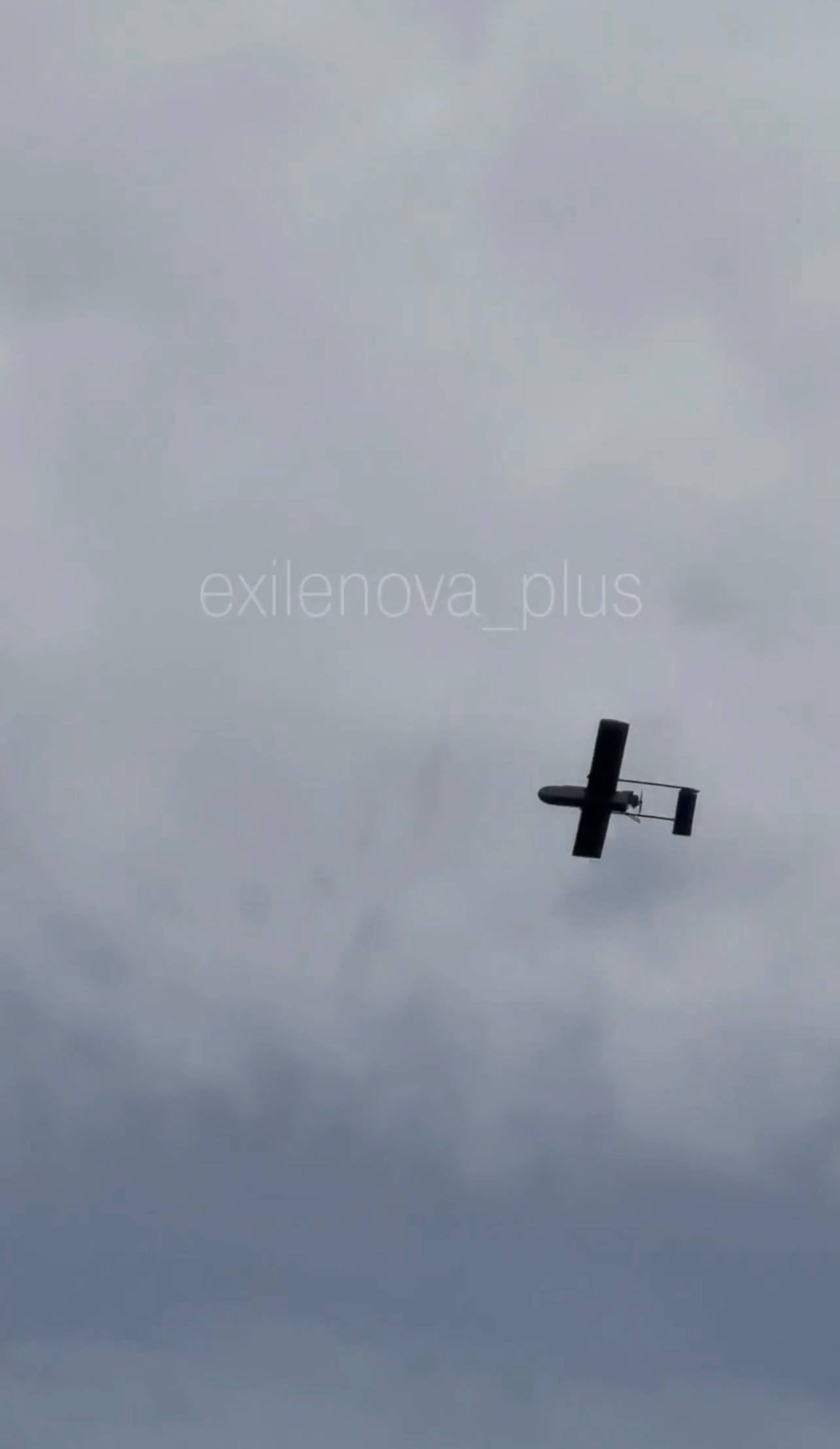
A Ukrainian unmanned aerial vehicle is spotted over Moscow Oblast on 19 June 2026. Source: Exilenova Plus
Explore further

Safe Moscow is gone: Ukrainian drones hit Russian capital’s region for the third time in four days

A hacked channel on the mayor's birthday

The drones followed an embarrassment of a different kind. On 21 June — Sobyanin's 68th birthday — his second, official Telegram channel, "Sergei Sobyanin. Personal Blog," was hacked, Radio Svoboda reported. For about half an hour, dozens of identical posts read "Moscow will burn" and "Glory to Ukraine." The feed also carried a fundraiser for Ukraine's army. One post claimed Sobyanin had funded Ukrainian drones and now lived in London. The messages then vanished.

Moscow outlet Msk1.ru suggested fraudsters were behind them. The breached account is verified through Sobyanin's own website. It usually posts only links to his press releases, unlike his main "Mayor of Moscow" city channel, used mostly for informing the locals about the current situation.

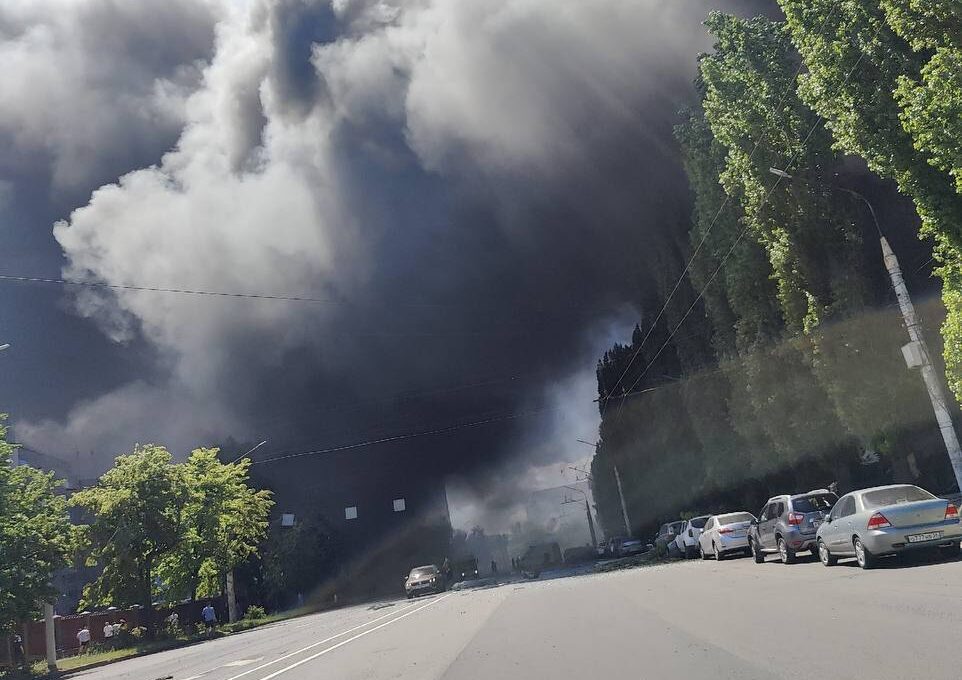
voronezh factory feeds pantsir iskander-k kh-101—and now it's fire · post thick smoke billows over street residents watch following reported strike vzpp-s plant russia 22 2026 5316704522568669592 ukrainian forces struck
Explore further

The Voronezh factory feeds the Pantsir, the Iskander-K, and the Kh-101—and now it’s on fire

Days after the refinery burned

The attack extended a campaign that already reaches deep into Russia. Ukrainian forces struck the Moscow Oil Refinery in Kapotnya on 16 June. They hit it again on 18 June, and the fire blackened the sky over residential districts. Russian daily Kommersant counted more than 170 canceled flights. President Volodymyr Zelenskyy called the strikes a "just response" to Russian attacks. Foreign Minister Sergei Lavrov threatened fresh massive strikes. Since February 2022, Russian forces have bombarded Ukrainian cities; the UN counted at least 70 civilians killed since early May 2026.

  • ✇Euromaidan Press
  • Storm Shadow maker MBDA to help develop new Neptune cruise missile with Ukraine
    MBDA, the developer of the Storm Shadow cruise missile, will help Ukraine develop a next-generation Neptune cruise missile, the company announced in a press release.  Modified Neptune anti-ship missiles famously sank the Russian Black Sea Fleet flagship, the Moskva, in April 2022. These were later upgraded for use against land targets, greatly boosting their range and payload size. Ukraine has extensively used Storm Shadow (or SCALP) missiles to strike Russian targets t
     

Storm Shadow maker MBDA to help develop new Neptune cruise missile with Ukraine

17 juin 2026 à 06:58

Russo-Ukrainian war Romania intends to collaborate with Ukraine on developing R-360 Neptune anti-ship missiles. The partnership aims to control Black Sea waters post-war.

MBDA, the developer of the Storm Shadow cruise missile, will help Ukraine develop a next-generation Neptune cruise missile, the company announced in a press release. 

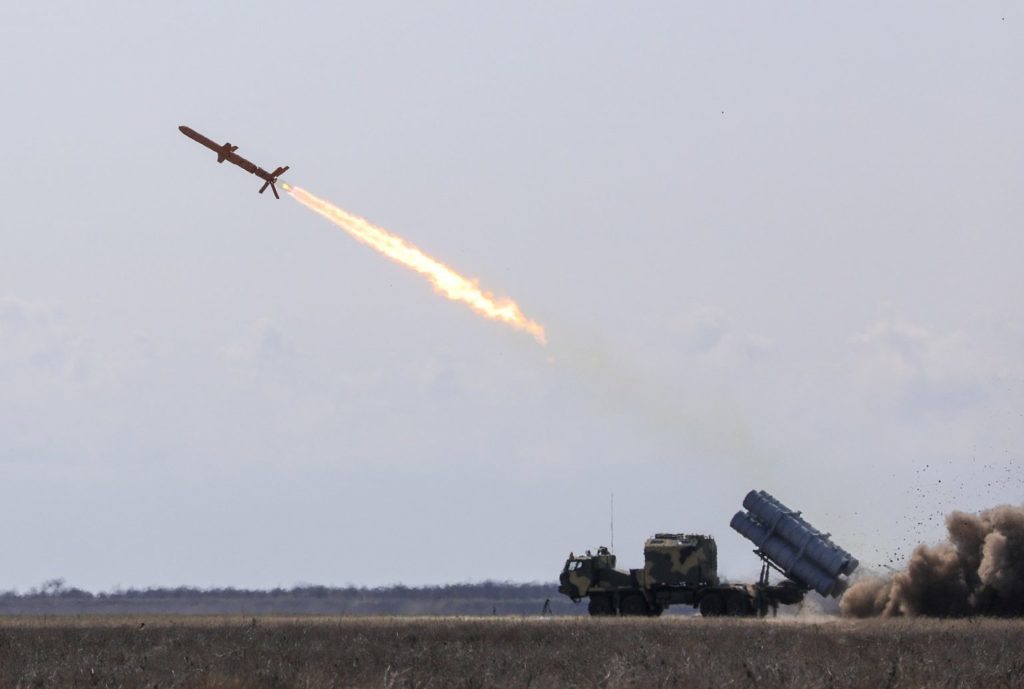
Modified Neptune anti-ship missiles famously sank the Russian Black Sea Fleet flagship, the Moskva, in April 2022. These were later upgraded for use against land targets, greatly boosting their range and payload size. Ukraine has extensively used Storm Shadow (or SCALP) missiles to strike Russian targets throughout the full-scale war. 

The Neptune’s producer, the Luch Design Bureau, signed a memorandum of understanding with MBDA on 16 June to “pursue disruptive innovation to develop the deep strike capability for Neptune 2 while advancing strategic defence cooperation with Ukraine.” 

The announcement comes at a time when Ukraine continues to ramp up long-range strikes against Russian air defenses, logistics hubs, refineries, military factories, and other targets that enable the invasion, while building up and scaling its drone and missile strike options.  

Luch produces a range of guided missiles for anti-ship, anti-tank, anti-air, and anti-ground roles, as well as the components that go into them.

MBDA is a multinational European defense contractor, which has its hands in two dozen families of missiles in its portfolio, from the tactical Brimstone to the SAMP/T air defense platform produced jointly with Thales. 

Neptune cruise missile

The original Neptune has a reported range of 280 kilometers, able to carry a 150-kilogram warhead. The "Long Neptune" has a reported range of over 1,000 kilometers, with a 260-kilogram warhead, able to hit targets on both land and sea.   

Just as importantly, this newer version is reportedly capable of hugging even hilly terrain and close to its targets without satellite navigation, which makes it harder to bring down.

In October, Ukraine's Defense Ministry also presented a newer version equipped with what appear to be additional fuel reservoirs.

The memorandum announcement did not mention any details about what the next-gen Neptune 2 might look like. However, if developed and proves to be effective, it may add another tool into Ukraine’s arsenal to strike at Russia’s economic and military pressure points to disable its war machine by acupuncture. 

  • ✇Euromaidan Press
  • Ukraine develops blackout missile that plunges onto Russian grids from high-altitude balloons
    Ukraine already flies high-altitude aerostats over Russia and now a company has developed a new missile to drop from them onto Russian infrastructure.  The DART missile, designed by Ukrainian company Center of Innovative Technologies Program, is designed to plummet from an altitude of 12-18 km, guided by an onboard navigation system until it reaches 6 km.  At this point, the navigation shuts down, the solid fuel engine activates, and the missile burns towards the tar
     

Ukraine develops blackout missile that plunges onto Russian grids from high-altitude balloons

17 juin 2026 à 05:58

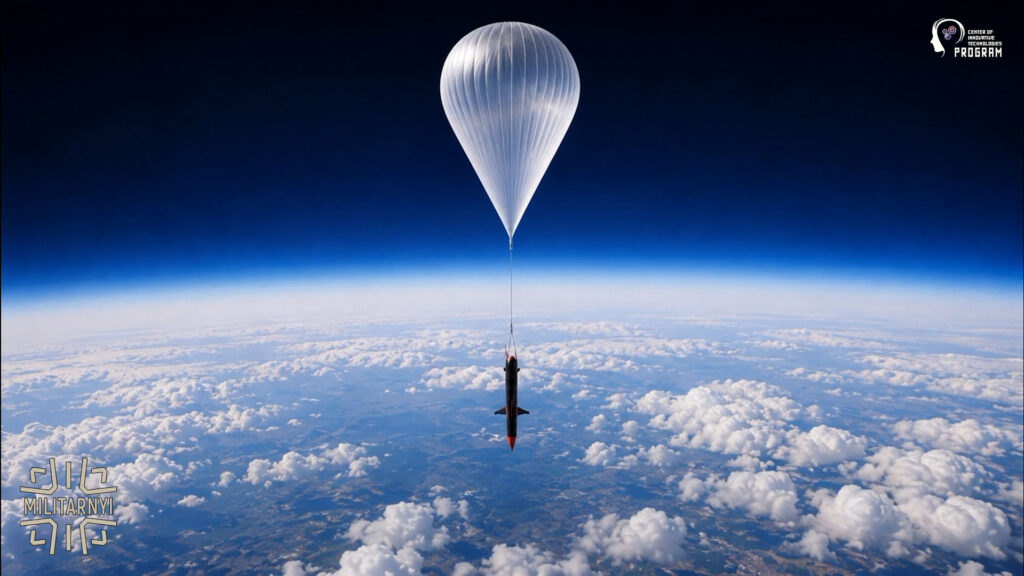
Illustrative render of the DART missile via aerostat. (Rendering: Center of Innovative Technologies Program)

Ukraine already flies high-altitude aerostats over Russia and now a company has developed a new missile to drop from them onto Russian infrastructure. 

The DART missile, designed by Ukrainian company Center of Innovative Technologies Program, is designed to plummet from an altitude of 12-18 km, guided by an onboard navigation system until it reaches 6 km. 

At this point, the navigation shuts down, the solid fuel engine activates, and the missile burns towards the target without changing course. This is meant to prevent interference from electronic warfare. 

The payload reportedly masses up to 10 kilograms and uses “graphite elements.” This likely means that the DART is a kind of graphite bomb, which disperses electrically conductive filaments that are meant to short out electrical grids. 

In April, Russian sources claimed that Ukrainians used graphite payloads mounted on drones to attack infrastructure in occupied areas, which Ukrainian forces neither confirmed nor denied.

The missile has not yet passed codification, but is reportedly due for trials “in the near future.” 

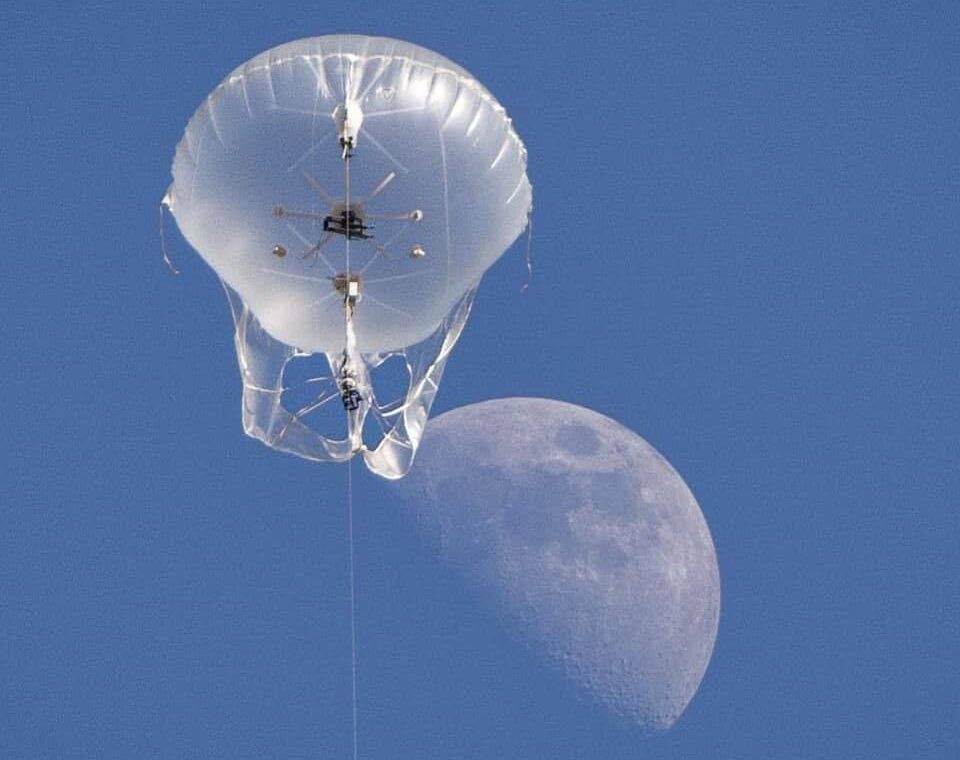
Aerobavovna aerostats
Explore further

Weaponizing the Westerlies: Ukrainian balloons sow havoc over Russia

Aerostats as launch platforms

Untethered aerostats have participated in strikes on the deep rear of Russia since 2024, but have become ever more active in 2025-2026, targeting refineries, railways, and other infrastructure. The words “aerostat notice” appeared hundreds of times on Russian Telegram channels that monitor Ukrainian air threats from Fall 2025 through Spring 2026. 

They are cheap, easy to deploy, are carried into Russia by prevailing winds, and can reach extremely high altitudes, making them difficult to shoot down, not that the Russians aren’t trying. One source told Euromaidan Press that once the Russians detect an aerostat, they fire everything at it, from Pantsirs, Tors and Buks, to even their S-300 and S-400 missiles.

The balloons can carry signal repeaters that extend over 100 kilometers, which can be daisy chained together to provide continual control for long-range weapons. Alternatively, they can carry drones and missiles like the DART deep into Russia’s rear, to then strike targets from any direction.

Being at the mercy of the wind does make the initial launch location somewhat unpredictable, but sources told Euromaidan Press that sufficient meteorological modeling exists to make them viable platforms for surveying or attacking Russia.

❌