Vue normale

  • ✇The Kyiv Independent
  • NATO to strengthen missile defenses in Eastern Europe to counter Russian threats, Bloomberg reports
    NATO plans to enhance its missile defense systems on its eastern flank in response to a growing threat from Russia, Bloomberg reported on June 12, citing its undisclosed sources.For the first time, member states of NATO are reportedly considering combining the alliance's ballistic missile shield with other integrated missile defense assets. The talks are taking place behind closed doors and involve sensitive deliberations, Bloomberg reported, citing its sources.Moscow has long opposed NATO's mis
     

NATO to strengthen missile defenses in Eastern Europe to counter Russian threats, Bloomberg reports

13 juin 2025 à 01:58
NATO to strengthen missile defenses in Eastern Europe to counter Russian threats, Bloomberg reports

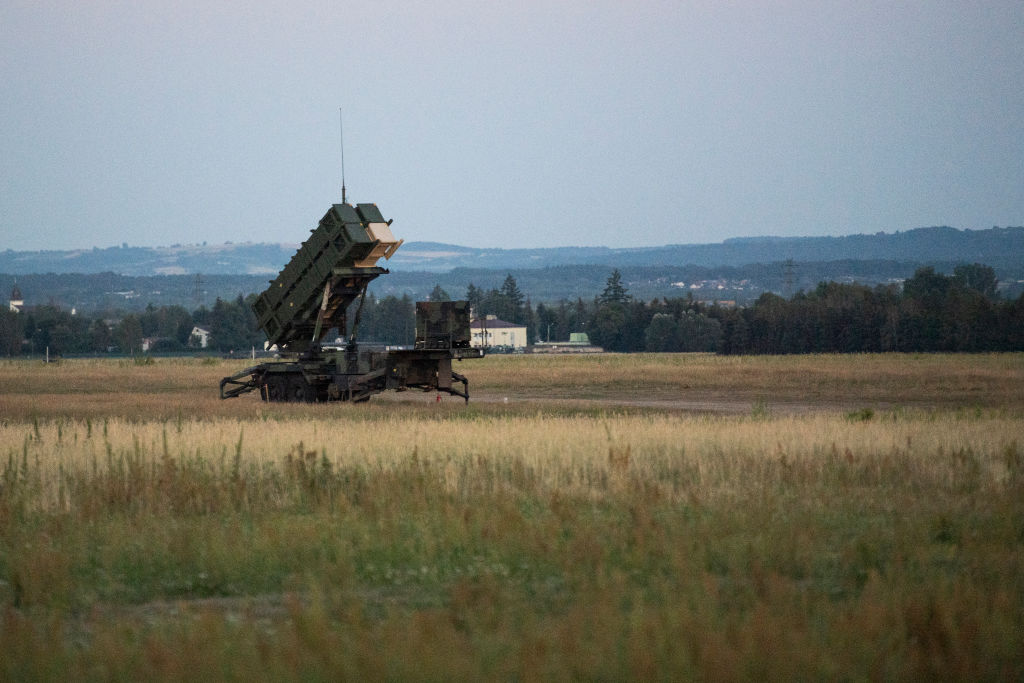
NATO plans to enhance its missile defense systems on its eastern flank in response to a growing threat from Russia, Bloomberg reported on June 12, citing its undisclosed sources.

For the first time, member states of NATO are reportedly considering combining the alliance's ballistic missile shield with other integrated missile defense assets. The talks are taking place behind closed doors and involve sensitive deliberations, Bloomberg reported, citing its sources.

Moscow has long opposed NATO's missile defense infrastructure, particularly the U.S.-built interceptors deployed in Poland and Romania, states neighboring Ukraine. The alliance has previously said those systems are intended to counter potential long-range threats from Iran, not Russia.

The so-called "NATO expansion to the east" is one of the key narratives used by Russian propaganda to justify its large-scale war against Ukraine.

The proposed integration of ballistic missile defense with NATO's broader air and missile defense network would address threats from any direction in the future. This shift suggests the effort would increasingly be focused on deterring Russian capabilities, according to Bloomberg's sources.

The move comes as NATO ramps up its defense posture more than three years after Russia launched its full-scale invasion of Ukraine. The alliance recently agreed on the most ambitious new weapons targets since the Cold War.

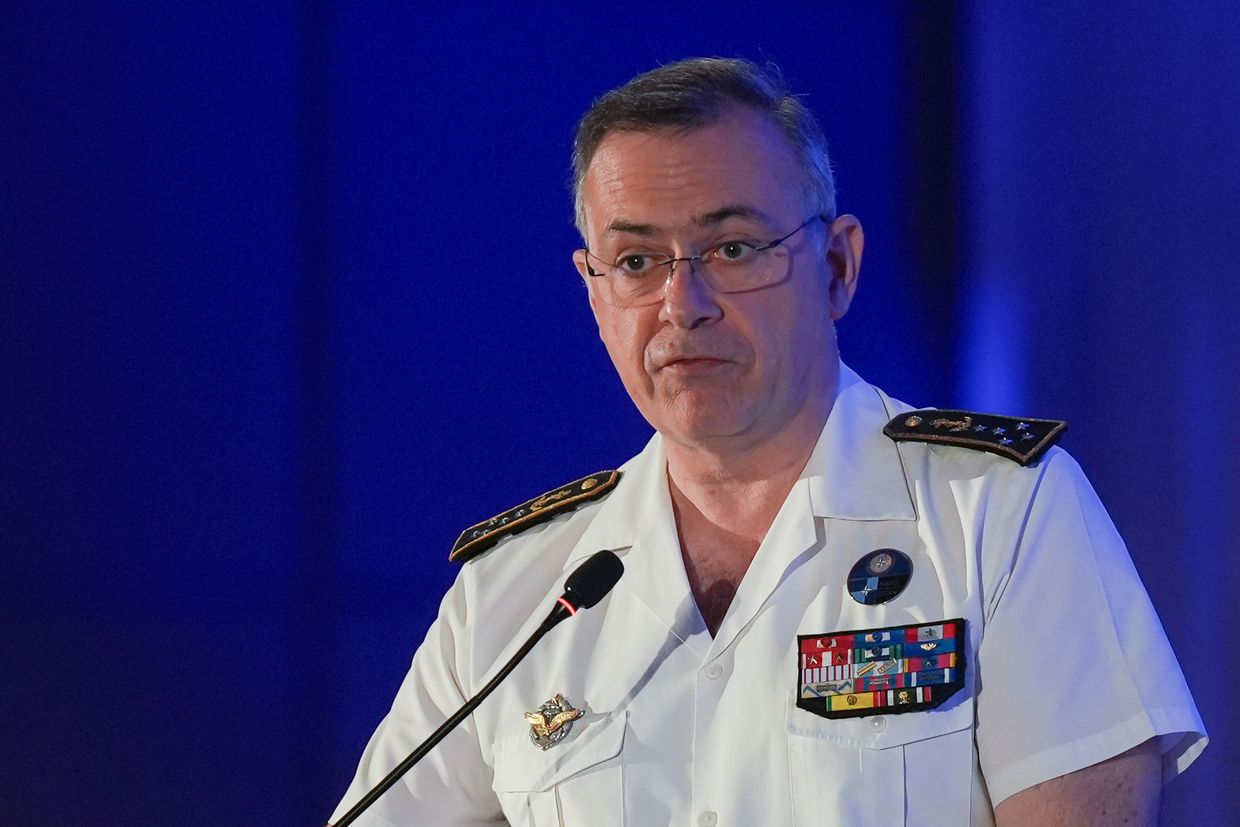
NATO Secretary General Mark Rutte called on alliance members to make a "quantum leap" in defense investment in response to the enduring threat from Russia. Speaking at Chatham House in London, Rutte urged allies to increase air and missile defense by 400%.

Talks on integrating the systems may wrap up ahead of the NATO summit in The Hague on June 24–25, but could continue afterward, the sources said. Ukraine is invited to attend the summit. It remains unclear whether the initiative will still officially cite Iran as a threat or move fully toward addressing Russia.

The effort is part of a broader strategy to reinforce NATO's eastern flank, but some officials have raised concerns about how it might affect peace efforts in Ukraine and whether the United States will fully support the integration, Bloomberg reported.

Previously, U.S. President Donald Trump echoed Russian claims that Kyiv provoked the invasion by pursuing its NATO ambitions.

Earlier, Bloomberg reported that NATO is deploying a new satellite surveillance system aimed at monitoring military activity in Ukraine and along the alliance's eastern borders. The system, known as Smart Indication and Warning Broad Area Detection (SINBAD), will use AI-powered analysis to scan large areas and detect potential threats with unprecedented frequency.

NATO expands satellite surveillance to monitor Ukraine, eastern flank
The initiative, named Smart Indication and Warning Broad Area Detection (SINBAD), will allow NATO to scan vast territories with unprecedented frequency, using AI-powered analysis to detect changes and alert allies to potential threats.
NATO to strengthen missile defenses in Eastern Europe to counter Russian threats, Bloomberg reportsThe Kyiv IndependentAnna Fratsyvir
NATO to strengthen missile defenses in Eastern Europe to counter Russian threats, Bloomberg reports
  • ✇The Kyiv Independent
  • Germany to supply new Iris-T air defense systems to Ukraine, rules out Taurus missiles
    Editor's note: This story has been updated to include Germany's announcement to supply Ukraine with $2.2 billion in additional military aid.Germany will deliver new IRIS-T air defense systems to Ukraine under a three-year supply plan, President Volodymyr Zelensky said during a joint press conference with German Defense Minister Boris Pistorius, who added Berlin has no plans to provide Taurus long-range missiles.The announcement comes amid escalating Russian aerial assaults, including a June 10 m
     

Germany to supply new Iris-T air defense systems to Ukraine, rules out Taurus missiles

12 juin 2025 à 11:50
Germany to supply new Iris-T air defense systems to Ukraine, rules out Taurus missiles

Editor's note: This story has been updated to include Germany's announcement to supply Ukraine with $2.2 billion in additional military aid.

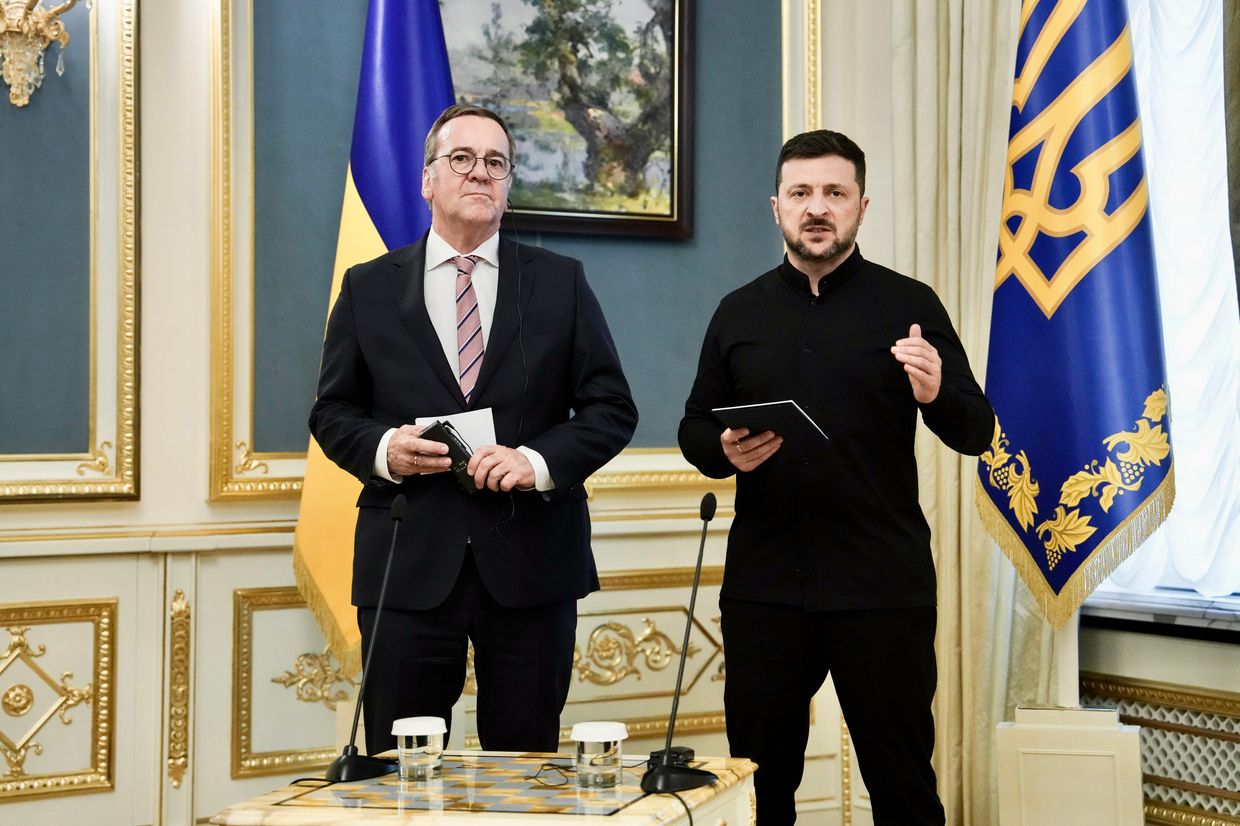
Germany will deliver new IRIS-T air defense systems to Ukraine under a three-year supply plan, President Volodymyr Zelensky said during a joint press conference with German Defense Minister Boris Pistorius, who added Berlin has no plans to provide Taurus long-range missiles.

The announcement comes amid escalating Russian aerial assaults, including a June 10 missile and drone strike on Kyiv, one of the largest since the start of the full-scale invasion.

"We are grateful for the supply of IRIS-T air defense systems," Zelensky said on June 12. "We understand that deliveries are currently being planned... for the next three years. This is very important assistance."

The IRIS-T is a German-made medium-range surface-to-air missile system capable of intercepting drones, aircraft, and cruise missiles.

Pistorius confirmed the delivery timeline but firmly ruled out the possibility of sending Taurus missiles — weapons Kyiv has repeatedly requested to strike deep into Russian territory.

"You asked me whether we are considering this, and my answer is no," Pistorius said.

Before taking office, German Chancellor Friedrich Merz signaled openness to lifting former Chancellor Olaf Scholz's ban on the missiles. That stance has not yet resulted in a policy shift.

Ukraine has already received long-range missiles — including ATACMS from the U.S. and Storm Shadow and SCALP from the U.K. and France. Initially restricted to use within Ukrainian territory, Western allies only began easing those limitations in late 2024.

Germany is Ukraine's largest military donor in Europe. Pistorius said that Berlin will provide 9 billion euros ($10.4 billion) in aid this year, with investments in defense production being considered. The total includes an additional commitment in military aid worth 1.9 billion euros ($2.2 billion).

"Today, we discussed that this aid will continue," he said. "We agreed on additional investments in production... both in Ukraine and in Germany."

Zelensky visited Berlin on May 28 for talks with Merz, part of an ongoing effort to bolster Ukraine's defense industry amid uncertainty over U.S. support under President Donald Trump.

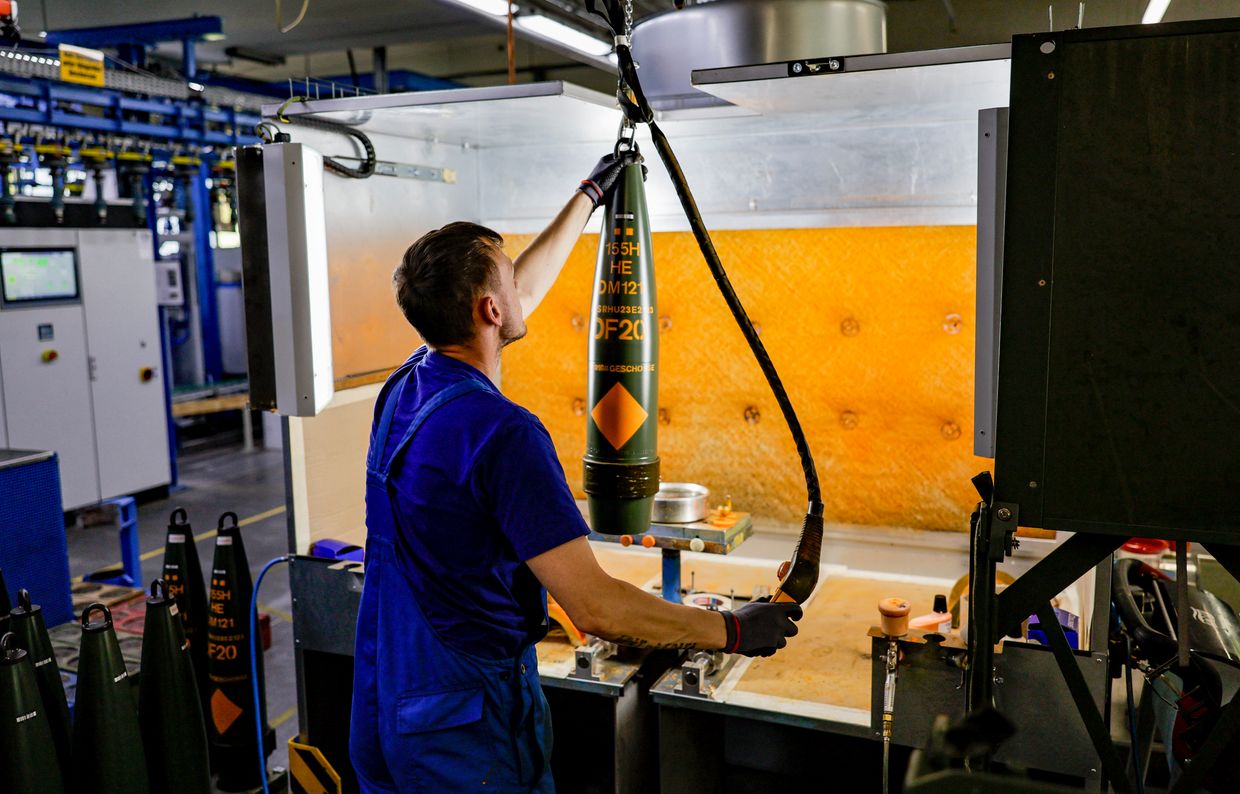
Why can’t the West match Russia’s ammunition production?
The West is failing to catch up to Russia’s production of the most basic unit of war for the past half-millennium — gunpowder. The modern propellants and explosives that power war have largely been offshored. While Western manufacturers are churning out shell casings, they are short on the materials to fill
Germany to supply new Iris-T air defense systems to Ukraine, rules out Taurus missilesThe Kyiv IndependentKollen Post
Germany to supply new Iris-T air defense systems to Ukraine, rules out Taurus missiles
❌