Vue normale

  • ✇Euromaidan Press
  • China calls itself neutral—but its fiber ends up in the drones that hit Ukraine
    Shipping documents show how a Chinese state company kept supplying Russia's drone factories with the raw material used in its long-range attack drones, Politico reported. Chinese parts have been recovered from downed Russian drones before. These records are the first to show the raw material shipped straight to the factory—a sanctioned arm of Russia's nuclear giant Rosatom. Russia's mass-produced attack drones run on parts sourced worldwide that keep slipping past Weste
     

China calls itself neutral—but its fiber ends up in the drones that hit Ukraine

7 septembre 2026 à 09:42

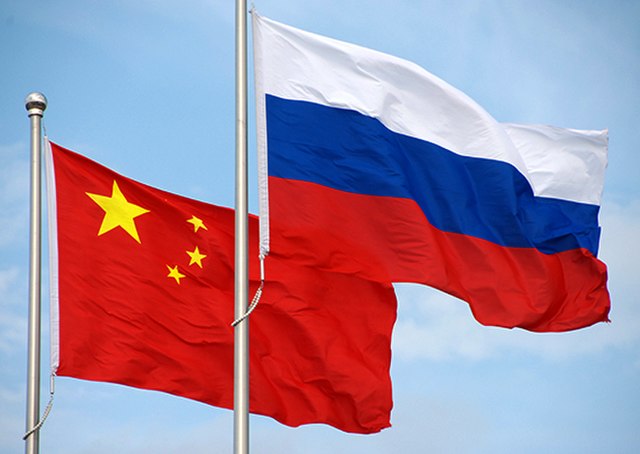
Flags of Russia and China.

Shipping documents show how a Chinese state company kept supplying Russia's drone factories with the raw material used in its long-range attack drones, Politico reported. Chinese parts have been recovered from downed Russian drones before. These records are the first to show the raw material shipped straight to the factory—a sanctioned arm of Russia's nuclear giant Rosatom.

Russia's mass-produced attack drones run on parts sourced worldwide that keep slipping past Western export controls, and Ukrainian cities take the hits almost nightly. Kyiv has spent the war naming the foreign suppliers behind that hardware, one component at a time.

What the documents show

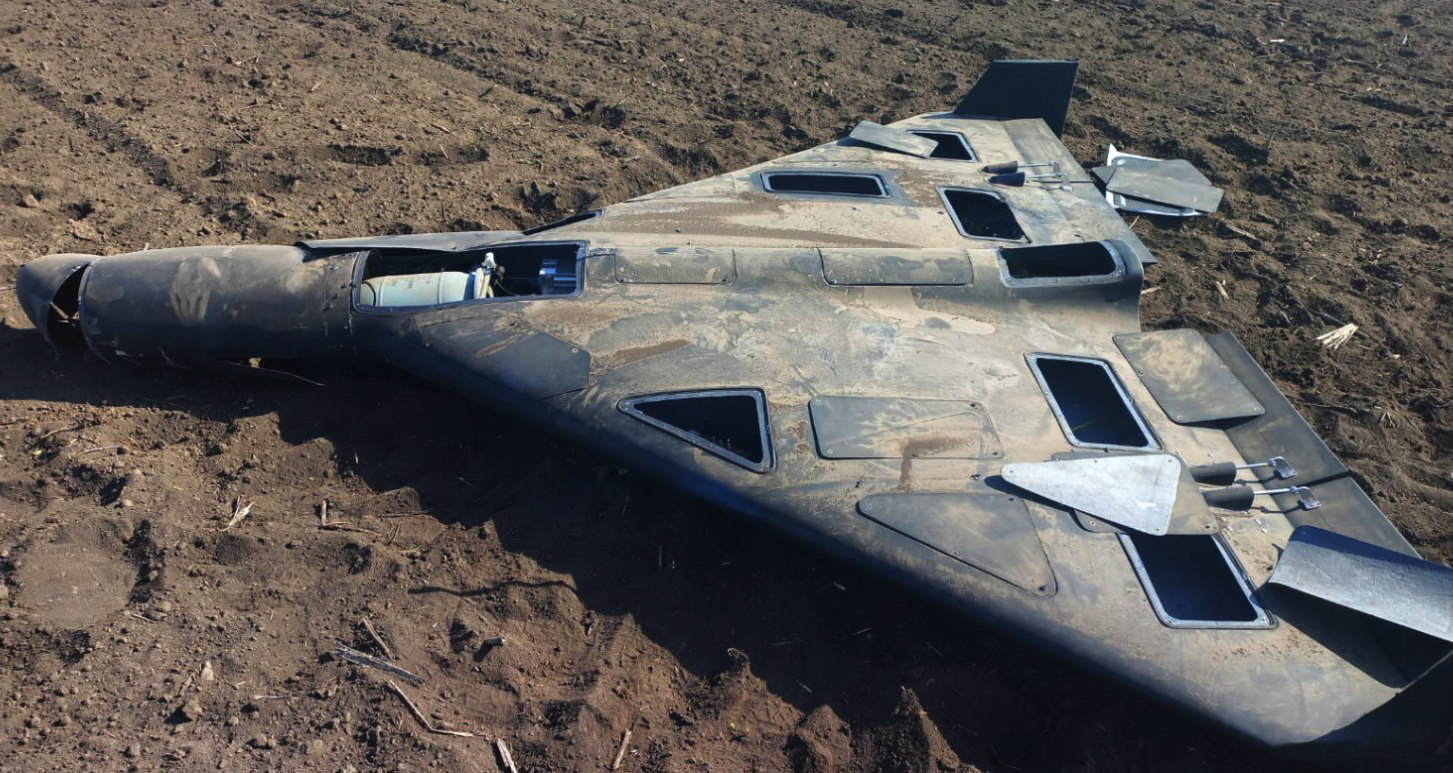
The papers trace 46 metric tons of carbon-fiber chemicals from Jilin Chemical Fiber Group to Alabuga-Volokno, a Rosatom subsidiary in Tatarstan. The exporter disguised the cargo under a customs code meant for civilian fibers like nylon, said weapons expert David Albright, who studies Russia's drone production. That precursor, polyacrylonitrile, is the raw ingredient for the light carbon fiber in Russia's Shahed-type attack drones.
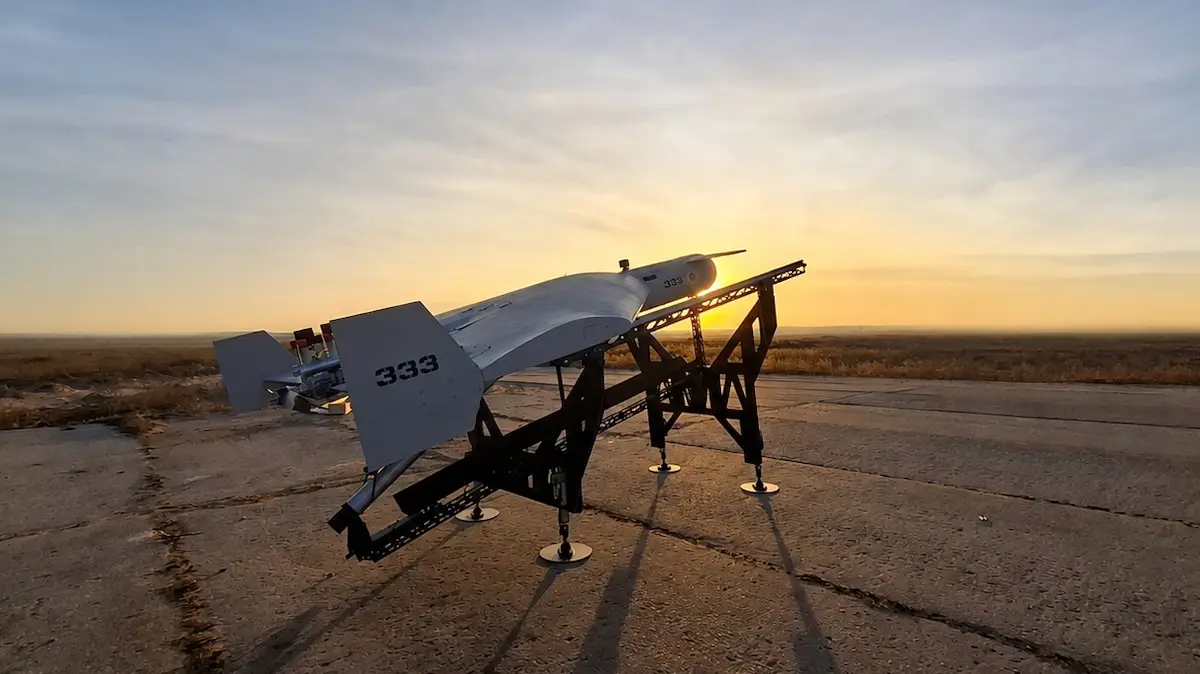
The MICH 2000 drone can fly up to 2,000 km and carry a warhead weighing up to 60kg. Photo courtesy of the manufacturer
Explore further

Ukraine’s new Tu-95 killer is a $48,000 copy of a drone China refused to sell

Drones of that type killed at least 15 people at a shopping mall in central Ukraine in August. Albright estimated the load could yield enough for as many as 1,300 kamikaze drones. The Kyiv-based Ukrainian Security and Cooperation Center, a think tank close to Ukraine's government, gathered the documents and shared them with Western governments. The US House Select Committee on China judged them legitimate, and Ukraine confirmed their authenticity.

Why Beijing can't plead ignorance

Alabuga-Volokno has faced Western sanctions since 2023 from the US, UK, EU, Ukraine, and others. Jilin faces none. Albright said the documents would let the State Department sanction the Chinese supplier. Serhii Kuzan, who heads the Ukrainian center, called China arguably the main and only source of these composite materials.

Former US officials rejected any idea that Beijing was unaware.

"The idea that Chinese state-owned enterprises can hide things from the Chinese government just doesn't wash," said Dennis Wilder, a former CIA deputy assistant director for East Asia and the Pacific.
Explore further

Russia’s jam-resistant drones run on a Chinese modem no one has sanctioned

Denials and a summit

Rosatom claimed it works in full compliance with the law. China's embassy in Washington called the evidence an attempt to "smear and scapegoat China," saying Beijing has never supplied lethal weapons.

The disclosure lands as US President Donald Trump prepares to meet Xi Jinping in Washington this month. In late August, Xi told Vladimir Putin their ties were set to strengthen.

  • ✇The Kyiv Independent
  • Russia's Rosatom seeks to sell 49% stake in Turkey's first nuclear plant
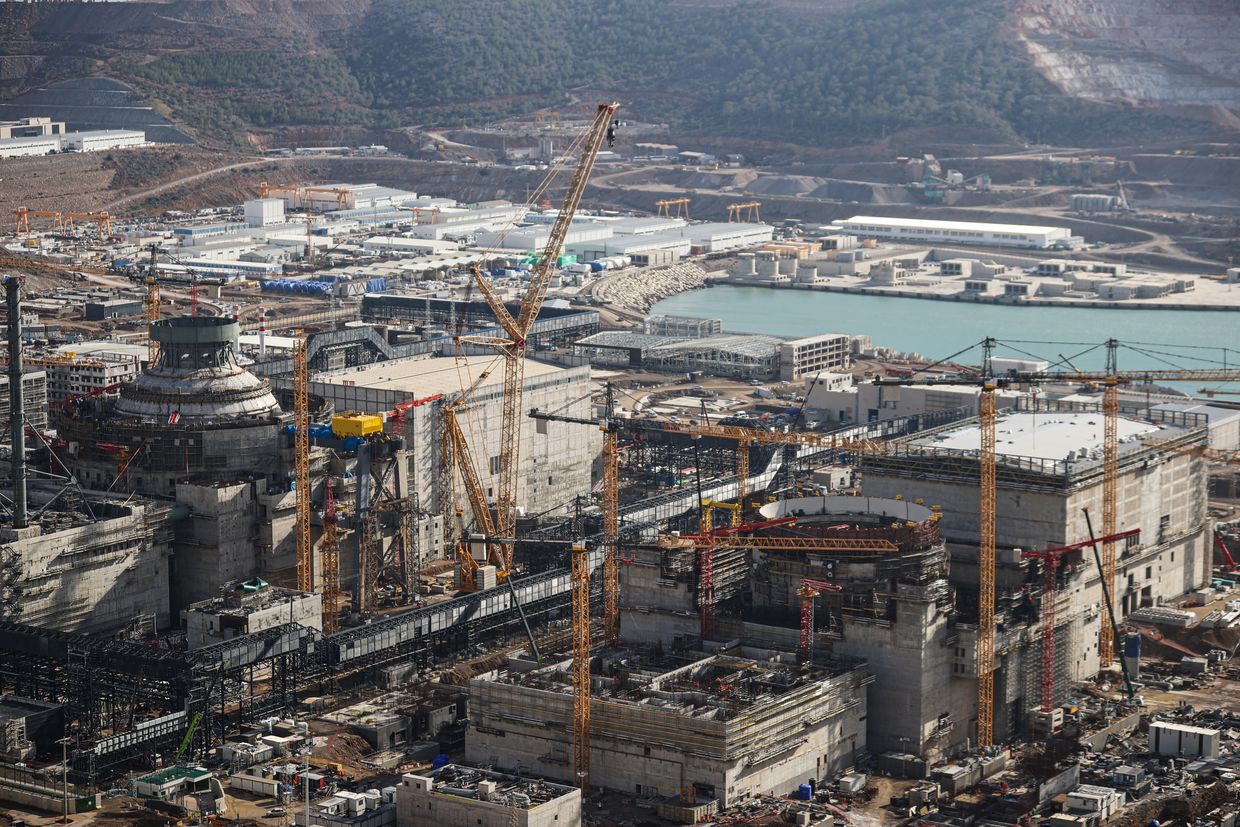
    Russian nuclear giant Rosatom is negotiating the sale of a 49% stake in Turkey's Akkuyu Nuclear Power Plant project, estimated at $25 billion, Bloomberg reported on July 1.The project is a cornerstone of Russian-Turkish energy cooperation. The Akkuyu plant, located in Mersin Province, is poised to become Turkey's first nuclear power facility. The 4.8-gigawatt project is expected to begin supplying electricity in 2026, Anton Dedusenko, chairman of the board at Rosatom's Turkish subsidiary, told B
     

Russia's Rosatom seeks to sell 49% stake in Turkey's first nuclear plant

2 juillet 2025 à 10:49
Russia's Rosatom seeks to sell 49% stake in Turkey's first nuclear plant

Russian nuclear giant Rosatom is negotiating the sale of a 49% stake in Turkey's Akkuyu Nuclear Power Plant project, estimated at $25 billion, Bloomberg reported on July 1.

The project is a cornerstone of Russian-Turkish energy cooperation. The Akkuyu plant, located in Mersin Province, is poised to become Turkey's first nuclear power facility.

The 4.8-gigawatt project is expected to begin supplying electricity in 2026, Anton Dedusenko, chairman of the board at Rosatom's Turkish subsidiary, told Bloomberg.

"The closer we are to the first unit generating electricity, the more investors start coming," Dedusenko said on the sidelines of the Nuclear Power Plants Expo & Summit in Istanbul.

A previous sale attempt in 2018 collapsed over commercial disagreements. This time, financing is complicated by the threat of U.S. sanctions, prompting Moscow and Ankara to consider alternative payment mechanisms.

"There are many ways how to deliver money here. We can deliver the Russian rubles, the Turkish lira," Dedusenko said.

Despite its NATO membership, Turkey has maintained open diplomatic and economic ties with Russia throughout the full-scale war against Ukraine, while continuing to supply aid to Kyiv and host international mediation efforts.

‘Ukraine is biggest landmine challenge since World War II,’ says head of world’s largest demining organization
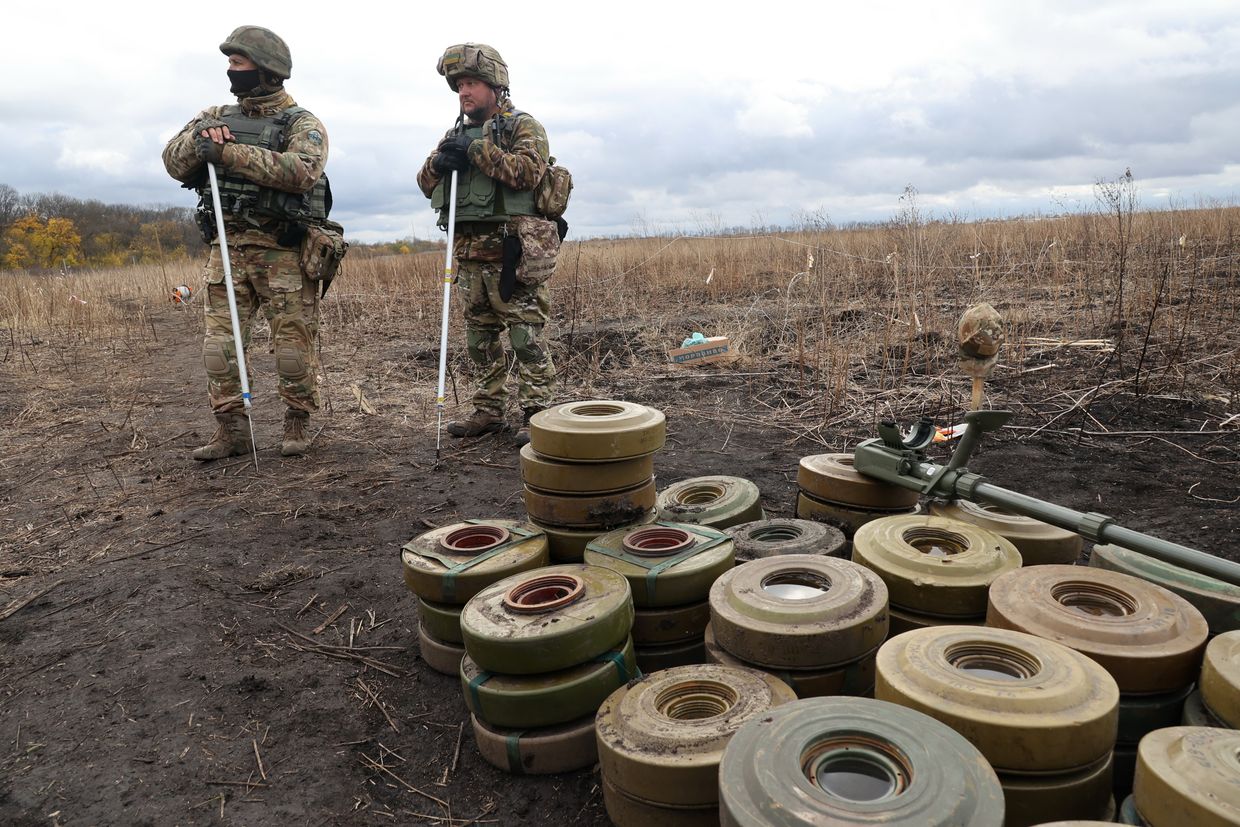
Russia’s full-scale invasion may have turned Ukraine into the world’s largest minefield. As of March 2025, Ukraine’s mine-affected land spans an estimated 139,000 square kilometers — or 23% of its territory — covering more ground than all of Greece and posing an immense threat to civilian life and recovery efforts.
Russia's Rosatom seeks to sell 49% stake in Turkey's first nuclear plantThe Kyiv IndependentDaria Shulzhenko
Russia's Rosatom seeks to sell 49% stake in Turkey's first nuclear plant
❌