Connexion
Kyiv’s arms industry wants to kill the export fee. Parliament just refused to route that money to the army

Ukraine's arms industry wants the government to scrap a steep fee on weapons exports, warning it undercuts their prices just as Europe's defense market opens, RBC-Ukraine reported. The same fee has opened a second fight in Kyiv, where parliament this week declined to turn its revenue into money for the army.
Russia's war on Ukraine has pushed Europe into rearming, and Ukraine's battle-tested arms makers are among the few that can deliver at scale right now—an opening that domestic red tape could blunt, handing the advantage to competitors just as the market grows.
A €60 billion European window—and a fee in the way
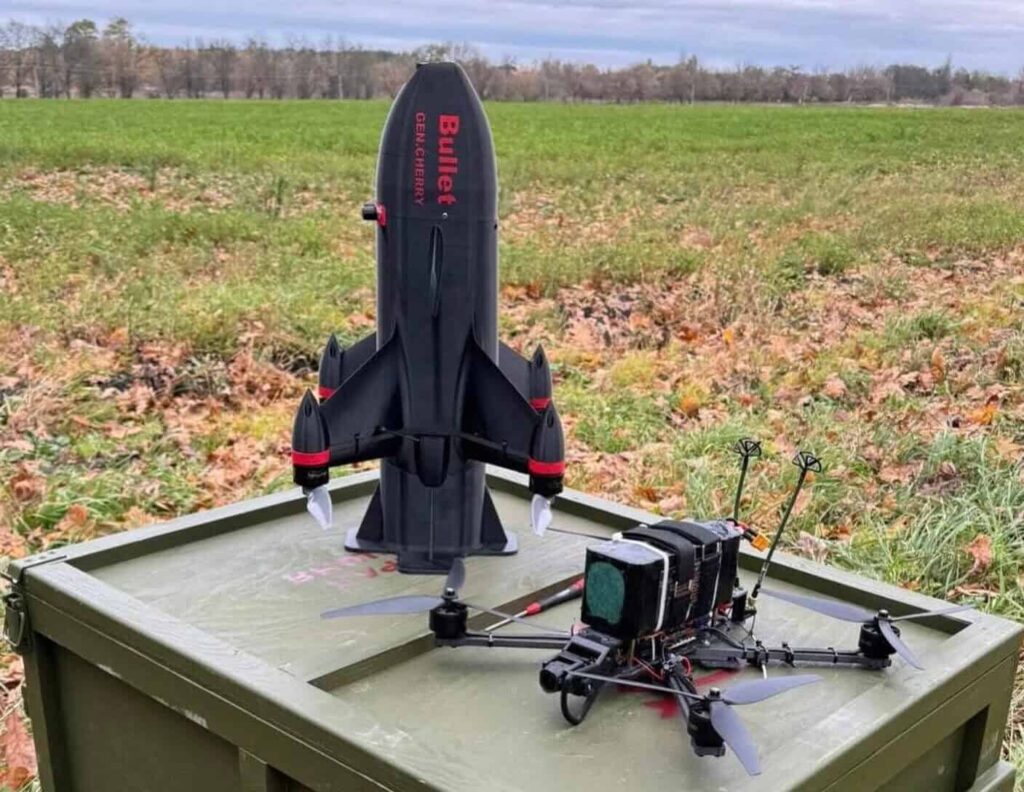
The push comes as Europe opens a major market for Ukrainian weapons. The EU's €90 billion Ukraine Support Loan for 2026-2027 reserves €60 billion for defense purchases, and partners increasingly want weapons built on their own soil. International partners report more than 200 cooperation approaches to Ukrainian firms still without a decision, according to the industry's press release. Producers link the fee fix to Build with Ukraine, a co-production push they consider strategically significant.
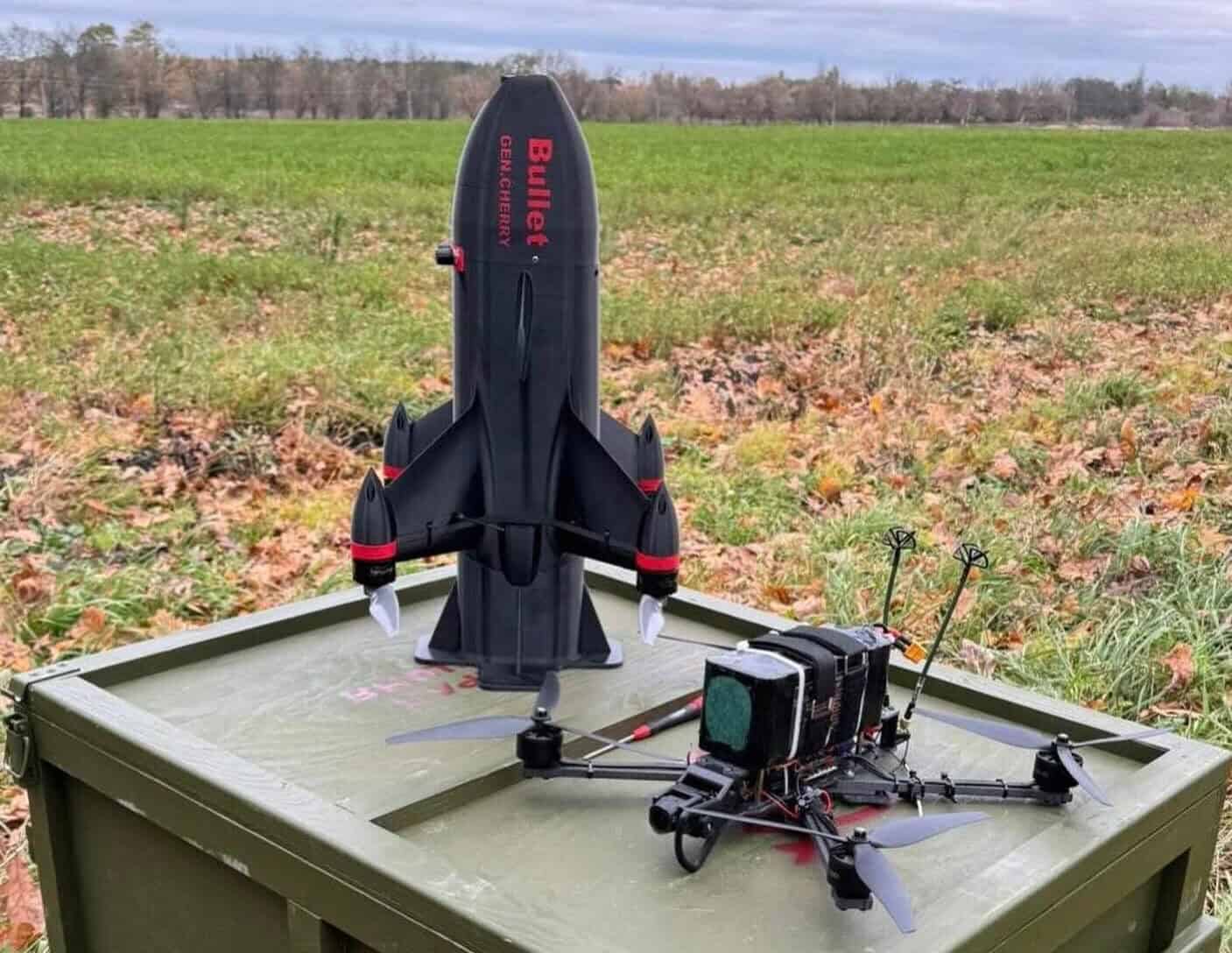
Ukraine’s Build with Ukraine has 200-plus foreign cooperation bids pending decision. Its arms industry, representing 400-plus firms, wants to help fix mechanism
Parliament won't route the money to the army
On 15 September, the Verkhovna Rada—Ukraine's parliament—rejected a bill in first reading that would have sent fee revenue collected from 1 August 2026 into a special budget fund for the Defense Ministry, half for buying, modernizing, and repairing weapons, half for soldiers' pay. The vote left the fee itself untouched, since it rests on the Cabinet resolution, and settled only that its revenue will not be earmarked for the army.
The fee producers want gone
The Ukrainian Council of Arms Manufacturers, joined by other defense and employer groups, prepared proposals to rework the July government resolution, No. 875. They want the fee—20% on finished goods and technologies, 30% on parts—cut to zero, or capped at 5%. Firms must also pay upfront, before any foreign payment lands, with no refund guaranteed if a deal collapses. A UAH 15 million (about $337,000) threshold shuts out the small test shipments new clients often begin with.

Ukraine put an Italian-Swiss Skyguard into combat duty. The missile inside is a Cold War design derived from the American Sparrow
The fee has drawn complaints since the resolution took effect in early July. Ihor Fedirko, the council's executive director, earlier said the 30-day review window was welcome but warned it could clog into a bureaucratic queue as staff leave the agencies running it. One of the associations behind the submission calls the 30% rate on parts prohibitive, since Europe is where Ukrainian firms would undercut Chinese suppliers on price.
Ukraine has swung from banning weapons sales abroad to courting foreign buyers, and its defense sector now ranks among the country's fastest-growing industries. Wartime certification to NATO standards is turning that output into something European militaries can actually buy.
Read also
-
What are “S-300 Clone” and GAM-67 in America’s new $2.68 billion package for Ukraine? Experts think they have answer
-
Defender Media: Ukraine’s battle-tested drone makers reach no top slot in Pentagon’s $1.1 billion Drone Dominance program, but some Ukrainian technology wins anyway
-
Ukraine’s Vivaldi operation cleared 85 square kilometers near Lyman. A soldier who fought it says one thing was hardest of all