Connexion
A Nobel laureate’s deal: free Russia’s prisoners, fund the missiles hitting Ukraine

Dmitry Muratov, the Nobel Peace Prize laureate and co-founder of Russia's shuttered Novaya Gazeta, has lent his name to an idea that sounds like pure humanitarianism. Russia frees some of the people it jails for opposing the war; in return, the United States eases its sanctions on the Russian economy.
The scheme did not even start in an American office. According to The Atlantic, which reported the plan on 29 September, it was Muratov himself who urged Donald Trump's envoy, John Coale, to try it. Coale had used the same model on Belarus, where some 500 prisoners were released, sanctions softened, and trade talks reopened.
Now, with Trump's approval, he wants to run it on the Kremlin.
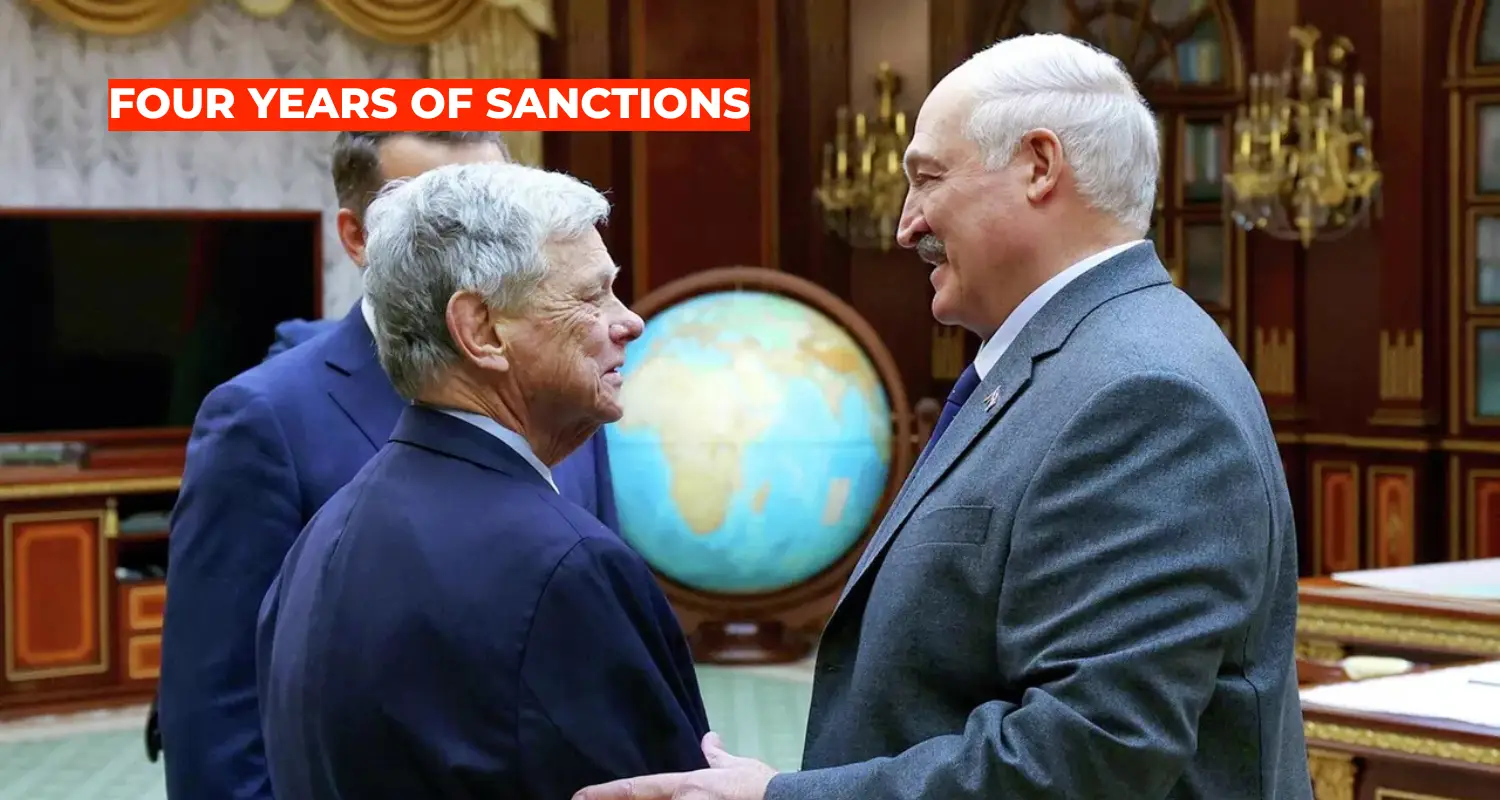
“A direct investment in ammunition flying across the border”: Belarusian defectors warn US sanctions relief is funding Russia’s war
The prisoners should go free. There is nothing to argue about there. No one jailed for anti-war words, for journalism, or for political dissent belongs in a cell. But here is the small detail: the price for their freedom is easing the pressure on a state that is waging war, not on the United States, which is being asked to ease the sanctions, but on Ukraine.
And here is where the real humanitarian arithmetic begins. We do not yet know which sanctions would be lifted. Whichever they are, the logic is the same: Moscow lets some of its political prisoners go, and Washington gives the Russian economy some breathing room in return. People walk out of Russian prisons, and the Kremlin gets more oxygen.
More money for the Russian state in wartime is not merely a figure in a bank report. It is more resources for the army, for missiles, for drones, for the war's continuation. And Ukrainians are the ones who feel it.
I can picture the Kremlin ghoul rubbing his hands at an idea like this. Now he can be not just president, but the director of a prisoner market: release a hundred today, jail three hundred tomorrow, so there is something to trade next time. New dissidents, journalists, activists, and merely inconvenient citizens he can pack away far faster than the West can lift a sanction.
The Kremlin ghoul can now be the director of a prisoner market: release 100 today, jail 300 tomorrow
A tidy little business model: Russia produces the prisoners, the West buys them back with its policy, and Ukraine settles the account.
Because if easing sanctions widens Russia's room to finance the war, then Ukrainians effectively get a very strange bill for someone else's humanism: a Russian political prisoner walks out of prison, and a Ukrainian gets a fresh portion of missiles and drones on their head.
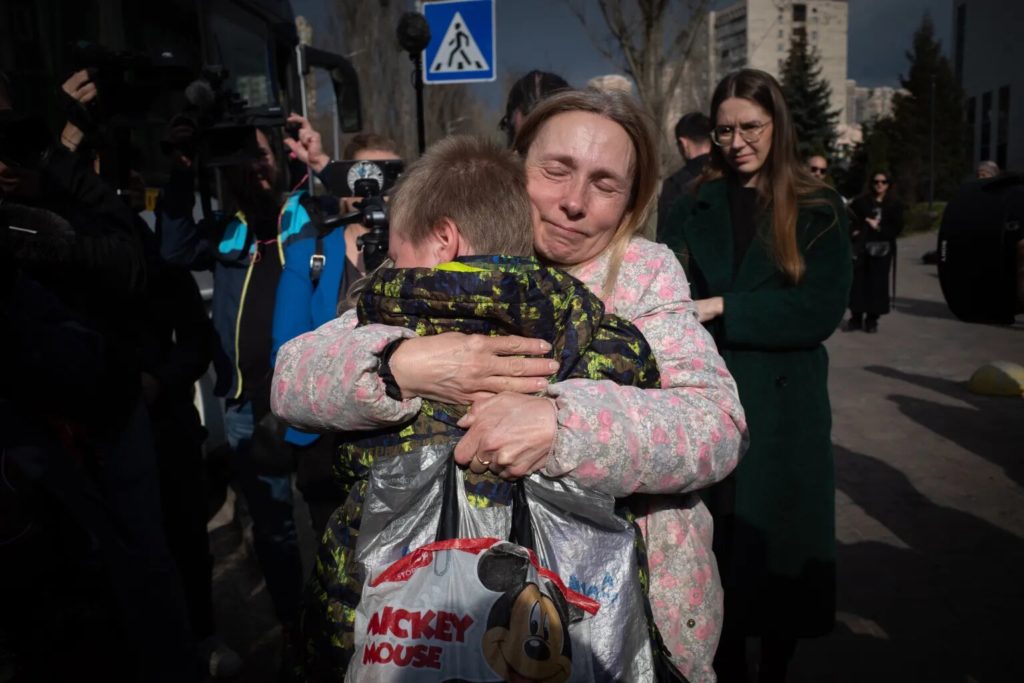
By the way, about those Ukrainian civilians. By the estimates of international and Ukrainian rights groups, Russia is holding, or has held, some 16,000 of them illegally. The real figure may be higher, since not every case can be documented.
This is exactly where Muratov, as a Nobel peace laureate, might find his powers of persuasion useful. Why not put in a word for the Ukrainians in Russian prisons? The same people seized in occupied territory during "filtration," taken from their homes, buried under fabricated cases, held for years without a proper trial.
And among them are children.
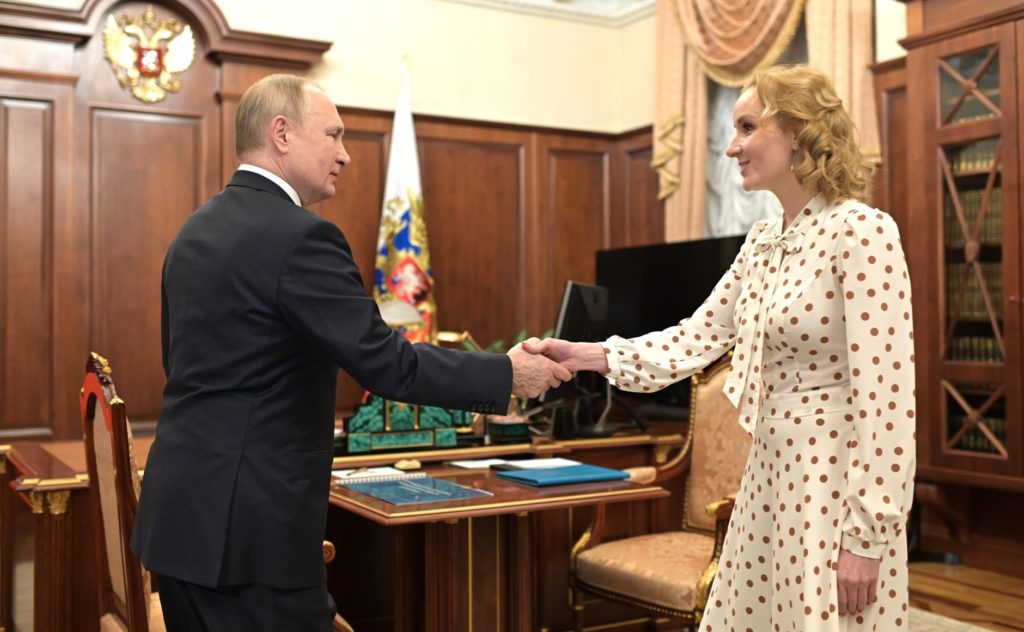
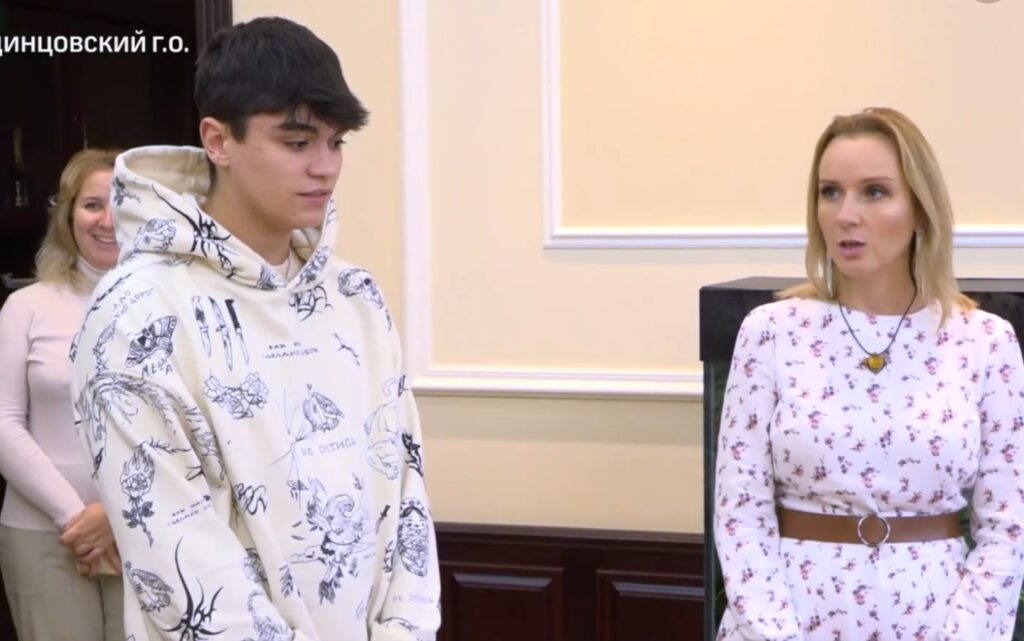
And here onto the stage steps Russia's Baba Yaga of "child protection": Maria Lvova-Belova, the so-called presidential commissioner for children's rights. She herself told Putin, in public, about a boy from Mariupol she had taken into her care after he was removed from the occupied city. Ukraine and international organizations view such cases as part of a wider system of unlawful transfers of Ukrainian children to Russia. The International Criminal Court has issued a warrant for her arrest on exactly those charges: the unlawful deportation and transfer of Ukrainian children.
That is what Russian care for children looks like: take a Ukrainian child from Mariupol, carry him off to Russia, and set about turning him into a Russian. If this is how Russia's children's commissioner works in public, it is frightening to imagine what happens where there are no cameras and no international warrants.
Nobody is offering to lift a single sanction for them.
And Muratov's pacifist initiatives are not new, either. After the full-scale invasion, he was among the authors and promoters of the ceasefire appeals. One public statement, signed by 51 Nobel laureates, called for an end to the fighting, which Muratov later described as a plea for a "genuine ceasefire" before talks.
On paper it all looks wonderful: stop shooting, stop killing one another, make peace. But there is one small problem. Russia did not wander into this war alongside Ukraine. Russia launched the full-scale invasion itself.
And in these appeals, Muratov did not demand that the Kremlin withdraw its troops from Ukraine. He did not demand the de-occupation of Ukrainian territory. He did not put the question of responsibility for the aggression and the war crimes to Russia. The formula was far more convenient: just stop shooting.
But "stop killing each other" is a beautiful phrase for people who would rather not notice who attacked whom.
It turns aggressor and victim into two symmetrical sides, as though Ukraine and Russia had simply quarreled and now both must show wisdom and stop firing. There is just one nuance: if, after such a "peace," the Russian army remains on occupied Ukrainian territory, that is not an end to the aggression. It is a pause with a Russian flag on Ukrainian soil.
Now add the prisoner proposal on top. Russia does not withdraw its troops. Ukraine does not get its occupied territory back. The Kremlin answers for nothing. But a few Russian political prisoners are released, and for that, Russia's sanctions are eased too. And Ukraine, meanwhile, is simply supposed to stand to one side and rejoice that humanism has triumphed.
Ukraine is simply supposed to stand to one side and rejoice that humanism has triumphed.
Except there is a difference of principle. A Russian political prisoner can walk out of a Russian prison. A Ukrainian civilian can stay in one. And a Ukrainian soldier can be killed by a weapon Russia bought thanks to that same sanctions relief.
And then a very simple question arises for the great humanist and Nobel laureate: why should the freedom of Russia's political prisoners be bought at the expense of the freedom, the safety, and the lives of Ukrainians?
Yuriy Lukanov
Editor's note. The opinions expressed in our Opinion section belong to their authors. Euromaidan Press' editorial team may or may not share them.
Submit an opinion to Euromaidan Press