Vue normale

  • ✇Euromaidan Press
  • NATO vows to defend every inch. Svalbard is where Russia plans to prove it won’t.
    US Central Intelligence Agency Director John Ratcliffe's visit to Moscow has triggered much speculation. The main thesis is that Russia may be preparing to conduct an act of aggression against a NATO member in the relatively near term to invalidate NATO's Article 5. According to sources cited by the Wall Street Journal, Ratcliffe delivered a warning to Russia not to attack NATO countries. Estonia, Latvia, and Lithuania were singled out in a Politico report on 26
     

NATO vows to defend every inch. Svalbard is where Russia plans to prove it won’t.

2 septembre 2026 à 10:16

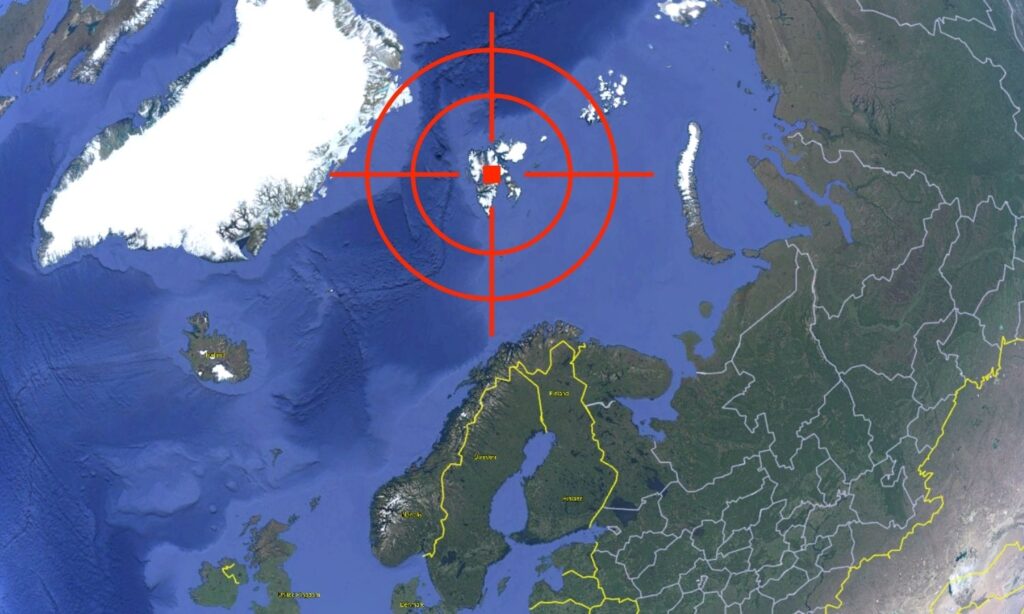
Svalbard in the crosshairs on a map. Collage: Euromaidan Press

US Central Intelligence Agency Director John Ratcliffe's visit to Moscow has triggered much speculation. The main thesis is that Russia may be preparing to conduct an act of aggression against a NATO member in the relatively near term to invalidate NATO's Article 5.

According to sources cited by the Wall Street Journal, Ratcliffe delivered a warning to Russia not to attack NATO countries. Estonia, Latvia, and Lithuania were singled out in a Politico report on 26 August, citing two "sources familiar with the matter."

Every warning names the Baltics. Estonia, Latvia, and Lithuania are where the CIA pointed, where the intelligence assessments focus, where NATO has massed its tripwire forces. But the Baltics are defended. The one piece of NATO territory Russia could seize before anyone could stop it—and that hands hesitant Western capitals a ready-made excuse not to respond—lies far to the north. It is Svalbard.
cia director john ratcliffe
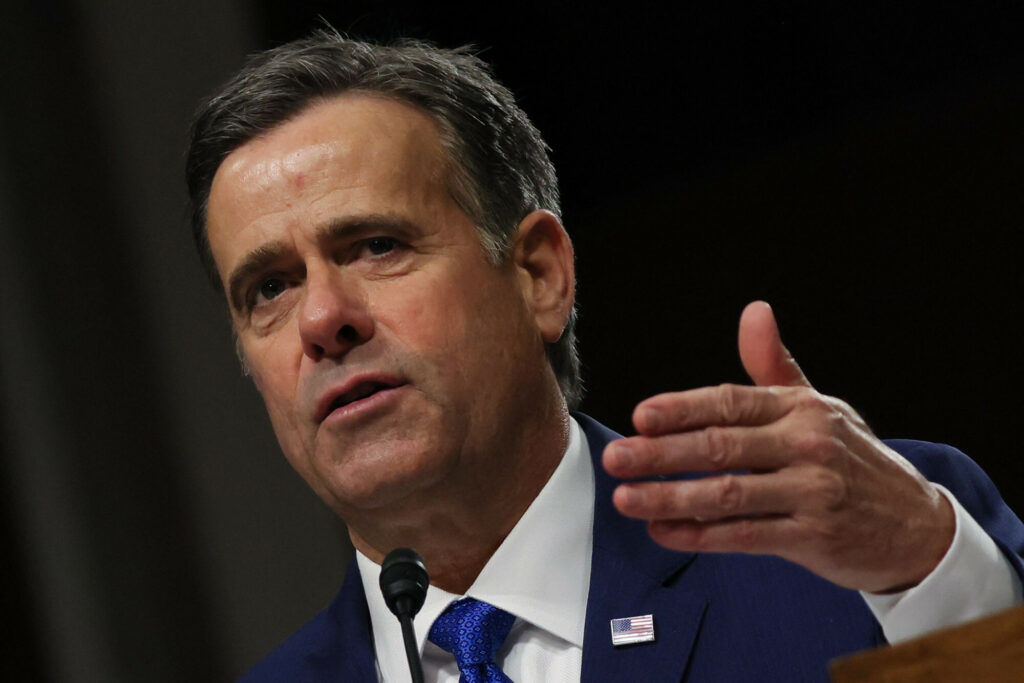
CIA Director John Ratcliffe made the first known visit to Moscow by a serving CIA chief since 2021. Photo: Jemal Countess/AFP/East News.

The timeline

On 6 August, citing new US intelligence reports, the Wall Street Journal reported that "US intelligence is warning that Russia may attempt to test NATO's resolve by carrying out a limited strike against one of the Alliance's member states within the next few years." US intelligence assessments indicate that any action by Russia could occur between this autumn and 2029. This is only the latest in a series of warnings of the risk of war with Russia. Leaders of NATO's eastern flank countries recently issued public warnings, citing intelligence that Russia is preparing provocations on their territory.

On 29 August, the Polish Prime Minister said there were signs that Russia was seriously preparing for an escalation and that the next seven to eight months could be critical for the security of Ukraine, Poland, and the entire region.

The Institute for the Study of War (ISW) argues that a CIA director's personal visit to deliver a message is unusual and generally reserved for sensitive matters of the highest importance. Ratcliffe's arrival in Moscow on a C-17 military transport aircraft and his use of an American motorcade suggest that the US regarded its intelligence as urgent and sensitive—not a warning of a distant threat. The visit indicates concern about a much shorter timeline than the US intelligence reports of early August suggested.
latvia just moved russia attack here's where report does · post latvian armed forces reservist training soldiers ukraine news ukrainian reports
Explore further

Latvia just moved from “Russia might attack” to “here’s where you report if it does”

That timeline is shaped by Europe's urgent effort to close its critical military vulnerabilities by 2030. Russia is unlikely to wait until Europe has regained its strength.

The last CIA director's trip to Moscow was in November 2021, when William Burns made a final effort to deter Russia's full-scale invasion of Ukraine. To state the obvious: Burns' effort failed—and he served a president friendly to NATO and to international law. Ratcliffe serves a president who treats Europe as a strategic adversary; his warning is unlikely to shift Moscow at all.

The threat: sub-threshold is over

The EU White Paper describes Russia as the "fundamental threat" to European security for the foreseeable future, citing its war economy, industrial mobilization, nuclear posture, and cooperation with Belarus, Iran, and North Korea.

According to assessments by several EU intelligence services, Russia's rapidly expanding military-production capacity could give it the ability to test the unity of Western countries and the effectiveness of Article 5 within the next three to five years. The US recently warned Poland that Russia is planning an armed provocation on Polish soil designed to test NATO's commitment to collective self-defense.

Let us be clear: Russia has been testing the unity of Western countries and the effectiveness of Article 5 for years already.

It is waging an ever-escalating hybrid war that could—and arguably should—have triggered Article 5 long ago. It is attacking critical infrastructure, conducting sabotage and cyberattacks, running influence and information operations, violating NATO airspace with missiles and drones, and flying UAV intelligence, surveillance, and reconnaissance missions over allied territory. On 23 August, The Telegraph reported, citing Western intelligence sources, that Russia has launched a new wave of attacks on weapons factories in Europe, recruiting members of local criminal gangs and testing NATO's response.

None of it has forced a response. That is the point. To test NATO's commitment to collective defense—rather than merely its patience—Russia must escalate beyond the sub-threshold. It must stage the one thing it has so far avoided: a military operation that forces NATO to confront Article 5.

To test NATO's commitment, Russia must ecalate—stage a military operation that forces NATO to confront Article 5

The window for doing so is closing. On 11 December 2025, NATO Secretary General Mark Rutte warned that Russia could attack a NATO country within five years, adding that the Alliance must "be prepared for the scale of war our grandparents or great-grandparents endured"—the first time since World War II that a secretary general has raised the prospect of a full-scale war on NATO soil. NATO's generals warn of war by 2029; Europe will not be ready until 2035. Russia has every incentive to act inside that gap, before it narrows.

The gap is real. These assessments have emerged against a backdrop of critical munitions shortages: Patriot interceptors, long-range precision-guided missiles, tactical ground-launched missile systems, 155mm artillery shells, and Stinger short-range surface-to-air missiles. US stocks have been badly depleted by weak defense-industrial production and by the Israel–US confrontation with Iran. NATO has since named Integrated Air and Missile Defense a top priority for the Alliance's survival and deterrence, calling for a 400 percent increase in air- and missile-defense capabilities. That is the measure of the shortfall. Worse, recent exercises have shown the Alliance is nowhere near ready to fight a drone war with Russia.

Most analysis fixes on the Baltics. In my opinion, there is a more likely scenario: the seizure of Norwegian sovereign territory in the High North.
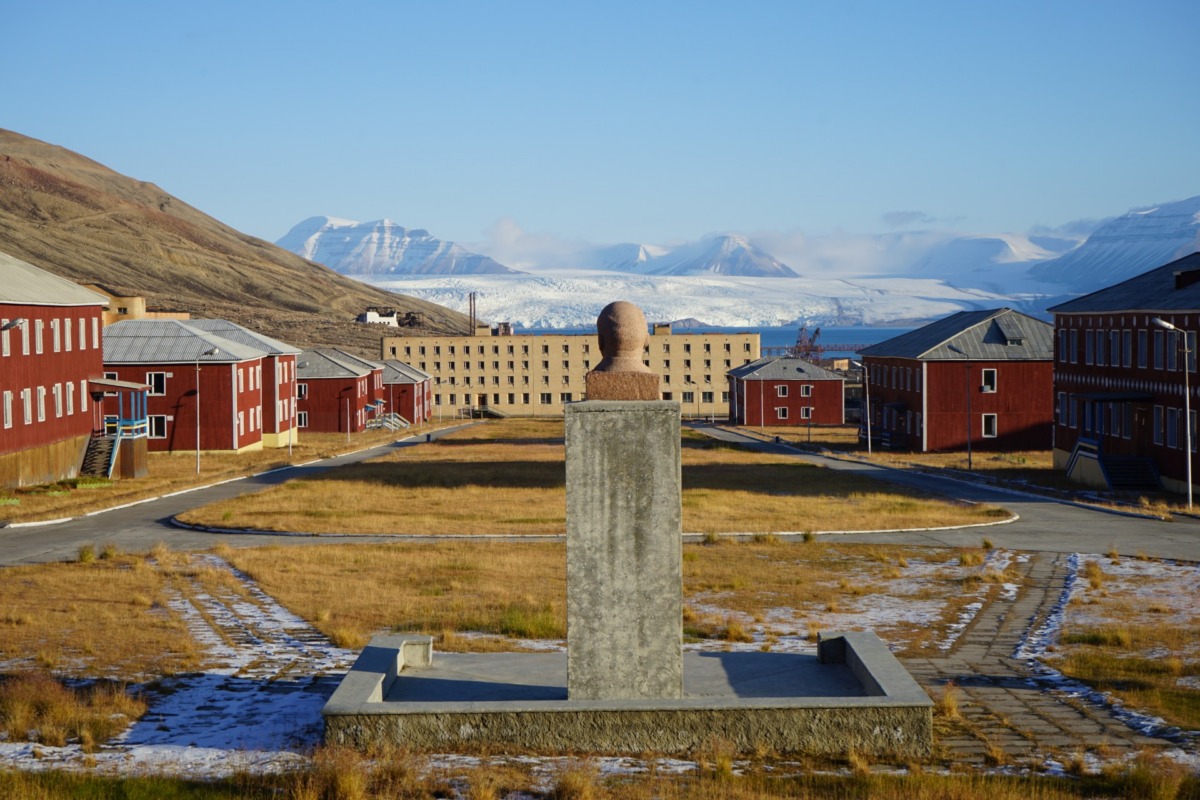
how norway became test target russia’s arctic hybrid war · post pyramiden abandoned soviet coal mining settlement norwegian archipelago svalbard now tourist destination which has become thomas nilsen barents observer
Explore further

How Norway became a test target for Russia’s Arctic hybrid war

Why Svalbard: the tripwire it lacks

Admittedly, no intelligence service has ranked Svalbard above the Baltics. That is puzzling, given that while the Baltic states are a challenge for Russia, Svalbard is a challenge for NATO.

Estonia, Latvia, and Lithuania are defended by a standing tripwire. NATO permanent battlegroups operate in each—the UK leads in Estonia, Canada in Latvia, Germany in Lithuania—backed by a forward-defense posture built to stop any incursion at the border rather than liberate territory afterward. In response to Russian airspace incursions, drone provocations, and GPS jamming, NATO stood up the Eastern Sentry initiative; after repeated undersea cable cuts, it added Baltic Sentry to patrol the sea and guard the infrastructure. The Suwałki Gap—the 60-kilometer land corridor linking Poland to Lithuania between Belarus and Kaliningrad—is heavily fortified and rehearsed in large multinational exercises.

An attack on the Baltic countries hits allied forces on day one, forcing the Alliance to act, and it requires a force buildup that telegraphs intent and escalates toward exactly the general war Russia wants to avoid.
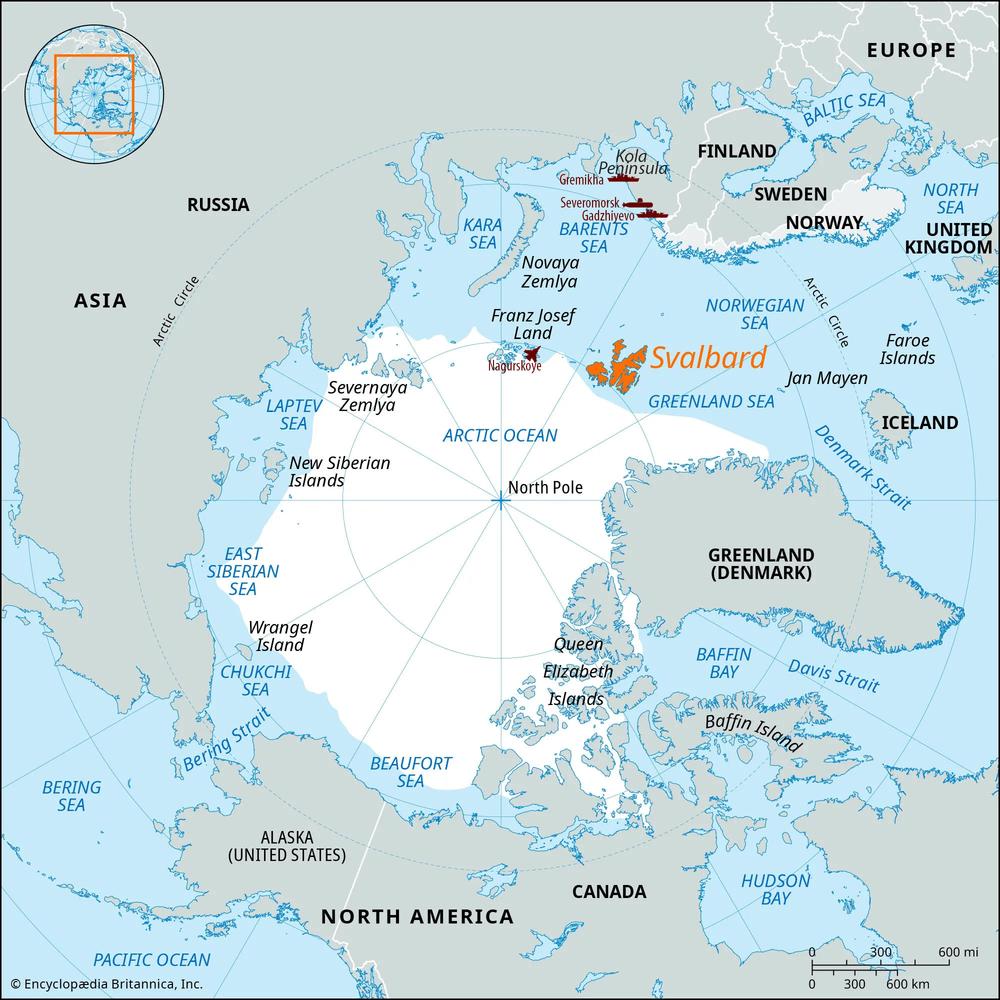
Arctic Russian military bases Norway
Map of selected Russian military bases in the Arctic by Encyclopedia Britannica, with edits by Euromaidan Press

Svalbard offers the opposite. There is no permanent garrison and no fortification, because Article 9 of the 1920 Svalbard Treaty bars naval bases, fortifications, and any "warlike" use of the archipelago. Norway retains the sovereign right to defend it—Coast Guard and naval vessels call at Longyearbyen, and defensive measures under Article 5 are permitted—but there is no standing tripwire, and the treaty ensures there never will be.

That is the vulnerability: Russia can seize the archipelago by surprise and present a fait accompli before any force can reach it.

And it hands hesitant Western capitals a ready-made excuse. Svalbard is Norwegian sovereign territory, and Norway holds—correctly—that Article 5 applies to it. The land-territory question is not genuinely ambiguous; Russia manufactures the ambiguity, contesting Norway's interpretation and pointing to the treaty's demilitarized character to argue that any response is itself a violation. But in a strategic environment where Western leaders seek any reason not to engage Russia, that manufactured doubt—remote outpost, unpopulated rock, a "demilitarized" treaty—is enough.

The excuse is political, not legal. And the excuse is the objective: a visibly divided Alliance, unable to agree whether or how to respond, is the entire purpose of a Russian move against a NATO member.

If Russia achieves surprise, it will meet no opposing force. The Northern Fleet operates in the area routinely; Russia's Arctic forces—roughly 15,000 to 20,000 troops across motor-rifle and naval-infantry brigades, with cold-weather armor and layered anti-access/area-denial systems—are already in place. Svalbard sits within range of Russian tactical aviation flying from the Kola Peninsula, which could establish air control fast enough to keep NATO from landing at all.
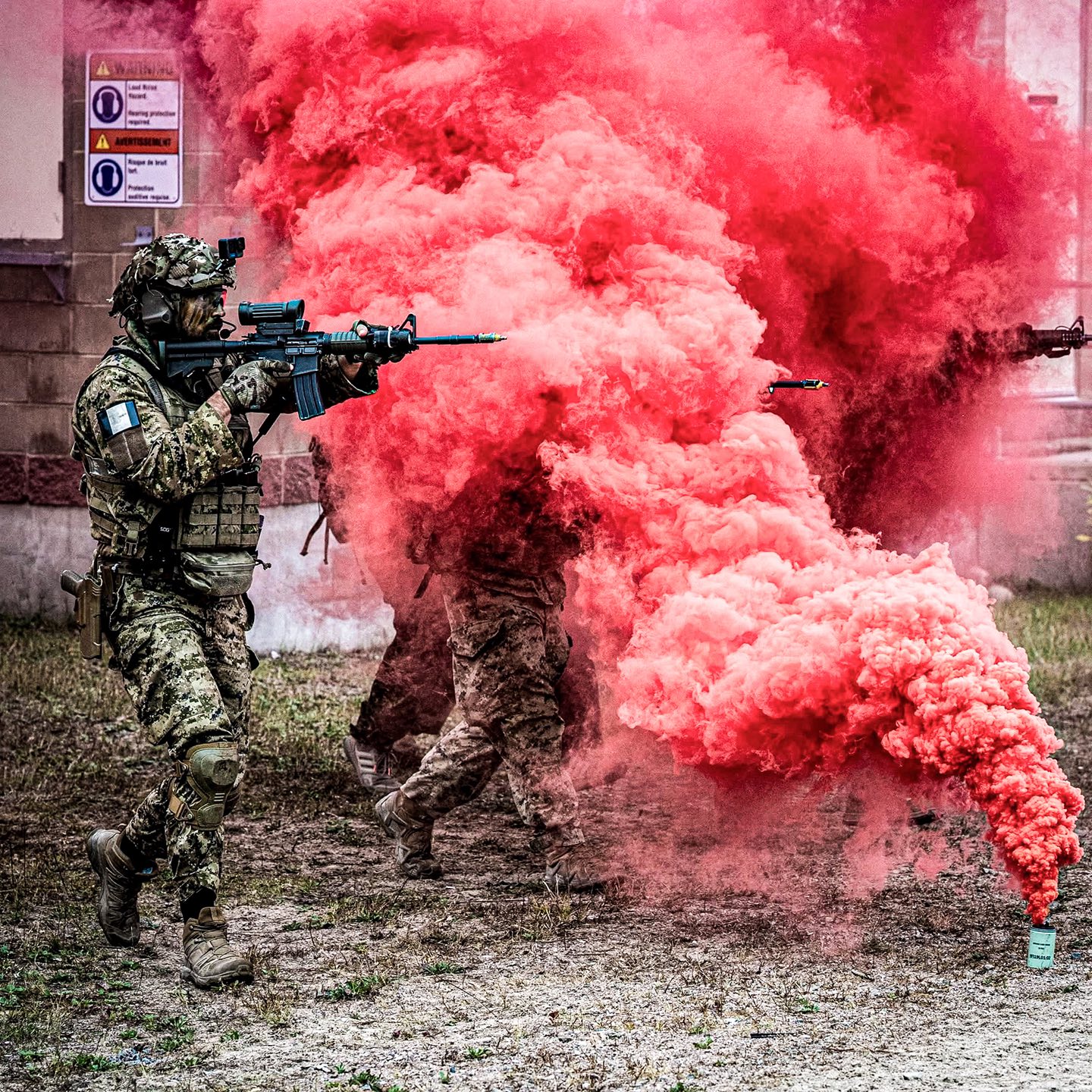
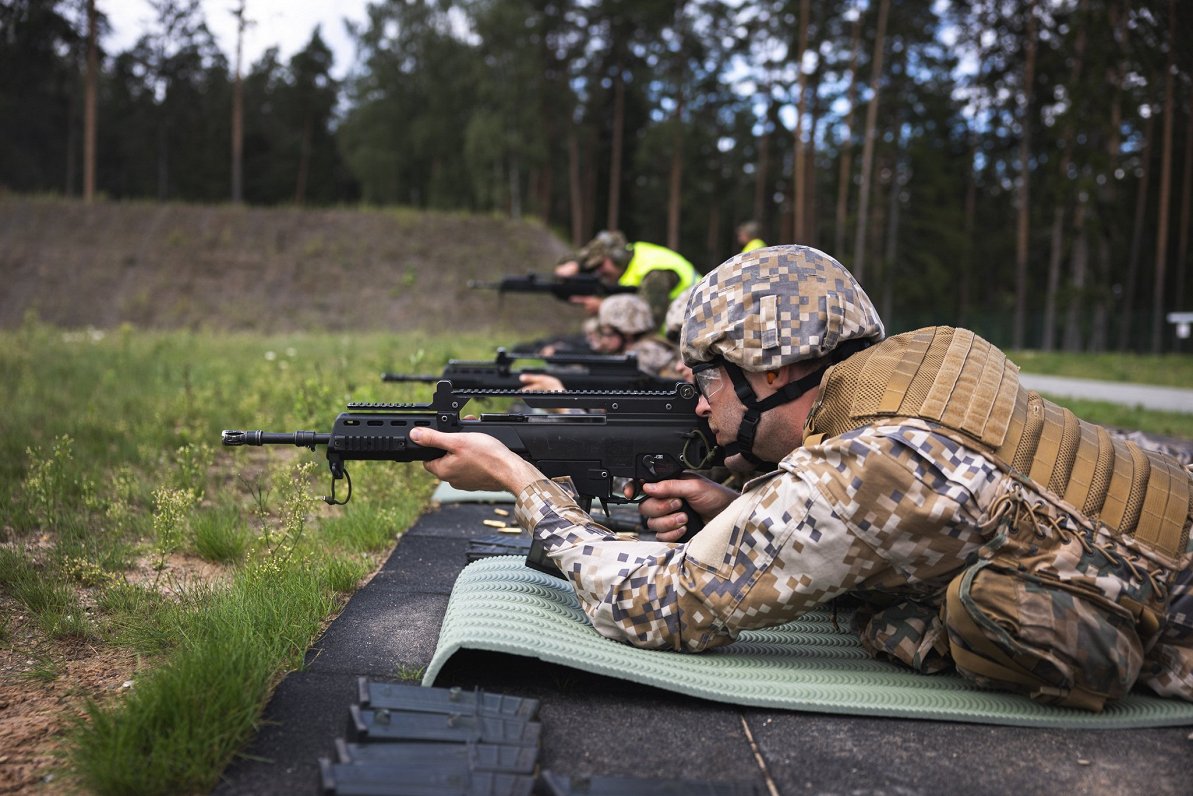
NATO soldiers at the training. Source: Supreme Headquarters Allied Powers Europe (SHAPE)
Explore further

NATO’s generals warn of war by 2029. Europe won’t be ready until 2035.

What Russia would gain

The occupation would also pay for itself many times over, shifting the balance across the entire Arctic and North Atlantic.

The primary military incentive is nuclear. The Kola Peninsula houses Russia's strategic ballistic-missile submarines, and holding Svalbard would close the shallow Barents Sea into a protected bastion where those submarines—the core of Russia's second-strike deterrent—could operate insulated from NATO. Control of the archipelago also locks the "Bear Gap," the stretch between Svalbard and Norway's North Cape. Anti-ship and anti-air batteries on the islands would let Russia choke off NATO surface and anti-submarine forces from the Barents Sea while guaranteeing its Northern Fleet unhindered breakout routes into the North Atlantic.

norwegian vessels
The Norwegian Coast Guard and Norwegian Customs were checking when the Russian Belomorye loaded fish to the Norwegian Silver Copenhagen in a fjord in Svalbard. Credit: Kystvatnek

The archipelago is also a forward platform. Using existing infrastructure such as Longyearbyen's airport, Russia could base tactical aircraft and long-range maritime patrol aircraft hundreds of kilometers further west than its current fields on Franz Josef Land. Seizing SvalSat—one of the world's largest commercial satellite ground stations—would let Moscow blind or repurpose a hub critical to Western environmental, civilian, and dual-use satellite operations. And by holding the "gateway to the Arctic," Russia would gain physical leverage over the western entrance to the Northern Sea Route, an increasingly viable shipping lane as the ice retreats.

These are gains Russia would want under any circumstances. They are not why Svalbard is the likely next target—that case rests on the tripwire it lacks and the window that is closing. But they explain why, of all the ways to test Article 5, this one carries no offsetting cost.
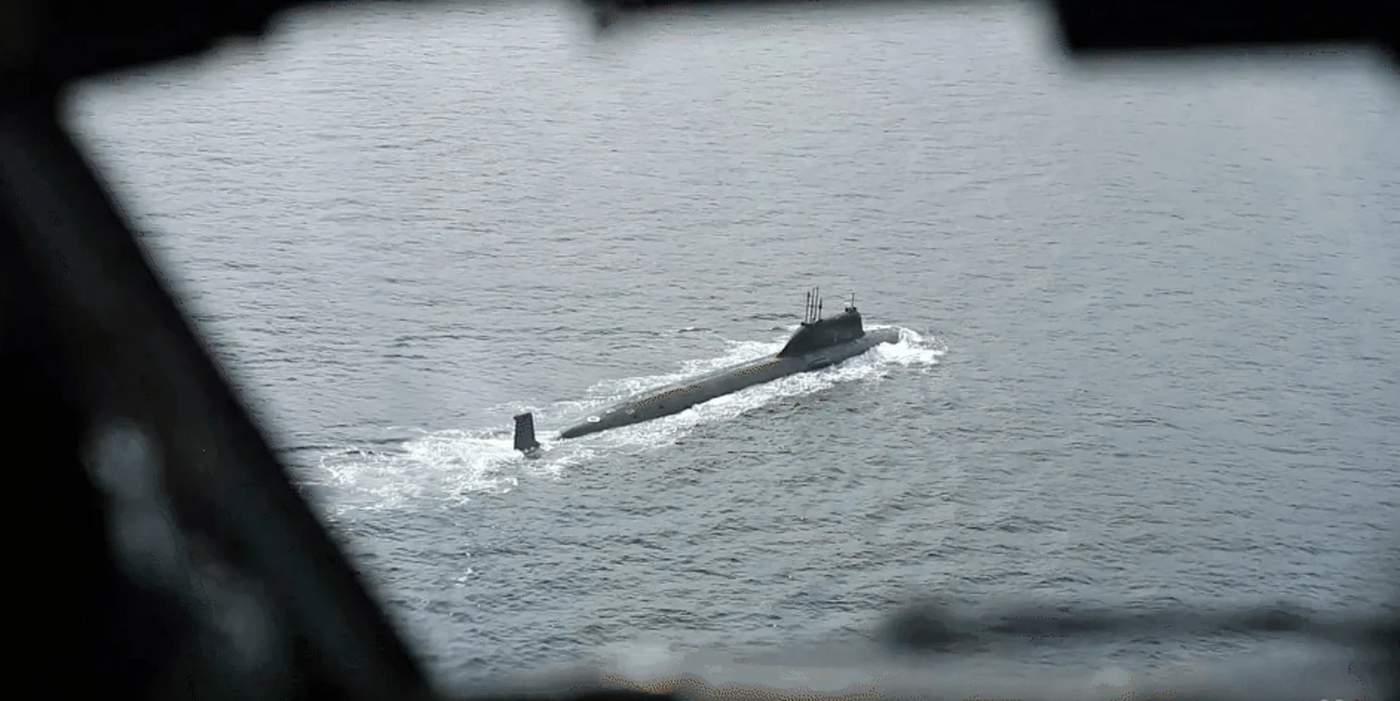
Russian nuclear submarine Norway
Explore further

Frozen front: Why Norway sees Ukraine as its Arctic security shield

Conclusion

The map confirms the logic. Baltic officials and government-affiliated analysts stress that NATO should take the Russian threat seriously but that their immediate assessment has not changed—there is no large-scale buildup along the Russian border with the Baltic states. The only NATO territory open to invasion without such a buildup is Svalbard.

According to the Norwegian Intelligence Service, Russia "will remain intent on preventing NATO from making military use of the archipelago" and aims "to increase Russian scope for action in Svalbard, to influence attitudes to Norwegian defence policy, to instil fear, polarisation and political apathy in the population and to undermine trust in Norwegian authorities—in addition to weakening support to Ukraine." Norway's proximity to the Arctic, its energy supply to Europe, and its role as a logistics and reception hub for allied forces all make it a target.

A limited attack on NATO's northern flank would aim to invalidate Article 5 by producing a situation the North Atlantic Council—which must vote unanimously to honor the mutual-defense clause—cannot resolve. Moscow would choose the operation most likely to leave NATO unable to unify on a decisive response, and thus unable to come to the aid of the member attacked.

A failure to invoke Article 5, or to act on it, would gut the credibility of the guarantee—one of Vladimir Putin's longest-standing strategic objectives beyond Ukraine.

Retaking Svalbard would mean moving NATO amphibious forces more than 1,000 kilometers across open ocean patrolled by Russian submarines and dominated by Russian aviation—an extremely risky and costly endeavor, with no guarantee of success. A Russian occupation would also feed an unhinged American president's fixation on Greenland, eroding Alliance cohesion further still.

Attacking the Baltics—defensively prepared, reinforced by allied forces, and offering none of Svalbard's advantages—makes no comparable sense.

The information war has already started. Russian Foreign Minister Sergei Lavrov published an article on 31 August accusing NATO of militarizing the Far North in a "direct threat" to Russian security and an attempt to turn the Arctic into a "new front" against Russia—laying the groundwork to frame any Russian move as a pre-emptive defense. The same day, Russia's Ambassador to Norway, Nikolay Korchunov, claimed that Norway's "creeping abandonment of its own guiding principles regarding foreign military activity on its territory undermines the country's sovereignty" and warned of "a slide into direct military conflict."

Forcing Article 5 requires a military act, and the one place where it can be staged is Svalbard.

NATO has committed, repeatedly and at every level from the Strategic Concept to the Secretary General, to defend "every inch of Allied territory." Svalbard is where Russia intends to prove that commitment empty.

Russia has exhausted the sub-threshold; forcing the Article 5 question now requires a discrete military act, and the window for it closes as Europe rearms. The one place that act can be staged—without a telegraphing buildup, against territory with no tripwire, offering a built-in political excuse for NATO to hesitate—is Svalbard.

That is why, if Russia moves, the logic points north.

Hans Petter Midttun

Hans Petter Midttun, independent analyst on hybrid warfare, Non-Resident Fellow at the Centre for Defense Strategies, board member of the Ukrainian Institute for Security and Law of the Sea, former Defense Attaché of Norway to Ukraine, and officer (R) of the Norwegian Armed Forces. 
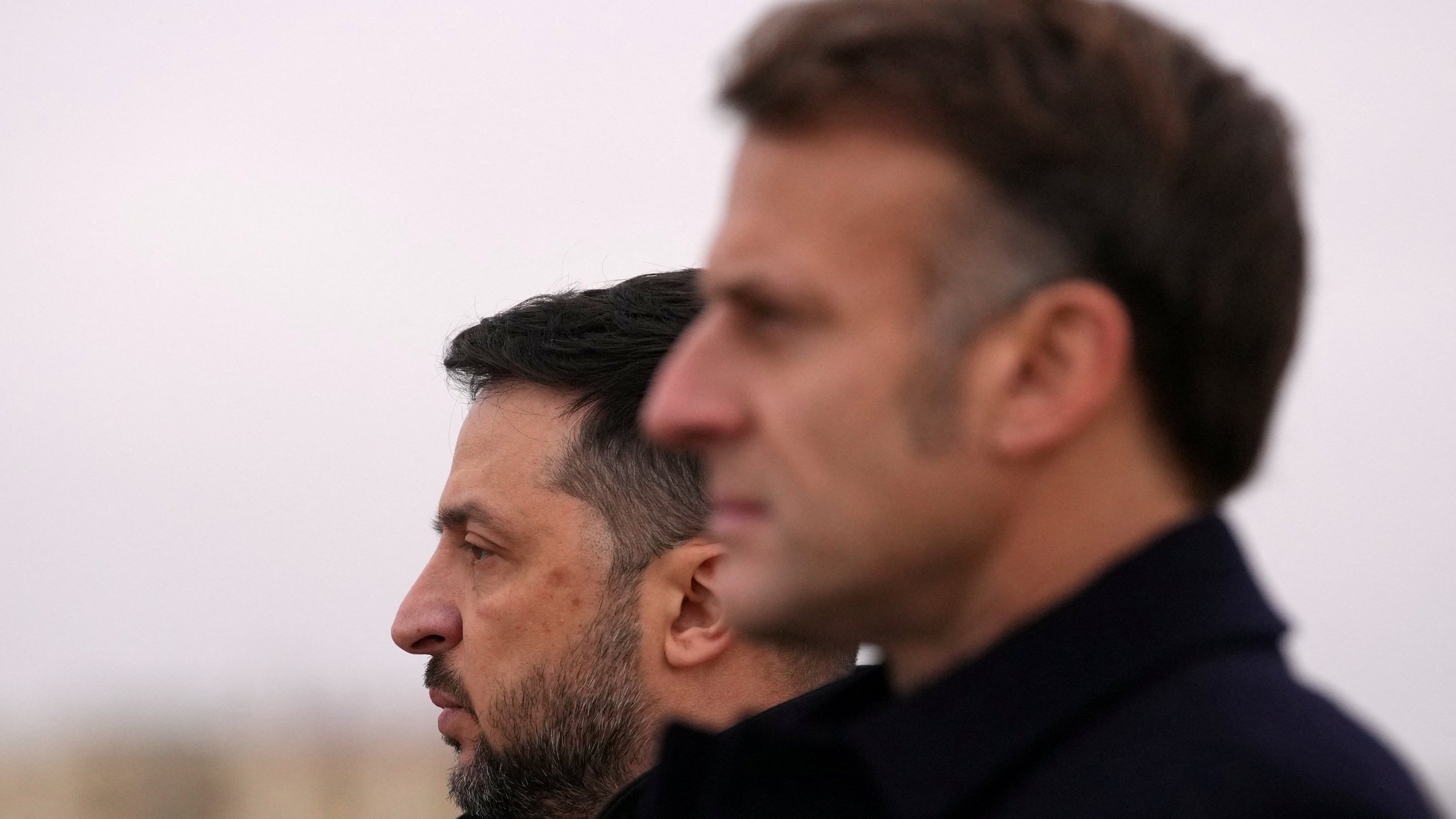
zelenskyy in france
Explore further

The alliance Russia fears isn’t NATO. It’s a coalition that will actually fight.

  • ✇Euromaidan Press
  • Is a fifth or well over half of Wildberries gone—or can both counts be right?
    Since mid-July, Ukrainian drones have burned their way through the warehouses of Wildberries, Russia’s answer to Amazon, and how much of it is gone has become a question with too many answers.Estimates in circulation range from a fifth of the company’s network to well over half, and they clash because each counts something different. Only by sorting out what each figure measures can you see what the campaign has actually done—and what it has done is heavier, where it co
     

Is a fifth or well over half of Wildberries gone—or can both counts be right?

13 août 2026 à 11:38

logistics centre in Bashkortostan, Russia,

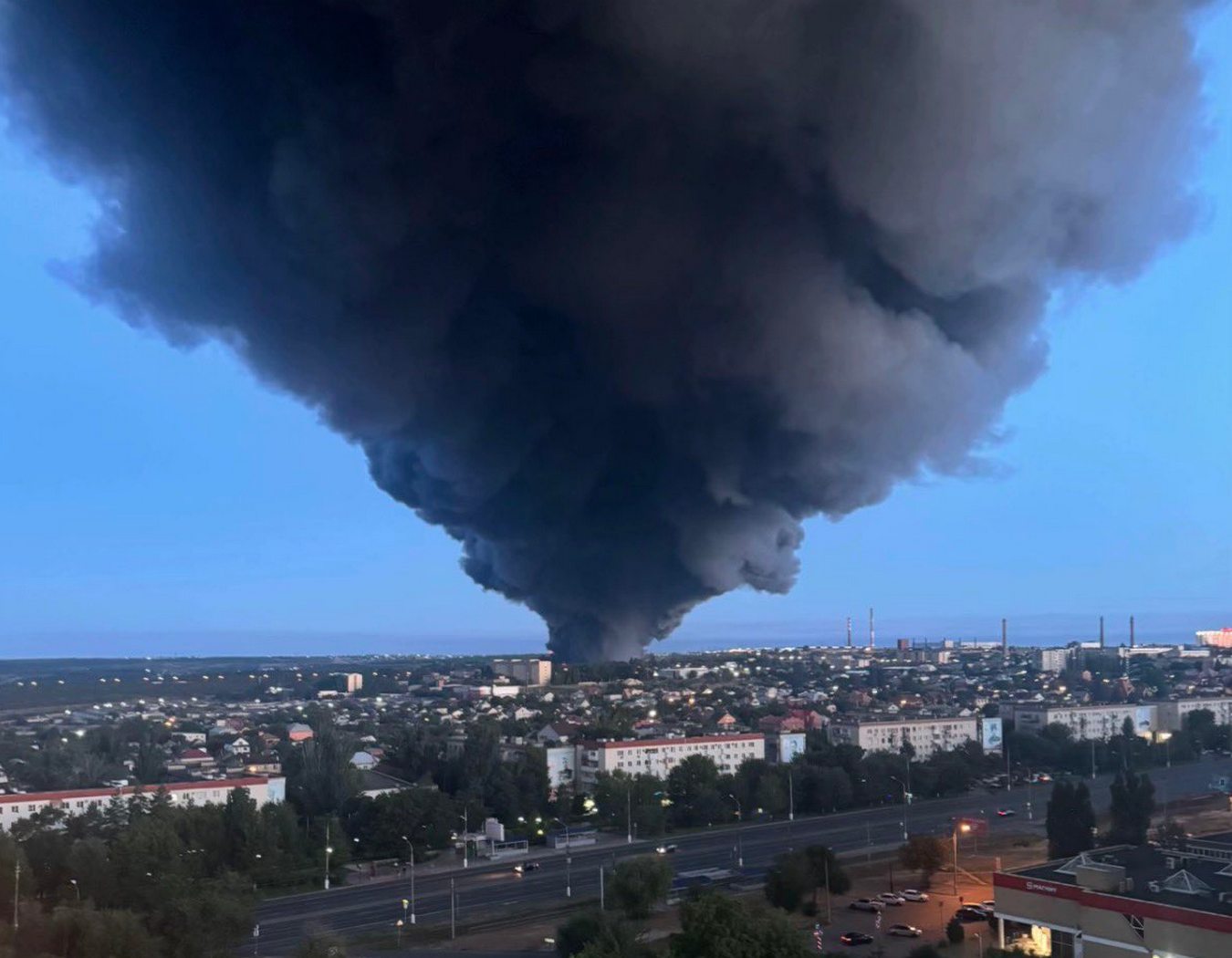
Since mid-July, Ukrainian drones have burned their way through the warehouses of Wildberries, Russia’s answer to Amazon, and how much of it is gone has become a question with too many answers.

Estimates in circulation range from a fifth of the company’s network to well over half, and they clash because each counts something different.

Only by sorting out what each figure measures can you see what the campaign has actually done—and what it has done is heavier, where it counts, than the modest numbers suggest.

Ukraine has concentrated its drones on a couple of dozen hubs that move most of the goods, while the hundreds of small depots that pad the total remain mostly untouched.

Wildberries’ network is scattered across hundreds of small sorting points that would hardly be missed if one burned.

Wildberries is no marginal target. Nearly half of everything Russians buy online runs through it, a marketplace as woven into daily life there as Amazon is in the West. And Kyiv is not burning it for the sneakers.

Estonian military intelligence reports that Wildberries, though not a military firm, supplies the Russian armed forces with kit bought straight off the platform—body armor and drone parts—a case Ukraine makes too. Wildberries denies it.

Yet once the strikes began, the company pulled its “SVO” tag, the label that had gathered those goods in one place, while the goods stayed on sale under other categories; it also barred warehouse workers from carrying camera phones.

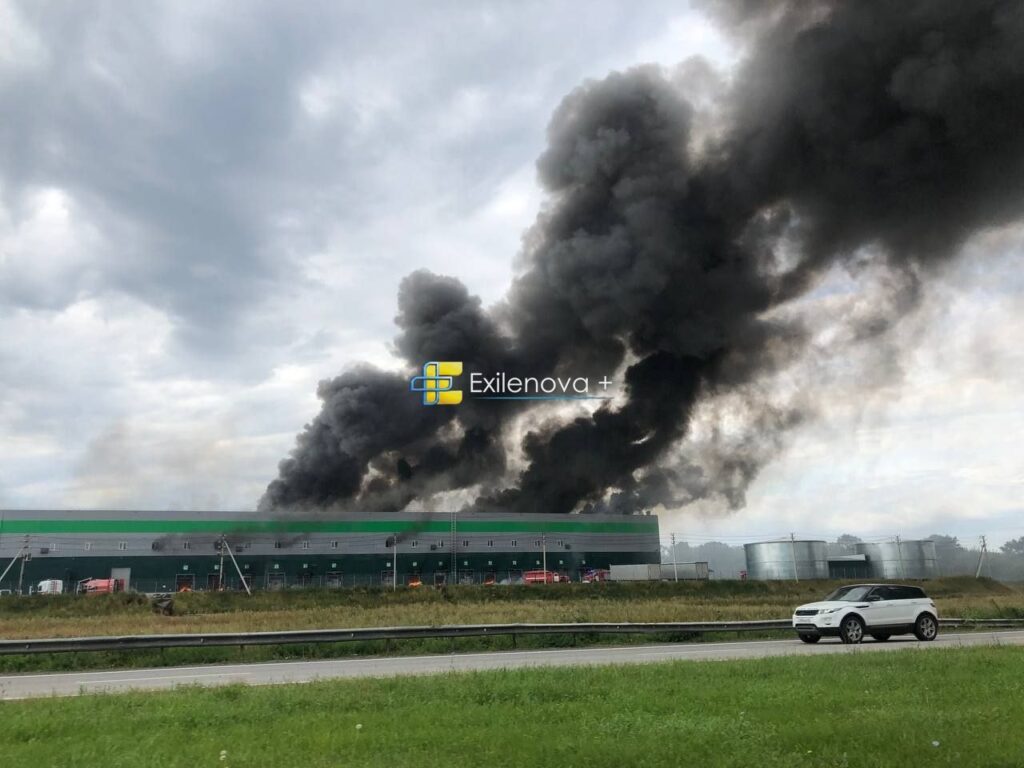
drones hit volgograd kept flying 1100 km tatarstan · post large fire black smoke over russia after ukrainian drone strike wildberries logistics center 31 2026 exilenova+ ukraine news reports
Explore further

Russia’s largest retailer is taking cameras away from its own workers month after eight of its warehouses burned

Count the hubs, and the damage jumps

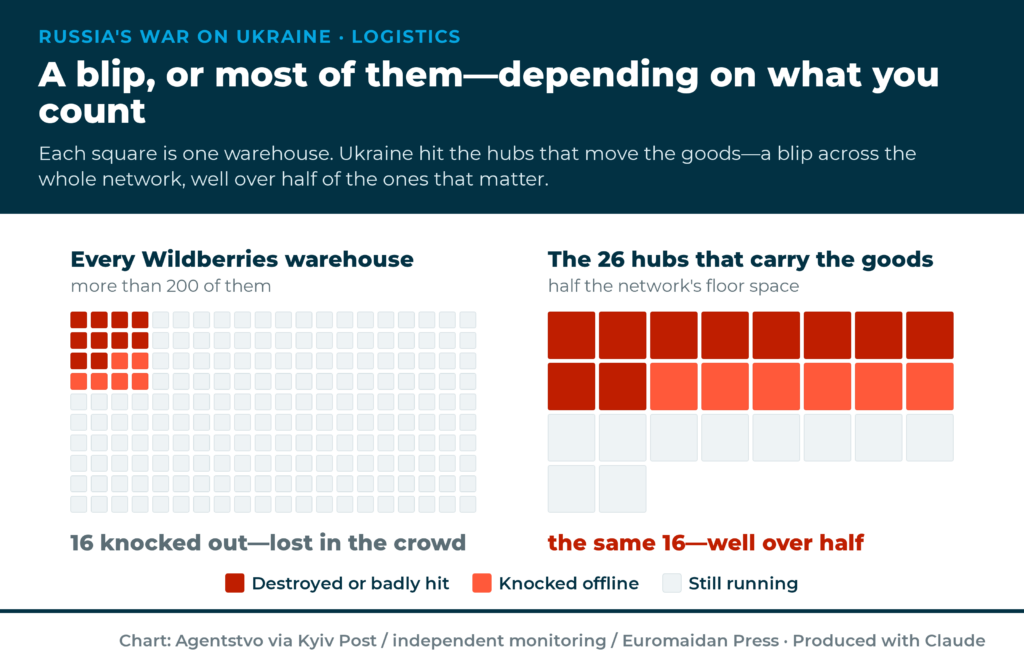
The clash comes down to the word “network.” Most of Wildberries’ floor space is scattered across small sorting points that would hardly be missed if one burned. Set the damage against all of it, and the loss—about a fifth—looks minor.

But the parcels move through these two dozen hubs that hold more than half the company’s space, and those are the ones Ukraine has hit: more than a third are damaged, and by another count, well over half are out of action. It is the same campaign counted in two ways, and only the second shows its aim.

The gap between a building’s size and its damage is easy to miss, and the biggest hub shows how. Koledino, outside Moscow, covers more than 200,000 square meters, and that number keeps getting logged as a loss.

It shouldn’t be. When a drone came down there on 28 July, the fire took a neighboring warehouse—a separate operator that stocks shelves for chains like Lenta and Auchan—while the Wildberries hub kept working.

depending on how to count, ukraine has taken out either a fifth or well over half wildberries warehouses
Ukraine has concentrated its drone strikes on the major hubs that move most of Russia's goods. Measured against all 200-plus Wildberries warehouses, the damage looks like a blip; measured against the largest hubs, it takes out well over half. Chart: Agentstvo via Kyiv Post / independent monitoring / Euromaidan Press · Produced with Claude

Damage reaches beyond the warehouses

The Wildberries strikes are one arm of a declared campaign. On 25 June, Zelenskyy announced a 40-day operation to pressure Russia to end the war.

The warehouse strikes began on 18 July near Moscow and have since spread across a dozen regions, reaching as far as Yekaterinburg in the Urals.

The cost runs beyond floor space. At least eight people have been killed in the strikes so far—warehouse staff and residents caught near the hubs when the drones came down. And the pressure is pushing the company outward: Wildberries is scouting for storage in Kazakhstan, hunting warehouse space beyond the reach of Ukrainian drones.

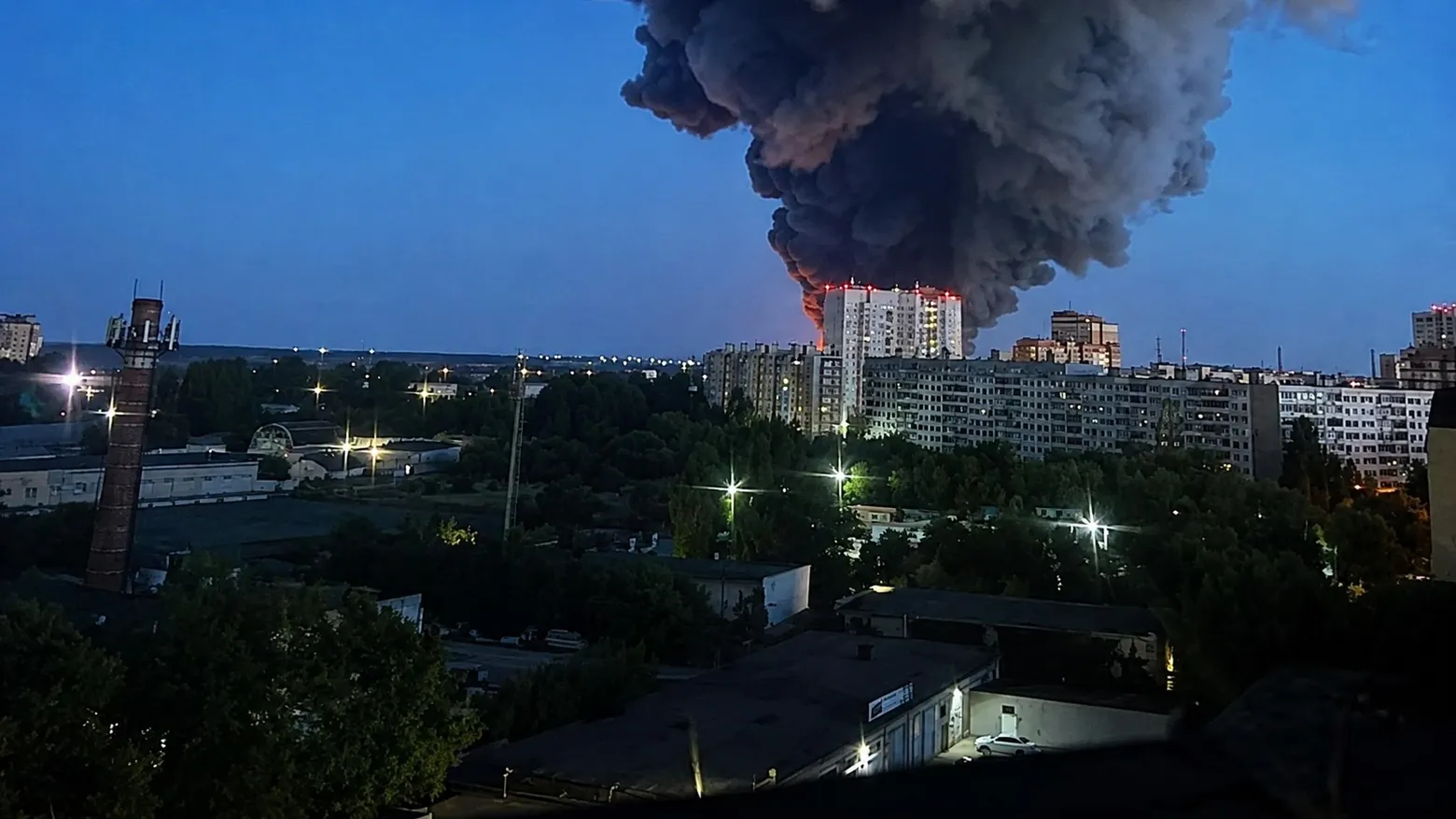
drones hit volgograd kept flying 1100 km tatarstan · post large fire sends up black smoke over russia after ukrainian drone strike wildberries logistics center 31 2026 x/@bayraktar_1love bayraktar_1love hoivgso
Explore further

Ukraine’s strikes gave Kazakhstan leverage over Russian retail giant Wildberries

The fires have become a line in Russia’s budget. The Kremlin is weighing state loans to keep Wildberries upright—at a point when the federal deficit had, halfway through 2026, already outrun the shortfall the Treasury set aside for the entire year.

Oil and gas revenue, the Kremlin’s main source of war funding, keeps falling short. Russia appears unwilling to let a company this central fail. Paying to save it, hub by burned hub, is the bill Ukraine is now handing Moscow.

Russia’s biggest weapons maker has been under EU sanctions since 2022. Its 482 subsidiaries are the loophole.

12 août 2026 à 19:54

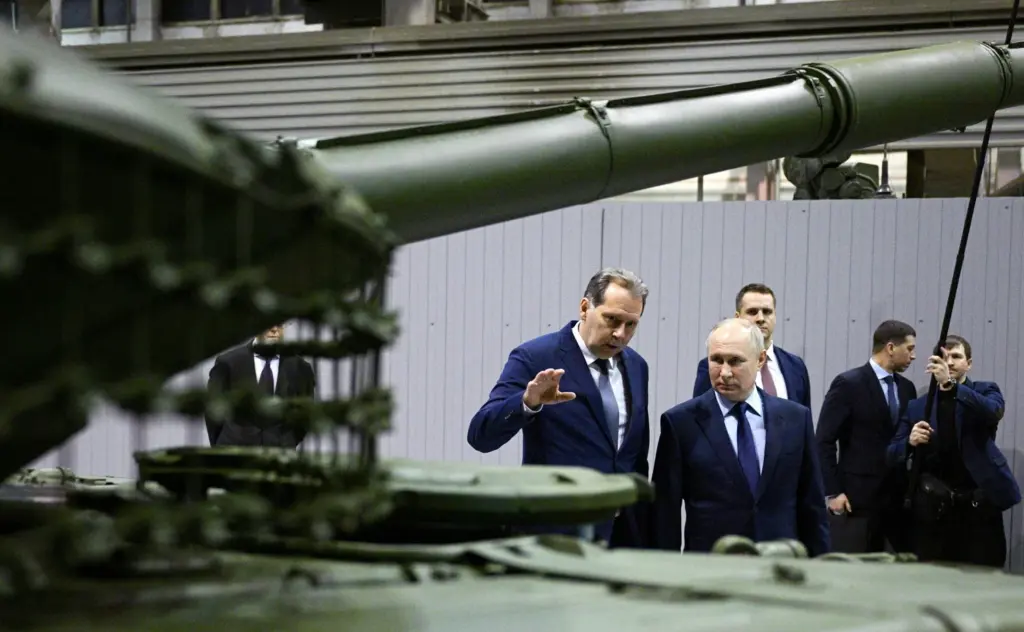
Vladimir Putin tours the Uralvagonzavod tank plant in Nizhny Tagil, part of Russia’s state-owned Rostec defense conglomerate, on 15 February 2024. Credit: Ramil Sitdikov/RIA Novosti via Kremlin.ru

At the G7 summit in Évian-les-Bains, France, in June, the leaders of the world's most powerful states again declared their intent to help Ukraine and to pressure Russia economically: "We commit to increase the pressure on the Russian war economy. In this context, we will strengthen our sanctions." But while G7 governments negotiate another round of political statements, the assembly lines of Russia's military-industrial complex keep turning out missiles and drones—from Western components and electronics.

A new analysis of Rostec—the giant of Russia's military-industrial complex—by the Independent Anti-Corruption Commission (NAKO) shows that the strategy of targeted strikes has reached a dead end. To make restrictive measures more effective, allies should consider wider use of export-control mechanisms against structures tied to Russia's defense-industrial complex. In many cases, export control can be a faster and more flexible instrument than full sanctions regimes.

Sanctions against Rostec

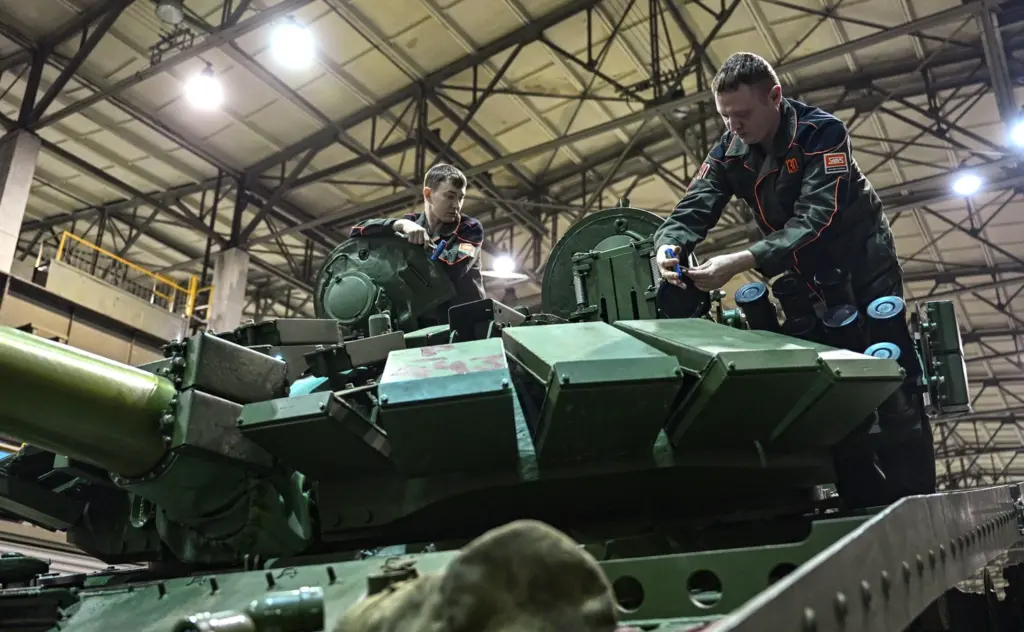
Workers assemble a T-72B3-series tank at Uralvagonzavod in Nizhny Tagil, part of Russia’s state-owned Rostec defense conglomerate, on 15 February 2024. Credit: Ramil Sitdikov/RIA Novosti via Kremlin.ru
What is Rostec?
  • Russia's largest defense and industrial holding, 100% state-owned
  • Its enterprises produce 80% of military equipment Russia uses in its war on Ukraine, Russian officials say
  • Accounts for about half of Russia's defense procurement
  • Employs 500,000–700,000 people at roughly 700–800 enterprises

Hitting the tip of the iceberg is not enough. Sanctions have been placed on Rostec itself, on its best-known holdings, and on individual plants caught manufacturing weapons. But this giant has many branches, visible and hidden, and the sanctioning process itself takes years. The result is that sanctions policy often looks ineffective—and it is easy to see why.


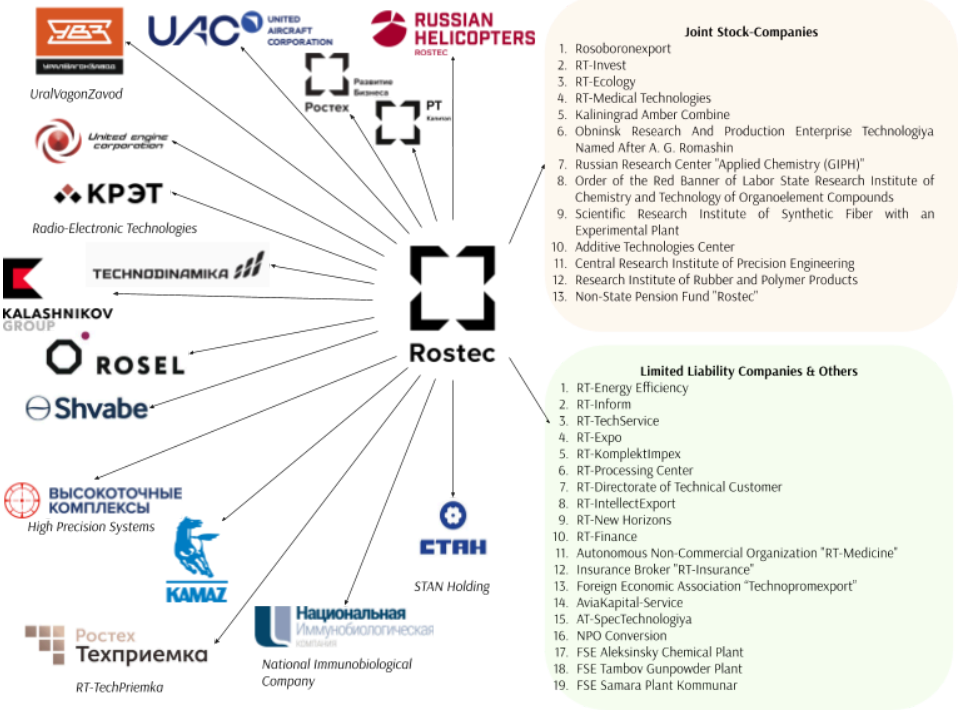
NAKO's analysts traced and identified 482 key legal entities within Rostec's structure. This is the most complete map of the conglomerate that currently exists, and even it covers only part of the concern. A vast network of subsidiaries operates in total secrecy: they hide financial reporting, classify tenders, and mask beneficial owners behind chains of fictitious founders.

Rostec subsidiaries identified by NAKO
Rostec subsidiaries identified by NAKO. Screenshot from NAKO report

And while the West spends months assembling evidence against a single plant, Rostec quickly spins up new "clean" shell firms or brings new enterprises and factories under its control.

Ukraine has imposed sanctions on 72% of the identified Rostec enterprises. The United States covers 45%. And here it gets interesting: the European Union has managed to sanction only 23% of the conglomerate's companies. The United Kingdom takes an even more "selective" approach.

The EU has sanctioned only 23% of Rostec's companies.

The analysis also found a huge asymmetry between jurisdictions. The US, the EU, the UK, Switzerland, and Asian states apply entirely different approaches. What is blocked in the EU can operate freely under British or Japanese law. And while sanctions from even one jurisdiction are a significant red flag for banks, manufacturers, and regulators, the legal gap itself lets Russia keep access to technology.

How Russia gets around the sanctions

This lack of coordination among allies, combined with a complex, multi-layered corporate structure, keeps feeding Russian weapons with Western microelectronics. A vivid example is KRET (Radio-Electronic Technologies Concern), which produces the electronic-warfare systems Russia uses to jam Ukrainian drones at the front. London has sanctioned not a single enterprise in this holding—and there are at least 40 of them.

The result? Legally, these smaller companies fall under restrictions purely by belonging to Rostec. In practice? British manufacturers or distributors are unlikely to spend time tracing the link between Rostec and one of its hundred-odd enterprises buried in corporate layers; seeing no risk, they simply sign the deal with an unremarkable plant.

Another example is the Shvabe holding, whose sights and thermal imagers sit on Russian equipment. It ships its products to international exhibitions in the UAE without difficulty.

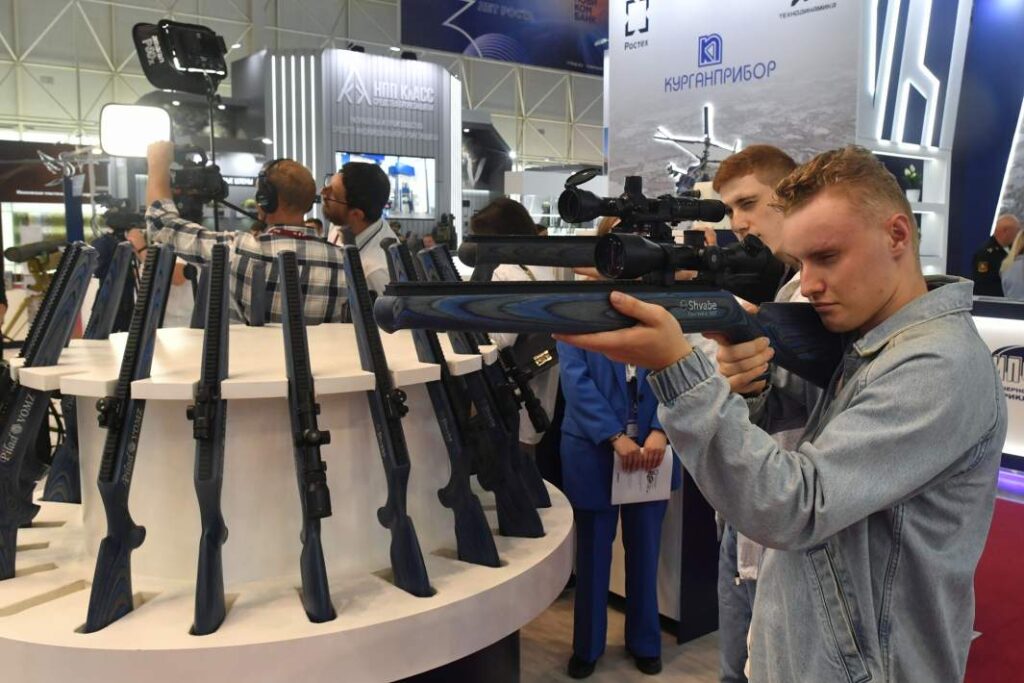
Small-arms sights on display at the booth of Russia’s Shvabe Holding, part of state-owned Rostec, at the MILEX-2025 arms exhibition in Minsk, Belarus. Credit: Mikhail Voskresensky/RIA Novosti

Other enterprises and whole holdings are frequent guests at exhibitions in China and India—steadily present and visible to a range of countries that could be subject to secondary sanctions. With those same countries Russia signs deals to sell another batch of helicopters, or shows off upgraded drones that have "proven their effectiveness on the battlefield against Ukraine." And it is through such countries that Western components keep reaching Russia.

This matters because Russia's import-substitution program—including in microelectronics—has never worked. Not yet, at least. Ukrainian military institutes examining captured missiles and downed drones report that Russian high-tech electronics simply are not there, sources that study the missiles have told NAKO. What they find are chips from American, European, and Japanese giants.

What is more, even these foreign components are usually nothing remarkable technologically. Yet as of today Russia still cannot produce even these—certainly not at scale—so it works the gaps in sanctions, export control, and "business as usual" with great finesse.

The next step: strengthening export control

The direction is already shifting. On 23 July 2026, the European Union adopted its 21st sanctions package—its largest batch of individual listings in four years. Fifty-six of them target Russia's military-industrial complex, 37 tied directly to long-range drones, and 51 more entities, many in China, Kyrgyzstan, Türkiye, and the United Arab Emirates, were placed under tighter export controls for feeding Russia the microelectronics and CNC machine tools its weapons depend on. It is the right target. The limit is that it still proceeds one entity at a time—and Rostec is built to outrun exactly that.

Banning the supply of certain critical goods to Kyrgyzstan—where such exports suddenly grew by more than 800%—or issuing regular financial warnings to intermediaries in the UAE and China are the right steps, and they force Russia to pay more. More than that: over four years, sanctions policy has repeatedly caused delays in the production and delivery of weapons and military equipment. But it has not stopped that production—as Ukraine keeps seeing with its own eyes during every mass strike.

The main conclusion that follows from our map of 482 key Rostec entities is the need to change the very logic of restrictive measures against Russia's defense-industrial complex.

Sanctions remain an important instrument, but they often prove slow, selective, and politically difficult to implement. A far wider use of export-control mechanisms, by contrast, could cut off access to international technology, equipment, and components faster and more effectively.

There should no longer be any need to prove separately the role of every nominal LLC somewhere near Chelyabinsk in Russian military production.

If an enterprise is part of Rostec's production, procurement, or technological chains—or those of other structures in Russia's defense-industrial complex—it should automatically become a candidate for export-restriction lists.

This approach would make it substantially harder for Russian defense enterprises to reach Western technology and would narrow the room to evade restrictions through subsidiaries, intermediaries, or formally civilian structures. Western banks, exporters, and compliance teams should not have to identify each new shell firm on their own. Instead, they should get a clear signal: involvement in the production or supply chains of Russia's military-industrial complex means elevated regulatory risk and the need to apply restrictive measures.

Economic pressure on Russia's defense sector must stop being fragmentary and reactive. It has to become systematic, predictable, and capable of outpacing the adaptive mechanisms of Russia's war economy.

Viktoriia Vyshnivska
Viktoriia Vyshnivska is a Senior Researcher at the Independent Anti-Corruption Commission (NAKO). Her work mainly focuses on supply chains delivering critical components to Russia, the use of foreign technologies in weapons production, and the impact of sanctions regimes on the defence capabilities of aggressor states. Her additional focus also includes Ukraine’s state-owned defense industry and democratic resilience.
Kateryna Biesiedina
Kateryna Biesiedina is Communications Manager at the Independent Anti-Corruption Commission (NAKO), specialising in strategic communications and media with a professional background in journalism and television production.

  • ✇Euromaidan Press
  • Ukraine funds its war from wages, and a 1971 law keeps millions of women from earning them
    For more than 30 years, Ukraine's Labor Code has prohibited women from working night shifts, except in those sectors where the Cabinet of Ministers permits it — and the Cabinet has never approved the list of those sectors, so the exception has no content and the prohibition has no limit. Ukraine's State Labor Service confirms the list was never adopted, and labor lawyers describe the provision as declarative — a rule that cannot be applied in practice. What it can do
     

Ukraine funds its war from wages, and a 1971 law keeps millions of women from earning them

12 août 2026 à 18:20

A woman drives a tractor in Ukraine. Then-Deputy Economy Minister Tetyana Berezhna said agricultural companies in Poltava Oblast had begun ordering state-funded tractor training for women as part of a program opening traditionally male-dominated professions to female workers. Photo: Tetyana Berezhna/Facebook

For more than 30 years, Ukraine's Labor Code has prohibited women from working night shifts, except in those sectors where the Cabinet of Ministers permits it — and the Cabinet has never approved the list of those sectors, so the exception has no content and the prohibition has no limit.

Ukraine's State Labor Service confirms the list was never adopted, and labor lawyers describe the provision as declarative — a rule that cannot be applied in practice. What it can do is make employers in shift industries cautious, because the safer option, when the law is unclear and the inspectorate is not, is to hire a man.

This is happening in an economy that, by the Economy Ministry's count, is short roughly 4.5 million workers. Around 700,000 men are serving in the Defense Forces, some 5.3 million Ukrainians are abroad, most of them of working age, and the State Employment Service reports that the vacancies hardest to fill are precisely those traditionally considered male—industry, construction, transport, and logistics. Meanwhile, 81% of Ukraine's registered unemployed are now women, up from 55% before the full-scale invasion. The people looking for work and the jobs that need filling are, increasingly, on opposite sides of a legal line drawn in Soviet times.

The vacuum, and how employers use it

Article 175 of the Labor Code prohibits night work for all women except in sectors where it is "required by special necessity and permitted as a temporary measure." The Cabinet of Ministers was to approve the list of those sectors, and in more than three decades it never has.

Hospitals, the police, railways, and the State Emergency Service employ women on night shifts anyway, under special laws regulating service in those sectors. Under the hierarchy of legislation, codes and laws have equal status, so a specialized law takes precedence over a conflicting general one.

In other sectors, however, the ambiguity has consequences. Employing women at night may lead to inspections by labor safety authorities and the imposition of fines, which means employers in industries that depend on night work can point to the legal uncertainty as a justification for not hiring women at all. The prohibition does its damage not because it is enforced, but because it has been left unresolved.

The Law on the Organization of Labor Relations under Martial Law temporarily lifted the restrictions related to night work, leave, rest periods, and overtime. But once martial law ends, the previous rules will return unless Parliament adopts a new Labor Code—and the one draft that would have done so has since been withdrawn.

What the draft code would change

The draft code—bill No. 14386, submitted by the Cabinet in January 2026 and recommended for adoption by the parliamentary social policy committee the following month—would have abolished the general prohibition on women's night work. Pregnant women and women who have recently given birth and are breastfeeding would remain exempt from night shifts until the child reaches 18 months of age, provided they submit the appropriate documentation to their employer. All other female employees would work on equal terms with men.

The draft also addresses the second barrier employers cite: parental leave. At present, leave runs until a child turns three, and employers are required to keep the position open while receiving no compensation for doing so.

For small businesses, which account for 74% of all jobs in Ukraine, this can be financially burdensome, and it is a reason employers may prefer not to hire women of childbearing age. Instead of protecting women specifically, the draft proposes equal rights for both parents, providing each with two months of paid leave while retaining the option of unpaid parental leave. Protection against dismissal would apply to both parents of children under 18 months, and employers would be required to provide written justification if they deny flexible work arrangements to pregnant employees or parents of children under eight.

The draft code also gives pregnant women and mothers of children under 18 months the right to request remote work, and employers may refuse only if the job cannot physically be performed remotely. Bakers and surgeons cannot work from home because they lack the necessary tools and equipment, while accountants and editors can. In other words, refusal would no longer be a matter of employer discretion; it would have to be justified.

None of it came to pass. The draft drew objections—the Federation of Employers warned of risks, and the Atomic Energy Workers' Union argued that several provisions contradicted the very principles the code claimed to advance—but it never reached a vote. Parliament was scheduled to take up the bill in a first reading on 30 June 2026, but did not get to it.

Two weeks later, the government resigned, and bill No. 14386 was withdrawn along with other government bills that had not passed a first reading. A new government may resubmit it under a new number; at this stage there is no way to know whether or when. For now, the draft that would have lifted the ban does not exist, and even had it passed, it would have taken effect only six months after martial law ends—so the vacuum in Article 175 outlasts both the war and the transition that follows it.

Where the law works

The picture is not one of obstruction alone. Just a few years ago, a woman could legally be denied a job because she sought employment in one of more than 450 prohibited occupations, ranging from truck driving to mining. The list was approved in 1993 as a measure intended to protect women's reproductive health, but in practice, it restricted their access to the labor market. In 2017, the list was abolished, and women can now enter any profession provided a medical examination shows the job does not pose significant health risks. Ukraine has also allowed women to serve in the military on equal terms with men.

Women have taken advantage of these opportunities. Today, nearly 75,000 women serve in the Armed Forces of Ukraine — about 20% more than in 2022. In 2025, almost 1,000 women completed the State Employment Service's retraining program in 31 "non-traditional" occupations, ranging from machine operators to tractor drivers. Meanwhile, nearly one-third of the graduates of the Kyiv School of Economics' ProfTech program were women who trained in welding, electronics assembly, and machine operation.

These are small numbers set against a reserve of 3.5 million women who, according to VoxUkraine's research, would like to work. But they suggest that the obstacle is not a shortage of willingness on the part of women, where a legal pathway into these occupations has been opened, women have used it.

Where the law fails

Ukrainian legislation explicitly prohibits discrimination. The Law on Advertising imposes a fine of UAH 86,470 for discriminatory language in job postings, such as "looking for a woman under 30." Article 184 of the Labor Code also prohibits employers from refusing to hire women because they are pregnant or have children.

However, while violations in the first case are relatively easy to identify and punish because job advertisements are usually public, proving discrimination in hiring is virtually impossible. Employers can always claim they found a better candidate, and women have no way of comparing their qualifications with those of other applicants. According to Work.ua data for March 2026, 25% of women have experienced discrimination related to motherhood—in most cases not outright refusal to hire or dismissal, but psychological pressure, inappropriate questions, or attempts to force them to quit.

Equal pay is also required by law, under the Law on Remuneration and the Law on Equal Rights and Opportunities for Women and Men. According to official data, in 2023 — the year Ukraine adopted its strategy for overcoming the gender pay gap — the average gap stood at 18.6%. Among women aged 19–29 it reaches 41.4%, according to estimates by the Institute for Demography of the National Academy of Sciences, based on Pension Fund data. The average in the European Union is 11.1%.

One of the problems in this area is the lack of detailed statistics, which makes it difficult to determine whether wage differences are driven by women and men holding different positions — which would point to a "glass ceiling," whereby women are less likely to be hired into managerial roles—or whether women and men are actually paid differently for the same work. Ukraine does not require employers to report wage data broken down by gender, and as a result three-quarters of companies do not systematically monitor gender pay equality. Without such reporting requirements, tracking whether the gap is closing will remain difficult.

Laws alone are not enough

The new Law on Preschool Education, adopted in 2024, guarantees all children the right to preschool education and allows children to remain in daycare facilities around the clock. However, not all facilities have bomb shelters, and 24-hour childcare is available primarily in private institutions, because public facilities often lack funding for overnight staff.

The shortage of childcare places is not a legal issue. Still, it directly determines whether women can work at all: 67.5% of women outside the labor market are engaged in caregiving and household work. The war has further increased this burden. During the war years, the share of women who are the primary breadwinners in their families rose from 7% to 23%, while the amount of care work—including caring for children and sick or injured family members—also increased. That is why access to childcare is no longer a matter of convenience; it is a condition for families' survival.

A new Labor Code could one day abolish every prohibition it contains, and that would improve the chances of employment for the 3.5 million women who say they want to work. It would not, on its own, give them anywhere to leave their children.

Oleh Ivanov
Oleh Ivanov is an analyst at Vox Ukraine

❌