The Council of the EU on June 12 approved fresh tariffs on fertilizers and remaining agricultural goods from Russia and Belarus, aiming to reduce Russian export revenues.The measures target those goods that have not yet been subject to additional customs duties and will enter into force on July 1. The tariffs on fertilizers will increase gradually over the next three years.The step comes as the EU readies additional sanctions against Russia as it continues to wage its all-out war against Ukraine
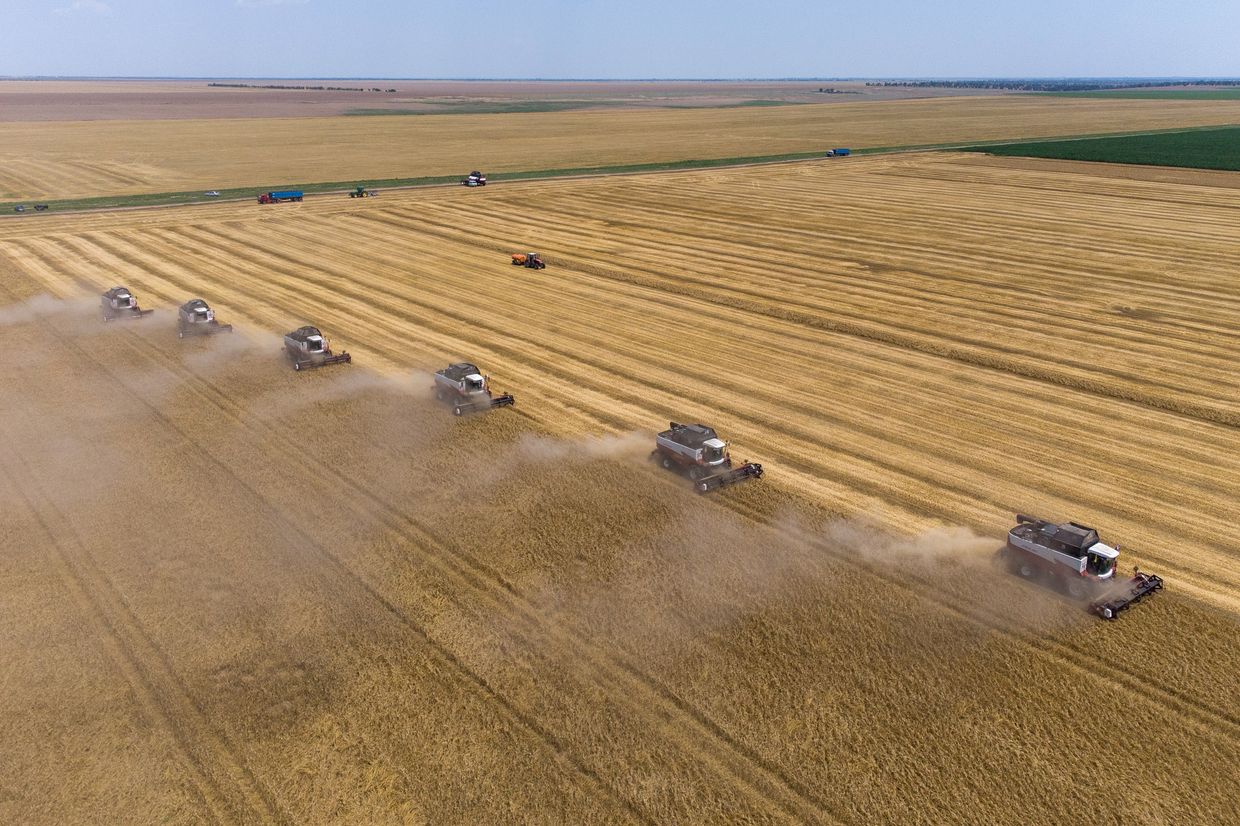
The Council of the EU on June 12 approved fresh tariffs on fertilizers and remaining agricultural goods from Russia and Belarus, aiming to reduce Russian export revenues.
The measures target those goods that have not yet been subject to additional customs duties and will enter into force on July 1. The tariffs on fertilizers will increase gradually over the next three years.
"Polish Presidency motto is 'Security, Europe!' and these measures increase our economic security by reducing dependencies from Russia," said Michal Baranowski, the trade undersecretary at the Polish Economy Ministry.
"We are further reducing Russia’s export revenues and therefore its ability to finance its brutal war. This is united Europe at its best," he said in a statement.
The new tariffs will apply to goods that made up around 15% of all agricultural imports from Russia in 2023. Fertilizer tariffs will focus on certain nitrogen-based products, the Council said in a statement.
Russian fertilizers accounted for more than a quarter of all of the EU's imports in this sector in 2023, worth almost $1.5 billion.
Apart from stifling Russia's trade revenue, the step also aims to reduce the EU's dependence on Russian and Belarusian goods, protect European farmers, and diversify the supply.
The EU adopted higher tariffs on cereals, oilseeds, and some other products from Russia and Belarus in May 2024. Earlier this year, the European Commission proposed imposing similar measures on all remaining agricultural products from the two countries.
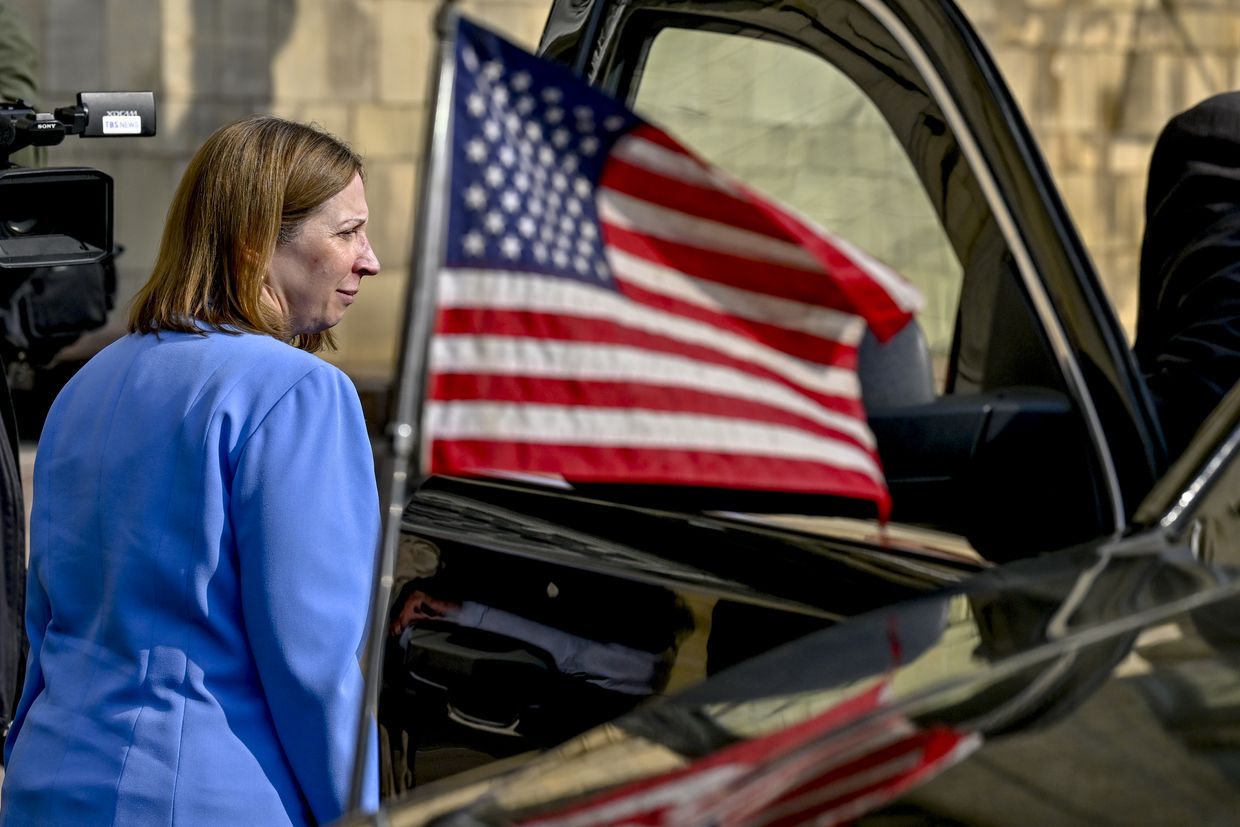
U.S. Ambassador to Moscow Lynne Tracy will soon be stepping down from her post, the U.S. Embassy in Russia announced on June 12.The statement said that Tracy is "concluding her mission at the U.S. Embassy in Russia," without providing further details.The move comes as U.S. President Donald Trump makes a decisive break from the previous Biden administration’s Russia policy, aiming to restore relations and negotiate a peace deal in Ukraine.Tracy replaced John Sullivan at the key diplomatic post in
U.S. Ambassador to Moscow Lynne Tracy will soon be stepping down from her post, the U.S. Embassy in Russia announced on June 12.
The statement said that Tracy is "concluding her mission at the U.S. Embassy in Russia," without providing further details.
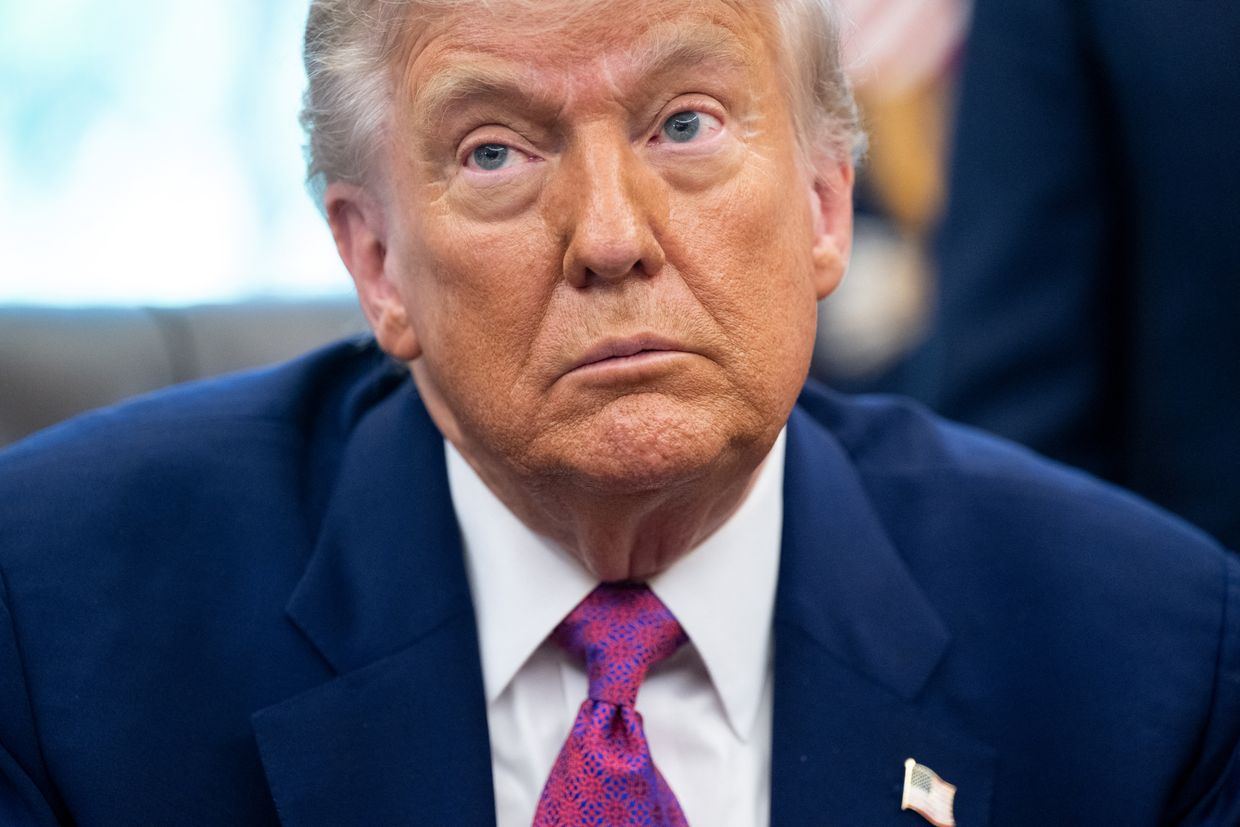
The move comes as U.S. President Donald Trump makes a decisive break from the previous Biden administration’s Russia policy, aiming to restore relations and negotiate a peace deal in Ukraine.
Tracy replaced John Sullivan at the key diplomatic post in Moscow in January 2023, after being nominated by former President Joe Biden.
A seasoned diplomat, Tracy previously served as the U.S. ambassador to Armenia and held posts at diplomatic missions in Russia, Turkmenistan, Pakistan, Kazakhstan, Afghanistan, and Kyrgyzstan.
The embassy announced a live stream on June 13 to "bid farewell" to the outgoing envoy.
Tracy led the U.S. mission in Russia in one of the lowest points of the U.S.-Russian relationship in decades, as Washington imposed massive sanctions on Moscow and backed Ukraine against Russian aggression.
Though diplomatic contacts during this period were limited, Tracy played a key role in negotiating the release of U.S. citizens held in Russia, such as Wall Street Journal reporter Evan Gershkovich.
The ambassador is concluding her mission after around two years, a similar time period to her predecessor. It is not immediately clear who will replace her.
In April, Bridget Brink, the U.S. ambassador to Ukraine, unexpectedly resigned, later explaining the move by opposition to Trump's foreign policy.
Russia also appointed its new envoy to the U.S., Alexander Darchiev, earlier this year amid a thaw in U.S.-Russian ties under Trump.
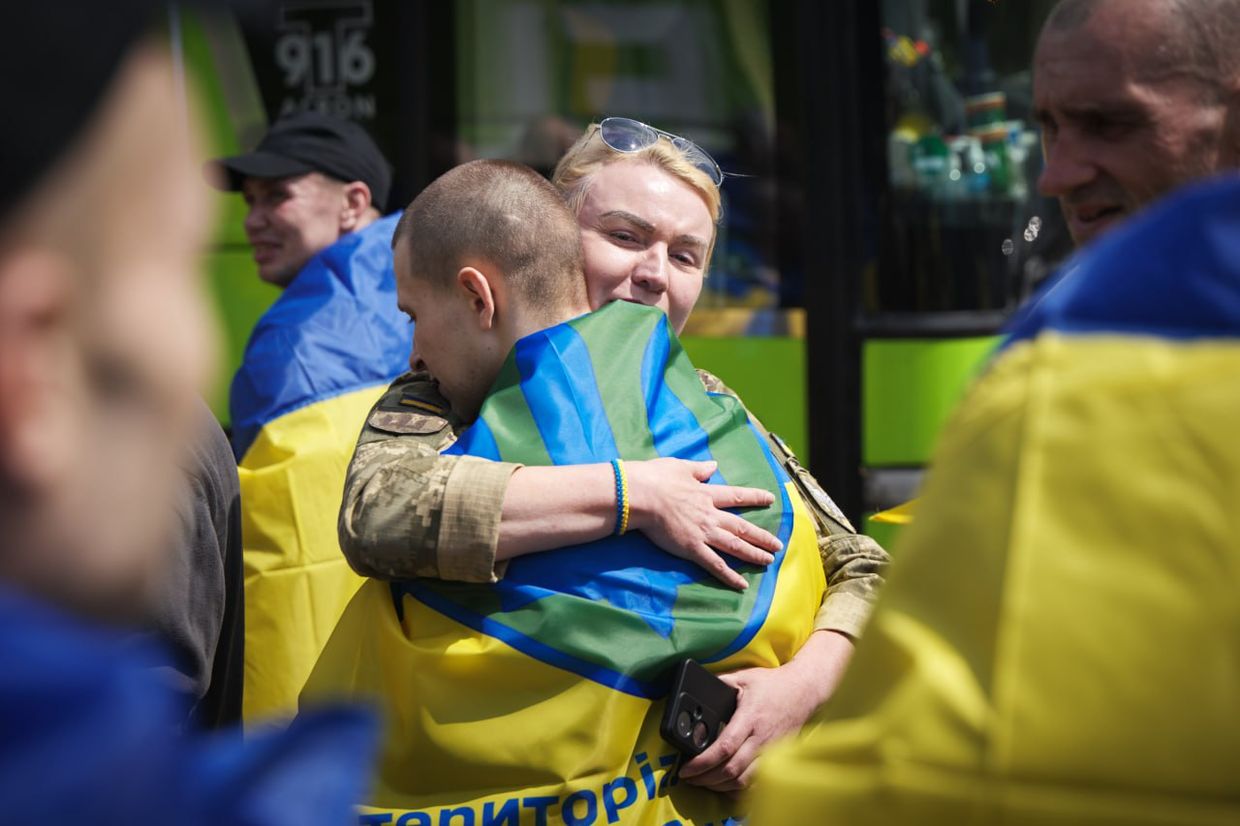
Editor's note: The story is being updated.Ukraine has brought home another group of service members from Russian captivity, President Volodymyr Zelensky announced on June 12, saying the latest exchange focused on "severely wounded and seriously ill warriors."The prisoners of war (POWs) were released as part of a prisoner exchange with Russia agreed upon during recent peace talks in Istanbul, Ukraine's Coordination Headquarters for the Treatment of the POWs said.The June 12 release follows a simi
Ukraine has brought home another group of service members from Russian captivity, President Volodymyr Zelensky announced on June 12, saying the latest exchange focused on "severely wounded and seriously ill warriors."
The prisoners of war (POWs) were released as part of a prisoner exchange with Russia agreed upon during recent peace talks in Istanbul, Ukraine'sCoordination Headquarters for the Treatment of the POWs said.
The June 12 release follows a similar exchange on June 10, which also prioritized severely injured and ill captives. As during the previous swap, the number of personnel released was not immediately disclosed.
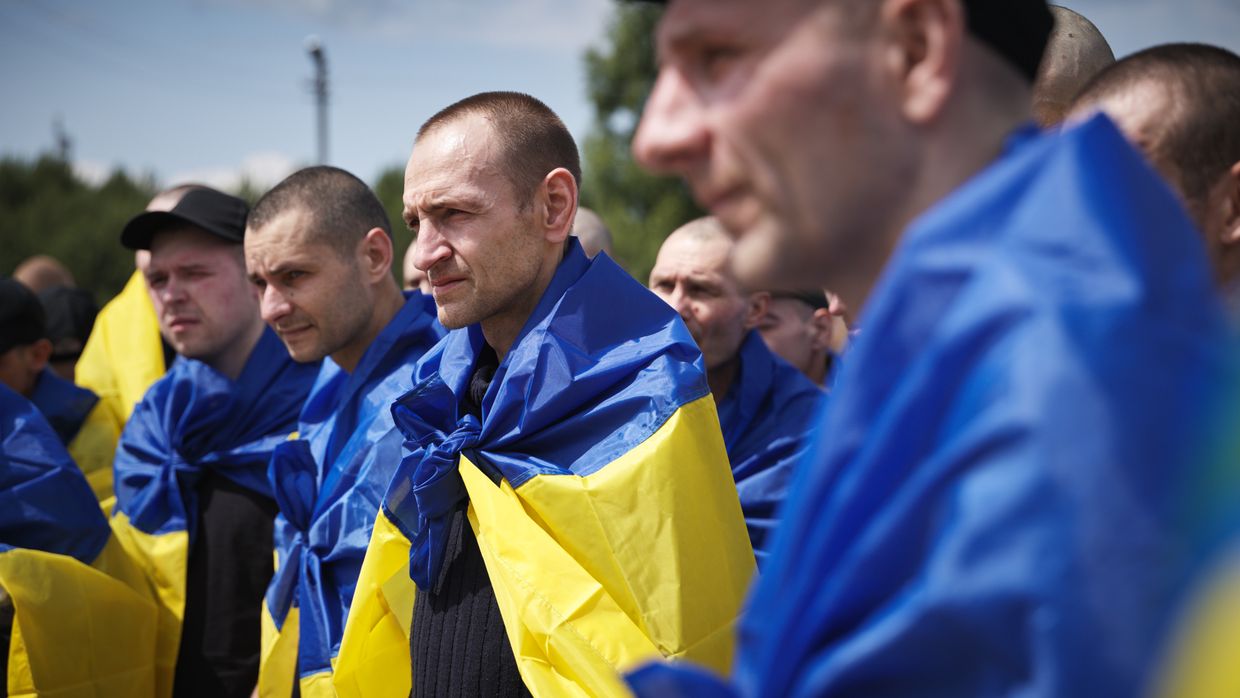
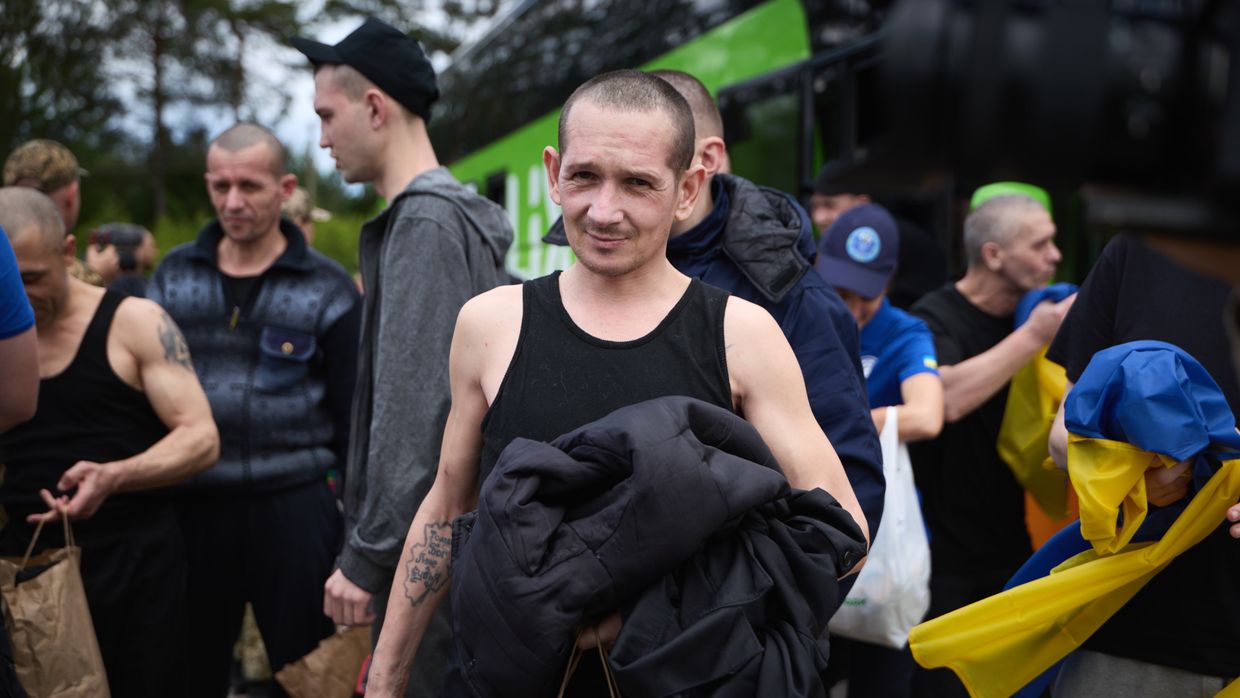
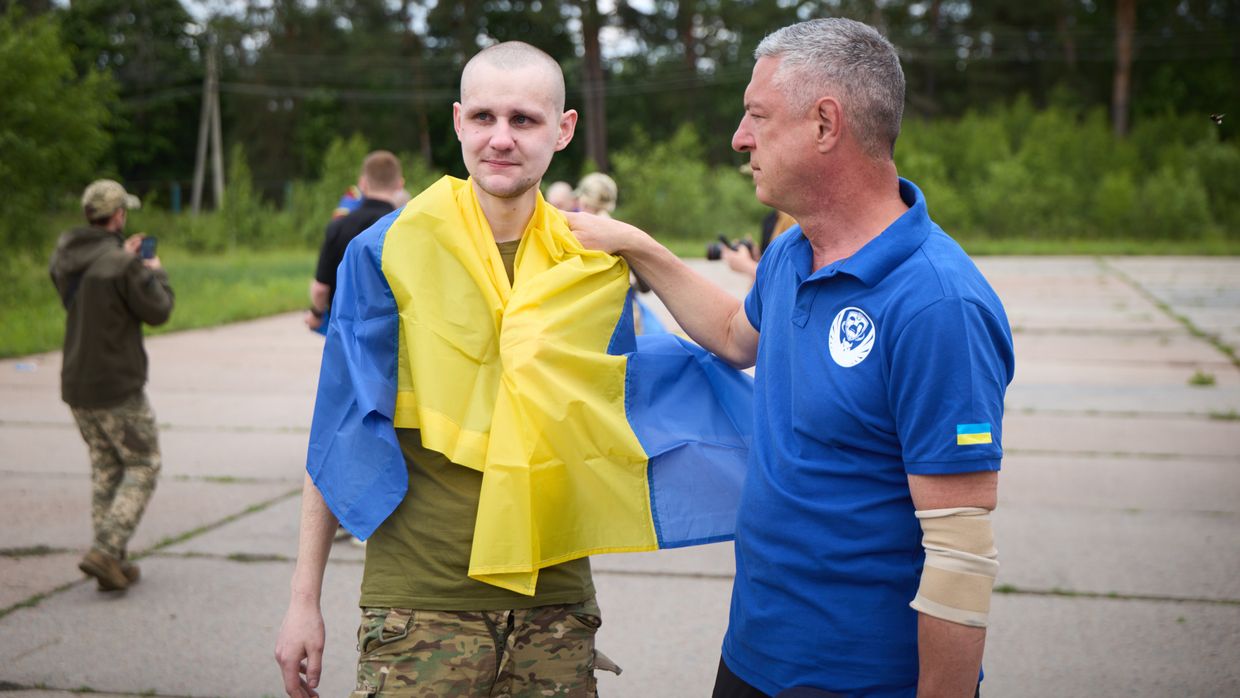
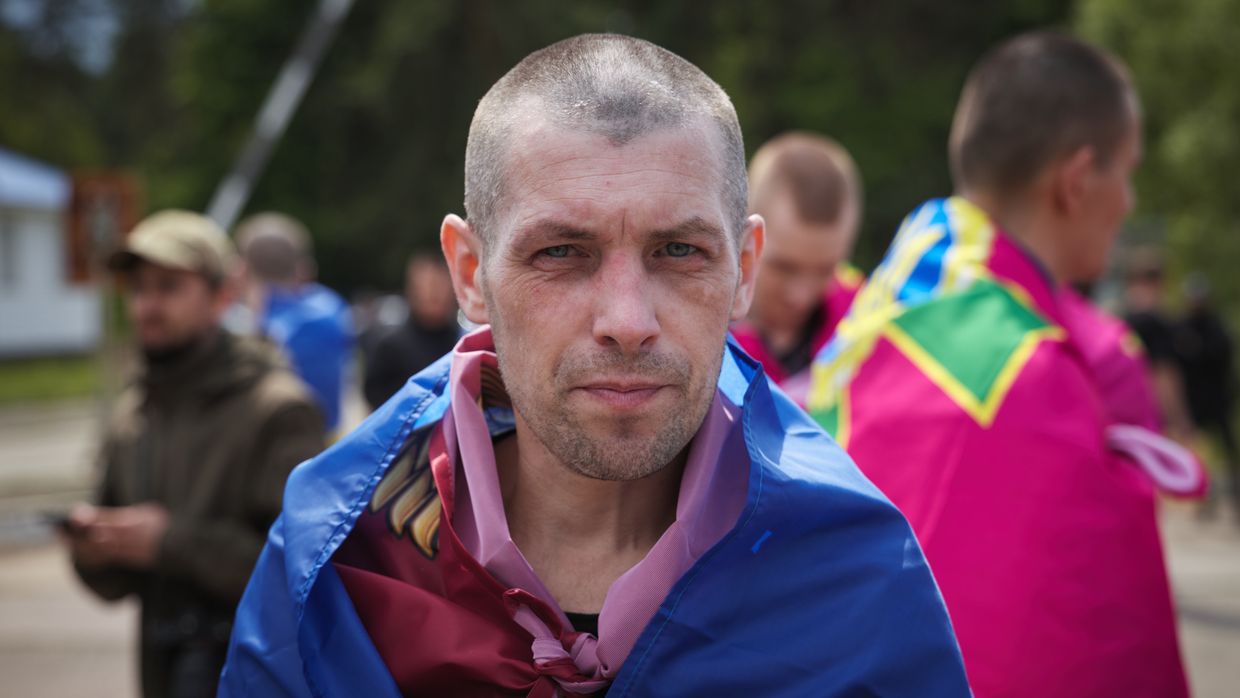
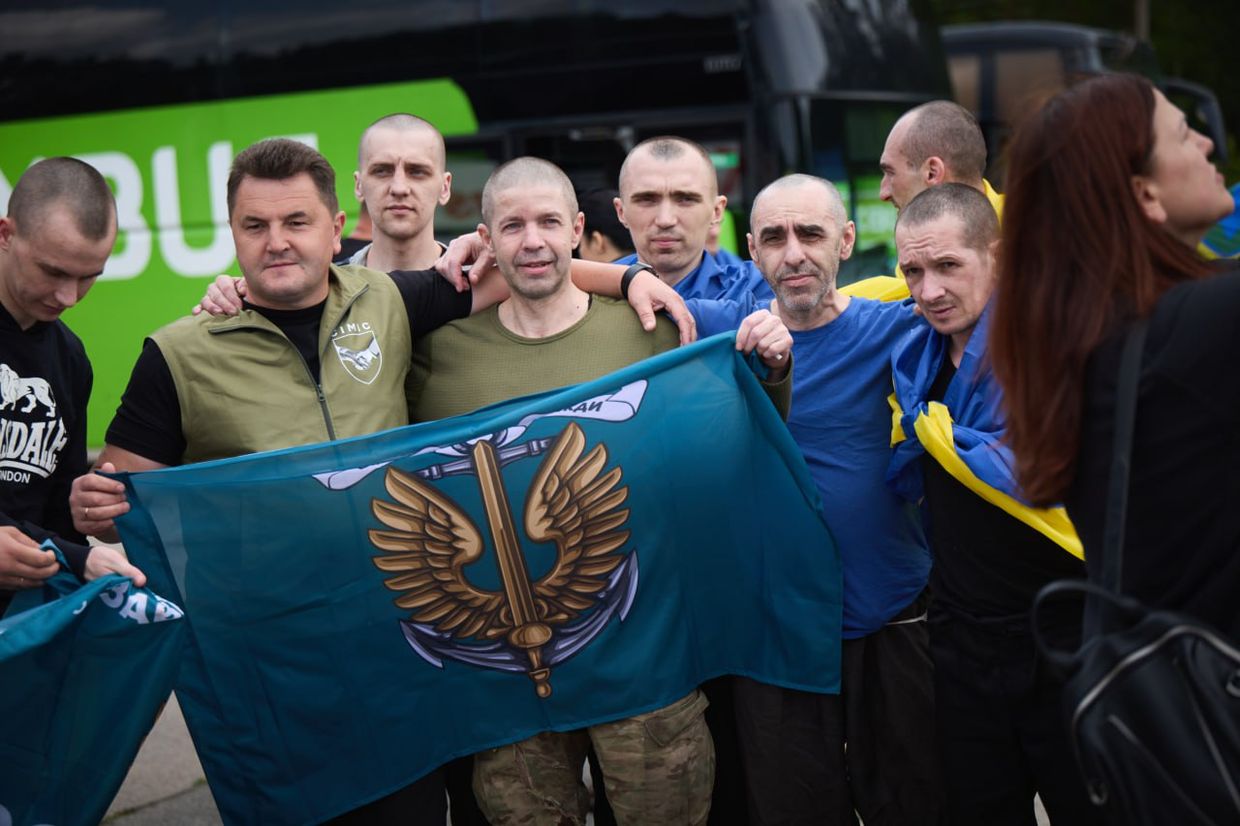
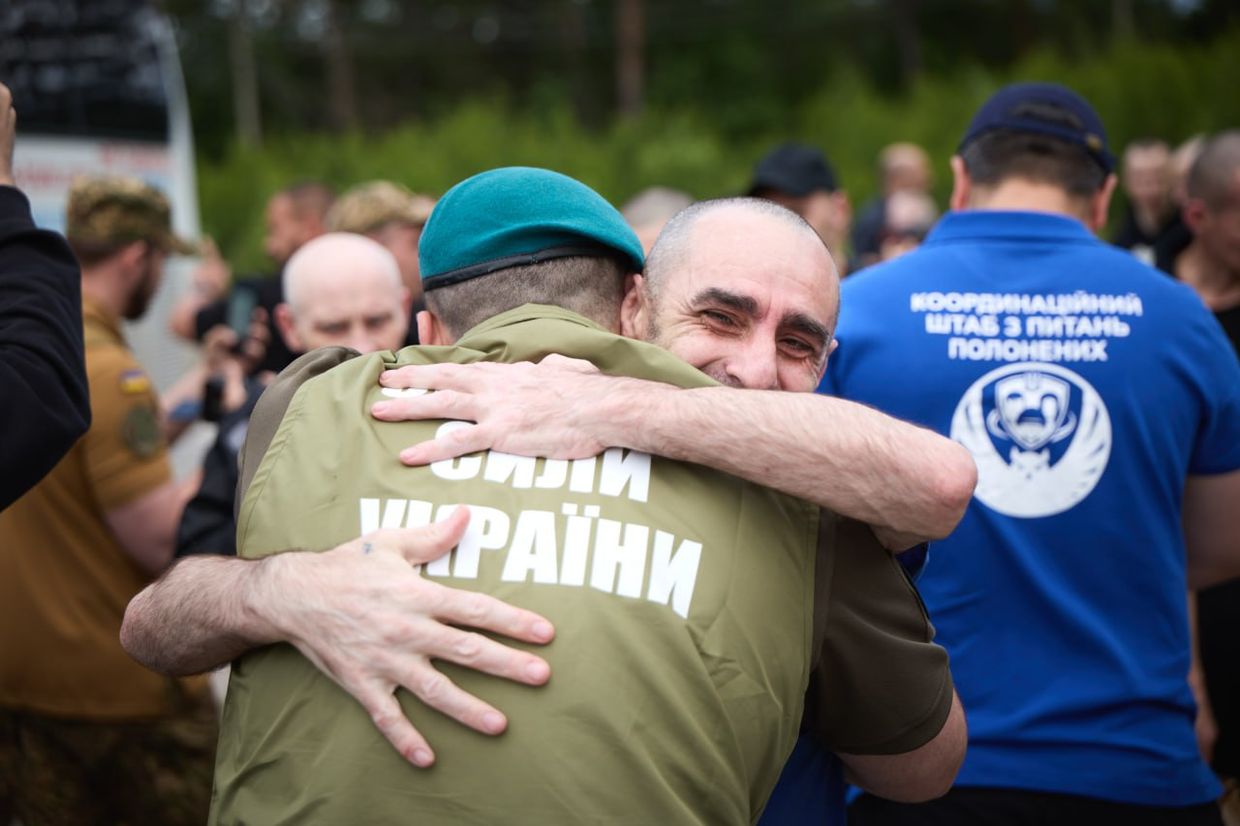
Ukrainian service members released from Russian captivity under a prisoner exchange on June 12, 2025. (President Volodymyr Zelensky/X)
Ukrainian service members released from Russian captivity under a prisoner exchange on June 12, 2025. (President Volodymyr Zelensky/X)
Ukrainian service members released from Russian captivity under a prisoner exchange on June 12, 2025. (President Volodymyr Zelensky/X)
Ukrainian service members released from Russian captivity under a prisoner exchange on June 12, 2025. (President Volodymyr Zelensky/X)
Russia's Defense Ministry has also announced that its soldiers had been released from Ukrainian captivity as part of the swap, without disclosing their numbers.
Some of the POWs had been held by Russia for more than three years, according to the headquarters. Many of the released defenders had been classified as missing in action.
"This is part of a major exchange that continues in phases," the headquarters said in a statement. "These soldiers require urgent medical care and will receive full assistance, including psychological rehabilitation and financial compensation for their time in captivity."
0:00
/
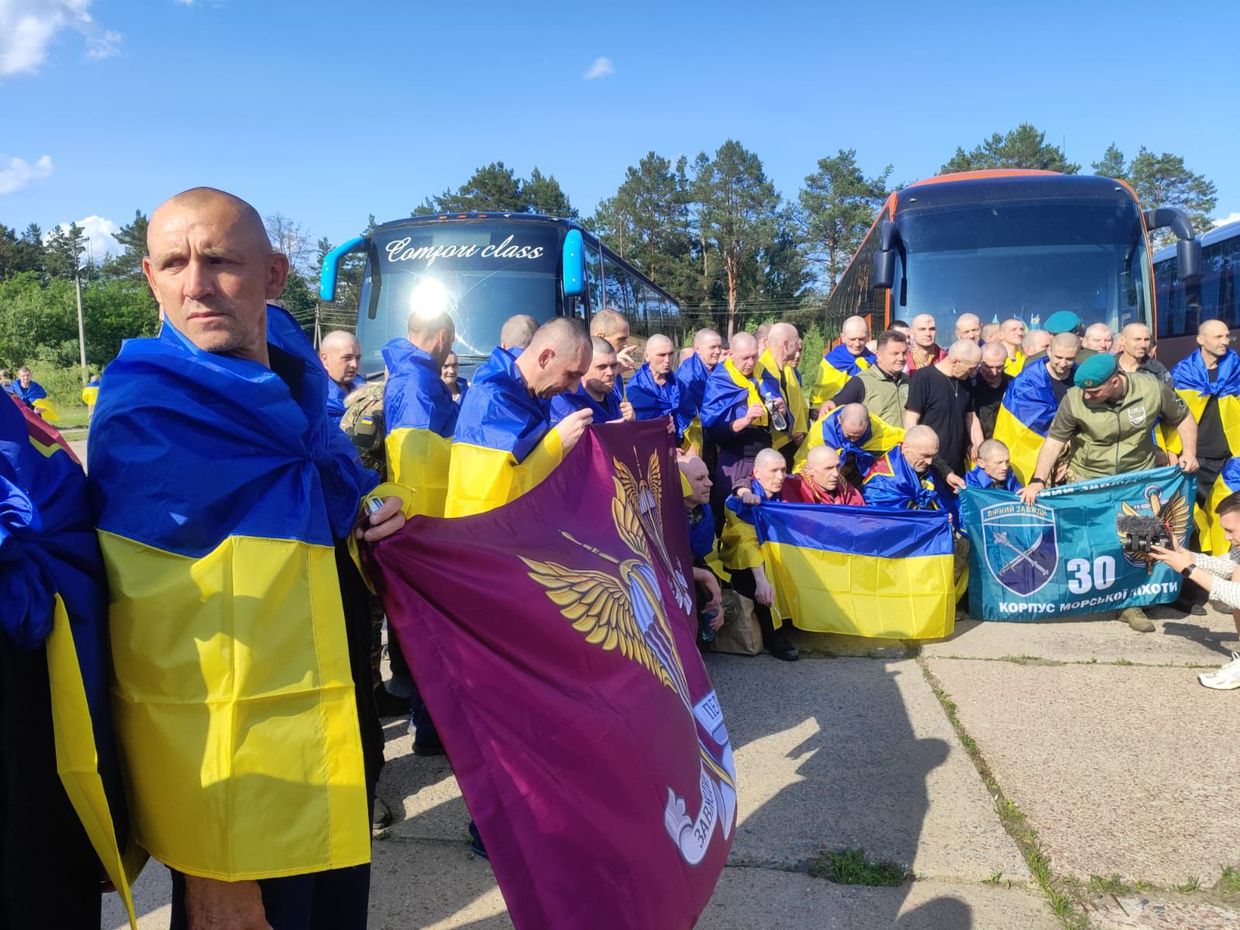
Ukrainian service members released from Russian captivity under a prisoner exchange on June 12, 2025. (Ukraine's Coordination Headquarters for the Treatment of the POWs)
Soldiers from multiple Ukrainian military branches, including the Armed Forces, Air Assault Forces, Navy, Air Force, Territorial Defense Forces, National Guard, Border Guard Service, and the State Special Transport Service, were freed in the exchange. Many had served in combat operations across Donetsk, Luhansk, Kharkiv, Kherson, and Zaporizhzhia oblasts.
The Istanbul deal was reached during a second round of direct talks between the Ukrainian and Russian delegations on June 2. While no political breakthrough was achieved, both sides agreed to a phased exchange of prisoners and the repatriation of fallen soldiers’ remains.
Ukrainian service members released from Russian captivity under a prisoner exchange on June 12, 2025. (President Volodymyr Zelensky/X)
Ukrainian service members released from Russian captivity under a prisoner exchange on June 12, 2025. (President Volodymyr Zelensky/X)
As part of that agreement, Russia pledged to return the bodies of up to 6,000 Ukrainian service members.
Ukraine has brought back the bodies of 1,212 fallen service members on June 11. Vladimir Medinsky, aide to Russian President Vladimir Putin, claimed Ukraine released the remains of 27 Russian service members, while Kyiv did not confirm this.
The recent prisoner swap comes weeks after the largest such exchange of the war to date, which took place between May 23 and 25, with each side releasing 1,000 captives. Since Russia's full-scale invasion began, more than 5,000 Ukrainian POWs have been returned home, according to official figures.
Ukraine continues to push for an "all-for-all" formula to bring every captured Ukrainian soldier back, but Moscow has so far rejected such a comprehensive agreement. Meanwhile, the Coordination Headquarters said preparations are underway for the next phase of exchanges in the coming weeks.

 Connexion
 The Kyiv IndependentKate Tsurkan