Connexion

Berlin talks show “progress” on Ukraine peace as EU scrambles to secure $220 bn loan
European Union leaders are scrambling to influence Ukraine peace negotiations and secure financing for Kyiv ahead of a critical summit 18 December, as divisions threaten both efforts.
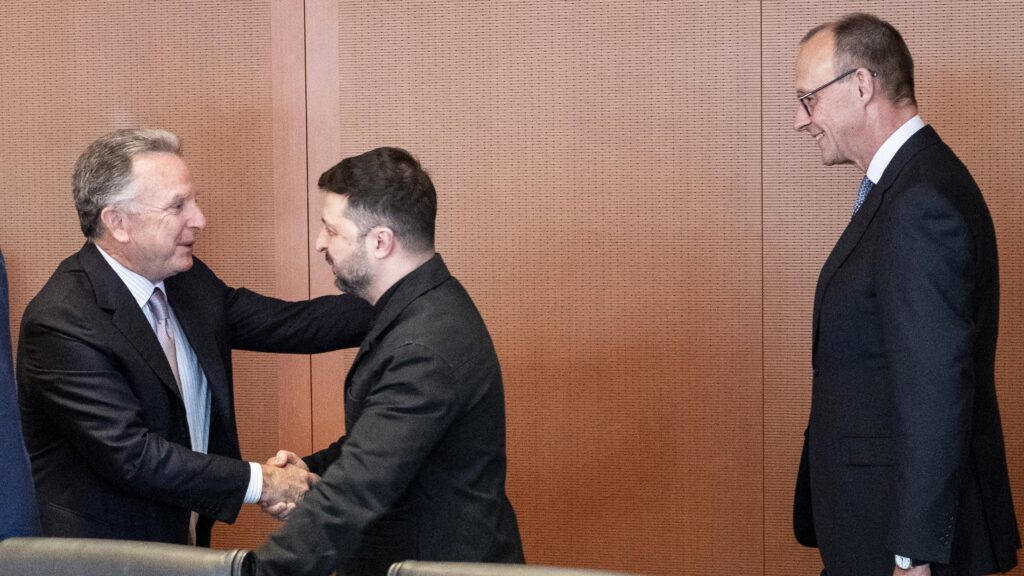
Ukrainian President Volodymyr Zelenskyy met with US officials including special envoy Steve Witkoff and Jared Kushner in Berlin on 15 December for over five hours of discussions. "A lot of progress was made, and they will meet again tomorrow morning," Witkoff said on X, noting the talks covered a 20-point peace plan and economic agendas.
The Berlin meeting, which also involved UK, German and potentially French leaders, represents Europe's attempt to shape final settlement terms weeks after an initial 28-point peace plan drafted by Witkoff "provoked a furious backlash in both Kyiv and European capitals," according to POLITICO. The current focus is on a 20-point amendment drafted by Kyiv and European allies and submitted to Washington last week.
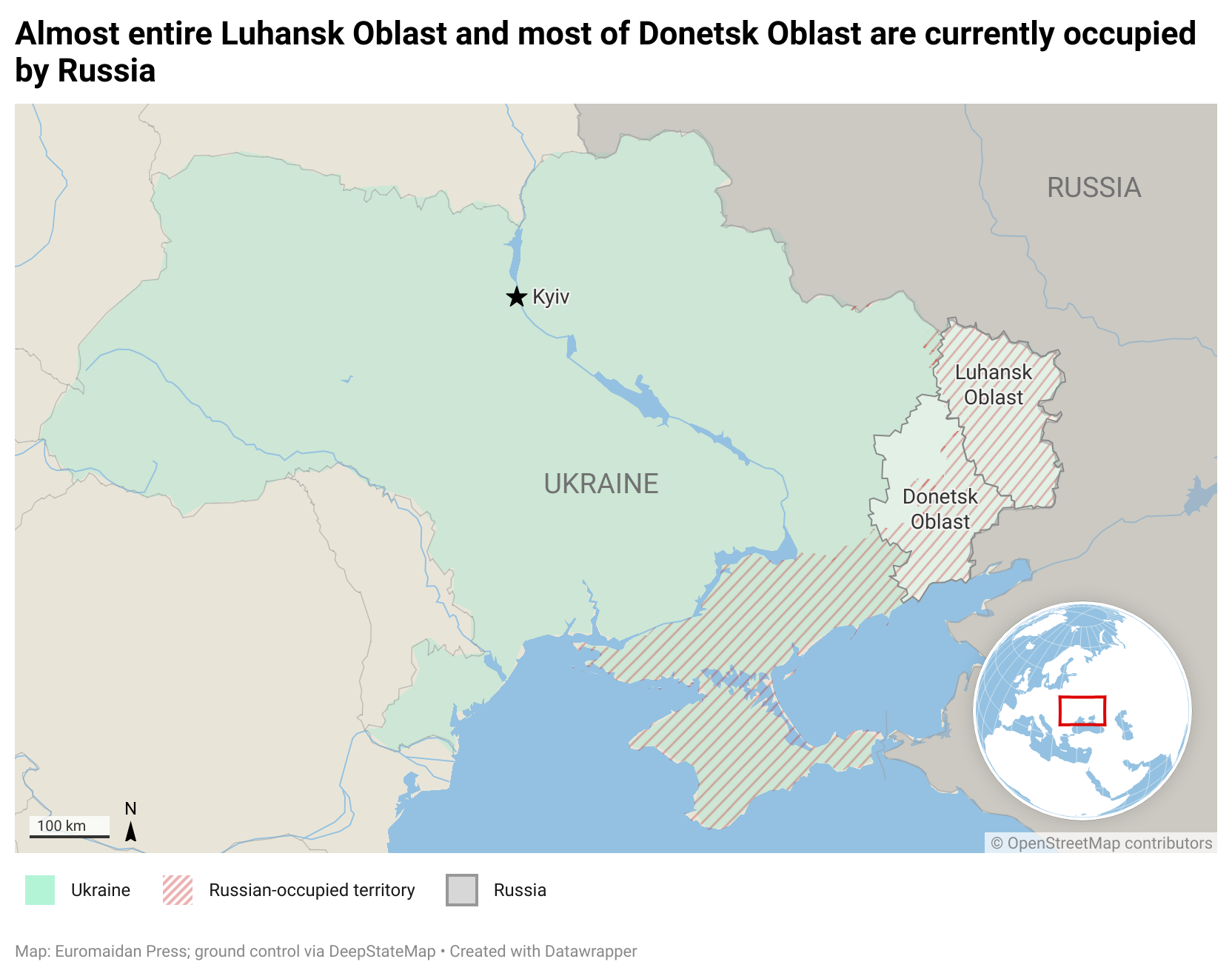
Territorial disputes remain central. Trump has proposed emptying occupied territories of Ukrainian and Russian troops to create a demilitarized "free economic zone" for US business interests. Ukraine rejected this proposal, a French official told POLITICO. "The US has insisted on territorial concessions despite fierce European objections," the official said.
Zelenskyy signaled flexibility over the weekend, saying he was willing to "compromise" and not demand NATO membership. Instead, Ukraine should receive an ad-hoc collective defense arrangement, he said. "The bilateral security guarantees between Ukraine and the United States … and the security guarantees from our European colleagues for us, as well as from other countries such as Canada and Japan ― these security guarantees for us provide an opportunity to prevent another outbreak of Russian aggression."
Europe's leaders maintain there can be no territorial progress before Ukraine receives security guarantees.
The diplomatic push comes as Trump has called European leaders "weak" and said they "talk, but they don't produce." NATO Secretary General Mark Rutte warned last week: "We are Russia's next target, and we are already in harm's way. Russia has brought war back to Europe and we must be prepared for the scale of war our grandparents and great grandparents endured."
Simultaneously in Brussels, EU foreign ministers and diplomats are battling over a loan plan using frozen Russian assets. The EU has spent months trying to convince Belgian Prime Minister Bart De Wever to approve using cash value from €185 billion in Russian state assets held in Brussels-based Euroclear to fund Ukraine, with an additional €25 billion from assets elsewhere in the bloc.
Opposition is growing. Italy, Malta and Bulgaria sent a letter Friday demanding alternative financing options. Czech Prime Minister Andrej Babiš rejected the plan Sunday. Belgium, while "engaging constructively," continues making changes to draft measures, according to diplomats.
The five countries cannot form a blocking minority even with potential support from Hungary and Slovakia, but their public criticism undermines hopes for agreement at Thursday's summit. "The more such cases we have the more likely it is that we will have to find other solutions," an EU diplomat said.
Three diplomats insisted no alternatives are being considered and they remain committed to the original plan despite concerns the money might not be approved before year's end. "There is no option B," a German official said, calling the decision "a decision on the future of Europe."
An EU official warned that further disunity this week would send a "disastrous signal to Ukraine" and added: "It's also fair to say that Europe will then fail as well."
Stefan Kornelius, spokesperson for German Chancellor Friedrich Merz, said "numerous European heads of state and government, as well as the leaders of the EU and NATO, will join the talks" following the initial Berlin discussion. French President Emmanuel Macron has not confirmed attendance but spoke with Zelenskyy by phone Sunday.
EU affairs ministers continue discussions Tuesday in Brussels ahead of Thursday's summit. Wednesday will see Eastern European leaders from the Baltics and Poland meet in Helsinki. A meeting of EU ambassadors originally scheduled for Sunday evening was postponed until Monday.