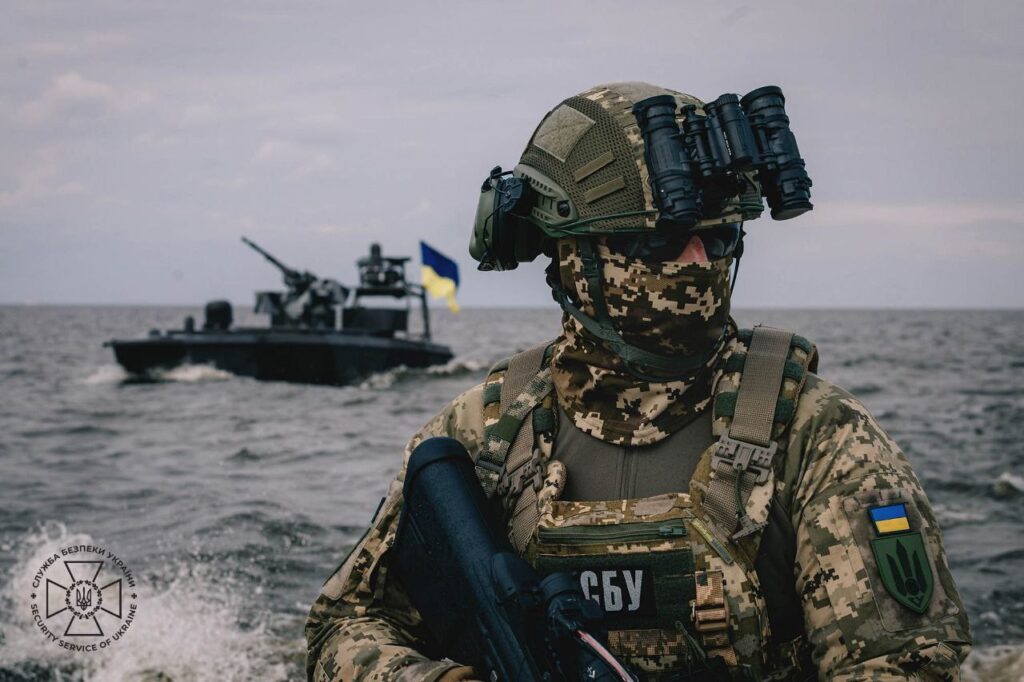
For the first time in history, “Ukrainian Defense Industry”, Ukraine's joint stock company, has entered the list of the 100 largest arms manufacturers in the world by the Stockholm International Peace Research Institute (SIPRI). The company reported a 41% increase in revenue compared to 2023, ranking as the fourth fastest-growing company in Europe.
The year 2024 was record-breaking for the global defense sector, with the combined revenues of the 100 largest companies reaching $679 billion, the highest number ever recorded by SIPRI. Growth was fueled by Russia's war against Ukraine. The only regional group experiencing a decline was Asia, primarily due to a reduction in arms revenue in China.
The Ukrainian Defense Industry (JSC UOP) has:
- Overall ranking: 52 out of 100
- Growth ranking: 6
- Revenue in 2024: $3.0 billion
- Growth compared to 2023: +41%
This growth is on par with that of European companies such as Diehl (+53%) and Rheinmetall (+47%), although Ukraine's company operates amid the war.
Meanwhile, the revenues of the two Russian companies included in the ranking grew by 23% in 2024.
Ukraine rises among the titans
Total revenues of the 100 largest companies in 2024 reached a record high, primarily driven by the US and Europe.
Top companies by revenue:
- Lockheed Martin (The US) – $64.6B (+3.2%)
- RTX Corporation (The US) – $43.6B (+4.1%)
- Northrop Grumman (The US) – $37.8B (+3.3%)
- BAE Systems (The UK) – $33.7B (+6.9%)
- General Dynamics (The US) – $33.6B (+8.1%)
Ukraine's JSC UOP maintains active partnerships with nearly all the top-ranked companies and produces ammunition, artillery, armored vehicles, and missiles despite import shortages and sanctions.
European arms manufacturers grew on average by 13%
In terms of growth, Ukraine's JSC UOP ranked sixth globally and became the fourth fastest-growing company in Europe:
- Czechoslovak Group (Czechia) – +193%
- SpaceX (The US) – +103%
- Mitsubishi Electric (Japan) – +87%
- Diehl (Germany) – +53%
- Rheinmetall (Germany) – +47%
- JSC UOP (Ukraine) – +41%
Ukraine demonstrates resilience and a high growth rate in its defense industry even amid war, enhancing its strategic importance in the global market.

 Connexion