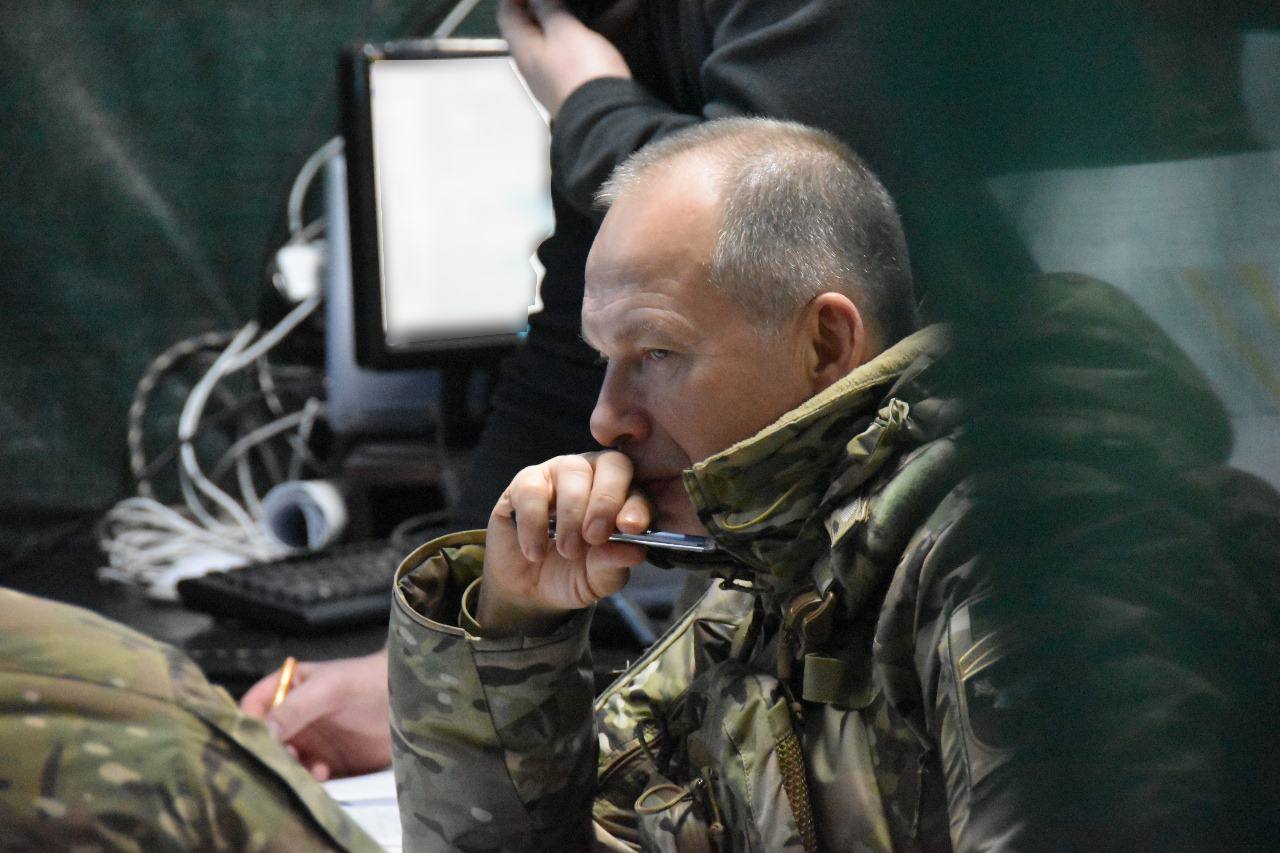
Mykhailo Fedorov, a popular young leader who was fired last month, said Russia should not be allowed to dictate when Ukrainians can choose their next government.
Mykhailo Fedorov, a popular young leader who was fired last month, said Russia should not be allowed to dictate when Ukrainians can choose their next government.
Mykhailo Fedorov in Kyiv, the Ukrainian capital, last month. He did not immediately put himself forward as a candidate to succeed President Volodymyr Zelensky.
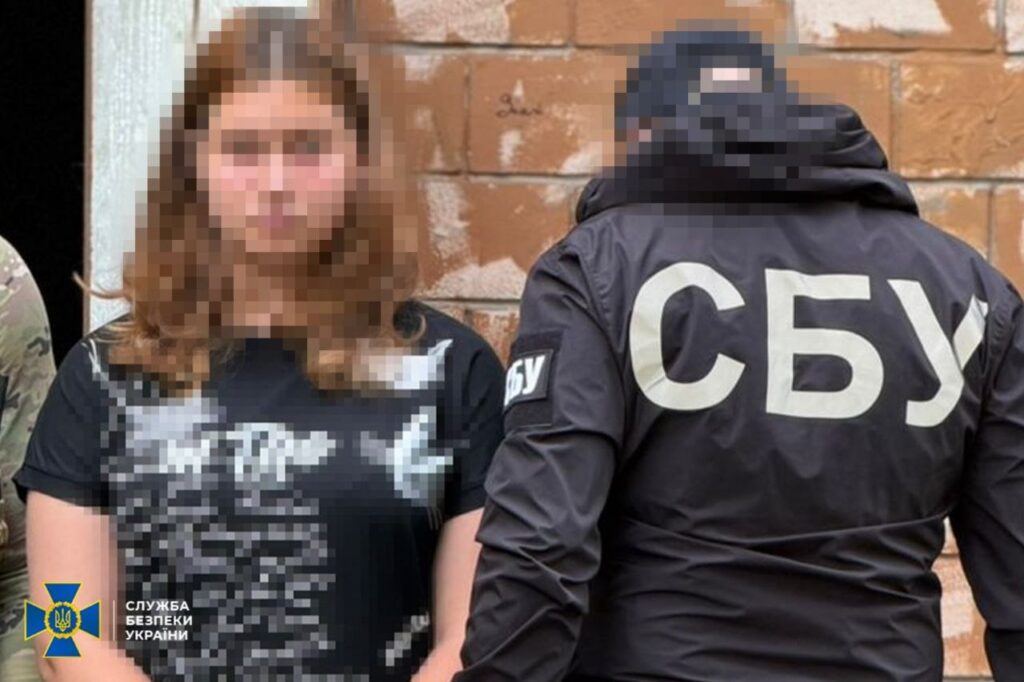
Ukraine's counterintelligence of a spy agency has detained a young woman accused of helping Russia prepare an air strike meant to leave Poltava—a city in central Ukraine—without power, the Security Service of Ukraine (SBU) said. Investigators say the student mapped the city's energy sites in Poltava and the surrounding area and filmed Ukrainian air-defense units for Russian handlers before any strike could land. She now sits in custody and faces life imprisonment with c
Ukraine's counterintelligence of a spy agency has detained a young woman accused of helping Russia prepare an air strike meant to leave Poltava—a city in central Ukraine—without power, the Security Service of Ukraine (SBU) said. Investigators say the student mapped the city's energy sites in Poltava and the surrounding area and filmed Ukrainian air-defense units for Russian handlers before any strike could land. She now sits in custody and faces life imprisonment with confiscation of property.
As the war drags on, Russia increasingly fishes for hard-up civilians over the internet, recruiting people inside Ukraine to do its scouting and sabotage cheaply and at arm's length.
A student lured by "easy money"
The suspect is a student at a local university in Poltava Oblast, the SBU reported. She came to the attention of Russia's Federal Security Service (FSB) while hunting for easy money in Telegram channels, according to the agency. After recruiting her, her handlers set her to work in her own hometown.
Mapping the grid, filming the defenses
Under the guise of walks, she moved through the city and surrounding area to fix the locations of energy facilities that feed the oblast center and nearby districts. Those were the sites Russia was preparing to hit from the air. She also rode around Poltava Oblast by taxi, taking photos and video of Ukrainian air-defense units. Officers say they exposed her in advance and detained her before any strike. During a search, they seized smartphones and computer equipment holding evidence of her work for the enemy.
Investigators served her a suspicion notice under Part 2 of Article 111 of Ukraine's Criminal Code, which covers high treason committed under martial law. She is being held without the right to bail. She faces life imprisonment with confiscation of property.
Explore further
Bomb-maker working for Russia’s military intelligence in Zaporizhzhia loses his freedom for 15 years
What came before
Russia keeps leaning on Ukrainians recruited online to scout for its strikes, and Ukraine's security service reports such arrests regularly. Days earlier, officers detained another suspect in Kharkiv Oblast, accused of planting hidden cameras to guide Russian attacks. The kind of energy sites she scouted have sat at the center of Russia's long campaign against Ukraine's power grid, which has forced blackouts through successive winters.
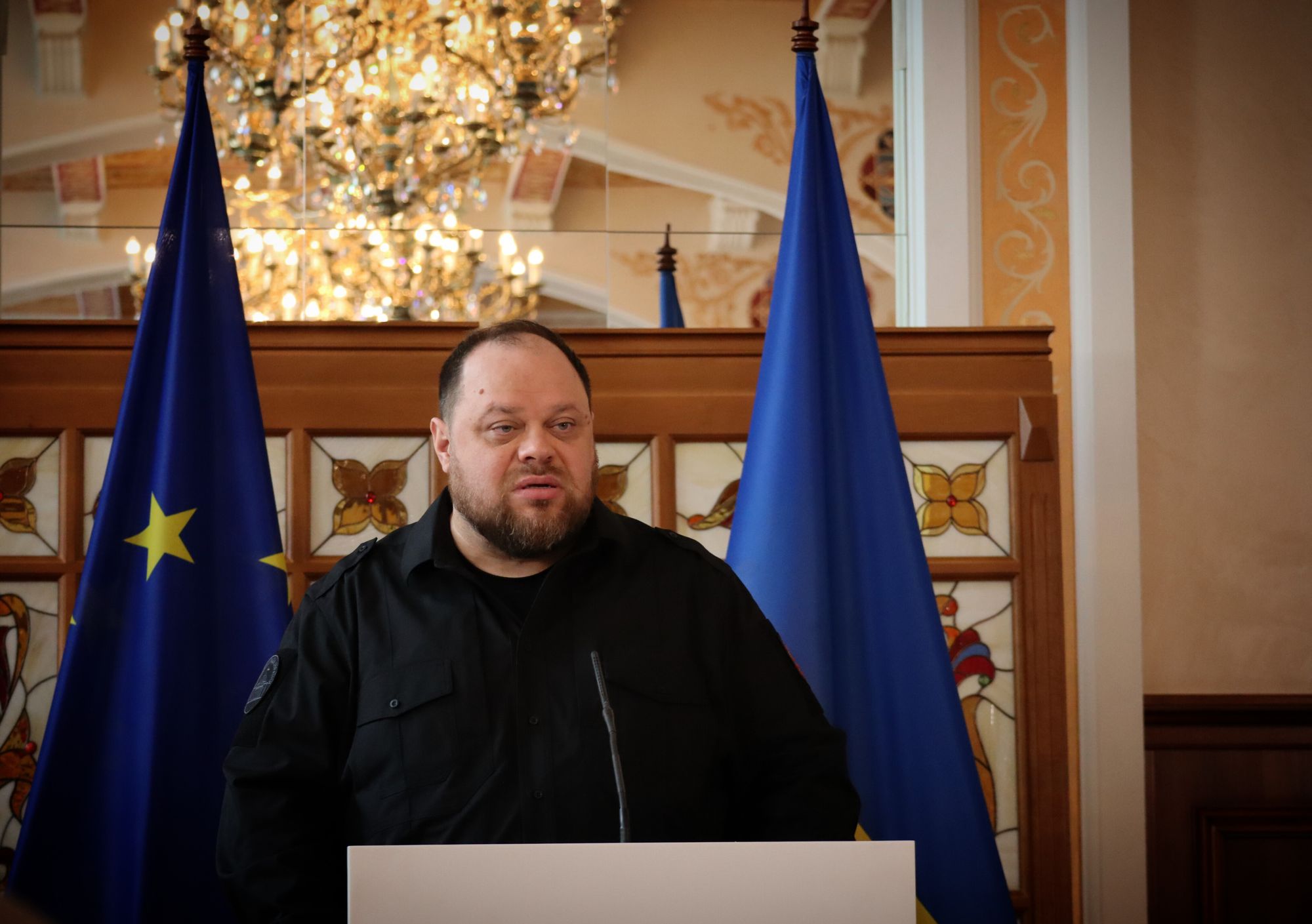
Chairman of the Verkhovna Rada Ruslan Stefanchuk said on June 28 that Ukraine's parliament is preparing a draft bill to hold elections following the end of the martial law period enacted as a result of the war. "We are working on this draft law, because for the next elections, a new special draft law is needed that will regulate the so-called post-war elections," Stefanchuk said on Ukraine's marathon TV broadcast. "We are preparing various basic scenarios so that people can exercise their fundam
Chairman of the Verkhovna Rada Ruslan Stefanchuk said on June 28 that Ukraine's parliament is preparing a draft bill to hold elections following the end of the martial law period enacted as a result of the war.
"We are working on this draft law, because for the next elections, a new special draft law is needed that will regulate the so-called post-war elections," Stefanchuk said on Ukraine's marathon TV broadcast.
"We are preparing various basic scenarios so that people can exercise their fundamental constitutional right to vote. And this must take place in Ukraine. And I believe we will be able to find the right legislative compromise," he added.
The reason for separate legislation on a post-war election, Stefanchuk previously said, was due to the fact that Ukraine's Constitution does not not provide clarity on the details of holding elections following the end of a martial law period.
No details on the bill or timeline for implementation were provided.
Russia's full-scale invasion and the subsequent declaration of martial law in Ukraine meant elections have been impossible to hold, and President Volodymyr Zelensky's term has been extended, something constitutional lawyers say is allowed under Ukrainian law.
Despite criticism, Ukraine's parliament, the Verkhovna Rada, passed a resolution on Feb. 25 to hold elections after "a comprehensive, just, and sustainable peace is secured" in the country.
While polling shows a vast majority of Ukrainian citizens do not support holding elections before a full peace deal, the lack of elections has stirred some controversy with Ukraine's allies.
At the start of his second term in office, U.S. President Donald Trump urged Ukraine to hold elections — something that Ukraine has thus far refused to do citing the difficulties of holding elections amid active warfare, as well as security implications.
Zelensky has previously said he is willing to step down in exchange for a peace agreement.
Russian propaganda has widely used the issue of elections in Ukraine to discredit the Ukrainian leadership. Mocow has repeatedly claimed that Zelensky is no longer a legitimate president, as his first term was originally meant to end on May 20, 2024.

 Connexion