❌

Vue normale

  • ✇US news | The Guardian
  • The global economy is muddling through against the odds. But a storm is coming | Larry Elliott
    Finance ministers gathering for the IMF annual meeting know the need for multilateral cooperation to deal with many crises. There is little chance of thatNot much has gone right for the global economy this year, and plenty has gone wrong. Two big regional wars are destabilising prices and supply chains everywhere. Businesses and consumers are feeling the effects of a serious energy shock. Rising inflation has made it a lot more expensive for governments to finance their debts. China and the US a
     

The global economy is muddling through against the odds. But a storm is coming | Larry Elliott

15 octobre 2026 à 01:00

Finance ministers gathering for the IMF annual meeting know the need for multilateral cooperation to deal with many crises. There is little chance of that

Not much has gone right for the global economy this year, and plenty has gone wrong. Two big regional wars are destabilising prices and supply chains everywhere. Businesses and consumers are feeling the effects of a serious energy shock. Rising inflation has made it a lot more expensive for governments to finance their debts. China and the US are at loggerheads over trade.

Yet, so far, the impact has been modest. It is something of a miracle that the finance ministers and central bank governors gathered for this year’s annual meeting of the International Monetary Fund (IMF) in Bangkok are not having to deal with a full-blown crisis. This is not like the autumn of 2008, when the meetings took place during the worst of the global banking meltdown.

Larry Elliott is a Guardian columnist

Continue reading...

© Illustration: Sébastien Thibault/The Guardian
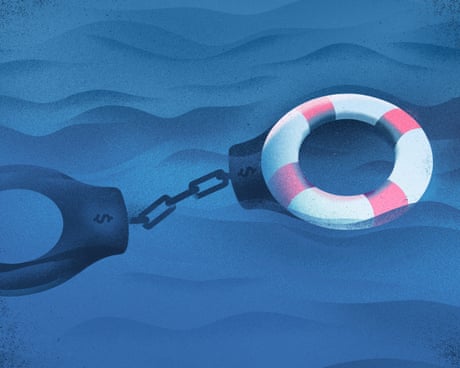
© Illustration: Sébastien Thibault/The Guardian
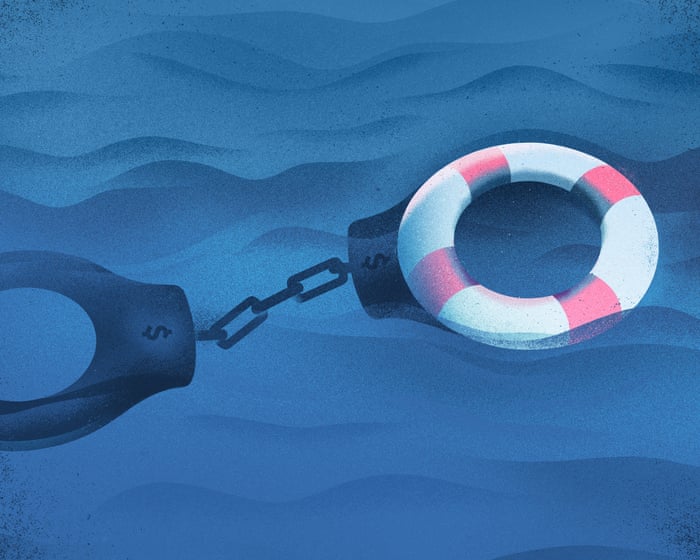
© Illustration: Sébastien Thibault/The Guardian

War is costing Ukraine $155 billion per year. With Western aid running late, Kyiv is freezing everything but army, pensions, and public wages

28 septembre 2026 à 13:50

russia hits kharkiv high-rise overnight injuring 43 people strikes central kyiv dnipro broad daylight · post rescuers destroyed floors apartment building hit ukraine 28 2026 synehubov5319173733626879672 news ukrainian reports

Ukraine's government plans to pay for its army, pensions, and public-sector wages first, and freeze the parks, fountains, and repaving. Prime Minister Serhii Koretskyi says his Cabinet reordered its spending priorities because part of the international aid it counted on has not arrived.

The war is costing the country at least $155 billion this year, Koretskyi stated earlier.

Defense and people come first

"We continue to take tough anti-crisis measures to ensure the most important thing, the needs of defense and our people," Koretskyi says.

The state will continue to pay for the army, pensions, social benefits, and the salaries of teachers, doctors, and other public-sector workers. Everything deemed non-critical is on hold: new construction, reconstruction, capital repairs, and tidying-up projects, among them parks, squares, fountains, and repaving.

"It is worth finally ceasing to spend money on non-priority things," he continues, promising the state will return to them later.

The aid runs late

On 27 September, Ukraine's prime minister stated that the shortfall in the defense budget's needs stands at $27 billion.

"The president, the government, and all branches of authority are working with partners to find mechanisms and sources to cover the remaining $20 billion," he stressed.

These funds are critically needed to supply the Defense Forces with drones, missiles, equipment, and other resources ahead of winter.

"The government, for its part, guarantees that by 15 October, all government decisions required to receive the international financial assistance promised by partners will be implemented," he stated.

Local budgets get the same call

Koretskyi extended the order downward, urging local councils to review their own budgets and cut spending that is not a priority now. The message across government is the same: pool what is available for the army and citizens, and leave the fountains and the rest for after the war.

❌