❌

Vue lecture

Russian drones watch the roads in Donetsk Oblast, but not the nearly 6 km route Ukraine has set up underground

Ukraine’s Air Assault Forces engineers set up an anti-drone net

Ukraine’s Air Assault Forces have set up an underground tunnel between two settlements in Donetsk Oblast, Colonel Dmytro Pishko, head of the Support Forces Directorate at the Air Assault Forces Command, told Ukrinform in an interview published on 3 November.

Drones have made the roads near the front deadly, and the underground war has so far been mostly about infiltration. Russian assault groups crawled through a gas pipeline into Sumy Oblast almost daily, Ukraine’s 71st Air Assault Brigade said, and it stopped every recorded attempt. In October, Ukraine said it had answered by advancing more than 15 km underground near Kupiansk. The Donetsk tunnel is a different use of the idea: a standing supply line rather than a route for sneaking assault troops behind enemy lines, disclosed on Ukraine’s Engineering Troops Day.

Pishko does not name the settlements or say how deep the tunnel runs

Pishko called the tunnel, almost 6 km long, “another achievement of our engineering ingenuity,” saying it allows “uninterrupted and camouflaged” movement and carries deliveries of food and ammunition.

Meanwhile, Russia has kept using pipes of its own, including one into Kupiansk that Ukraine says became an escape route. Asked about Russia’s own defensive lines, Pishko said its army “knows how to dig, loves it, and does it constantly.”

Nets stop the first drone but not the second

By early June, Ukraine had covered 822 km of frontline roads with anti-drone nets and other protection built since January. Pishko said such nets work only if they are maintained. A net withstands the first drone, but a second can fly through the hole, so dedicated units patrol and repair them daily.

“Closer to the front line, the most reliable protection is to dig as deep underground as possible,” Pishko said.

Open trenches, he said, are a thing of the past.
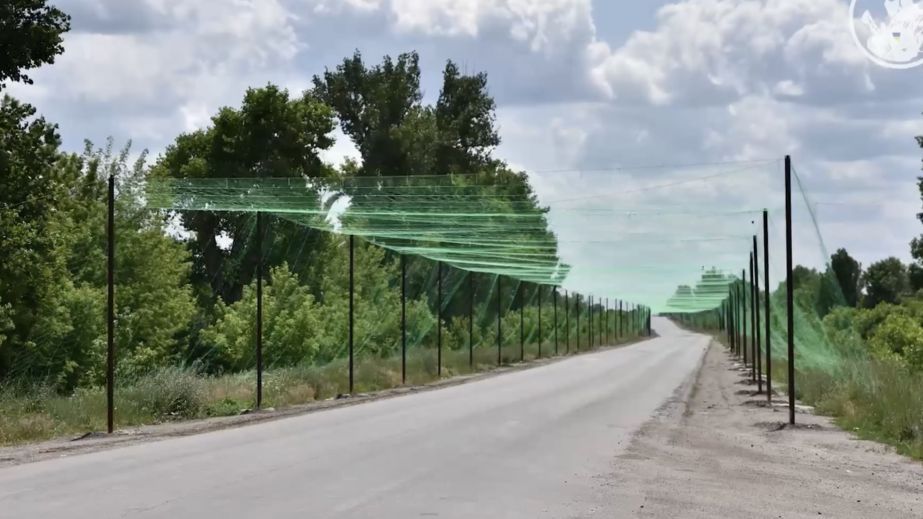
Netting tunnel over a road in Zaporizhzhia, protecting civilians and vehicles from FPV drone attacks.
Explore further

Ukraine makes its anti-drone road nets a national standard in a new strategy for defensive lines through 2028. It has already strung over more than 1,000 kilometers of road

A squad leader shot down two drones at an underground worksite

Even so, the work underground is not safe. Russian forces tried to attack one group with two FPV drones while it was setting up an underground tunnel, and squad leader Ivan Chokha shot down both, Pishko said.

  •  

Fear of Ukraine’s mobilization keeps some people under Russian occupation, and Moscow uses it as a psyop, MP says. His deferment bill has stalled

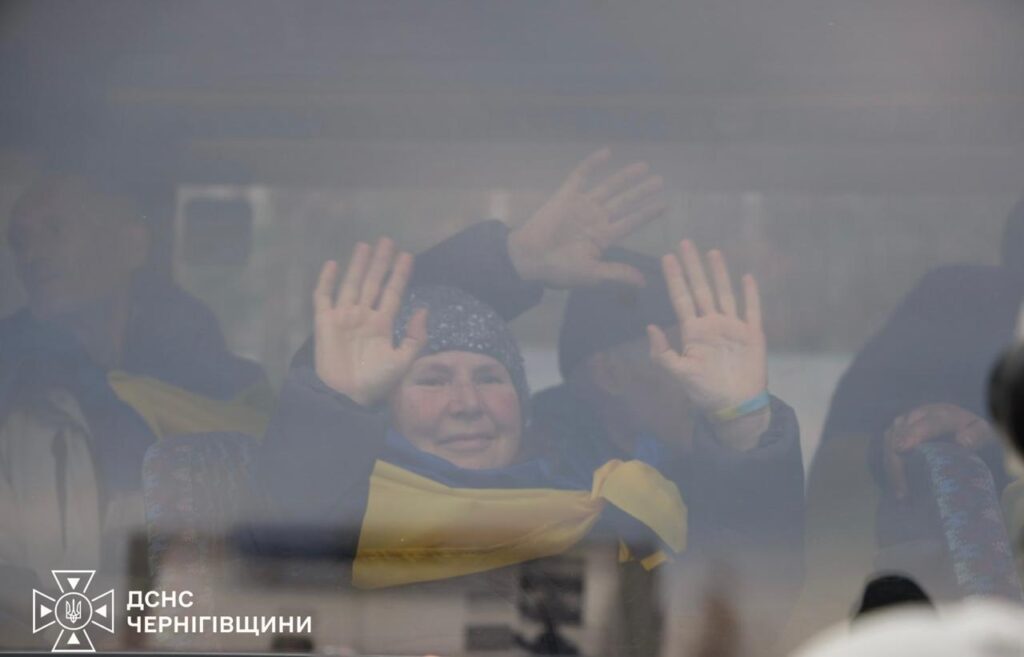
People hold a Ukrainian flag reading "Welcome home!" and wave at buses carrying residents evacuated from Russian-occupied Oleshky in Chernihiv Oblast, Ukraine, 31 October 2026

Some Ukrainians are staying in Russian-occupied areas because they fear being mobilized as soon as they reach Ukrainian-controlled territory, MP and former head of Kherson Oblast Serhii Kozyr told Radio NV in an interview published on 2 November.

Russia still occupies parts of Ukraine, and Ukraine has been mobilizing men into its army since the full-scale invasion began in 2022. The warning comes days after nearly 800 people were evacuated from occupied Oleshky, US First Lady Melania Trump said, under a ceasefire that ran from 27 October to 1 November, while as many as two-thirds of residents, by one estimate, stayed behind. Kozyr’s proposed fix would give returnees time to sort out documents and medical checks before facing the draft.

Facing a fine for a medical board they couldn’t attend

There have been repeated cases of people returning, including from Oleshky, who crossed into Ukrainian-held territory through a checkpoint in Volyn Oblast, Kozyr said. Officers asked why they hadn’t passed the military medical board, an offense that carries a fine.

“How can I pass it if I spent five years in occupation?” Kozyr said, describing their reply. Recruitment officers are following the law, he added, but the person physically could not comply.

Russia uses the prospect of immediate mobilization as a psyop, Kozyr said. Some people hear that they will be “mobilized right away, sent off somewhere to die,” and hold back from returning.

What the bill would change

Kozyr is the lead author of bill No. 16034, which he and other lawmakers registered on 4 September. It would grant a one-time 90-day deferment to people liable for the draft returning from occupied territory, including Crimea and parts of Donetsk and Luhansk oblasts held since 2014, and to those coming back from abroad who were already there on 24 February 2022 or left legally after that. During that window, they could be drafted only with their consent.

The time would let people see a doctor, rent a home, replace lost documents, and find a job that could qualify them for a draft exemption, Kozyr said. Afterward, those without health grounds or an exemption would be called up as usual.

A man evacuated from Russian-occupied Oleshky crouches with his dog next to a member of the State Emergency Service’s psychological service in Chernihiv Oblast, Ukraine, 31 October 2026
A man evacuated from Russian-occupied Oleshky crouches with his dog next to a member of the State Emergency Service’s psychological service in Chernihiv Oblast, Ukraine, 31 October 2026. Photo: State Emergency Service of Ukraine in Chernihiv Oblast

Three days later, co-author Heorhii Mazurashu filed an alternative bill that would extend the deferment to 180 days. Both are still listed as under committee review.

At the same time, Kozyr said he had discussed the bill with Davyd Arakhamia, head of the ruling Servant of the People faction, according to NV, and hoped lawmakers would “start moving this law” soon.

Hundreds stayed behind in Oleshky

About 700 to 1,000 people may still be in Oleshky, The Insider correspondent Tatiana Popova estimated on 31 October. Many feared a provocation or did not want to leave their homes, she wrote. Before the evacuation, the UN monitoring mission put the number at about 1,700.

Residents evacuated from Russian-occupied Oleshky ride a bus in Chernihiv Oblast, Ukraine, 31 October 2026
Residents evacuated from Russian-occupied Oleshky ride a bus in Chernihiv Oblast, Ukraine, 31 October 2026. Photo: State Emergency Service of Ukraine in Chernihiv Oblast

On 2 November, Ombudsman Dmytro Lubinets said the number remaining could not be verified, and that his office was still checking with the Russian side whether everyone who asked to leave had been taken out. None of these accounts mentions mobilization as a reason to stay.

  •  
❌