❌

Vue lecture

Ukraine’s new military AI does more than watch the battlefield—it helps commanders plan what comes next

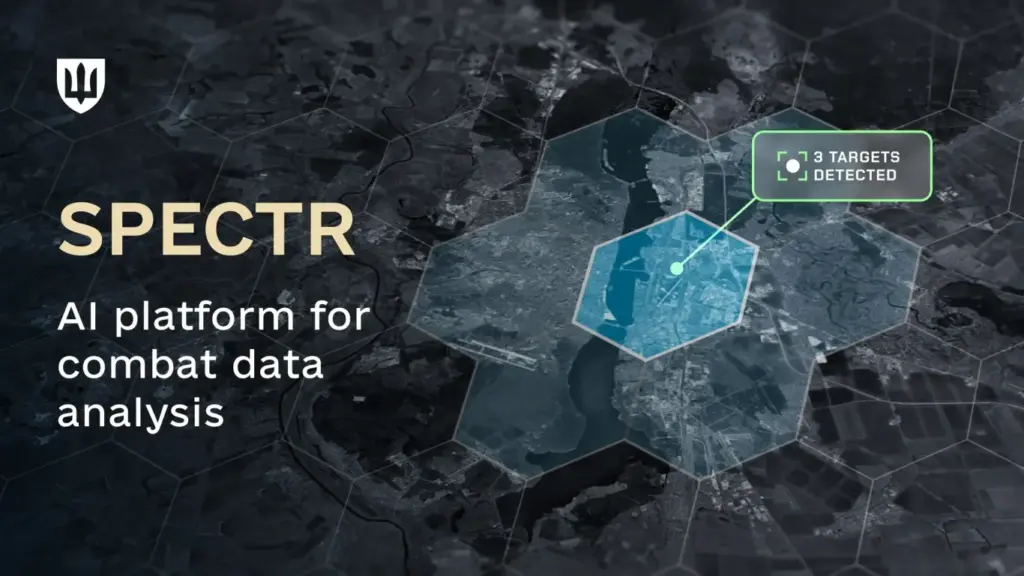
SPECTR.

Ukraine is building an artificial intelligence system to analyze battlefield data, help commanders plan operations, and forecast Russia's possible moves, its Defense Ministry said. The system keeps the data it runs on behind a protected perimeter.

The logic behind the project: Ukraine can already read the battlefield from drone footage and sensor feeds, but converting that picture into orders is the harder, still-human half where wars are decided.

What SPECTR is built to do

SPECTR comes from A1, the AI center inside Ukraine's Defense Ministry. Its head, Danylo Tsvok, said Ukraine holds a unique store of data on how this war is fought, and SPECTR is designed to help turn that into a real edge on the ground.

The system is built to analyze incoming information, spot patterns, draft recommendations for planning operations, and automate the routine work in headquarters. Troops would work with frontline information faster.

"Essentially, we are building an operating system for warfighting. It will help the military choose effective courses of action and predict the enemy’s possible moves," Tsvok said.

SPECTR will run inside systems the Defense Forces already use, and on local devices set aside for sensitive data.

The center behind an AI-driven army

The ministry set up A1 in March 2026 with backing from the UK government, aiming to turn AI into Ukraine's battlefield advantage and build an "AI-driven army." That effort runs along three tracks: faster, data-based decisions, AI built into weapons and less bureaucracy in the ranks. The center is working on three flagship projects. Some of its solutions are already being tested by units.

  •  

Not Long Ago, Trump Accused China of Election Meddling. Today, ‘Great Friendship.’

President Trump softened much of his stance toward China as he prepared to host its leader. But his disregard of a topic that has consumed him — the 2020 election — was particularly stark.

© Haiyun Jiang/The New York Times

President Trump treated President Xi Jinping of China with pomp and circumstance during his state visit to Washington this week.
  •  

Ukraine’s Mirage had killed a cruise missile on its first combat sortie. France just sent more of the missiles that reach 80 km

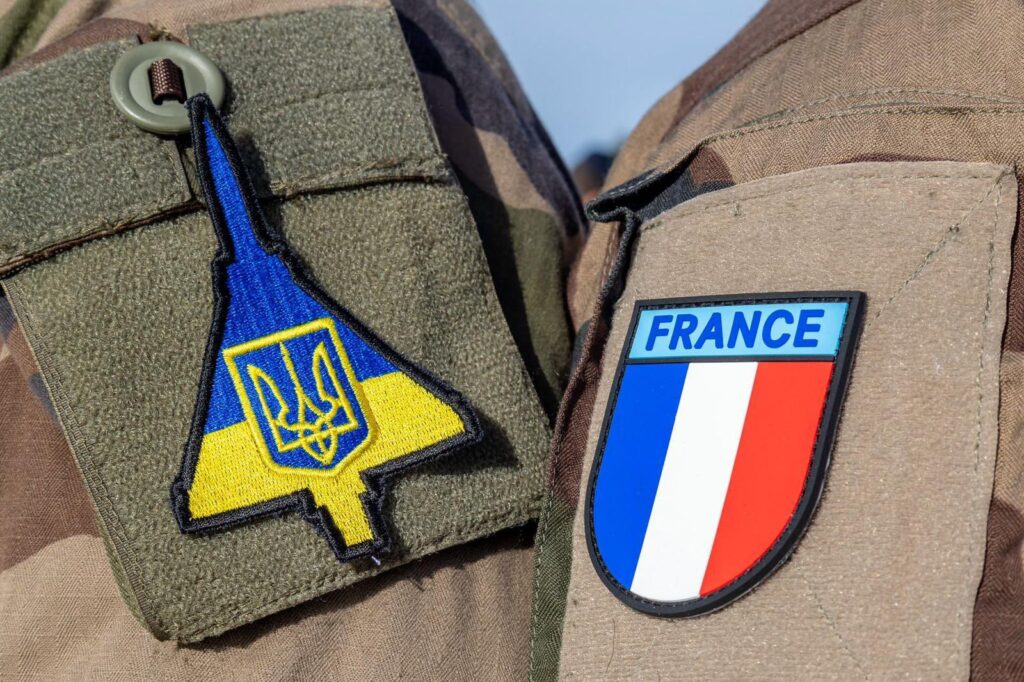
Ukraine and France military chevrons

France delivered additional MICA air-to-air missiles and 30mm cannon ammunition for Ukraine's Mirage 2000 fighter jets, Militarnyi reported, citing France's Armed Forces Ministry.

Delivering an aircraft is one step, keeping it armed is another. France's weapons resupply reflects a shift from one-off hardware transfers to sustained combat support as Russia's aerial campaign against Ukrainian cities grinds on.

What MICA does

The MICA, developed by MBDA, comes in two versions: radar-guided (MICA RF) and infrared (MICA IR). It weighs about 112 kg, flies at Mach 4.9—nearly five times the speed of sound—and can engage targets 60 to 80 km away.

Ukraine's Mirages have also carried older Magic 2 missiles limited to roughly 20 km. MICAs were reportedly included with the original donation, but the supply may have been limited, which would explain why the Magic 2s stayed in use. MICA triples to quadruples that engagement window, letting pilots intercept cruise missiles far earlier in their flight path. The fresh delivery keeps Ukraine's small fleet supplied with the missiles that make these longer-range interceptions possible.

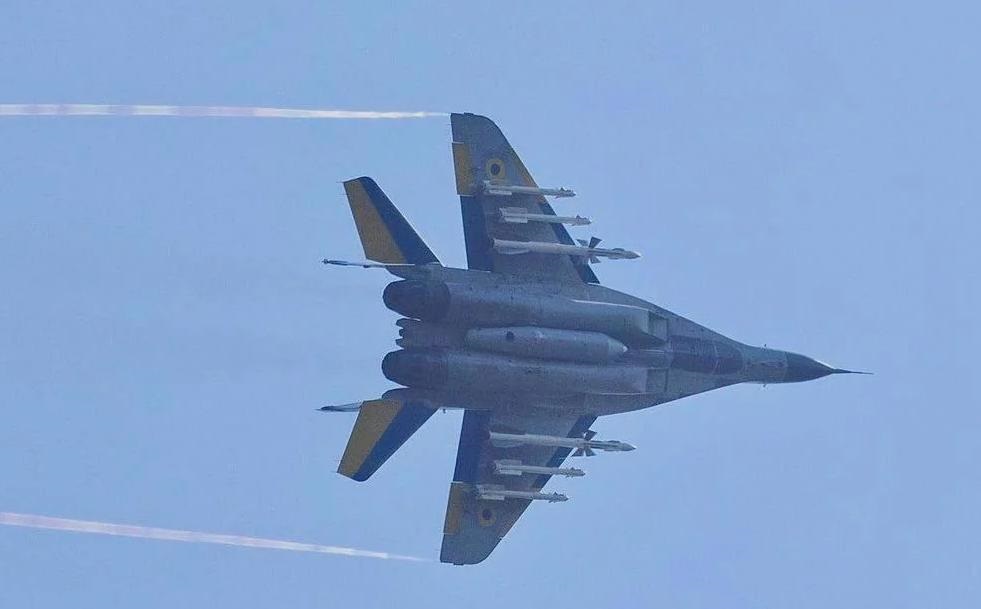
MiG-29 with R-27s and R-73s.
Explore further

Ukraine is running short of its best missiles for hunting Russia’s jet drones. Now MiG-29s are firing 1970s weapons

Cheap shells for cheap drones

The 30mm ammunition feeds the Mirage's two built-in DEFA 554 cannons, which fire at a selectable rate of 1,200 or 1,800 rounds per minute. A pilot who uses the gun on a Shahed drone saves a MICA for a target that actually needs one.

Ukraine's F-16 operations follow a similar logic: pilots use their 20mm Vulcan cannons alongside AIM-9 and AIM-120 missiles, though Zelenskyy called the missile option expensive—used when nothing else can reach a jet drone, because "a human life is more important."

A Ukrainian Mirage 2000 shot down a Russian Kh-101 cruise missile during its very first combat mission, on 7 March 2025. France has delivered about a dozen modified Mirage 2000-5F jets since February 2025, and the fleet is still growing.

  •  

OpenAI Agents Hacked Into an Australian Government Website. Who’s Responsible?

The first known breach of a government website by rogue artificial intelligence agents has prompted global calls for more regulation of the technology.

© Lexi Parra/The New York Times

Prime Minister Anthony Albanese of Australia at the U.N. General Assembly in New York on Thursday. He has called for international standards to govern A.I.
  •  

Zelenskyy says Ukraine has agreed on a new Patriot interceptor package—won’t say with whom

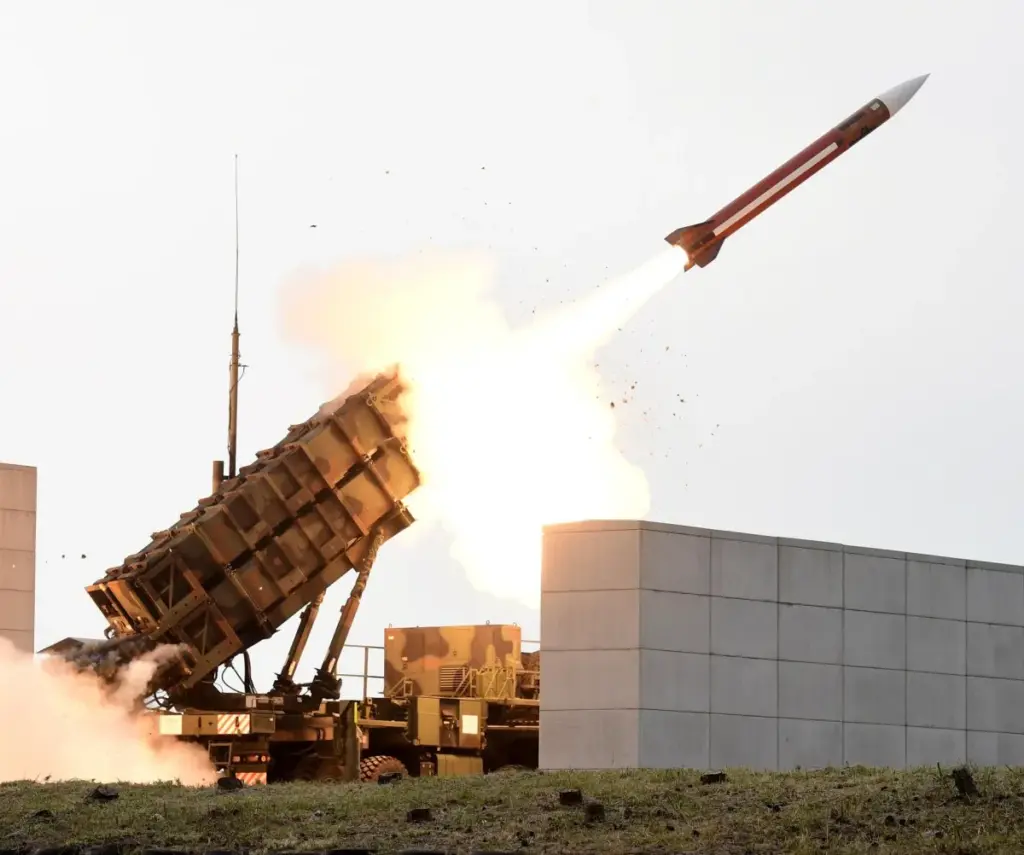
brussels cleared ukraine spend eu loan money american patriot missiles get through upcoming winter russian attacks · post pac-2 missile launch yonhap пуск ракети illlustrative militarnyi news ukrainian reports

Ukrainian President Volodymyr Zelenskyy announced that Ukraine has agreed on a new package of Patriot interceptor missiles with an unnamed partner, Suspilne reported. He made the announcement on 24 September during a meeting with the Ukrainian community in the United States. Zelenskyy did not reveal the partner's identity, the quantity, or the delivery timeline.

Russia's aerial campaign against Ukrainian cities is heading into its most dangerous winter yet, with ballistic strikes on hospitals, power stations, and residential buildings pushing monthly civilian casualties to their highest level since the war's opening weeks. The gap between the interceptors Ukraine needs and what allies have so far committed has become a central factor in both the defense of Ukrainian cities and the diplomatic standoff.

What Zelenskyy said

Zelenskyy made the announcement during a broader address to the diaspora about diplomacy, the peace effort, and cooperation with US President Donald Trump's team.

"We agreed today—I won't say with whom—on a package of [interceptor] missiles for Patriot systems. This is an important decision," Ukrainian President Volodymyr Zelenskyy told the Ukrainian diaspora in New York.

He gave no further details. Zelenskyy said ending the war was the most important question facing Ukraine and awarded decorations to community members who had contributed to the country's defense.

Before the New York trip, the interceptor question had been raised with several partners. After meeting Trump on 22 September, Zelenskyy said he had asked Washington for a winter package of Patriot interceptors. That same week, he pitched Japan's Prime Minister Sanae Takaichi on air-defense cooperation, noting that Mitsubishi Heavy Industries runs the only plant outside the US licensed to assemble PAC-3 missiles. Suspilne noted the issue had also been discussed with other partners Zelenskyy did not name.

Intercepting more, but not enough

On 24 September, air defenses intercepted 60% of the ballistic missiles Russia fired at Kyiv—a figure the president called significant.

"It was 60%—not 10% and not zero. And this year we had moments when it was zero. Not because someone lacks experience, but because someone lacks missiles," Zelenskyy told journalists in New York.

Since 12 August, Ukraine's Air Force has stopped publishing detailed figures on how many missiles Russia launches, reporting only what it downs—which makes Zelenskyy's percentage a rare public benchmark. By that count, Russia has fired at least 794 ballistic missiles at Ukraine since January, about 43% of all missiles used this year, with July's 174 the monthly high.

The overnight attack

Hours after Zelenskyy spoke in New York, Russia launched 295 drones at Ukraine overnight on 24–25 September. In Odesa, Russian drones killed two people—a 40-year-old woman and a 51-year-old man—and injured two others. In Kyiv, Shaheds struck high-rises in Solomianskyi district, and strikes across the broader region killed a 14-year-old boy.

1000 patriot missiles arrive too late winter so ukraine asked ramstein arms coalition open its warehouses · post ukraine's defense minister yevhenii khmara right commander-in-chief major general mykhailo drapatyi meeting
Explore further

1,000 Patriot missiles arrive too late for this winter, so Ukraine asked the Ramstein arms coalition to open its warehouses

Romania scrambled jets as drones drifted toward its airspace. A woman was injured in Dnipropetrovsk Oblast, and the morning brought further Russian strikes on Zaporizhzhia and Poltava, injuring two more people.

The interceptor crisis

Zelenskyy's announcement lands in the middle of a worsening shortage. In August, he told CNN that Ukraine held roughly 1% of American Patriot stocks and that 5% would get Kyiv through the winter. ISW assessed the same month that the interceptor shortage was one reason Russia saw no incentive to negotiate.

The EU has moved to fill the gap. Brussels cleared Ukraine to spend loan money on Patriot missiles and later released €6.1 billion ($7.1 billion) for interceptors and drones. But Ukraine's air force commander warned that newly ordered missiles would arrive too late for this winter and asked the Ramstein coalition to open existing stockpiles.

At least one partner has now moved from discussion to commitment. The quantity and delivery date remain unknown, and Russia produces ballistic missiles faster than Ukraine's allies have so far been willing to part with the interceptors that stop them.

"We agreed today—I won't say with whom—on a package of [interceptor] missiles for Patriot systems. This is an important decision," Ukrainian President Volodymyr Zelenskyy told the Ukrainian diaspora in New York.
"It was 60%—not 10% and not zero. And this year we had moments when it was zero. Not because someone lacks experience, but because someone lacks missiles," Zelenskyy told journalists in New York.
  •  
❌