❌

Vue lecture

NATO would strike back if Russia attacks, Polish FM says he warned Moscow
Radoslaw Sikorski

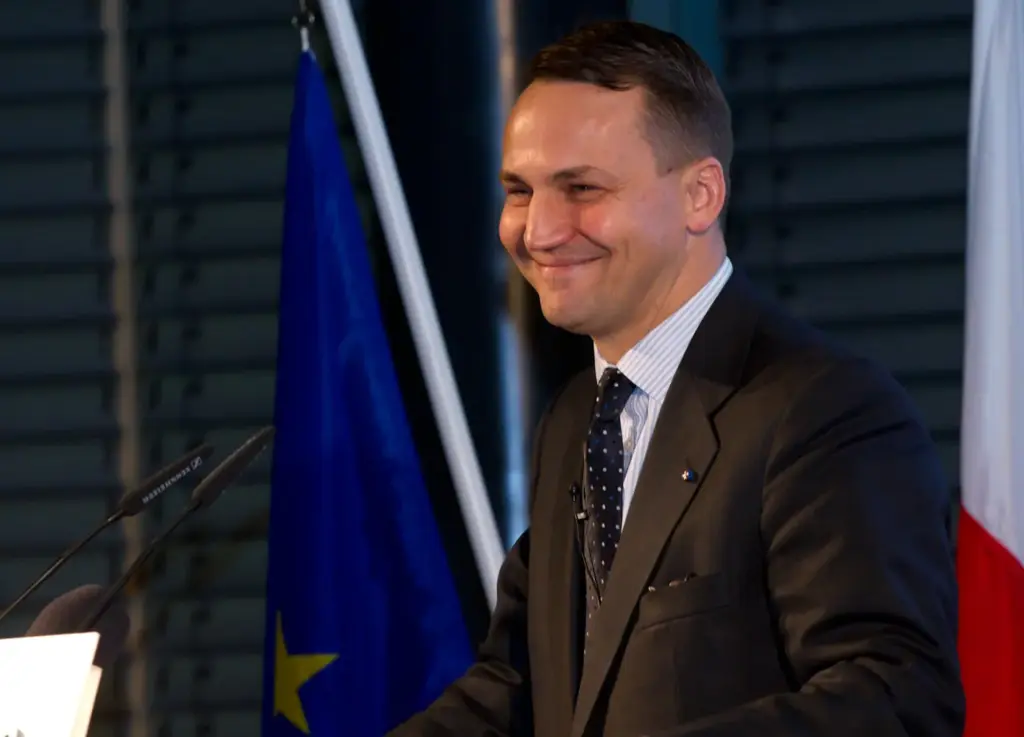
Polish Foreign Minister Radoslaw Sikorski says he has personally warned Russian officials that Polish response to a possible attack from Moscow would include both offensive and defensive actions, according to an episode of the program Front Sikorskiego.

Sikorski's disclosure comes as European governments step up preparations for possible Russian attacks and provocations. Polish Prime Minister Donald Tusk said on 17 September that intelligence assessments indicated Russia could stage drone or missile attacks against countries supporting Ukraine in the coming months, while Lithuania said it had access to the same intelligence.

Sikorski says he has told Russian officials to "be careful, because we have more combat aircraft than you do."

"So if you do something that no one wants, we won't just sit back and do nothing. We will respond both defensively and offensively," Sikorski stresses.

He frames the warning as deterrence and points to Ukraine's strikes on Russian oil refining infrastructure as an example of what air power can achieve. Ukraine has destroyed what Sikorski described as 30–40% of Russia's oil refining capacity, he says, arguing that European air forces could accomplish far more.

European governments prepare for Russian provocations

Tusk said Russia could try to present such attacks as accidents in an effort to weaken NATO's willingness to respond. Lithuanian Foreign Minister Kęstutis Budrys confirmed the following day that his country had the same intelligence and said officials had discussed the possibility of a Russian false-flag operation, according to Delfi.

France has also moved to prepare for possible Russian hybrid attacks. President Emmanuel Macron ordered a plan to protect critical infrastructure and sensitive defense-industry sites from drone and cyberattacks, the Kyiv Independent reported, after saying the Russian hybrid threat had intensified. "The day we are attacked physically, we will not be warned," Macron said.

Sikorski did not say when he delivered the warning or which Russian officials received it.

  •  

Warning sirens are going west: Russian jet-powered drones bring strikes closer to NATO country

Alarms in Poland

Poland will have more than 1,000 automated warning sirens in Lublin Voivodeship by the end of 2026, Interior Minister Marcin Kierwiński said on 19 September, up from nearly 350 now. The region had about 30 remotely activated sirens at the beginning of 2024.

The expansion comes as Russian attacks on the west of Ukraine are reaching closer to Poland. Prime Minister Donald Tusk said Russia is expected to intensify attacks on Ukraine's critical infrastructure and warned of possible "accidental" drone or missile strikes on NATO countries, including Poland. He also said Russia is introducing jet-powered drones that move much faster and at higher altitudes.

Sirens sound as drones approach the border

A Russian air attack on western Ukraine triggered air-raid warnings in Poland's Lublin and Podkarpackie regions on 17 September. Sirens sounded in Lublin and Rzeszów, while residents received an SMS warning: "ATTENTION! ATTENTION! ATTENTION! Threat of an air attack. Find a safe place. Follow the instructions of the emergency services. Await further announcements."

The Polish military said its aircraft were activated in response to Russian strikes involving jet-powered drones against western Ukraine. A Russian drone flying toward Poland fell on Ukrainian territory about four kilometers from the Polish border, according to Polish authorities. Polish airspace was not violated.

Airports in Lublin and Rzeszów temporarily suspended operations to give military aircraft freedom of movement. Polish authorities said the measures were preventive and intended to protect Polish airspace.

More strikes on the border zone

On 13 September, Russian strikes near the Yahodyn-Dorohusk border crossing damaged a gas station and hit the locomotive of a Kyiv-Warsaw passenger train about two kilometers from the Polish border. No deaths were reported, and the border crossing temporarily halted operations.

On 19 September, Poland again activated ground-based air-defense systems and increased radar reconnaissance in response to another wave of Russian strikes on Ukraine. The operation ended the same day with no violation of Polish airspace recorded.

Shelters, sirens, and a 1939 echo

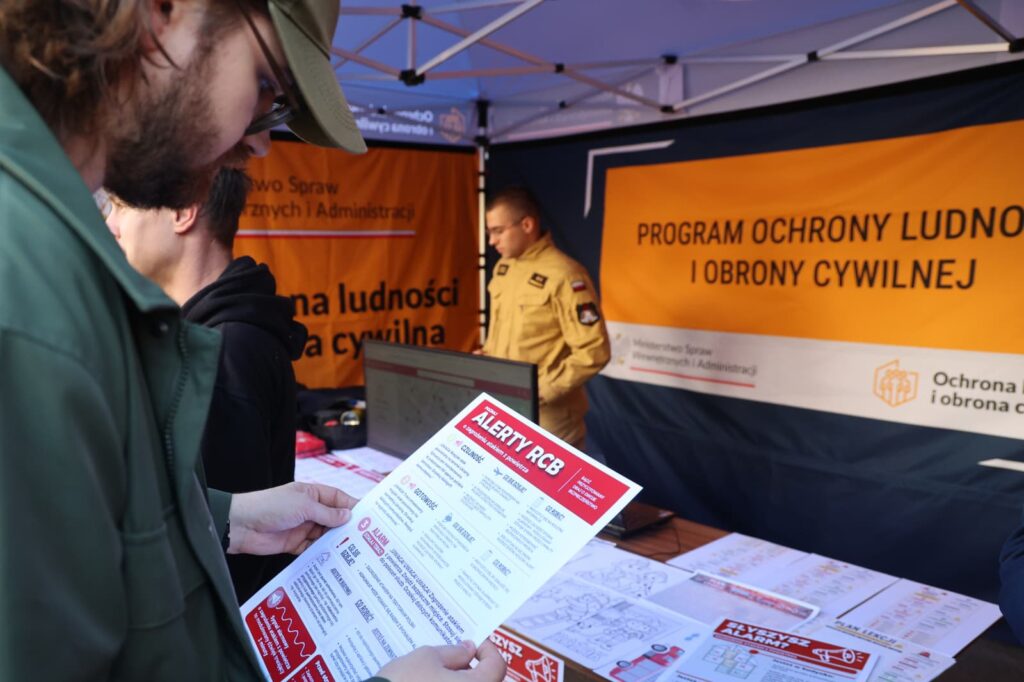
Beyond sirens, authorities have marked nearly 3,500 official shelter locations in Lublin Voivodeship. More than 500 State Fire Service stations and volunteer fire units took part in special exercises on 19 September to practice responses to warning signals and emergency alerts.

"We are building a civil-protection system virtually from scratch," Kierwiński said at a briefing in Lublin. "We have very, very little time."

The 17 September strikes fell on the anniversary of the Soviet Union's 1939 invasion of Poland. Prime Minister Donald Tusk described the Russian attack as "massive, extremely brutal."

The 13 September strikes near the border also drew a response from Kyiv. Foreign Minister Andrii Sybiha described them as Putin's terror "knocking" directly on the doors of the EU and NATO and called for a "full trade embargo, a total entry ban, and complete sanctions against Russia's military-industrial complex."

  •  
❌