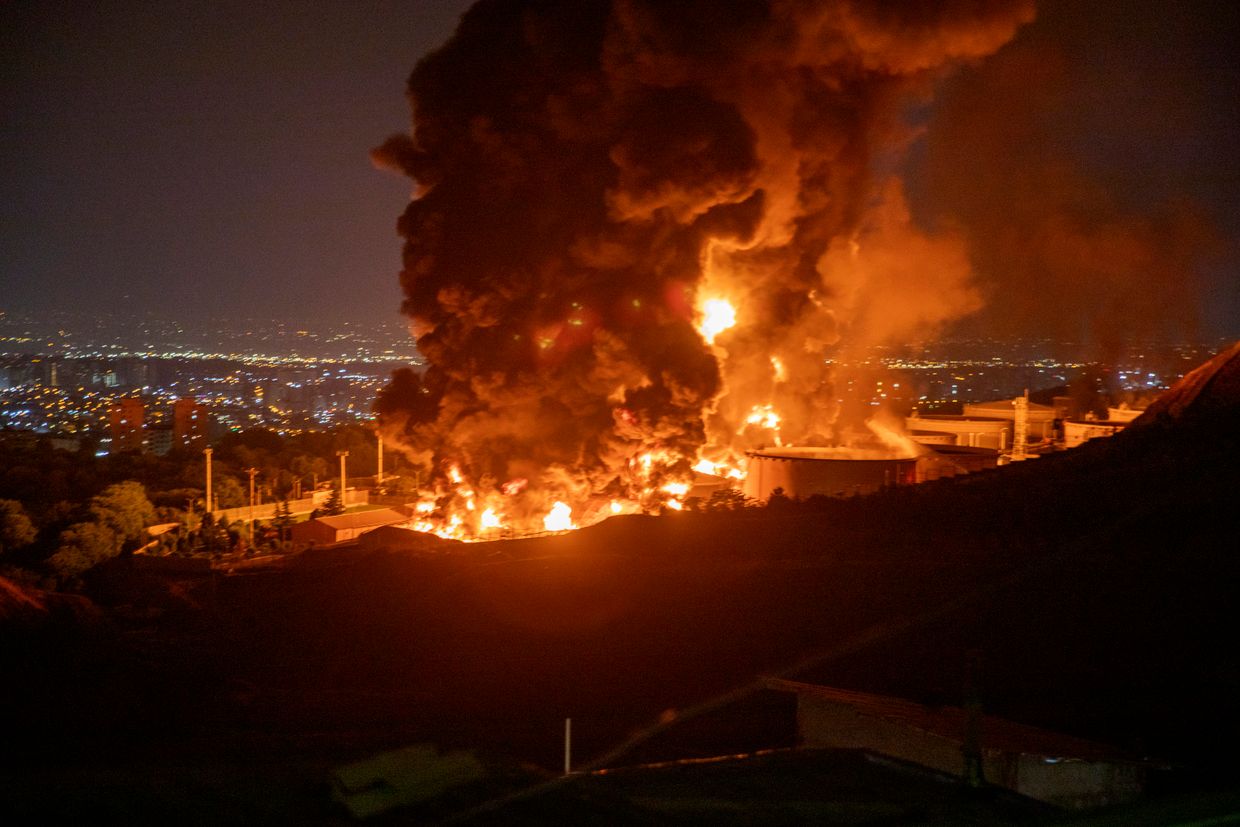
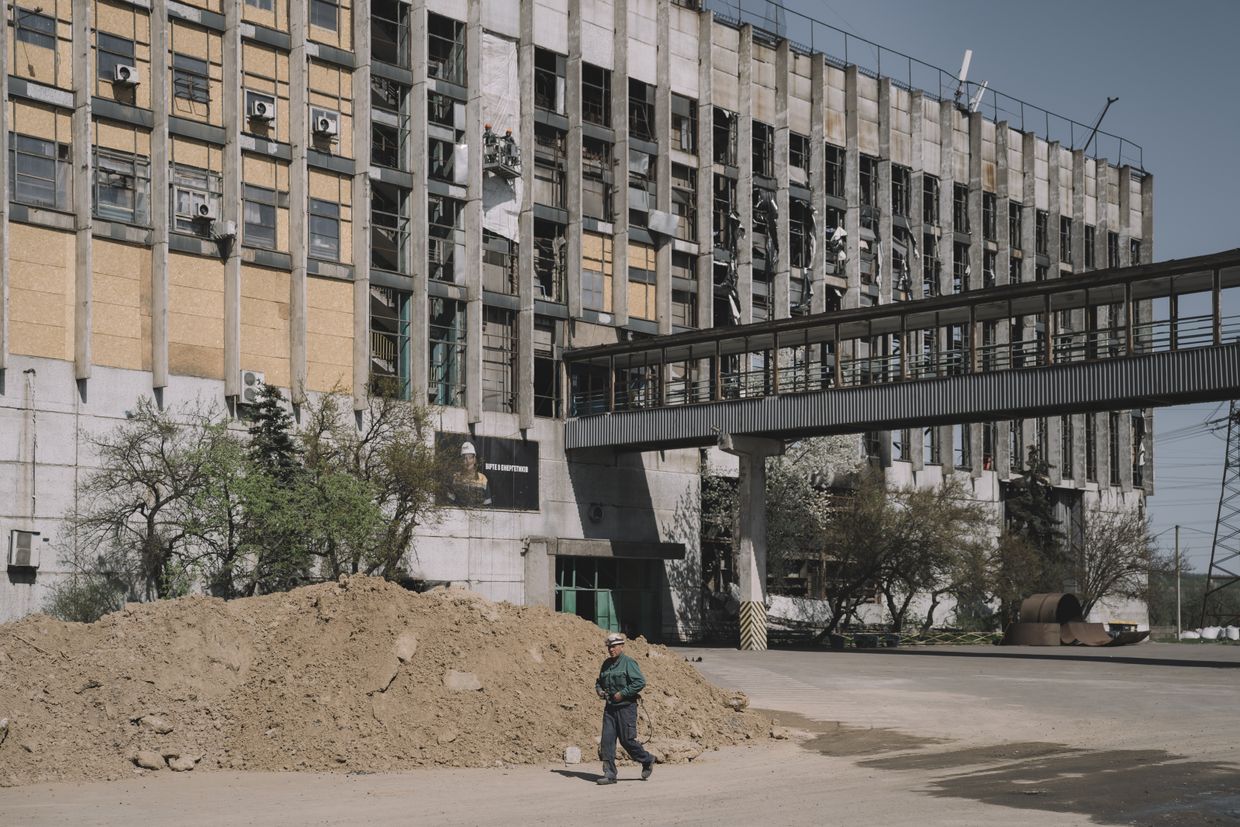
Russian forces struck a critical energy facility in Kherson Oblast, causing widespread power outages across several communities, Governor Oleksandr Prokudin said on June 27.
"Russia decided to plunge Kherson Oblast into darkness," Prokudin wrote on Telegram. He said the attack has disrupted electricity supply to multiple settlements.
Local power engineers are working to stabilize the situation, Prokudin said.
"I ask the residents of the region to prepare for a prolonged power outage. Power engineers are doing everything possible to stabilize the situation," he said.
Kherson and the surrounding regions have frequently come under Russian fire since Ukrainian forces liberated the city from occupation in November 2022. Russian troops continue to attack the area with artillery and drones from across the Dnipro River.
The Russian army consistently targeted Ukrainian energy infrastructure. Throughout 2024, Moscow launched 13 mass attacks with drones and missiles on Ukraine's energy infrastructure. Ukraine was forced to introduce emergency blackouts across the country.
Ukraine and Russia agreed to a partial 30-day energy truce, following consultations with the U.S. in Riyadh on March 25. Moscow violated the ceasefire more than 30 times, Foreign Ministry Spokesperson Heorhii Tykhyi said on April 16.
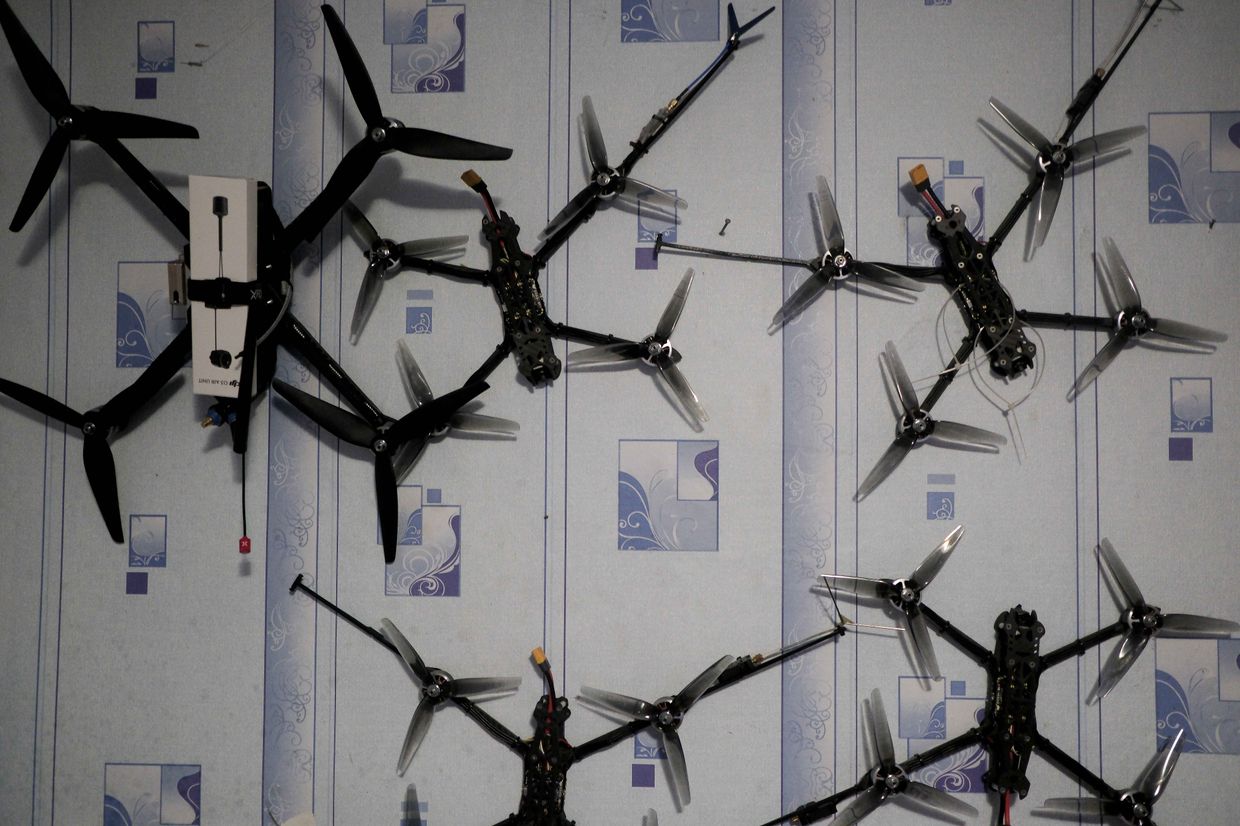
Short-range drone attacks have become one of the deadliest threats to civilians in Ukraine’s front-line regions, killing at least 395 people and injuring 2,635 between February 2022 and April 2025, according to a new bulletin by the UN Human Rights Monitoring Mission in Ukraine.
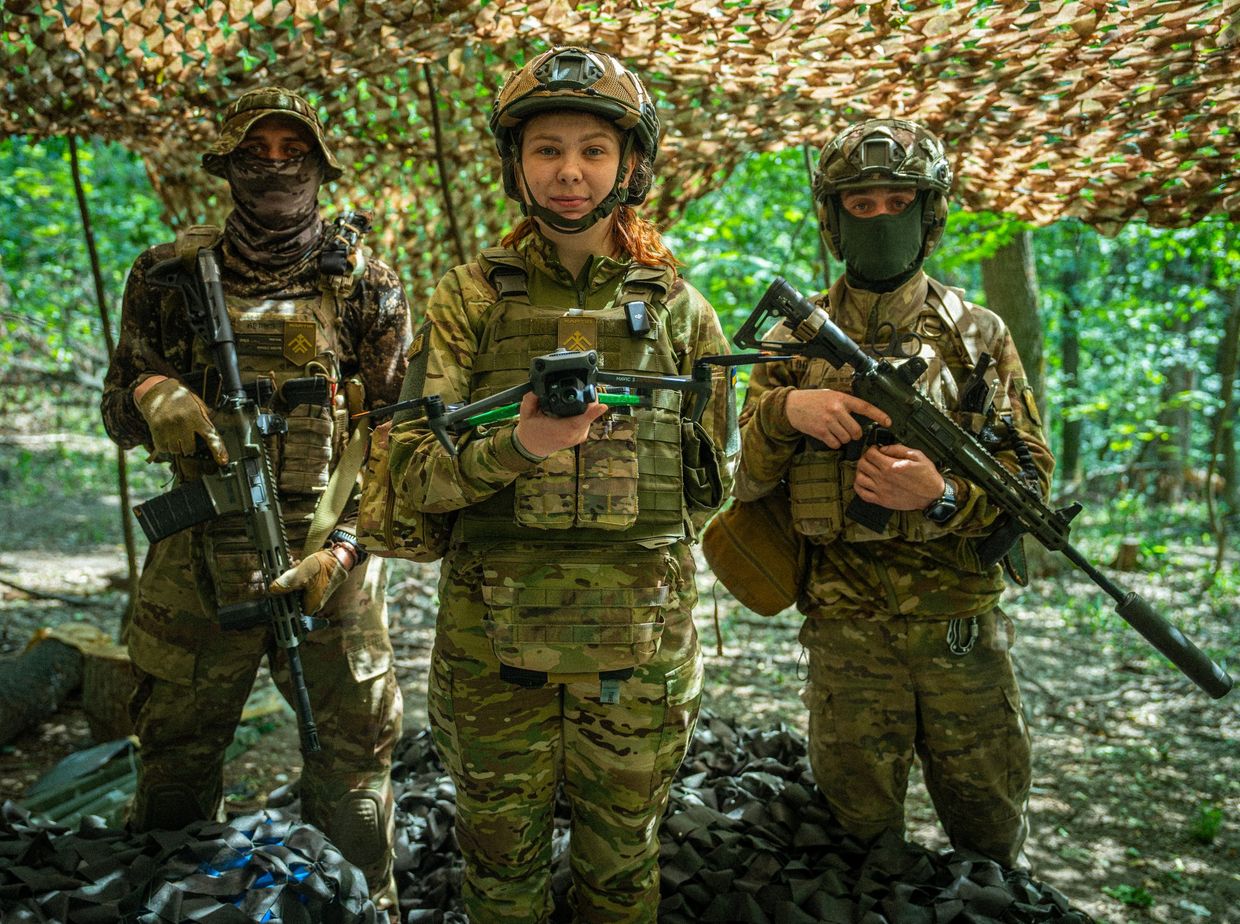
The report, "Deadly Drones: Civilians at Risk from Short-Range Drones in Frontline Areas of Ukraine," highlights the growing use of first-person-view (FPV) drones by Russian forces and their devastating impact on the civilian population.
The bulletin documents attacks in which drone operators deliberately targeted civilians engaging in daily activities — driving private cars, riding bicycles, walking outdoors, or evacuating others in clearly marked ambulances.
"Although individually less destructive than artillery or missiles, the sheer scale and increasing frequency of short-range drone attacks have made them one of the deadliest weapons in Ukraine," said Danielle Bell, head of the mission. "Over 3,000 civilian casualties — and the relentless frequency of these attacks — have not only caused immense human suffering but also instilled fear, severely disrupted daily life, and crippled access to essential services in several frontline communities."
The monitoring mission documented, verified, and analyzed 3,030 civilian casualties resulting from short-range drones between 24 February 2022 and 30 April 2025. The researchers conducted site visits to very high-risk areas, including the southern city of Kherson, Zolochiv in Kharkiv Oblast, and other front-line locations. Investigators interviewed survivors and witnesses of drone attacks, medical personnel, and humanitarian workers to assess the full impact of these strikes on civilian life.
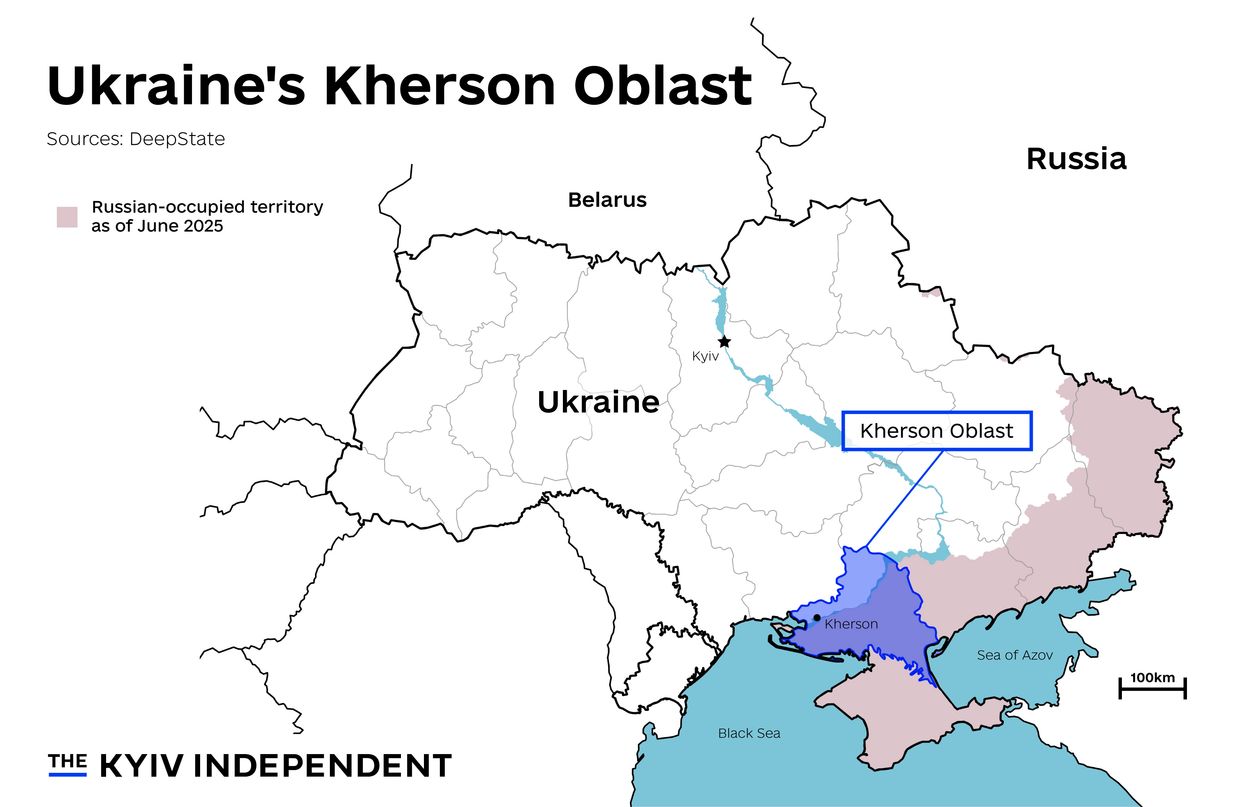
Ukraine's Kherson Oblast (Nizar al-Rifai/The Kyiv Independent)
Casualties surged in late 2023 and early 2024, with numbers suddenly doubling in July 2024. April 2025 marked the deadliest month on record, with 42 civilians killed and 283 injured. Drone strikes continued into May and June.
On 23 June, a 65-year-old driver was killed in Kostiantynivka, Donetsk Oblast, when a drone struck a minibus. In Kharkiv region, a 58-year-old volunteer was killed on 22 May when a drone dropped a munition on a residential balcony. On 20 May, six civilians were injured when a drone hit a bus in Kherson Oblast.
The vast majority of casualties — 89% — occurred in territory controlled by the Ukrainian government. The UN says these attacks violate international humanitarian law, particularly the principles of distinction and precaution, and may in some cases constitute war crimes.

 Connexion
 The Kyiv IndependentKollen Post