Connexion
Ukraine’s Flamingo missile maker’s new Danish plant delayed to 2027 as costs could triple
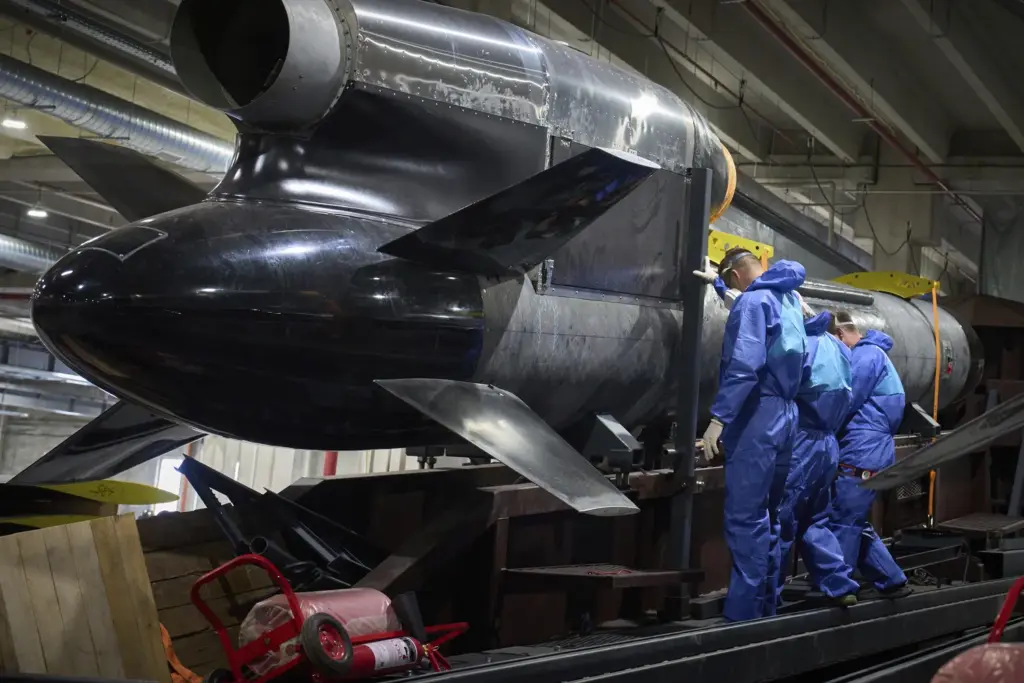
Ukrainian defense manufacturer Fire Point has delayed its Danish missile-fuel plant until late 2027 after the original building failed to meet safety requirements, pushing the estimated cost above €150 million, Euractiv reported on 19 August.
The plant will produce solid rocket propellant for Fire Point’s Flamingo cruise missiles. Denmark was the first NATO country to permit Ukrainian military production on its territory, the German outlet BILD reported. The site is intended to move some production away from Russian attacks in Ukraine, but the delay postpones that capacity by a year.
Fire Point is building the plant in Vojens, near Skrydstrup Air Base in southern Denmark, Euromaidan Press reported.
Fire Point CEO Iryna Terekh announced the revised plan at DALO Industry Days, a defense-industry conference in Herning. She said Fire Point had originally expected the project to cost €50 million and called the new estimate “very rough.”
Denmark had already removed more than 20 legal barriers to speed up the project, Euractiv reported. Terekh said other European countries also remained interested in hosting Fire Point production.
What is Fire Point
Fire Point currently makes missiles and drones at 90 locations across Ukraine, Terekh told Euractiv in July.
The company supplies more than half of Ukraine’s deep-strike weapons—arms used to hit targets far behind the front line—and says it produces 300 drones daily, in a July 2026 interview with Liga.
In August 2025, Fire Point was producing 100 FP-1 long-range attack drones each day, according to the Associated Press. Its later figure includes FP-1 and FP-2 drones.
Denmark directly funds Ukrainian arms makers
Denmark has created the “Danish model” of aid, which uses allied money to buy weapons directly from Ukrainian manufacturers instead of taking equipment from donor stockpiles.
About $200 million of the €590 million military aid package announced in June was directed through the mechanism, Euromaidan Press reported. Denmark has committed about $11.7 billion in military support to Ukraine from 2022 through 2028, according to its Defense Ministry.
Read Also
-
Russia holds up to 20,000 Ukrainian civilians in captivity. One of newest is teacher who stayed in her occupied village to care for her 83-year-old mother
-
Ukraine’s ousted defense minister confirms M&M’s operation planning and discloses real story behind its name
-
Six Nordic-Baltic leaders came to Kyiv. Norway put a $9 billion figure on 2027 support