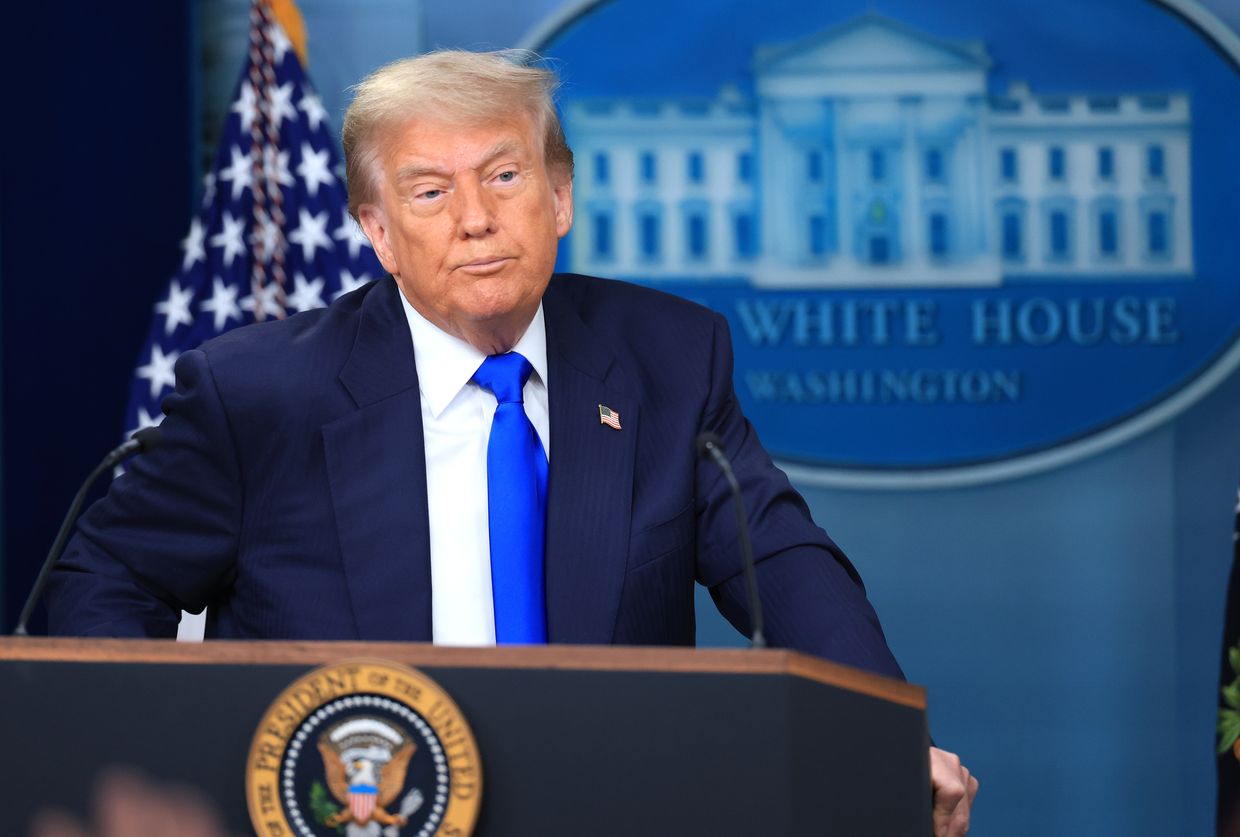
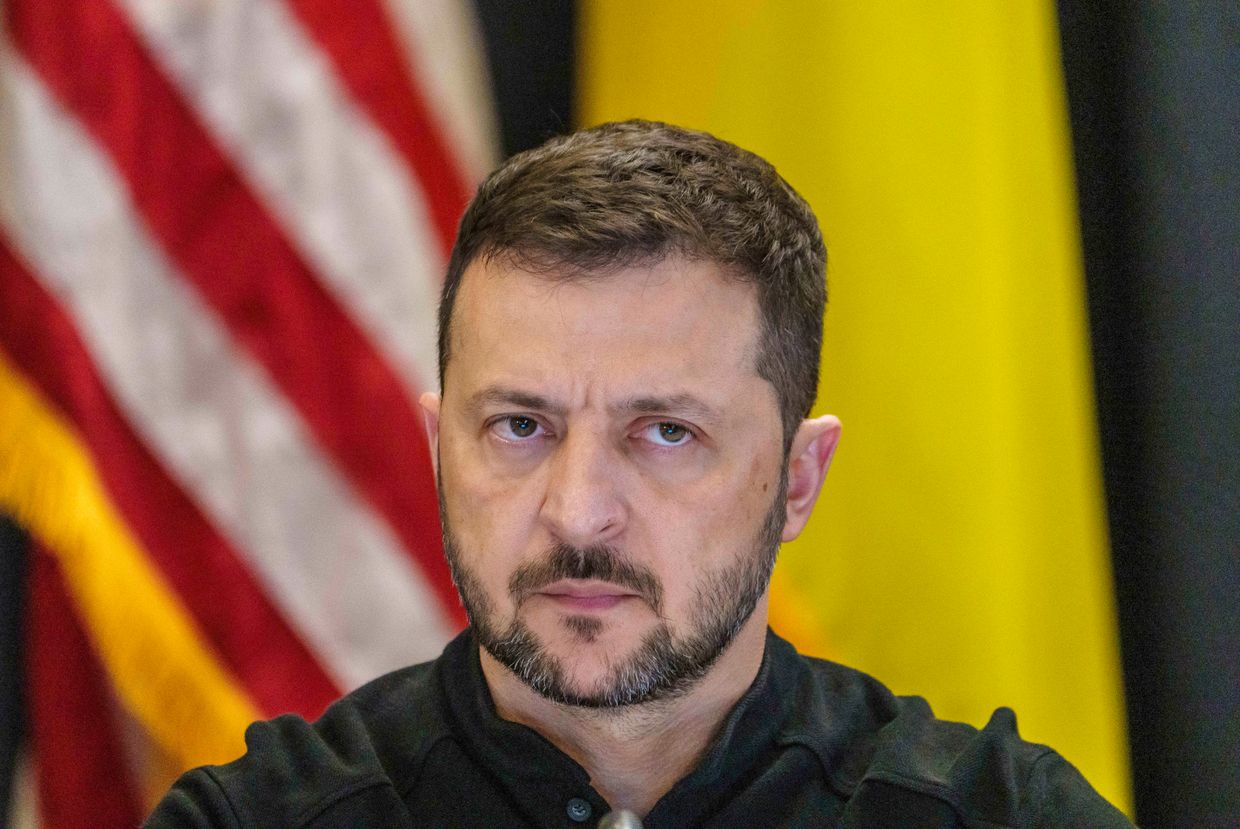
President Volodymyr Zelensky described his recent phone call with U.S. President Donald Trump as "the best conversation in all this time" in an evening address on July 5.
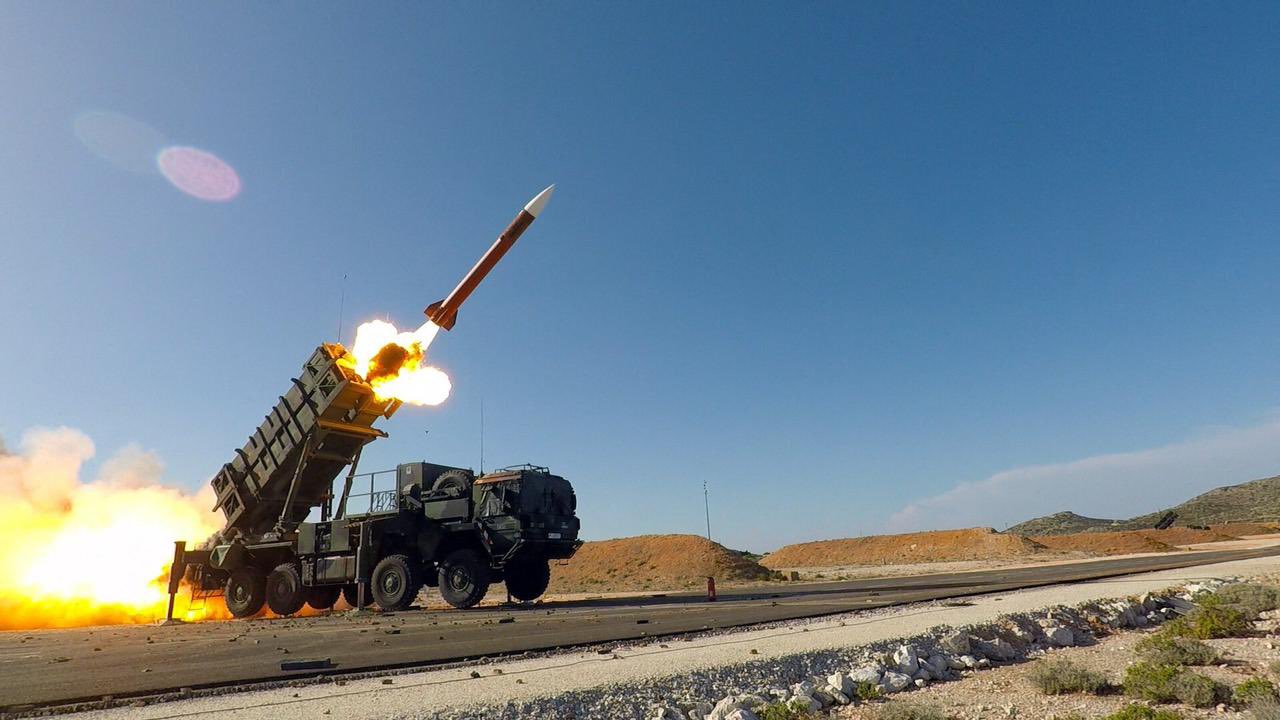
"Patriot (missiles) are key to protection from ballistic (missiles). We discussed several other important issues that our teams will work out in detail at meetings in the near future," Zelensky said.
The two leaders spoke on July 4, agreeing to strengthen Ukraine's air defenses amid intensified Russian strikes, Zelensky said earlier.
A day prior to speaking with Zelensky, Trump held a phone call with Russian President Vladimir Putin in an effort to discuss ending Russia's war against Ukraine.
"This was probably the best conversation in all this time, it was maximally productive. We discussed the topic of air defenses. I am grateful for the readiness to help," Zelensky said, describing his phone call with Trump.
Relations between Ukraine and the U.S. have previously been strained as the White House pushed Kyiv to sign a lucrative bilateral minerals deal and tried to broker a peace deal with Moscow that did not rule out major concessions for Ukraine.
Zelensky's phone call with the U.S. leader followed media reports and announcements from Washington of a pause in military assistance to Ukraine. Trump, on July 3, denied that Washington has stopped supplying weapons to Kyiv.
Trump described his July 3 conversation with Putin as disappointing, saying that the call "didn't make any progress" in stopping Russia's war against Ukraine.
"I'm very disappointed with the conversation I had today with President Putin," Trump told journalists. "Because I don't think he's there. And I'm very disappointed. I don't think he's looking to stop this fighting."
President Volodymyr Zelensky called for more air defence for Ukraine after a massive drone and missile attack on Ukraine's capital overnight on July 4.
According to Zelensky, as U.S. President Donald Trump and Russian President Vladimir Putin were talking on the phone on July 3, air raid sirens blared across Ukraine.
"Moreover, the first air raids in our cities and regions began yesterday almost simultaneously with the start of media discussions of President Trump's phone call with Putin," Zelensky wrote.
"This was one of the most large-scale air attacks – deliberately massive and cynical... Russia is once again demonstrating that it is not going to end the war and terror."
The overnight attack struck Kyiv and several other regions, injuring at least 23 people and setting off dozens of fires in Ukraine's capital. Russian forces launched more than 550 aerial weapons, including over 330 Iranian-type Shahed drones and multiple types of missiles, including ballistic missiles, Zelensky said.
Firefighting efforts and debris removal are still ongoing after another Russian strike. This was one of the most large-scale air attacks – deliberately massive and cynical. In total, 550 targets were launched, including at least 330 Russian-Iranian “shaheds”, along with missiles,… pic.twitter.com/vnn31oST0z
— Volodymyr Zelenskyy / Володимир Зеленський (@ZelenskyyUa) July 4, 2025
Kyiv was the main target. Ukraine's military said it shot down 270 aerial threats, while 208 additional drones were jammed by electronic warfare. Interceptor drones also downed dozens more, Zelensky said, calling their growing use a key defense priority.
Zelensky stressed the need for continued and increased military aid from allies, especially air defenses. "Patriots and their missiles are real defenders of life," Zelensky said. "It is very important to maintain the support of partners in ballistic missile defense."
Despite Russia's escalating attacks and Ukraine's desperate need for air defense munitions, the U.S. has decided to halt shipments of Patriot missiles and other promised weapons to Kyiv, claiming it needs to secure its own stockpiles.
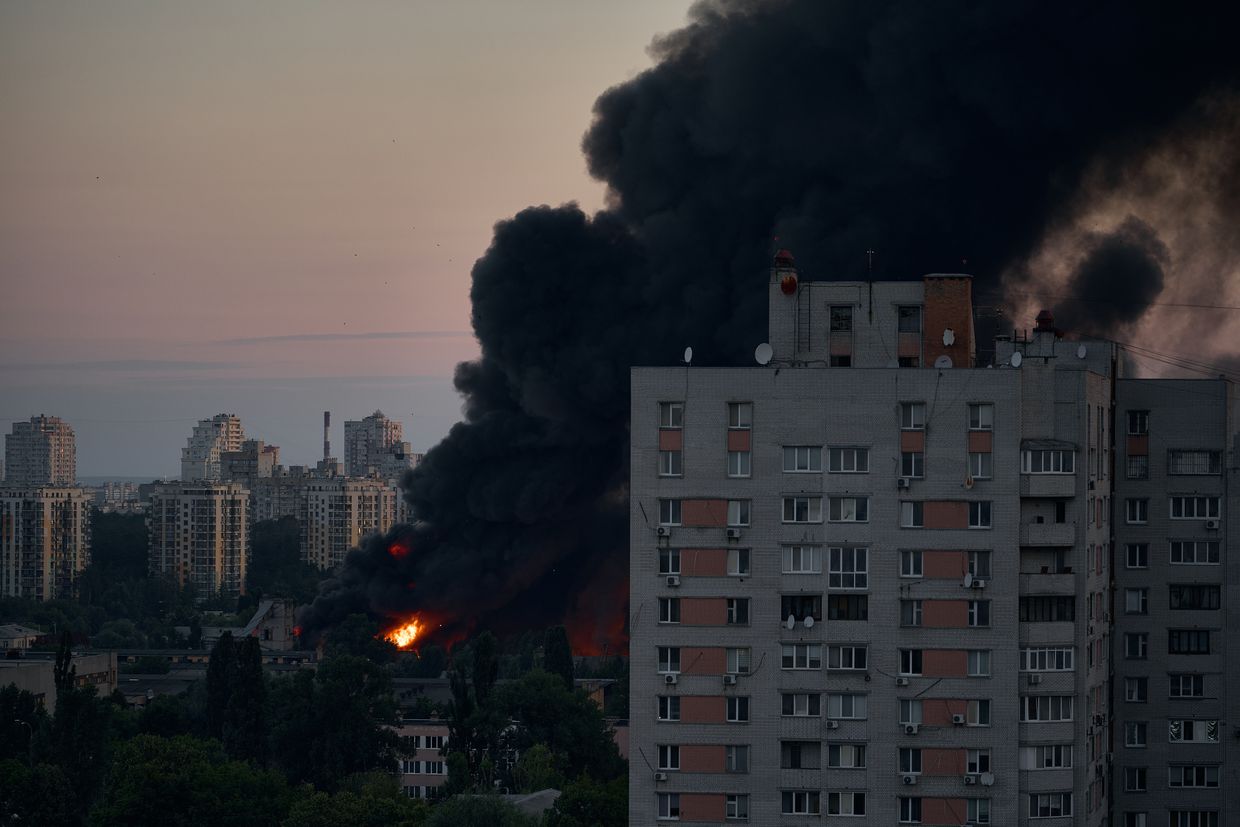
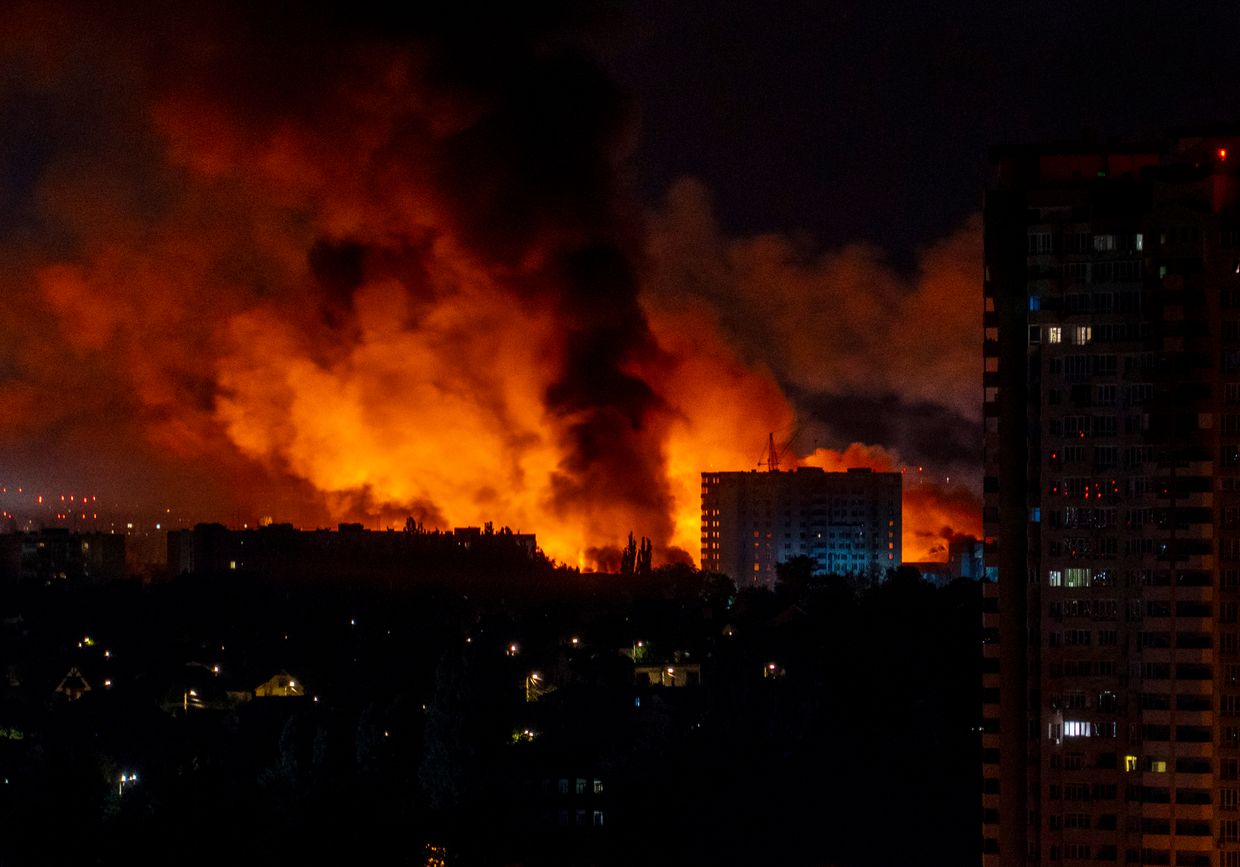
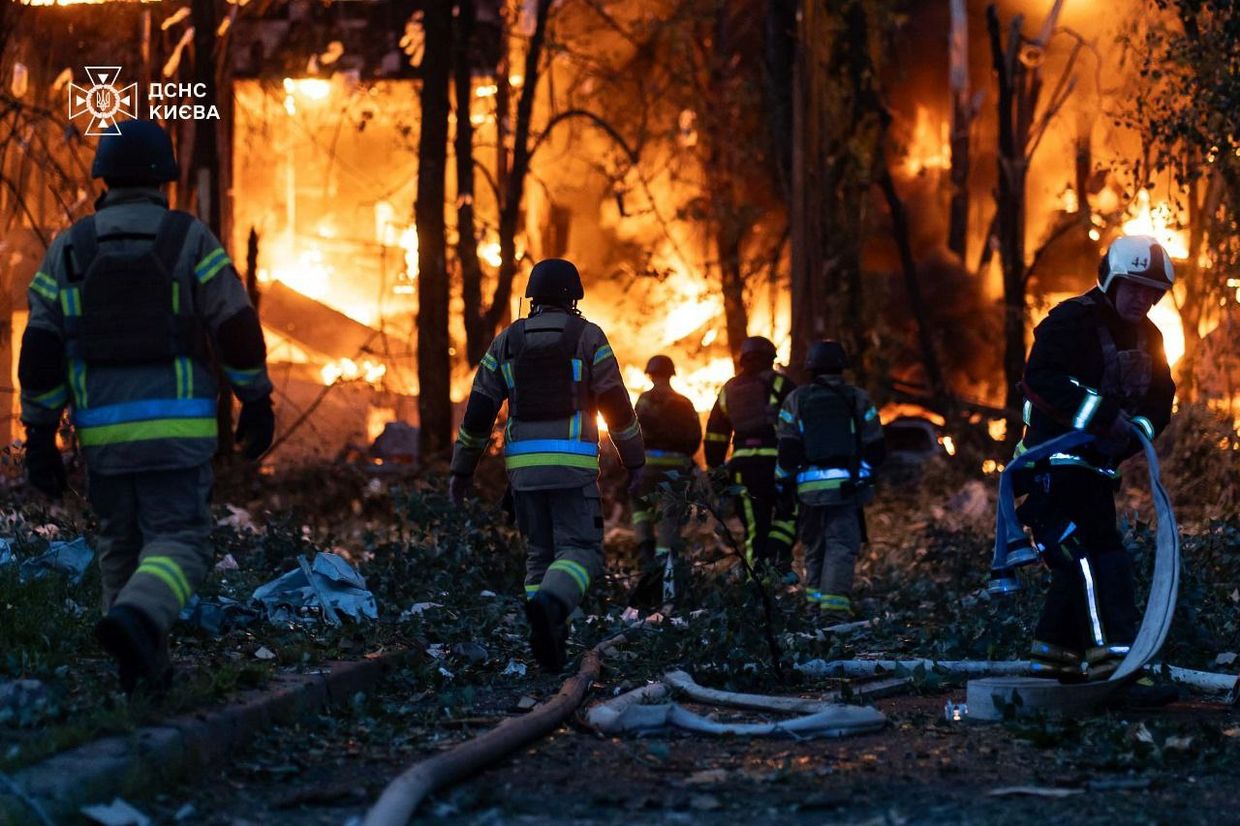
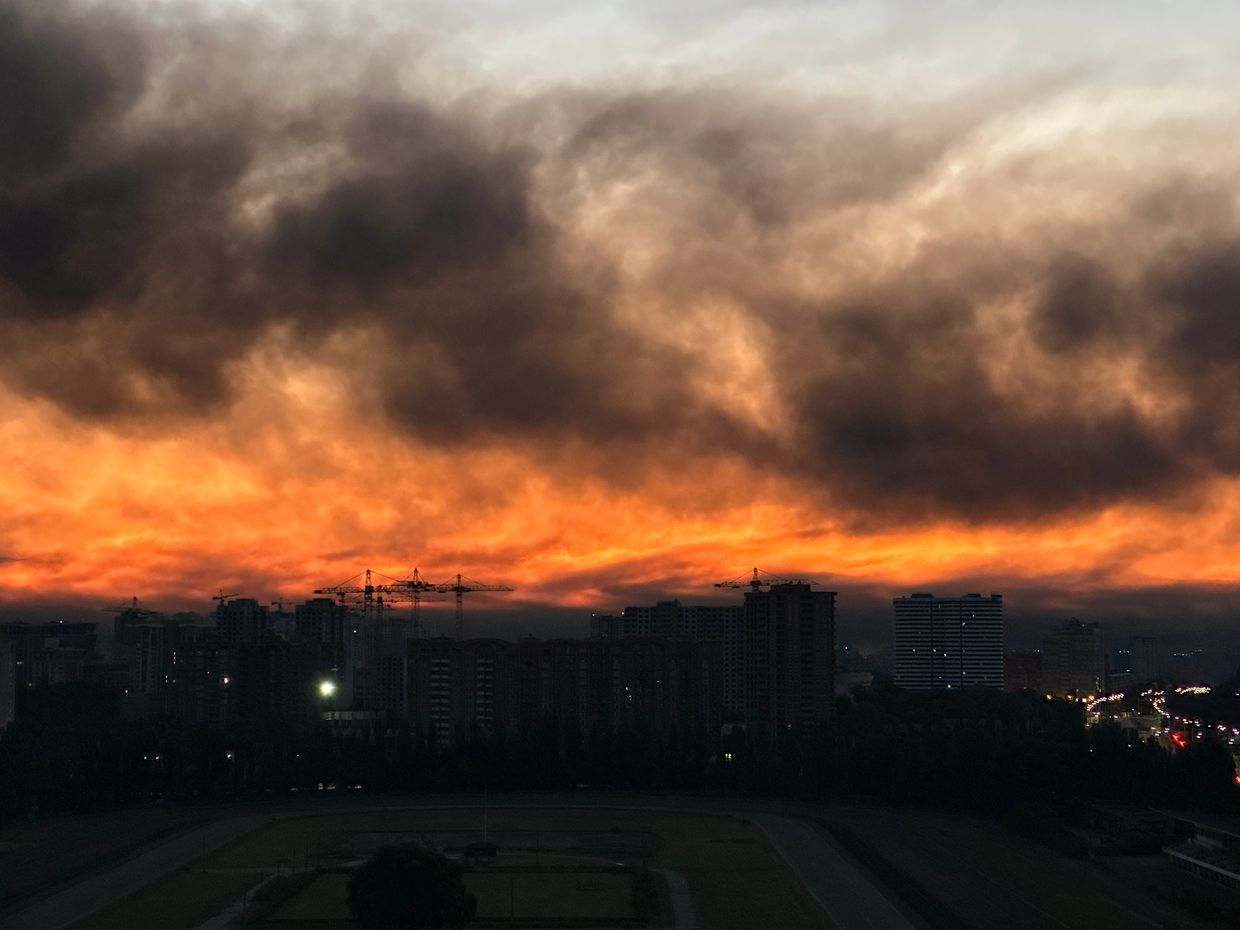
Kyiv residents and emergency crews at the site of Russian attack on July 4, 2025. Russia targeted the capital throughout the night with drones and missiles, causing fires across the city. (Ukraine's State Emergency Service / Telegram)
Firefighters respond at an attack site in Kyiv after Russia launched a mass attack overnight on July 4, 2025. (Ukraine's State Emergency Service / Telegram)
Smoke rises over the residential district after a Russian drone and missile attack in Kyiv, Ukraine, on July 4, 2025. (Yurii Stefanyak / Global Images Ukraine via Getty Images)
Beyond Kyiv, strikes also hit the Dnipropetrovsk, Sumy, Kharkiv, Chernihiv, and Kyiv oblasts, according to Zelensky. Fires and damage were reported in nearly every district of the capital, including residential buildings, schools, medical facilities, and railway infrastructure.
Local authorities described the night as "terroristic." Kyiv Mayor Vitali Klitschko reported fires in at least five districts. Air quality in the city remained dangerously poor by morning, as noted by the Ministry of Environmental Protection.
Meanwhile, Russian state media reported that during the Trump-Putin call, Putin reiterated his determination to continue pursuing the Kremlin's goals in Ukraine, despite mounting international calls for a ceasefire.
Zelensky called on Ukraine's allies, particularly the United States, to apply massive and immediate pressure on Russia. "We need to ensure that for every such attack on people and lives, they (Russia) feel the corresponding sanctions and other blows to their economy, their earnings, their infrastructure," he said. "Only this can bring faster change."
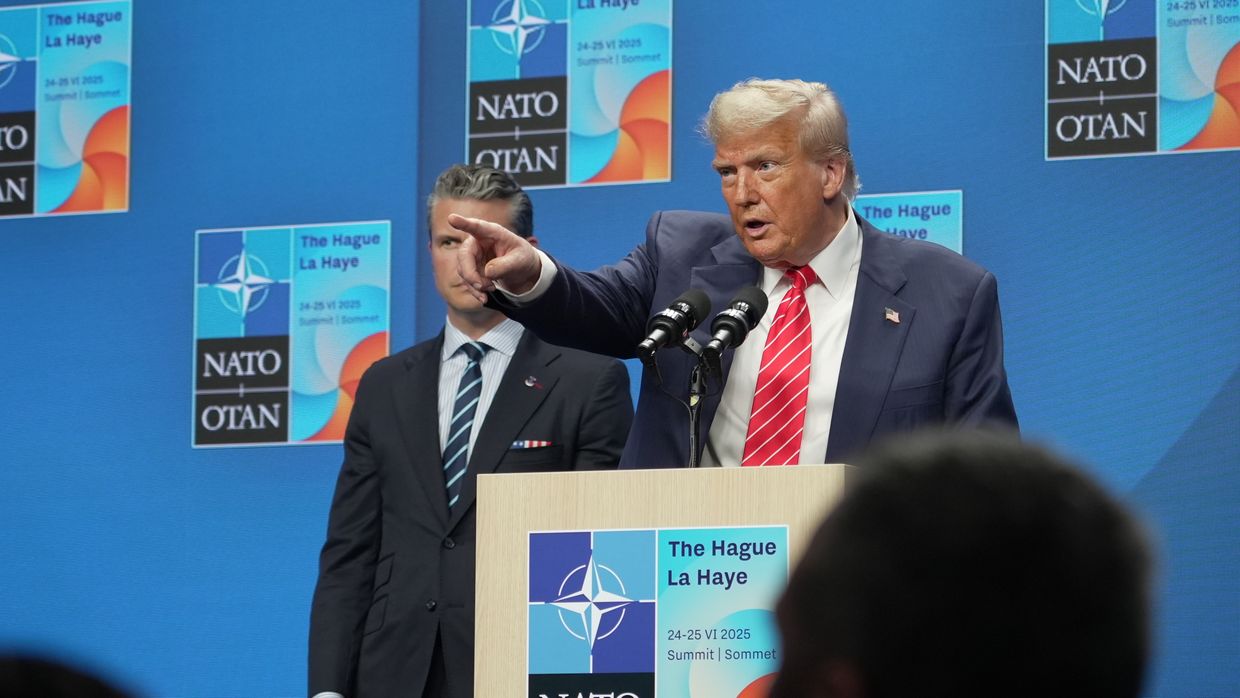
Washington will "see" whether it can supply Kyiv with additional missiles for its Patriot air defense systems, U.S. President Donald Trump said during the NATO summit in The Hague on June 25 as Russia escalates its air strikes against Ukraine.
"They (Ukraine) do want to have the anti missiles, as they call them, the Patriots, and we're going to see if we can make some available," Trump said.
"They are very hard to get. We need them too. We are supplying them for Israel, and they are very effective."
After the meeting with Trump earlier in the day, Zelensky said that the two discussed the purchase of American air defense systems to shield Ukrainian cities and critical infrastructure.
In recent weeks, Moscow has intensified its drones and missiles strikes. As NATO leaders gathered for the summit, Russia launched an attack on the city of Dnipro, killing at least 19 people and injuring more than 300 others.
"Ukraine is ready to buy this equipment and support American weapons manufacturers. Europe can help. We also discussed the potential for co-production of drones. We can strengthen each other," Zelensky added.
Previously, despite Kyiv's appeals, Trump has dismissed the request, accusing Ukraine's president of "always looking to purchase missiles" and falsely blaming Ukraine for provoking the war.
The Patriot is a high-precision, U.S.-made surface-to-air missile platform capable of intercepting aircraft, cruise missiles, and ballistic threats. Zelensky has repeatedly said Ukraine needs at least seven more systems to defend its most at-risk regions.
In early June, he confirmed that Trump's administration diverted 20,000 anti-drone missiles originally intended for Ukraine to American forces in the Middle East.
Since the start of Russia’s full-scale invasion, Moscow has launched 28,743 Shahed-type drones at Ukraine — with 2,736, or roughly 9.5%, fired in June 2025 alone, Zelensky said.

 Connexion
 The Kyiv IndependentKateryna Hodunova