Vue lecture

Why can’t Ukraine just blow up Russian launchers firing ballistic missiles at its cities?

ukrainian intelligence russia’s advanced missile arsenal shrinks nearly 50% since russia's iskander-m its mobile launcher iskander domestic pyongyang-supplied kn-23 ballistic stockpile has dropped 580 300 told liga report does mention

There is a reason Ukraine cannot simply blow up the launchers firing ballistic missiles at its cities. Russia's Iskander launchers are extremely hard to catch, and interfering with the missiles' production is nearly as difficult, presidential adviser Serhii "Flash" Beskrestnov said on the national telethon, according to UNIAN.

The launchers survive by never staying still or coming within reach. Iskander launchers head to their firing positions only when a combat task is set, sometimes moving along forest roads for five hours to avoid detection by satellites, then deploying fast, firing, and fleeing.

They launch from 140 to 150 kilometers behind the front line, which is why catching one on the march or at its firing position is so hard.

The launcher is a fleeting target

Beskrestnov described a weapon designed to be gone before it can be hit.

"The deployment of the Iskander happens very quickly. Then the launch. The Iskander fires and then flees the position," he said.

The forest-road approach and the 140- to 150-kilometer standoff are deliberate. By staying beyond HIMARS' range and moving under tree cover to evade satellites, the launcher gives Ukraine almost no window to detect, target, and strike it before it fires and moves on.

Attacking the factories is hard too

Ukraine's other option, hitting production, faces its own obstacles. The missiles are made deep underground, where they are not easy to attack, Beskrestnov said.

He also claimed sanctions do not work well against the Iskander because it is "probably the only product made 100% from Russian resources and Russian electronics." That claim sits awkwardly against Ukraine's own documented findings.

Ukraine's sanctions commissioner, Vladyslav Vlasiuk, reported that an Iskander fired at Kyiv Oblast on 10 July held more than 140 foreign components, 62 of them American. Meanwhile, Ukraine's Defense Intelligence has said that without foreign parts, Russia cannot build the missile at all. Ukraine has repeatedly struck the plants making Iskander components, precisely because those production nodes are vulnerable.

The interception gap makes it worse

The launcher problem compounds the shortage of defenses against the missiles themselves. With Ukraine short of the Patriot interceptors that are the only reliable defense against Iskander ballistic missiles, and the launchers nearly impossible to catch, Russia can keep firing them at a pace Ukraine cannot fully answer, striking cities from safe forest positions deep behind the front.
  •  

Russia can’t fill its own ranks—so it asks North Korea for 30,000 more soldiers and new missile launchers, Ukraine says

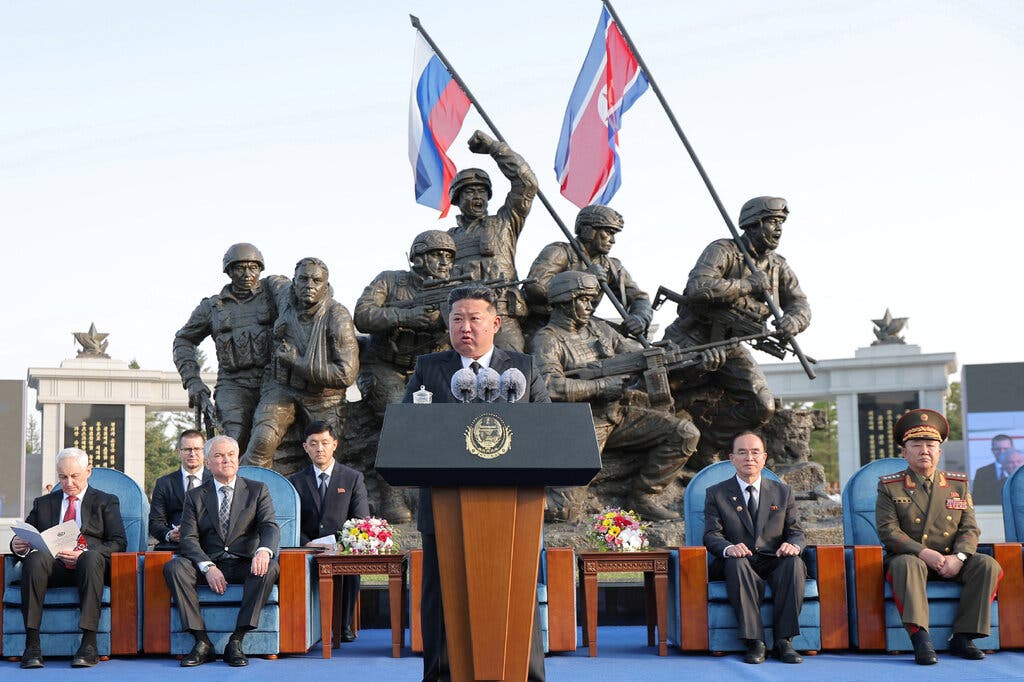
russia can't fill its own ranks—so asks north korea 30000 more soldiers new missile launchers ukraine says · post korean leader kim jong-un speaks opening memorial pyongyang russia's defense minister

Russia wants another 30,000 troops from North Korea and new ballistic-missile launchers as it prepares its options for the fall, Ukrainian President Volodymyr Zelenskyy said while discussing Ukrainian intelligence reports on Russia’s plans. The push lands as Russian casualties run ahead of new recruits, and as Kyiv sees preparations for a wider draft rather than any turn toward ending the war.

Moscow’s war economy is drawing on an increasingly scarce workforce: the army, defense production, emigration, and demographic decline have all reduced Russia’s available labor pool, while Russian personnel losses exceeded recruitment across the first half of 2026, according to the Ukrainian military.

More North Korean troops and ballistic-missile launchers

Russia wants another 30,000 troops from North Korea, and it has been readying Voronezh Oblast to receive them since June, Zelenskyy said in his evening address on 25 July. Pyongyang is also getting ready to transfer new launchers for ballistic missiles, he said. Militarnyi suggested that the launchers would probably come with ammunition. 

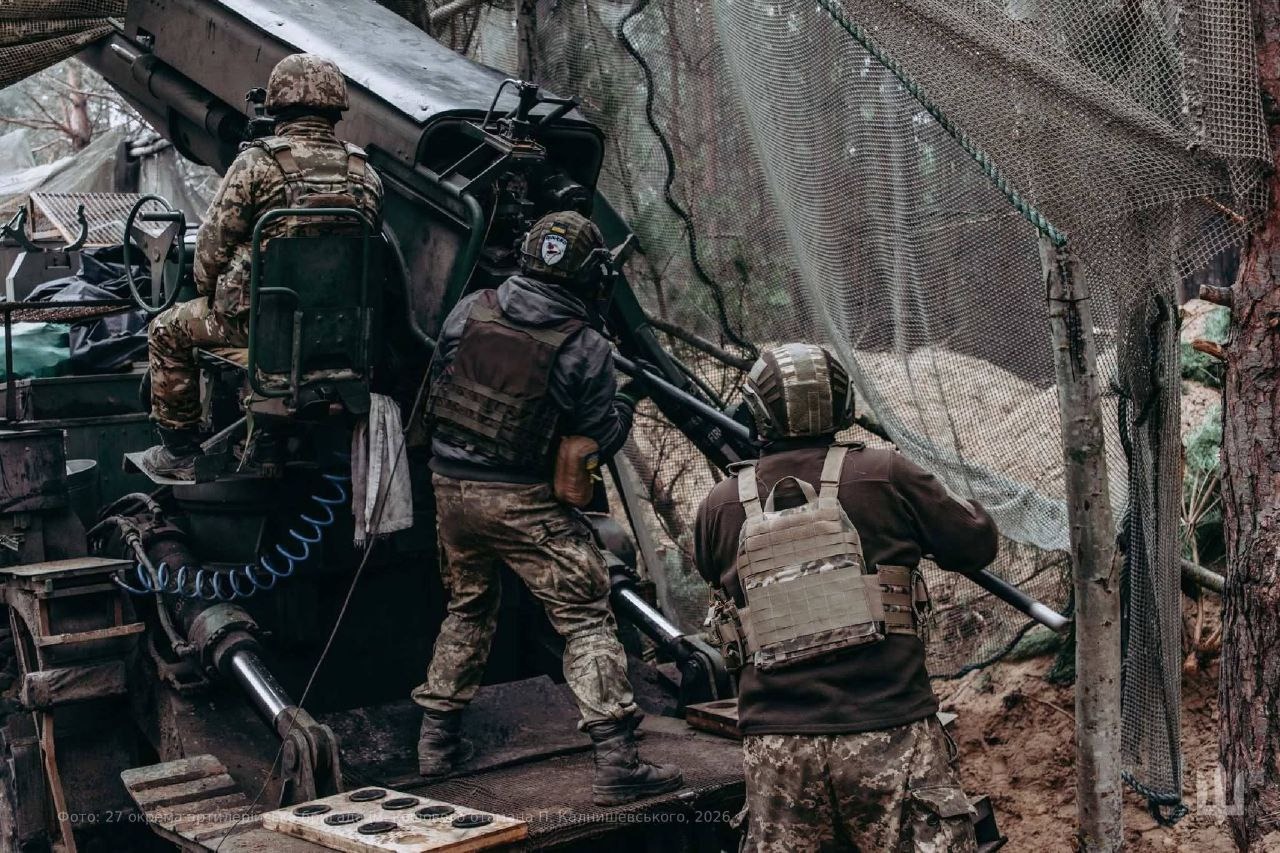
before russia's all-out war ukraine imported almost weapons four years later buys more than any country earth · post ukrainian gunners general staff armed forces artillerymen artillery gun howitzer shells
Explore further

300 defense factories, 500,000 workers: North Korea’s arms industry reaches records amid Russia’s demand for shells in war

Kyiv has watched Moscow work to enlarge the Korean force since at least July 2025, when Ukrainian intelligence projected another 25,000–30,000 troops. That was a planned deployment, not a confirmed transfer, andN orth Korea actually sent about 14,000 troops to Russia by January 2026, with more than 6,000 killed, wounded, or missing.

"This is a threat not only to Ukraine. Russia is helping North Korea learn to wage war, improving their weapons — giving them experience of real weapons use," Zelenskyy said. 

Those troops have been building that experience at the front for months. Anyone in Asia within reach of North Korean missiles faces this threat, he said, adding: "We will counter it."

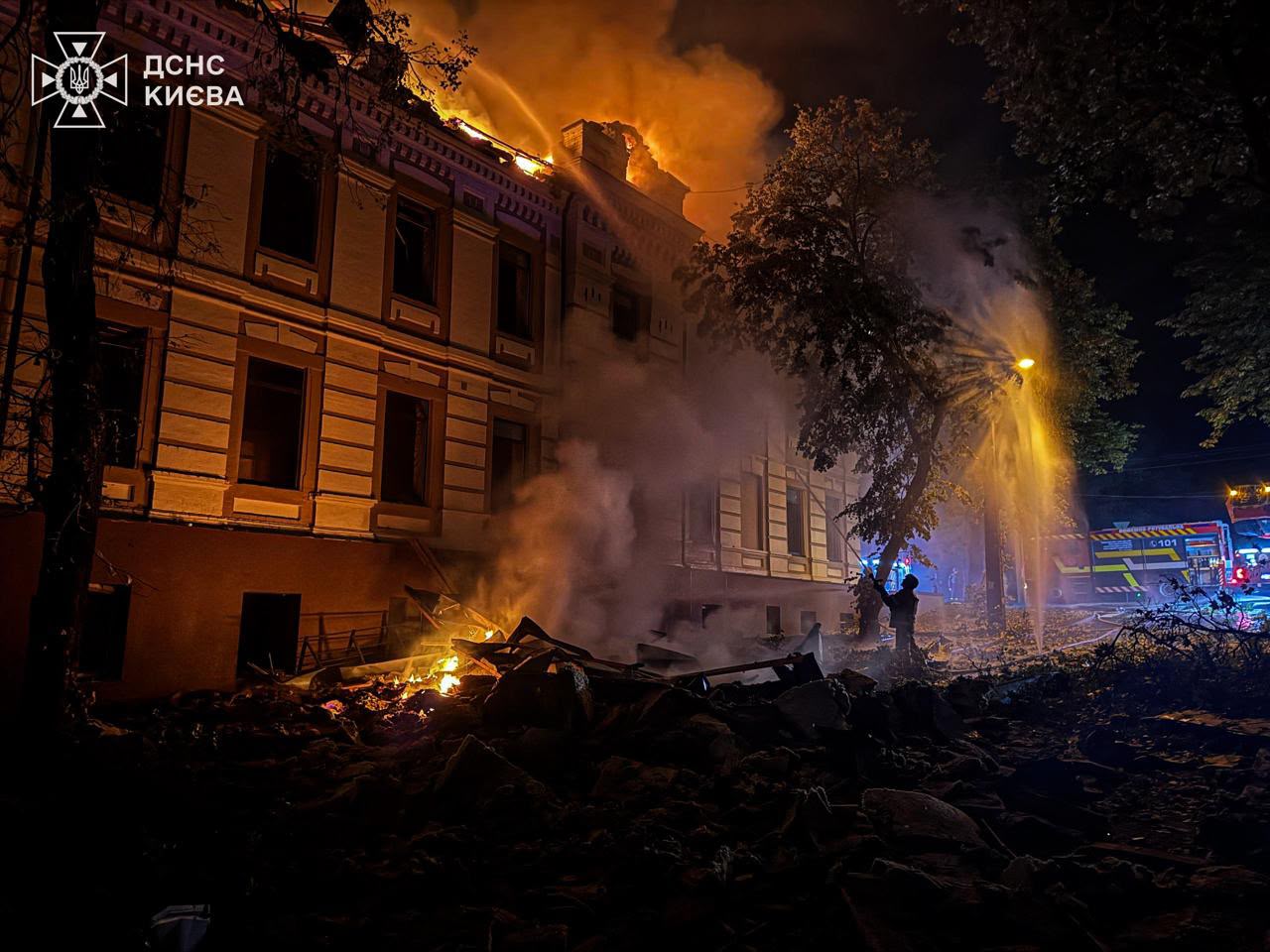
Aftermath of a massive Russian ballistic missile attack on Kyiv, 19 July 2026. Photo: Ukraine's State Emergency Service
Explore further

Russia launches record ballistic missile barrage on Kyiv, firing over 40 missiles in under an hour

Losses now outpace recruitment

Ukrainian intelligence has mapped out Russia's autumn plans, and peace is not in them, Zelenskyy said. Putin is laying the groundwork to widen mobilization, he said, citing the country's casualties. Over less than seven months this year, 221,000 people entered the Russian armed forces. Russian losses in that time came to nearly 225,500 — 131,000 killed and nearly 93,000 wounded, many of the wounds severe because Russian frontline medicine is extremely poor, he said.

Moscow's recruiting has fallen behind, and a broader call-up may arrive this autumn.

kim
Explore further

Kim Jong Un urges North Korean youth aged 14 to 30 to fight for Russia after losing 6,000 troops in Kursk

Russia's July missile use exceeds some monthly production estimates

In July 2026 it fired 107 ballistic missiles and 20 Zircon missiles by 19 July. Militarnyi compared the ballistic-missile count with estimated combined monthly output of roughly 100 9M723 and RM-48U missiles, although those categories are not fully identical.

Ukraine's Defense Ministry's military intelligence agency (HUR) estimate monthly output at about 60 9M723 missiles for the Iskander-M system and 40 RM-48U missiles fired from S-400 launchers, roughly 100 together. 

For all of 2026, though, Russia plans to produce only 30 Zircon missiles — and the 20 fired by 19 July equaled two-thirds of that planned annual output.

  •  
❌