The space industry treats the sky as a place to dump what it no longer wants. We must develop a new model of accountability
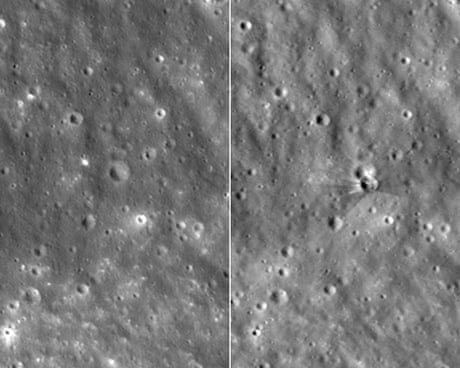
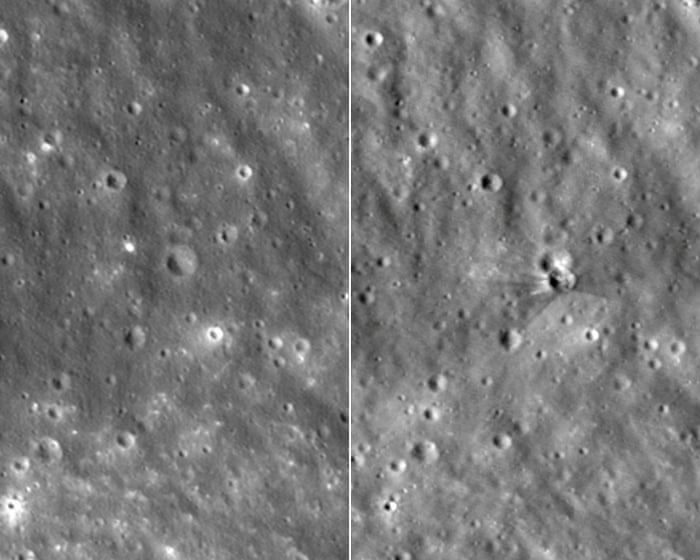
On 5 August, a piece of a derelict SpaceX rocket traveling at 5,400 miles an hour met with the moon and punched a fresh hole into it near Einstein Crater. Astronomers were thrilled. The European Southern Observatory caught sodium and lithium flaring in the debris plume and called it a bonus. The media called it a light show. Nobody was physically hurt, so nobody is responsible, and within a week the story was gone.
I have spent 20 years tracking the junk humanity leaves behind in space for a living, and I want to tell you plainly what that crater actually is: a receipt. It’s what you get when an entire industry treats the sky, and now the moon, as a place to dump what it no longer wants, and calls the dumping “normal operations” or “space exploration”.
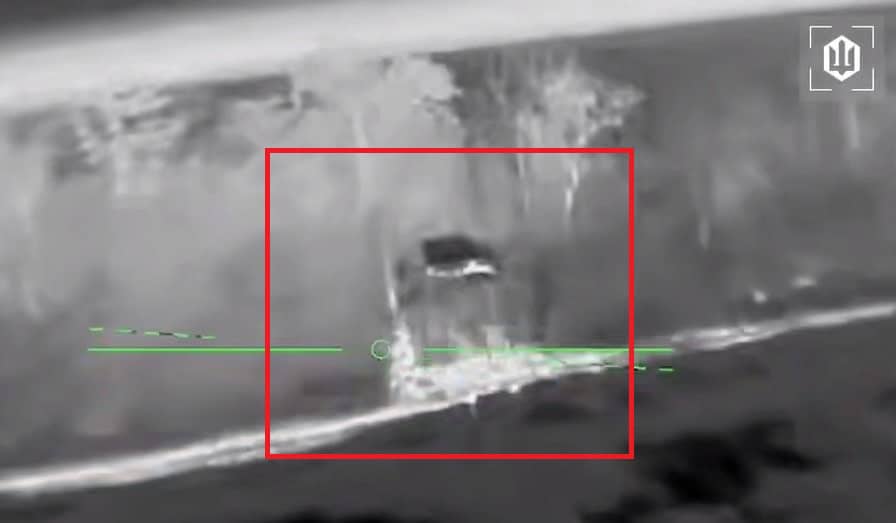
Ukraine has struck a Russian Iskander launcher near its border as part of a dedicated operation against nearby ballistic-missile launch positions, Ukrainian President Volodymyr Zelenskyy told journalists, according to Ukrinform.
Russia continues using ballistic missiles against Ukrainian cities while Ukraine has rationed Patriot interceptors and warned of acute shortages, pushing Kyiv to combine interception with strikes on the systems and positions used to launch those missiles.
President says Ukraine hit an Iskander launcher
President Zelenskyy described the strike as a success but said the sensitivity of the operation prevented him from providing many details.
“We struck an Iskander launcher near our borders,” he said. “I am grateful to our warriors who are carrying this out. This is our operation to hunt their systems positioned nearby.”
The president, however, didn't disclose where the launcher was located or what weapon Ukrainian forces used to hit it.
Zelenskyy said strikes on launchers are one way Ukraine is trying to counter Russian ballistic attacks when anti-ballistic interceptor stocks are limited.
“When our anti-ballistic missile stocks are at a minimum, there is another tactic. It is more difficult, and we developed it,” he said. “It is hunting their nearby positions from which ballistic missiles are launched.”
He described the effort as a separate program and operation. Euromaidan Press could not independently verify the reported strike.
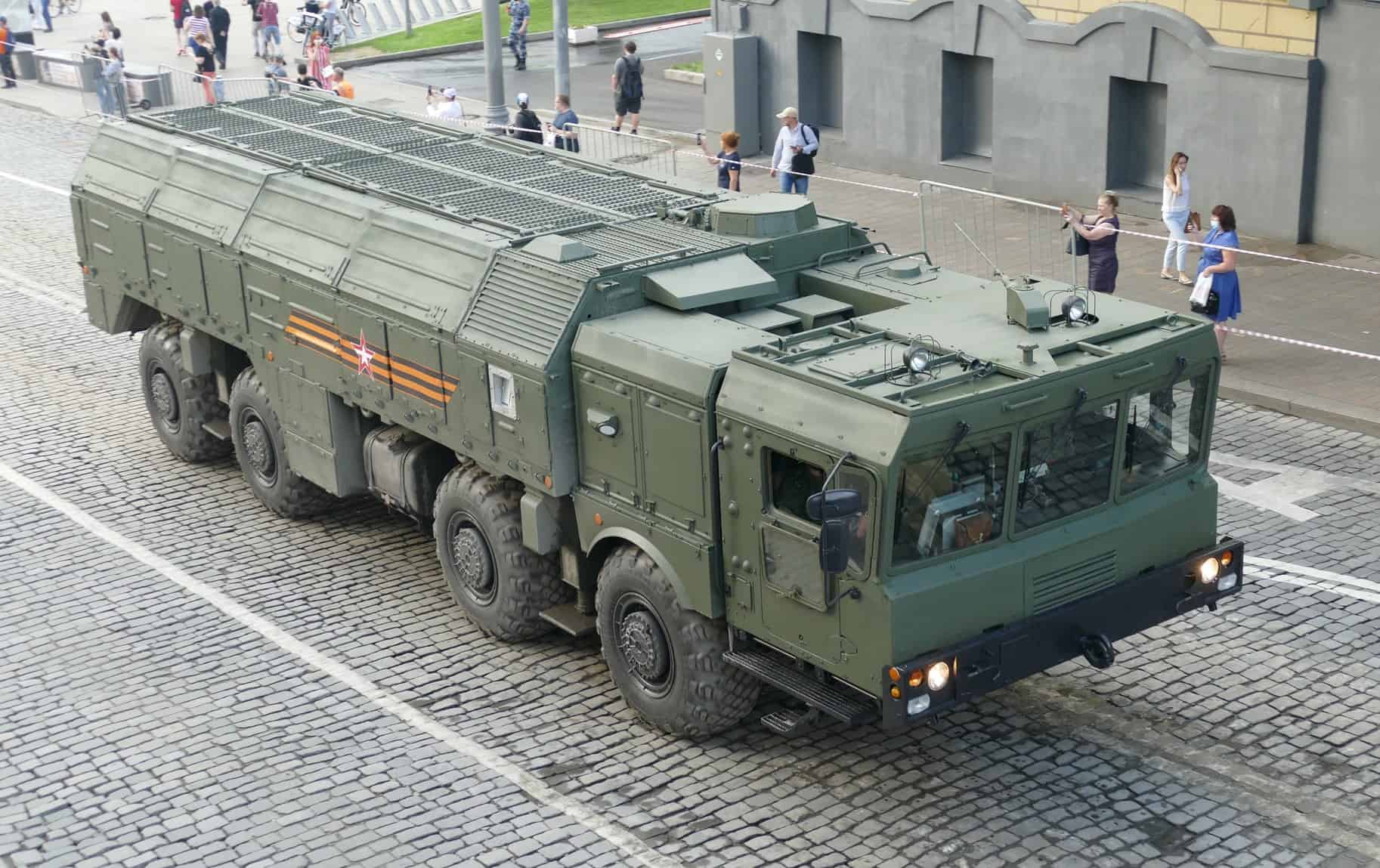
Russian Iskander-M missile system, 2020. Illustrative photo. Photo from Russian government sources via Militarnyi
Ukraine has already targeted Russian ballistic missile infrastructure in several operations this year. In April, Ukrainian drone forces reported strikes on two bases linked to Iskander systems in occupied Crimea.
On 30 May, Ukraine’s Unmanned Systems Forces said they destroyed an Iskander system at a launch position near Taganrog in Russia’s Rostov Oblast.
Explore further
5% of US Patriot stocks gets Ukraine through winter, 10% ends the ballistic threat — and Zelenskyy has just 1%, he tells CNN
SpaceX rejected Ukraine’s request to use Starlink inside Russia
The launcher strike comes as Ukraine is also looking for better ways to operate long-range drones against military targets in Russia. Zelenskyy said SpaceX ultimately refused to let Ukraine use Starlink inside Russia because of escalation concerns.
Kyiv had wanted Starlink to work over Russian territory for defense operations, including drone strikes on Russian ballistic-missile launchers near the border. The Defense Ministry asked him in the first half of 2026 to raise the issue with US President Donald Trump, Zelenskyy said. Zelenskyy said Trump relayed that decision to him at a later meeting. Ukraine continues discussing the issue with the US side.
Ukraine and European partners are separately developing the FREYJA anti-ballistic system, with Kyiv seeking a prototype capable of demonstrating practical results by mid-2027. The project is intended to combine Ukrainian missile technology with European radars, sensors, and command systems.
Ukraine is asking Elon Musk to let it arm deep-strike drones with his Starlink network and turn them on Russian ballistic-missile launchers far inside Russia, the Financial Times reported. The plan needs Musk's approval — and US President Donald Trump was cool to the idea when Ukrainian President Volodymyr Zelenskyy raised it at the White House on 28 July, with people present expecting Musk to refuse.
Kyiv is chasing the workaround because its air defenses are stretched: Russia keeps escalating its missile and drone strikes, and Ukraine is running low on the Patriot interceptors that are its only dependable answer to Russian ballistic missiles. As Russia builds more missiles and drones, Ukraine's interceptor needs run into the hundreds before the year is out.
At the meeting, FT reported, Zelenskyy pressed Trump to lobby Musk for permission to fly Starlink-linked drones across the Russian border. He capped the pitch at 200 km into Russia — far enough to reach launch sites, command posts, and other targets — on the calculation that a shallower limit might make Musk likelier to agree.
Starlink could extend Ukrainian drone strikes
Riding SpaceX's satellites, Starlink drones hold a steadier link to their pilots at long range than ordinary radio allows, and they shrug off the jamming that grounds other drones. The drones have already shown their worth in the fighting at home, and Vienna-based military analyst Franz-Stefan Gady said that across the border they "could be very useful in hunting" Russian launchers, FT wrote.
Kyiv's best channel to Musk has also just closed: Zelenskyy recently fired his defense minister, Mykhailo Fedorov, who had a direct line to the billionaire.
Mykhailo Fedorov during a June interview, a month before his dismissal, in which he described leaks and private-company influence inside the defense ministry. Photo: screenshot from PRESSING / Army-Media of Ukraine's Defense Forces
Speaking to a Ukrainian podcast on 6 August, Fedorov said that even with a channel to Musk still open after his firing, he had made no progress on cross-border Starlink use—"a difficult task right now."
Explore further
The Fedorov protesters lost. But they backed a man for what he built, not what he promised—and that may be new in Ukraine.
Musk’s Starlink decisions have affected both sides in the Russo-Ukrainian war
Musk has backed Ukraine's heavy dependence on Starlink for military command and comms. In 2022, Musk declined to extend Starlink coverage for Ukrainian troops mid-operation near occupied Crimea, citing his fear of triggering a nuclear escalation.
He has also acted against Moscow: in February, at Fedorov's direct request, Musk shut down the Starlink terminals that Russian forces had been operating illicitly against Ukraine.
Now, Musk answered Fedorov's Monday post with a line about "trying to do the right thing" and wanting peace — and said nothing about the Starlink ask.

 Connexion