❌

Vue lecture

Poland nears swap of MiG-29s its army can’t use for Ukrainian counter-drone know-how
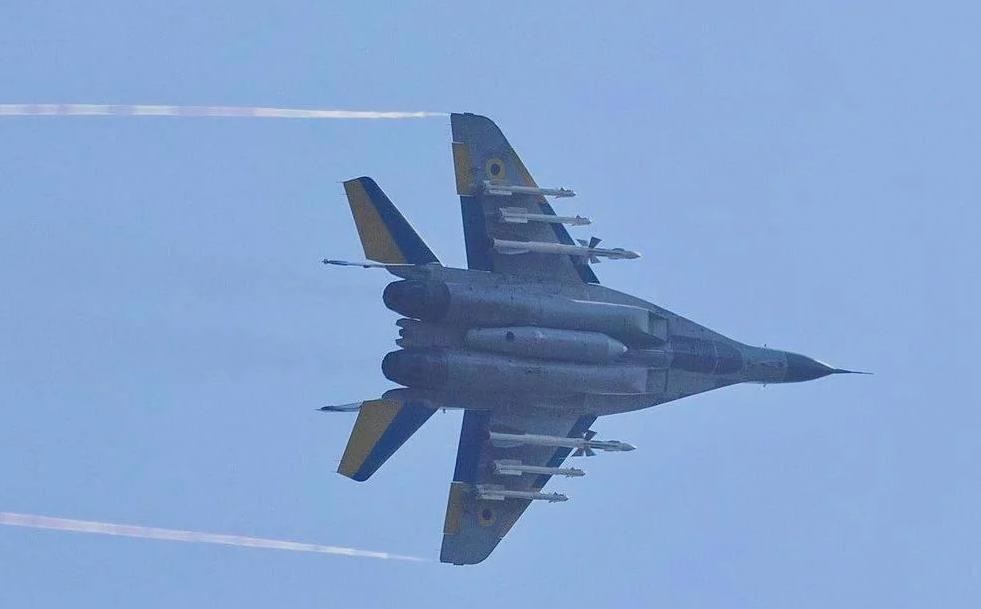
MiG-29 with R-27s and R-73s

Ukraine and Poland signed an agreement in Kyiv on 10 November to set up working groups on drone and counter-drone technologies, Polish Deputy Defense Minister Cezary Tomczyk announced on X after signing it with Ukraine’s Deputy Defense Minister Serhii Boiev. He added that Warsaw is finalizing the MiG-29 transfer in exchange for access to Ukrainian drone and counter-drone technologies.

It comes nearly a year into talks on the swap. On 29 October, Defense Ministry planning chief Gen. Dariusz Łukowski told Rzeczpospolita Poland had decided to hand over two MiG-29s. The next day, Defense Minister Władysław Kosiniak-Kamysz said the two jets would be of no use to the Polish army and that unmanned systems would come in return. For Ukraine, that means two jets instead of up to nine discussed in January.

What Poland gets

Tomczyk did not say which technologies Ukraine will share or when. Earlier that day, he wrote that Ukraine had agreed to provide the counter-drone technologies Poland needs. Ukraine’s Defense Ministry has not yet commented.

Ukrainian President Volodymyr Zelenskyy during a meeting of the Coalition of the Willing, which brought together representatives of 30 countries both online and in person, on 24 August 2026. Photo: Official Website of the President of Ukraine
Explore further

Europe’s future force for Ukraine from 11 countries will hold its first rehearsal in Poland—for a peace that doesn’t exist yet

In a 17 July opinion piece, Defence24’s Maksymilian Dura argued Polish drone solutions cost several times more than Ukrainian ones. He set one Sochaczew plant’s plan of up to several hundred Hornet drones a month against the several hundred long-range drones Ukraine sends over Russia daily. In Ukraine, he added, a design often lasts no more than a few weeks before front-line signals bring changes.

How the deal shrank

In December 2025, Tomczyk told RMF24 that six to eight MiG-29s could go to Ukraine for drone technology. In January, Deputy Defense Minister Paweł Zalewski said the number could reach nine.
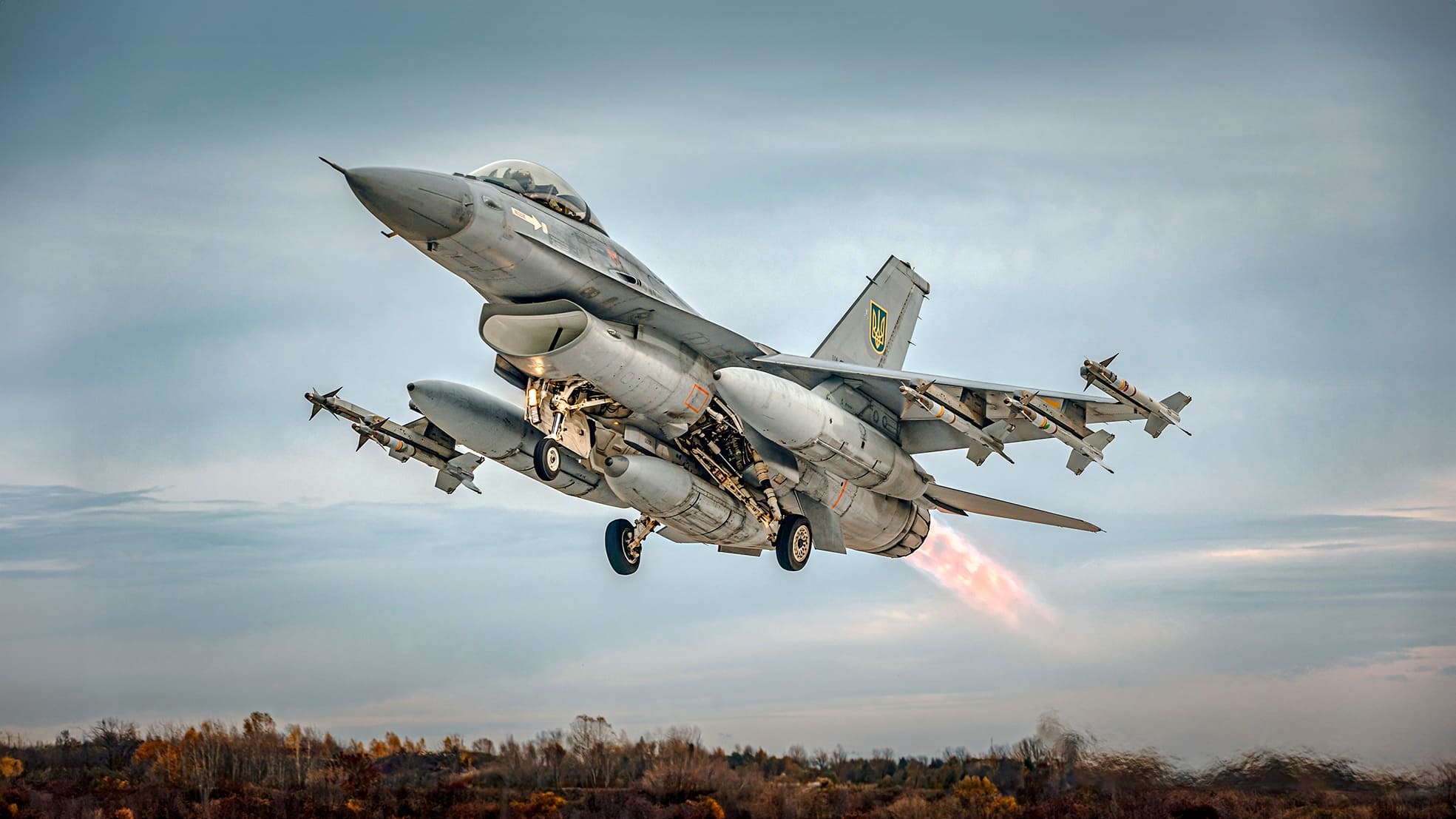
A Ukrainian Air Force F-16AM Fighting Falcon fighter jet takes off armed with AIM-9 Sidewinder air-to-air missiles. Photo: Ukrainian Air Force\X
Explore further

“What Ukraine needs right now”: Poland to provide Ukraine with scarce F-16 missiles to shoot down jet-powered drones

However, on 15 June, Tomczyk told Radio ZET the jets were on hold until the technology transfer was settled, TVN24 reported. On 29 June, Kosiniak-Kamysz said on Polsat News that Ukraine had agreed to the arrangement and later backed out. On 11 July, he said Ukraine had returned to talks.

At his 30 October briefing, Kosiniak-Kamysz also said Poland is weighing selling some remaining MiG-29s, above all to Bulgaria. The same day, Ukrainian Foreign Ministry spokesperson Heorhii Tykhyi confirmed Kyiv was working to obtain two MiG-29s, European Pravda reported.

  •  

A logistics general takes over Ukraine’s state arms group, and the company is counting on him to make it build more

Lieutenant General Ivan Havryliuk, the new director general of Ukroboronprom

Lieutenant General Ivan Havryliuk, a former head of the army’s logistics and an ex-first deputy defense minister, is the new head of Ukroboronprom, Ukraine’s state defense-industrial group, the company announced on 3 November. He won an open contest and takes over from a stand-in who had run the group since its previous chief left in July.

Russia keeps hitting Ukraine’s arms plants, and Ukraine’s arms industry keeps growing faster than the state can pay for it. Its capacity rose from about $1 billion a year at the start of the full-scale invasion to $35 billion, but domestic contracts covered only a third of that last year, leaving factories idling below capacity. Kyiv is betting on controlled exports of surplus weapons to fund production, and most new growth has moved to private firms. For the state’s own factories, the task is to produce more with too little money, under Russian fire.

Chosen in an open contest

The supervisory board picked Havryliuk after a competitive selection and final interviews with candidates, Ukroboronprom said. The Ukrainian office of the international recruiter Amrop Partnership searched for and assessed the candidates. The board announced the contest on 1 September.

ukroboronprom makes historic entry top 50 global defense firms kamyshin says credit gmk center
Explore further

Ukroboronprom makes historic entry into top 50 global defense firms, Kamyshin says

The company tied his appointment to three goals. His experience and “deep understanding of the needs of Ukraine’s Defense Forces” are “important preconditions” for developing the company, “building up the enterprises’ production capacity,” and strengthening Ukraine’s defense industry, it said. It called the move another step in turning Ukroboronprom into a modern, competitive defense company.

From the army’s rear to the Defense Ministry

Havryliuk, 55, studied at the Sumy Higher Artillery Command School and the National Defense Academy of Ukraine. He headed the Armed Forces’ rear services, the army’s logistics branch, from 2014 to 2018. He then became deputy chief of the General Staff.

Ukroboronprom’s stand at the MSPO defense industry exhibition in Kielce, Poland, September 2026
Ukroboronprom’s stand at the MSPO defense industry exhibition in Kielce, Poland, September 2026. Photo: Ukroboronprom

In October 2023, the government made him deputy defense minister, and in May 2024, first deputy. He resigned in April 2025. He later told a parliamentary investigative commission he did so after then-Defense Minister Rustem Umierov said at a meeting there were rumors he was stealing money on arms purchases. At the time, Umierov said Havryliuk would stay on the ministry’s team. Havryliuk returned as first deputy in July 2025.

In February 2026, he became a deputy minister under Defense Minister Mykhailo Fedorov, and the government dismissed him in May. As first deputy minister, he said in February 2025 that Russia had recruited 427,000 soldiers in 2024.

His predecessor left after Vyshneve

Herman Smetanin led the group of roughly 100 enterprises, which make missiles, drones, armored vehicles, and ammunition, from June 2023, with a break as Minister for Strategic Industries. During that break, the board appointed retired General Oleh Huliak, another former head of the army’s logistics, in October 2024. Smetanin announced his departure on 14 July.

Explore further

Ukraine’s not just fighting with NATO weapons—it’s building them now

Days earlier, a Russian strike set off an ammunition depot of one of the group’s enterprises in Vyshneve, near Kyiv. The depot stood next to homes in breach of the law. The blast damaged 13 hectares of residential buildings and killed eight residents, the town council later told the Kyiv Independent. ZN.ua put the toll at nine.

An armored vehicle and ground drones on display at Ukroboronprom’s stand at MSPO in Kielce, Poland, September 2026
An armored vehicle and ground drones on display at Ukroboronprom’s stand at MSPO in Kielce, Poland, September 2026. Photo: Ukroboronprom

The board then put Serhii Boiev, a former deputy minister for strategic industries and deputy defense minister, in charge until the contest picked a new head.

New missiles for Ukraine’s air defense

The group has been showing new weapons abroad. At Poland’s MSPO arms fair in September, its Luch Design Bureau presented the RK-19, a new missile for Soviet-era Osa air defense systems. A Ukroboronprom image at the same fair showed the Koral, a home-built missile designed to hit ballistic targets.

  •  
❌