
 Connexion

Kill the archer, not the arrows: Ukraine asked Trump again and again to free Starshield against Russia’s ballistic launchers

Ukrainian President Volodymyr Zelenskyy has asked US President Donald Trump again and again to lift limits on Starshield, SpaceX's military satellite network, he told PBS NewsHour in an interview published on 2 November. Kyiv wants to use the network over Russia to find and hit ballistic missile launchers before they fire, rather than rely only on scarce interceptors. Trump told him the decision rests mostly with SpaceX, Zelenskyy said, and the restrictions remain.
Russia keeps attacking along the front line while striking Ukrainian cities and power plants behind it with drones, cruise missiles, and ballistic missiles. Ballistic missiles are the hardest to stop, and Ukraine depends on US-made Patriots to shoot them down. In the two weeks after 14 October, Russia fired more than 100 of them at Kyiv and Kyiv Oblast alone, Zelenskyy said. He called the US approval of 500 Patriot interceptors a strong decision, but deliveries may start only in years. In the meantime, the US is delaying the newest anti-ballistic PAC-3s while older PAC-2s keep arriving. Every launcher destroyed on the ground means fewer missiles Ukraine has to catch in the air.
Three or four meetings about one request
Zelenskyy spoke to PBS anchor Amna Nawaz from Kyiv in an interview that aired on 2 November. He said he had raised the Starshield restrictions with Trump about four times, in three or four meetings devoted to the issue.
His argument rested on the Patriot shortage. He said he told Trump: “Look, you will never have enough Patriot missiles to give Middle East and us.” Kyiv knew Trump would send more of them to the Middle East, and he is doing so, Zelenskyy added.
So he put forward a different fix. “Only one thing, open for Starshield, and we will block their ballistic launchers,” Zelenskyy said he told Trump. “It will be very helpful for civilians to save lives.”
Launchers only, not energy sites
Ukraine would use Starshield in Russia only to find where the ballistic launchers stand, Zelenskyy said. If that happened, Russia would lose the chance to fire ballistic missiles at Ukraine every day, he argued.
Asked whether Kyiv would target only launch sites and not energy facilities, he answered “Absolutely.” He agreed these were defensive actions. Without Starshield, he said, Ukraine can't risk massive attacks, because many civilians could die. “We don't work like Russians,” he said.
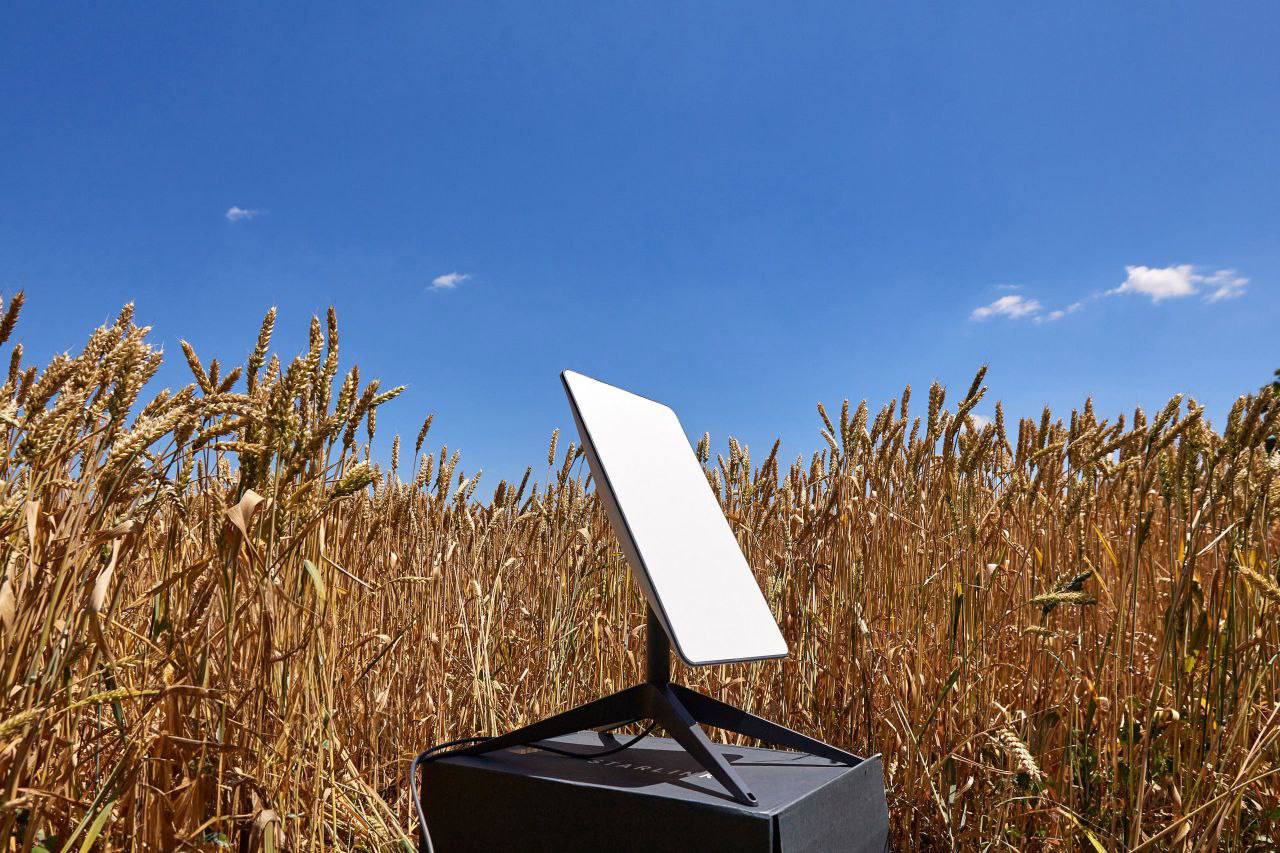
Ukraine wants to aim Starlink at Russian targets—and build a version Elon Musk can’t switch off
The idea isn't new. In July, Zelenskyy asked Trump to secure Elon Musk's permission to use Starlink against launchers in Russia. Denys Shtilerman, co-founder of Ukrainian defense company Fire Point, summed up the logic to The Atlantic then: “Instead of shooting down the arrows, we would strike the archers.”
Ukraine already goes after launchers by other means. Its forces hit eight launchers used for ballistic strikes in September and early October, destroying three, Defense Minister Yevhenii Khmara said. He added that supplies of anti-ballistic interceptors still fall short of the threat.
Trump points to SpaceX
Trump said he would try, according to Zelenskyy. “It doesn't depend on him. He said that it depends mostly on SpaceX,” Zelenskyy said. Trump also told him he was supportive, Zelenskyy added, and he was very thankful.
The restrictions have not moved. “When we speak about Starshield, they don't want to lift restrictions,” Zelenskyy said. In October, he said Kyiv had asked both SpaceX and Trump to open the network over Russia.

Who throttled Starshield in October
The talks sit on top of a separate dispute. From 14 October, a speed cap on Starshield cut Ukrainian drone links above 161 km/h, until full speed returned on 24 October. Musk then said SpaceX had simply enforced its own terms.
Earlier, Musk had said such limits were decided by the US military and “ultimately” the US President, while Defense Secretary Pete Hegseth denied any US directive. Zelenskyy doubts Musk acted alone, because Starshield is a government version of the network. “I'm not sure that he could do it personally alone, without any representatives from American government,” he said.

He said he does not know who in Washington allowed it. “I think it was a dialogue between some people,” Zelenskyy said, adding that the decision was negative for Ukraine.
Zelenskyy said he wanted to talk to Musk after the slowdown, but SpaceX did not respond to Kyiv. He said he remains thankful for Starlink, but Musk's signals about Ukraine are not pro-Ukrainian.
Kyiv is also looking at options it would control itself. Days after the slowdown, Zelenskyy said Ukraine and Türkiye are weighing joint work on satellite technology.
Read also
-
The Starlink hot potato: Musk points to Trump, Trump points to nobody, then credits Musk with the fix. The speed limit stays
-
Ukraine wants partners’ Patriot interceptors now. Europe can hand them over only with US approval, Ukraine’s president says
-
After Trump, Musk tells Ukraine’s president to go. Zelenskyy says he won’t resign and will never accept Ukrainian land as Russian
