
 Connexion
Foot soldiers get a long spear: Ukrainian assault units strike deep behind Russian lines
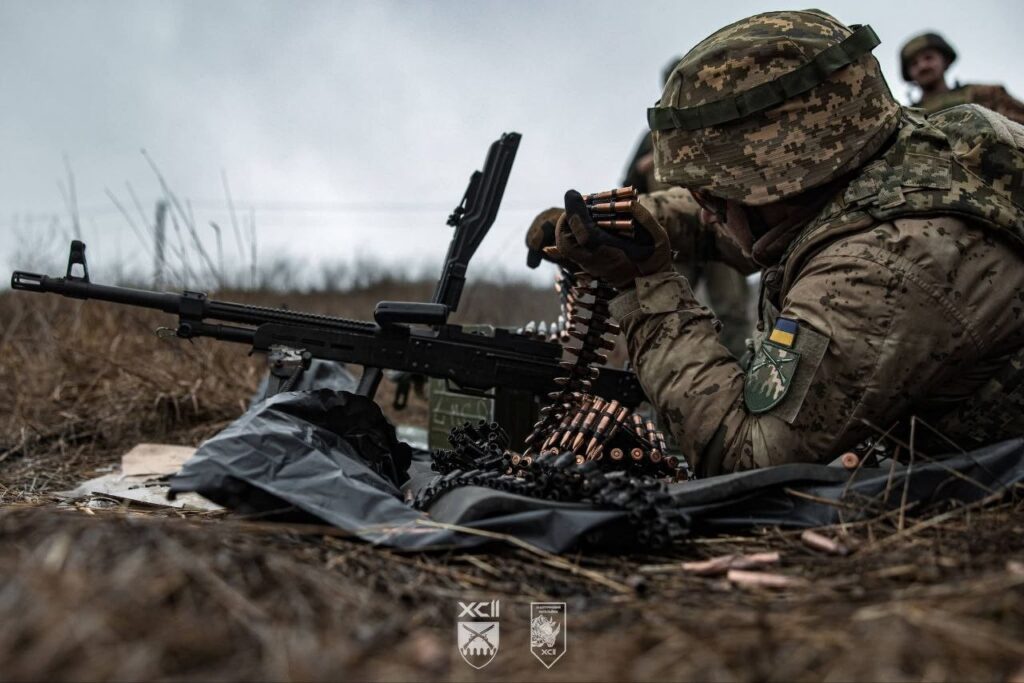
Ukraine's assault regiments, the troops built to storm trenches, have taken on a new role in 2026, reaching far into the Russian rear with their own strike drones, according to a feature by Ukrainska Pravda. Two of them merged their drone teams into a single experimental command and now plan deep strikes and ground assaults together, hitting the roads that feed Russian forces before the infantry moves.
Through 2026, Ukraine has turned drones into a way to choke the logistics that keep the invasion moving, backed by dedicated funding aimed squarely at the enemy's rear. The shift now under way puts that reach in the hands of the units doing the ground fighting, so the same troops who storm a position can first starve it from dozens of kilometers away.
Assault troops with a long reach
For most of the war, deep strikes behind the front belonged to specialized drone units. That is changing. The 475th Separate Assault Regiment, known as CODE 9.2, was possibly one of the first non-specialist units to run mid-strikes, flights by medium-range attack drones that hit targets 50 to 150 kilometers past the front.
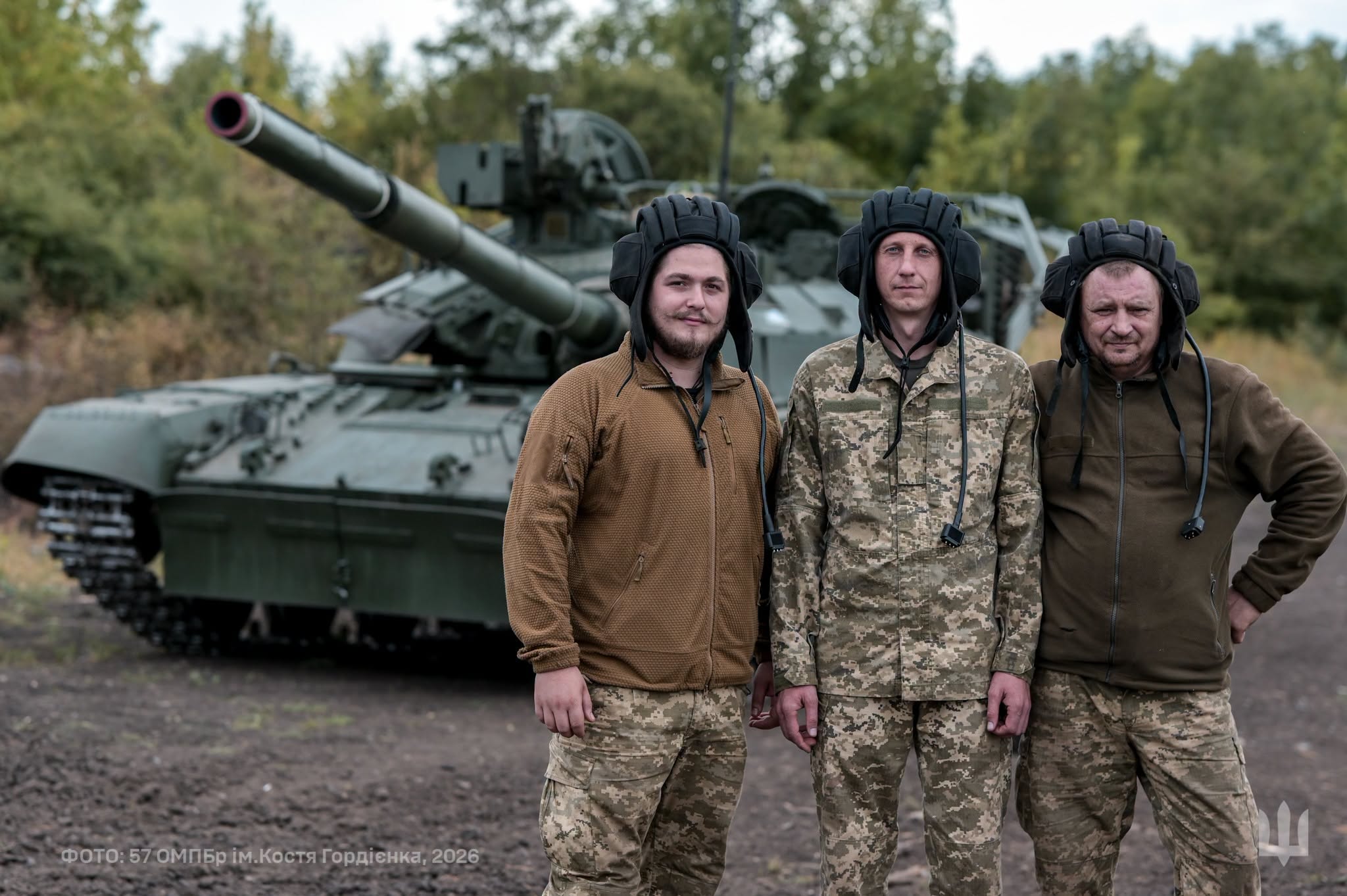
Then CODE 9.2 and the 1st Separate Assault Regiment named after Dmytro Kotsiubailo built a joint command for multidomain operations, code-named Phalanx (Falanha), so they could plan and strike as one. Before that center existed, each unit fought its own stretch of front at its own pace. In plain terms, ground units now own part of the fight far beyond their own trenches.
Drones go in before the infantry
Reporters watched a soldier follow a live feed from a mid-strike drone called Darts as it flew over occupied Zaporizhzhia Oblast toward the Tokmak–Melitopol road, one of three the report calls key for Russian forces on that stretch. Crews log every flight in Ukraine's Delta battlefield system. When several drones go down in one area, an analyst reroutes the next ones around Russian air defenses. The goal is to wear down the enemy's supply before the infantry ever advances.
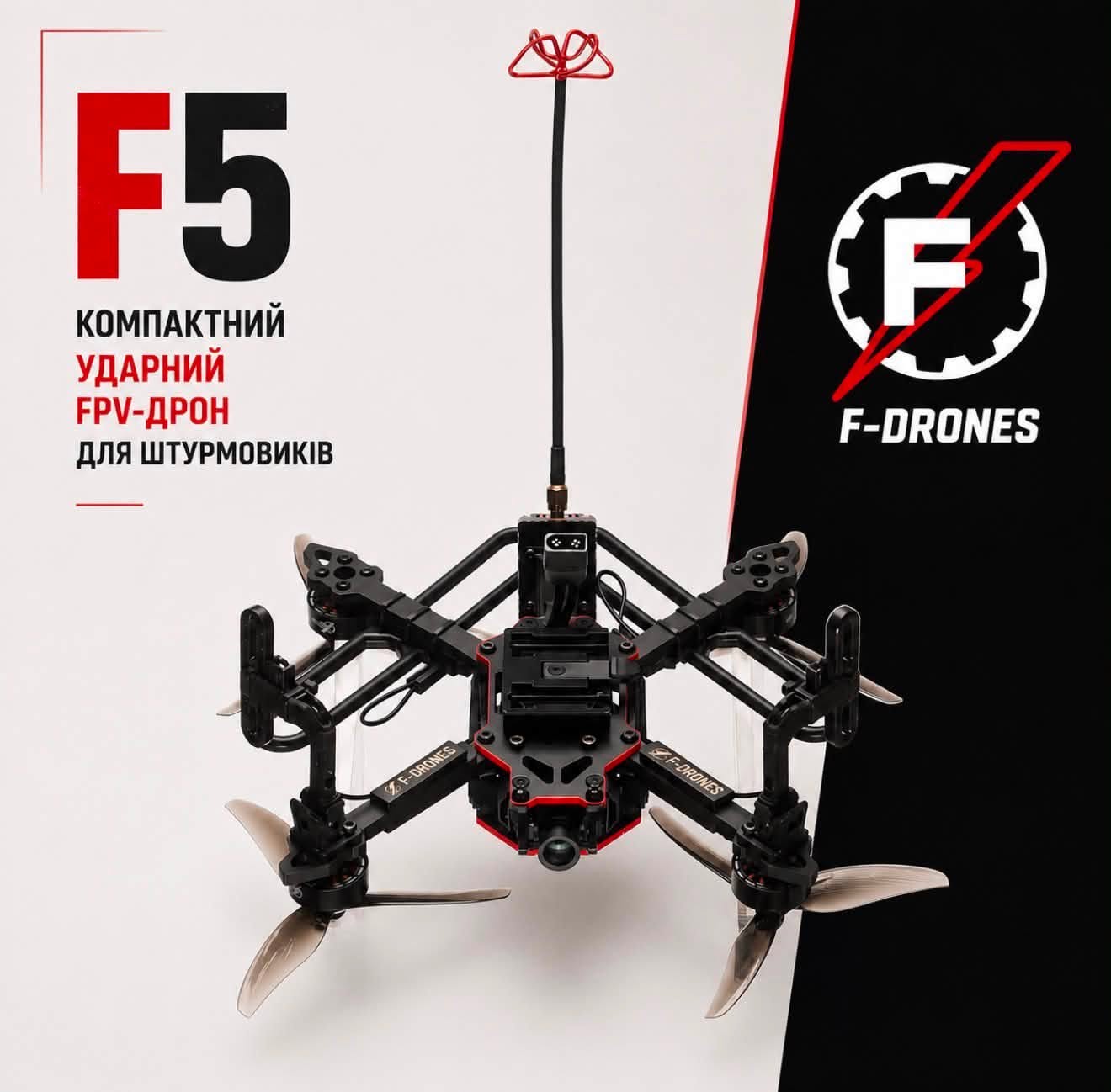
Ukrainian drone maker is pitching its new five-inch strike FPV as assault squad’s mortar
Where the shift began
CODE 9.2 launched its first mid-strikes at the end of 2025, during the Kupiansk operation, its commander Oleksandr Nastenko, call sign Flint, recalled. In the interview, the two commanders trace the center back to a build-up of heavy bomber drones, then a plan to isolate the enemy's transport and supply. For assault units, that kind of reach is recent. The regiments had already worked together earlier in 2026 to strike Russian routes into occupied Crimea, hitting bridges and trucks that keep the peninsula fed.
Read also
-
EU foreign ministers want Russia’s ex-fighters out. Nobody has written down what counts as proof
-
Ukraine’s Khartiia soldiers clear 4 km² near Kupiansk, while Russia pushes for main rail hub (VIDEO)
-
Russian Black Sea attacks, low Danube waters push EU to seek alternative routes for Ukrainian grain exports
