❌

Vue normale

Built by Ukraine’s ex-defense minister and unit that wrecked $12 billion of Russian gear, new interceptor downs two jet drones over Kyiv
12 octobre 2026 à 12:30

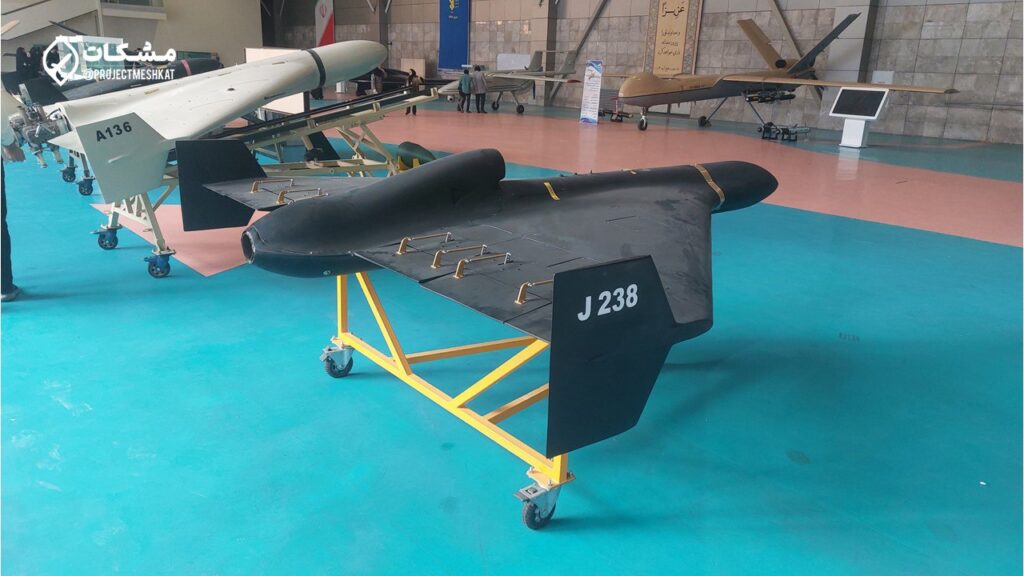
Jet powered Shahed-136 kamikaze drone Credit: Open sources

A month from idea to first kill. A new interceptor drone built by former Defense Minister Mykhailo Fedorov's team with Pavlo Yelizarov, the commander of Lasar's Group unit, soldiers, and engineers, has shot down two Russian jet-powered Geran-5 drones heading for Kyiv, Fedorov says, just one month after development began.

Russia's jet-powered Gerans fly far faster than the propeller Shaheds that Ukraine learned to shoot down, and they remain the hardest targets for its air defenses, which catch only about 55 percent of them. The new drone is fast enough to catch a jet drone before it reaches a city, Fedorov noted, adding that the two Geran-5 kills are the first confirmed for the interceptor.

Crews from Lasar's Group in Ukraine's National Guard ran the combat trials and downed the two drones within days. Fedorov announced the drone on 12 October, Yelizarov's birthday.

A former minister and a legendary commander behind the kill

Yelizarov joined Ukraine's Defense Forces in 2022 and, in January 2026, became deputy commander of the Air Force, responsible for small-scale air defense and systems for intercepting Russian drones, Forbes Ukraine reports. He founded Lasar's Group, which destroyed $12 billion worth of Russian equipment.

Fedorov, who ran the Digital Transformation and Defense ministries before moving to the private sector, says the interceptor is one of several projects his team continues to develop in Ukraine, combining engineering, military experience, and resources.

The next goal: a drone that hunts Shaheds on its own

The drone is not finished evolving. Testing continues as the team refines the technology and raises production, Fedorov said, with the next step a fully autonomous version that can detect and intercept Russian drones without an operator.

The developers also plan to scale the interceptor's use to protect more Ukrainian cities, he added. The push fits a wider drive: Ukraine aims to build up to 400 interceptors a month to chase the faster Gerans.

Short on interceptors, Ukraine goes after the launchers: eight Russian ballistic systems hit, three destroyed since September, a minister says

12 octobre 2026 à 04:35

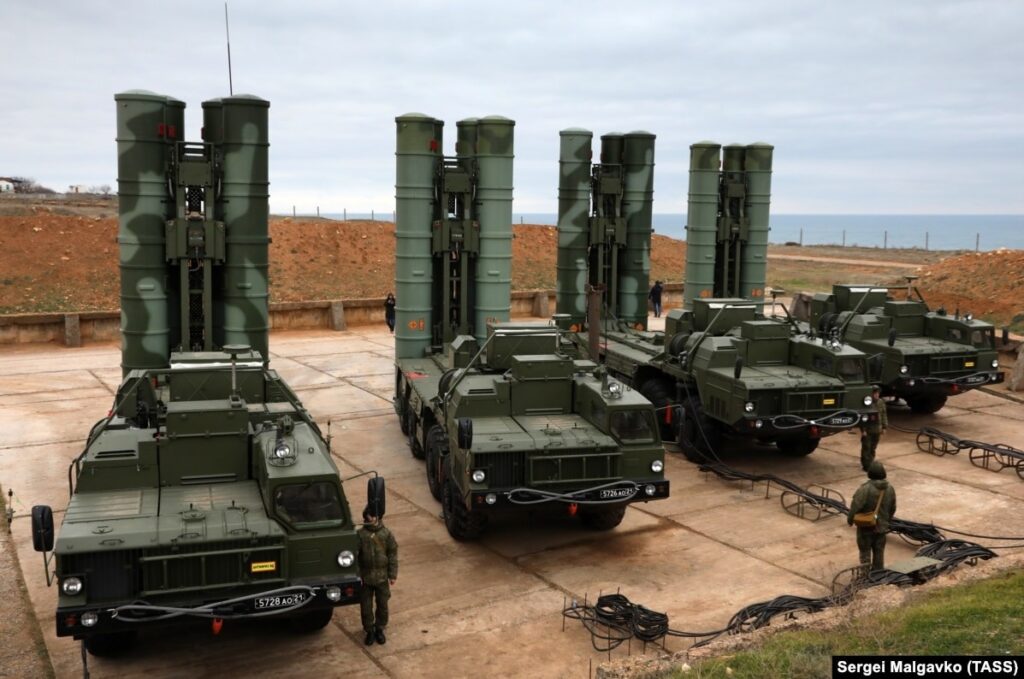
russia's arctic bases sit near-naked air defenses vanish guard moscow refineries burning inland · post s-400 defense missile launcher vehicles 2018 file sergei malgavko/tass rferl ukraine news ukrainian reports

Ukraine has been striking the launchers Russia uses to fire ballistic missiles at its cities, Ukrainian Defense Minister Yevhenii Khmara told journalists. He said the strikes have already disrupted some Russian attack plans, but supplies of anti-ballistic interceptors still fall short of the threat.

Russia strikes Ukraine’s cities and power grid with drones and missiles every day as it prepares to leave civilians without power and heat this winter. Ballistic missiles are the part of that barrage Ukraine still struggles to stop, so every launcher put out of action before it fires means fewer missiles to intercept.

Iskander and S-400 launchers hit since September

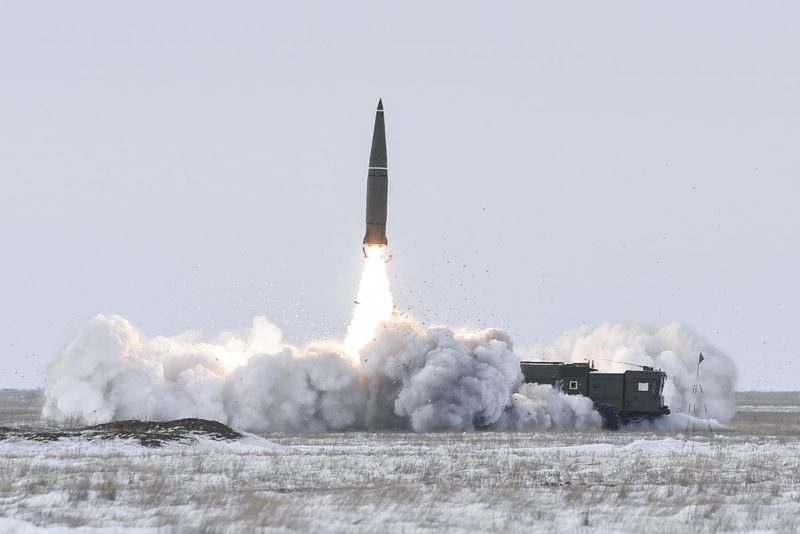
Ukrainian forces hit eight launchers used for ballistic strikes on Ukraine in September and early October, destroying three and damaging five, Khmara said. They belonged to Russia’s Iskander tactical missile systems and S-400 air defense systems, he added. Such strikes have already forced Russia to cancel or change planned ballistic attacks, the minister said.

The S-400 was designed to shoot down aircraft and missiles, but Russia also uses it to fire ballistic missiles at Ukrainian cities, including Kyiv. In mid-September, Ukraine reported hitting two S-400 launchers near Vygonichi in Russia’s Bryansk Oblast. Russia had used the same systems against Kyiv the night before.

russian ballistic missile launch
Explore further

Can’t intercept the missiles? Hit the factories—Ukraine’s other way to stop Russia’s ballistic missiles

On 23 August, Ukrainian President Volodymyr Zelenskyy said Ukrainian forces had hit an Iskander launcher near the border. He described it as part of a separate operation to hunt nearby launch positions and linked the tactic to low stocks of anti-ballistic missiles.

Strikes on launchers while interceptors stay scarce

Khmara called the launcher strikes Ukraine’s asymmetric response to a ballistic threat that remains critical.

“Existing and potential supplies of missiles for anti-ballistic defense are not enough to fully cover this threat,” he said.

Instead of waiting for large long-term contracts, the Defense Ministry is looking for missiles in partners’ available stocks to speed up transfers, Khmara added. “We need dozens and hundreds of missiles, not one-off deliveries,” he stressed.

Meanwhile, Russia significantly cut its 2026 state orders for Kinzhal air-launched ballistic missiles, Ukraine’s military intelligence said on 12 October. It redirected the production capacity, components, and raw materials to Iskander-M ballistic missiles, the agency added.

Russia’s missile and drone attacks continue

Overnight on 12 October, Russia attacked Ukraine with a Kh-59 guided missile and 121 attack drones, 76 of them jet-powered, Ukraine’s Air Force reported. Air defenses downed or suppressed 89 drones, but strikes hit 15 locations, and the attack was still going on in the morning.

An Iskander test launch in 2018
Explore further

Russia’s new ballistic missile could reach western Ukraine—and it may be tested there within months

In the week to 11 October, Russia hit Ukraine’s power generation and transmission facilities more than 200 times and its gas and oil sites 17 times, Zelenskyy said. Russian attacks that week killed more than 150 people and injured more than 700, he added.

Jet-powered drones are still the main problem for Ukraine’s air defense. It stops more than 90% of slower propeller-driven Shaheds, compared with about 55% for the jet ones.

Ballistic missiles have struck Kyiv repeatedly this autumn. On 24 September, Russian ballistic and hypersonic missiles damaged a maternity hospital in the capital. On 7 October, a Russian missile barrage killed 22 people in Pryluky, Chernihiv Oblast.

❌