
 Connexion
EU imports record 12.18 million tons of Russian Arctic LNG in nine months, 9.5% more than year earlier — research group
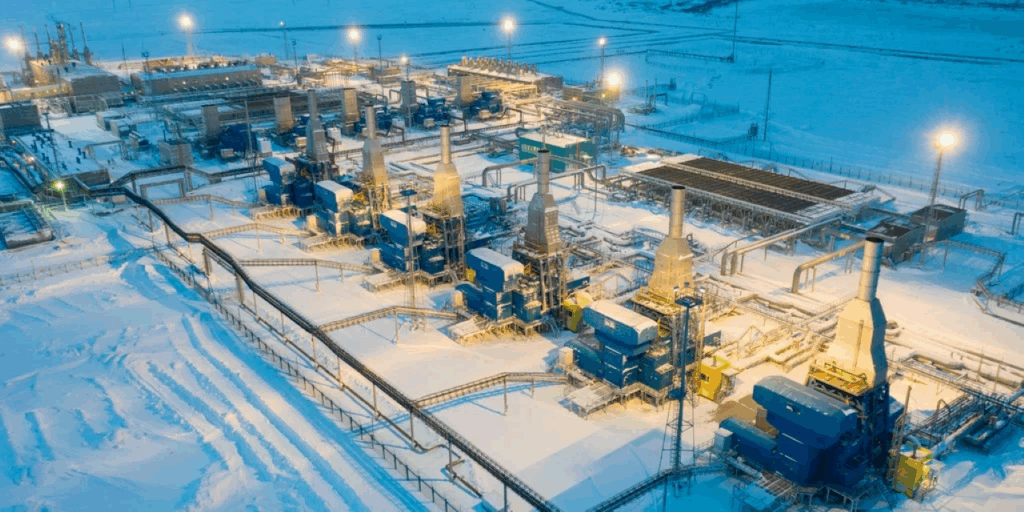
Europe keeps buying record amounts of Russian gas even as it plans to punish its war machine against Ukraine. The EU ports took in a record 12.18 million tons of Russian liquefied natural gas from January to September, 9.5% more than in the same period of 2025, according to a study by the German group Urgewald based on Kpler tracking data.
Europe spent about 7.88 billion euros on that Russian gas in nine months, revenue that helps fund a war Russia wages with daily missile and drone strikes on Ukrainian cities. The flow continues even as the EU prepares its largest-ever package of sanctions against Russia’s military industry.
The gas comes from Russia’s Yamal project, which sent 167 cargoes to EU ports over the nine months, roughly one every 1.6 days. Europe took 85% of the project’s recorded deliveries by volume, remaining by far its biggest market, Urgewald reports.
Europe’s share grew even as Yamal’s worldwide deliveries fell 1.3%, so the EU absorbed a larger slice of Russia’s Arctic output. In September alone, EU ports received 792,440 tons worth an estimated 818 million euros, nearly three-quarters of it going to France.
Washington could pull the plug by 18 October
The imports run up against a looming US decision. The Trump administration has until 18 October to complete its first review under the Lindsey Graham sanctions act, signed into law on 18 September, which allows Washington to sanction this gas trade at any time, the group notes.
However, after the US allowed Russian diesel to enter the US and global market, the decision will likely remain stalled.
Originally, the law covered Yamal’s leadership, foreign vessels that knowingly carried Russian LNG, and foreign ports that serviced US-sanctioned ships. Yamal depends on specialized Arc7 ice-class tankers and on nearby European ports where they can unload and quickly return, so closing that route would make the Arctic trade far harder to sustain.
Europe’s own ban is still months away
The EU’s measures so far have barely dented the trade. A ban on short-term LNG contracts took effect in April and has had no visible effect, while the full import ban under long-term contracts only starts on 1 January 2027, Urgewald says.
Every month of largely uninterrupted trade means more revenue for Russia while Ukraine suffers daily attacks, sanction campaigner Sebastian Rötters says. The next EU package should close the remaining loopholes, above all those keeping the Arc7 tanker fleet running.
Read also
-
Russia is building satellite network that could put all of Europe in reach, defense executive warns
-
Bipartisan US senators say Trump’s Russian diesel deal conflicts with 2022 ban, as he presses Kyiv to spare Russian refineries
-
For years, Hungary tied Ukraine’s whole EU course to ethnic Hungarians’ language rights. Kyiv has now passed the schooling law meant to lift the block

