❌

Vue normale

Ukraine destroys record 76 Russian air-defense systems this month, losses analyst says Russia “will never be able to restore”

26 septembre 2026 à 12:21

Russian Buk-M1 air defense system as seen by Ukrainian drone before strike. Screenshot from video: Robert "Magyar" Brovdi on Telegram

Ukraine has destroyed a record 76 Russian air-defense systems this month, and September is not over. The tally beats a record that had stood since July 2023 and reflects a systematic Ukrainian campaign to hunt down Russia's air defenses, opening the skies over occupied territory and inside Russia, the analyst Oleksandr Kovalenko said on Telegram.

Ukraine is methodically peeling apart Russia's layered air defense, and September has been its worst month yet: 76 systems destroyed, past the 73 lost in July 2023, by Kovalenko's count, with days still to go.

It is part of a campaign in which Ukrainian drones and special forces have hunted Russian radars and missile launchers across occupied territory and Crimea, and each one destroyed opens a corridor for the next strike.

The record falls with days to spare

Kovalenko credited Ukraine's Defense Forces' sustained hunt for Russian anti-air, which he said pays off twice: it clears the defenses that would otherwise stop Ukraine's strikes, making later attacks on occupied territory and on Russia itself more effective.

Each kill opens a corridor

Ukrainian drone and special-operations units have picked off Pantsir, Tor, Buk, and pieces of S-300 and S-400 systems across occupied territory and Crimea, sometimes several in a single night throughout 2026.

As Russia pulls its scarce long-range systems back to guard Moscow, fewer are left to cover occupied Ukraine, widening the openings for the next wave of Ukrainian strikes.

Russia cannot replace the losses

Over the full-scale war, Kovalenko said, Russia has lost more than 1,673 air-defense systems of every kind, from radars to surface-to-air missiles and self-propelled anti-aircraft guns.

That, he argued, is a level Moscow can no longer make good with a defense industry already stretched thin by the war.

"Such a quantity of equipment Russia will never be able to restore and compensate," he thinks.

He added that this means it would no longer be able to return to the pre-war level of closing the sky, neither technically nor technologically."

Combat shows speed alone can’t catch Russia’s jet-powered drones, despite eight Ukrainian makers’ assurances. So why can’t they stop them?

26 septembre 2026 à 11:48

money engineering what stands between ukraine russia's fastest drones zelenskyy says · post russia’s new “geran-4 seeker” shahed variant geran-4 news ukrainian reports

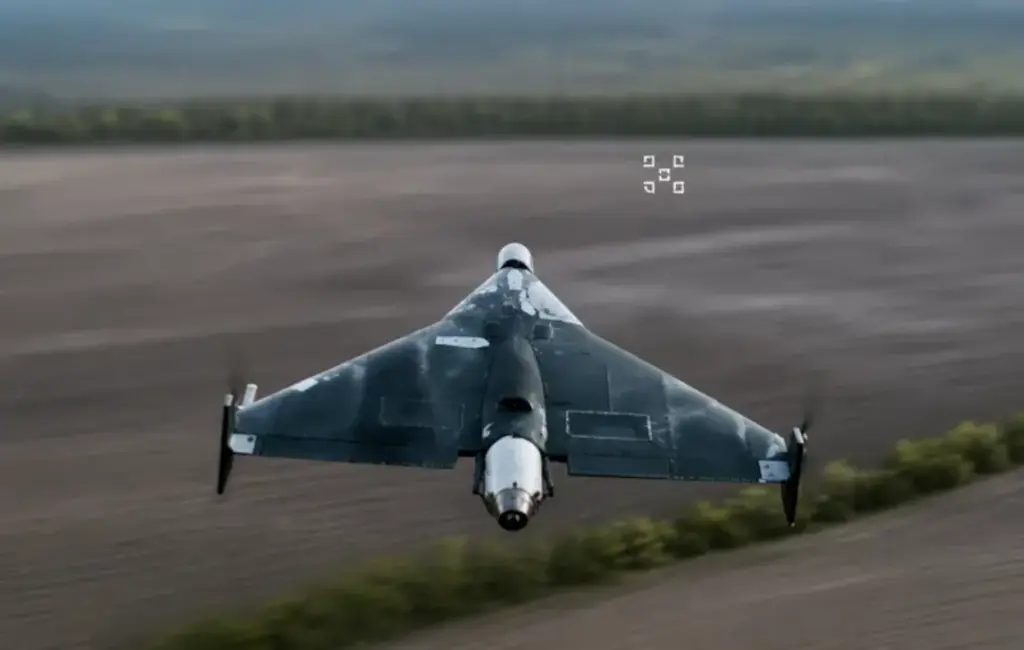
Last winter, eight Ukrainian companies told the defense minister that their interceptors were ready to knock Russia's jet-powered drones out of the sky. They were not. A fast-flying drone is the easy part of the design, while combat testing exposed what the interceptors lacked in key features to chase an evading jet-powered Geran, presidential adviser Serhii Beskrestnov, known as Flash, said in an interview with NV.

Ukraine's answer to Russia's fast, hard-to-stop jet drones was supposed to be cheap interceptors, and last winter, their makers said they had them. But a jet Geran flies 450 to 500 kilometers an hour, up from the Geran-3's 320, varies its speed to slip past defenses, and will dodge harder once interceptors appear.

Catching one takes maneuverability, machine-vision target-lock, and fuel to loiter and search, not just speed, Flash said. Ukraine's cheap interceptors have already downed about half of Russia's slower drones, but the jet-powered systems have stayed a step ahead.

Eight makers said "ready"

At a meeting last winter called by Mykhailo Fedorov, then-defense minister, all eight interceptor makers reported the same thing: "everything's ready, the solution exists, it flies, we tested it, speed is sufficient," Flash recalled.

The mistake, he said, was that no one checked on them week to week. There were also too few jet Gerans in the skies then to test against.

"On the range, they showed: it flies. That was the problem," explained Flash.

Speed is the easy part

The engines are not the obstacle, Flash continues, since they can be bought abroad, and neither is a plane that flies fast in a straight line. The hard part is a machine agile enough to chase a jet-powered Geran, which is far more maneuverable than the propeller kind and will start changing altitude and throwing evasive maneuvers once interceptors appear.

Because an operator's aim frays at such speeds, he said, the decisive pieces are automatic target capture by machine vision and automatic terminal guidance.

"Building a construction that just flies fast is the easiest part," he added.

Mass orders must wait

That is why Ukraine cannot simply order thousands to blanket the country, Flash said: it first needs a proven design that works for any crew, from Security Service specialists to territorial defense soldiers, and is simple to launch, operate, and maintain.

Once such a sample exists, he said, scaling up is only a question of money. Meanwhile, the work is moving: a Ukrainian interceptor recently notched its first kills against jet Gerans and is heading toward mass production.

❌