❌

Vue normale

  • ✇Euromaidan Press
  • At camp Norway built in Polish forest, NATO trainers admit Ukraine’s army now moves faster than their own
    Ukrainian engineers near the front rewrite their drones' software every couple of days. A NATO army needs about six months to push the same update. That gap in speed is the central challenge for the Western trainers working with Ukrainian troops in Poland, who say Ukraine's wartime tempo is exposing how slowly the West moves in peacetime, the Business Insider reports. Russia's war forces the Ukrainian Army to buy, train, and adapt at a pace peacetime armies are not built for, and its ex
     

At camp Norway built in Polish forest, NATO trainers admit Ukraine’s army now moves faster than their own

19 septembre 2026 à 12:37

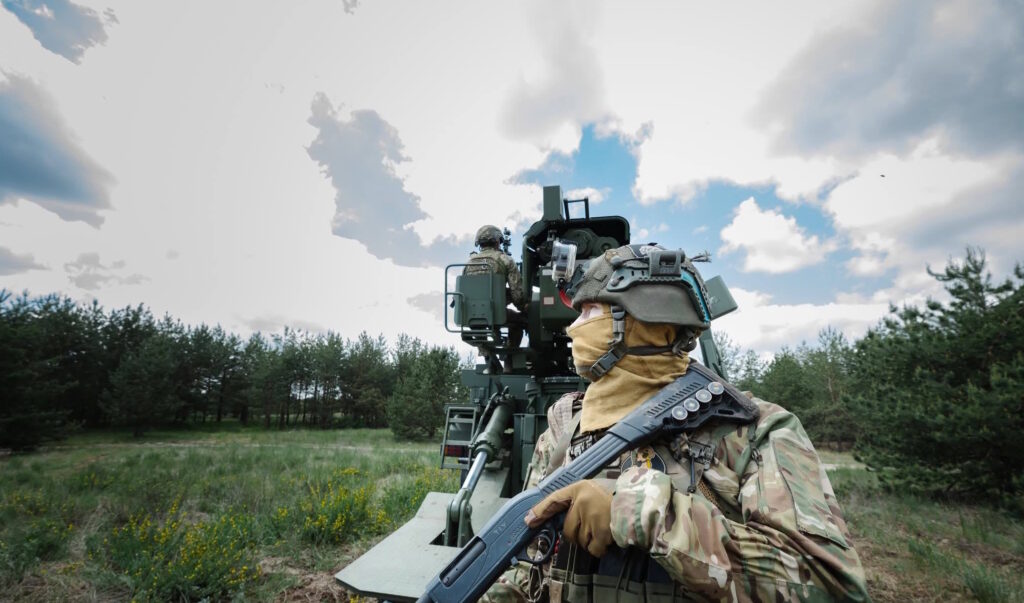
The image shows Ukrainian soldiers. Source: The 80th Separate Air Assault Halytska Brigade

Ukrainian engineers near the front rewrite their drones' software every couple of days. A NATO army needs about six months to push the same update. That gap in speed is the central challenge for the Western trainers working with Ukrainian troops in Poland, who say Ukraine's wartime tempo is exposing how slowly the West moves in peacetime, the Business Insider reports.

Russia's war forces the Ukrainian Army to buy, train, and adapt at a pace peacetime armies are not built for, and its experience is pushing NATO to confront how much its own bureaucracy slows it down.

The alliance has studied that experience without yet fully absorbing it: in an Estonian war game last winter, a ten-person Ukrainian drone team wiped out two NATO battalions in a day.

Now NATO Secretary General Mark Rutte is calling for a large-scale transformation of the West's defense industry so its armies can react faster.

Two speeds meet in Poland

The place where those speeds collided was Camp Jomsborg, a base Norway built in an eastern Polish forest in a matter of months. There, under an operation called Legio, trainers from across northern Europe drill Ukrainian soldiers while the Ukrainians hand their front-line lessons back to NATO.

The camp sits, as its operations officer, a major identified only as John, put it,  at "the mental and geographical middle point between war in the east and peacetime mechanism in the West."

A drone update tells the story

Brigadier General Atle Molde, who commands the task force, put the gap in numbers. If a Western drone needs new software, he said, "you have to send it to a Western country or a company, and an update takes six months." 

In Ukraine, "they have the engineers sitting close to the front updating every two days, every two weeks, developing software, adapting it to genuine situations."

Molde said he wants to see greater initiative in innovation within Western armies, but to achieve that, "it has to be some major changes that have to be done on all levels when it comes to legislation."

Defender Media: Ukraine’s battle-tested drone makers reach no top slot in Pentagon’s $1.1 billion Drone Dominance program, but some Ukrainian technology wins anyway

19 septembre 2026 à 11:46

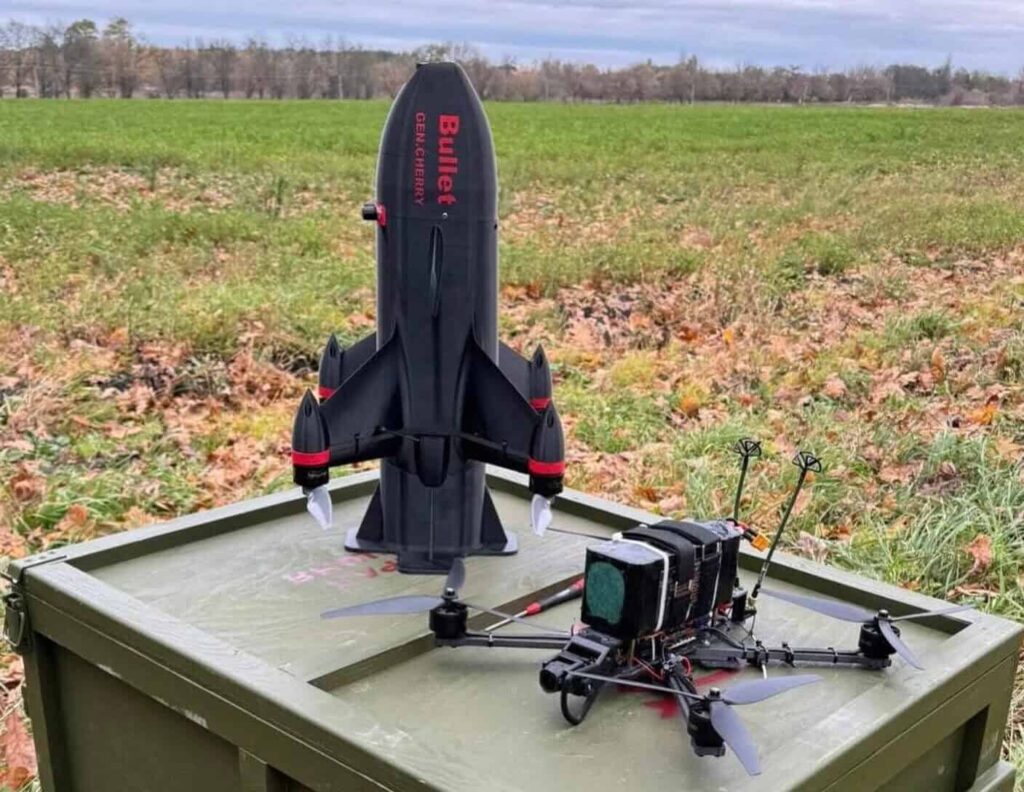
interceptor drones General Cherry (Chereshnia)

Ukraine's battle-tested drone makers did not win a single top slot in the Pentagon's latest drone contest. But some Ukrainian technology won anyway, competing quietly under the names of Western partners, The Defender Media reports.

The Pentagon's $1.1 billion Drone Dominance program does not allow direct purchases from Ukrainian firms, which must set up a US legal entity to bid.

The Ukrainians who competed under their own names were hampered by export licenses, the hunt for non-Chinese components, and visa issues, and none of the four cracked the top five in either category.

American firms sweep the top slots

The Pentagon picked five winners each in two categories, long-range strikes out to 15 kilometers and close-in assault. Eric Schmidt's Perennial Autonomy topped the long-range field with its Hornet drone, on 80.1 points, and Neros led the close-in category with 88.1. Neros already supplies Ukraine with 6,000 of its Archer FPV drones.

The rest of the winners, from ORQA's US arm to XTEND and ModalAI, were American as well. All will receive Pentagon supply contracts, with order sizes to be set later.

Ukrainians win under other flags

The Ukrainian firms that announced their entries, F-Drones, General Chereshnya, Grim Tech, and Stellarion, all missed the cut, though General Chereshnya had reached the program's second round earlier in the year.

Bureaucracy tripped the open entrants

Stellarion laid out what went wrong. Getting export permits and moving hardware took so long that integrating American parts, including warheads, and adapting the finished system on schedule became "complicated," its representatives said.

Finding NDAA-compliant, non-Chinese components ate up more time, and visa delays kept its specialists from fixing technical problems on site.

Firms that missed the top five can enter later rounds: a Gauntlet 2.5 contest for bomber drones is set for October, and a third phase begins in February 2027, with missions built to test control of several drones at once.

❌