❌

Vue normale

  • ✇Euromaidan Press
  • Lithuania launches military exercises across 12 municipalities as Russia keeps probing NATO’s eastern border
    Lithuanian troops began military exercises across 12 municipalities in the southern half of the country on 14 September, training to respond to different types of military threats, LRT reported. The exercises will run through 18 September. NATO's eastern flank has faced growing security pressure from Russia's war against Ukraine. Lithuania borders Russia's Kaliningrad Oblast to the southwest and Belarus to the east, while its territory forms part of the land route connecting the Baltic
     

Lithuania launches military exercises across 12 municipalities as Russia keeps probing NATO’s eastern border

14 septembre 2026 à 11:36

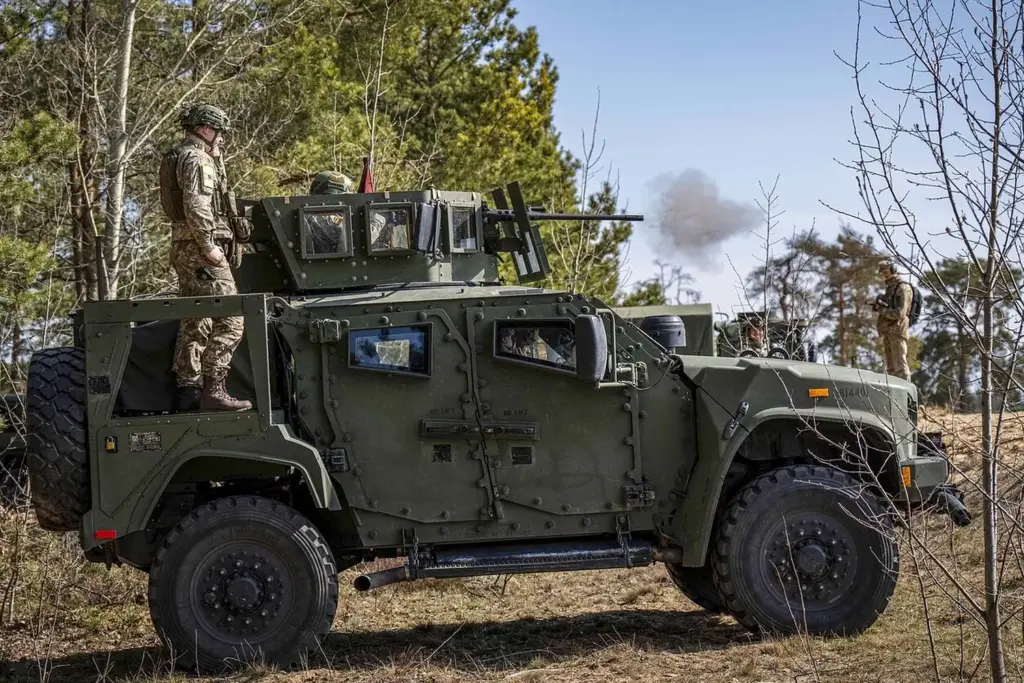
Lithuanian troops during a military exercise.

Lithuanian troops began military exercises across 12 municipalities in the southern half of the country on 14 September, training to respond to different types of military threats, LRT reported. The exercises will run through 18 September.

NATO's eastern flank has faced growing security pressure from Russia's war against Ukraine. Lithuania borders Russia's Kaliningrad Oblast to the southwest and Belarus to the east, while its territory forms part of the land route connecting the Baltic states with Poland and the rest of NATO.

The exercises involve multiple types of drones, boats, weapons, and wheeled military and civilian transport vehicles, with troops moving on foot and by vehicle during the day and at night. No imitation ammunition or pyrotechnics will be used, the army said.

Recent airspace incidents

Vilnius International Airport was closed on 13 September for 38 minutes after radar detected what was initially feared to be a drone. An Italian air force detachment based at Šiauliai as part of NATO's Baltic Air Defense mission scrambled a fighter jet, which identified the contact as a flock of birds.

Vilmantas Vitkauskas, head of Lithuania's National Crisis Management Center, told LRT radio that a large concentration of birds moving in one direction can register on radar as a drone-like object.

Separately, Poland said on 14 September that its military had found a suspected Russian military drone near its Baltic Sea coast. Polish Defense Minister Władysław Kosiniak-Kamysz said a preliminary inspection indicated it was a Russian military drone.

Operational Command spokesman Jacek Goryszewski told TVN24 it was most probably a Russian Gerbera, a cheap long-range drone built from plywood and foam that is often used as a decoy but can carry explosives, and said it had drifted to shore under military observation, with no violation of Polish airspace recorded since late July.

Multinational drills near Belarus

Another multinational exercise, Strong Griffin 2026, is also underway in Lithuania's Švenčionys district near the Belarusian border. Running from 2 to 20 September, it involves about 2,500 troops and 500 pieces of equipment from Lithuania, the United States, Poland, the Netherlands, France, and Portugal, plus partner countries Ukraine and Moldova, according to LRT. Drone work is integrated across it, from reconnaissance to long-range strikes and countering enemy drones.

European intelligence services expect the danger to grow rather than fade. Dutch military intelligence assesses that Russia could mount a regional conflict against NATO within a year of the fighting in Ukraine ending, and reports that preparations for sabotage across Europe have been rising again since mid-2025.
  • ✇Euromaidan Press
  • Russian strikes will cost Ukraine’s economy up to $10 billion this year, ministry says
    Ukraine's Economy Ministry expects losses from Russian strikes to reach up to $10 billion this year and plans to submit a three-part business support package to the Cabinet next week, Economy Minister Oleksandr Kravchenko said on 12 September. Russia has escalated its drone and missile attacks on Ukraine through 2026, striking first at power plants, substations, and residential blocks, then widening the target list to trains, factories, retailer warehouses, and medicine depots. Agricult
     

Russian strikes will cost Ukraine’s economy up to $10 billion this year, ministry says

14 septembre 2026 à 09:07

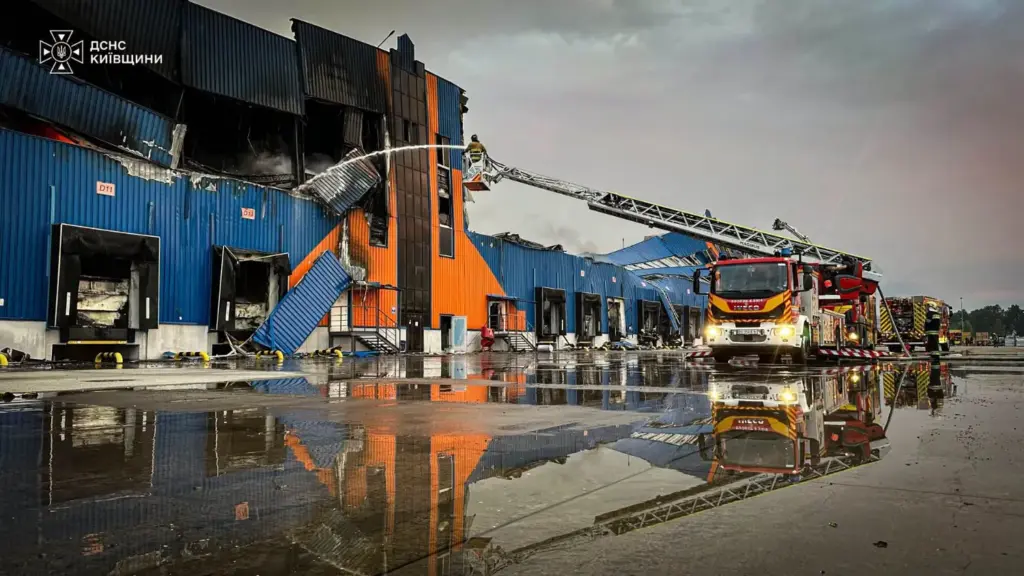
Photo: State Emergency Service of Kyiv Oblast

Ukraine's Economy Ministry expects losses from Russian strikes to reach up to $10 billion this year and plans to submit a three-part business support package to the Cabinet next week, Economy Minister Oleksandr Kravchenko said on 12 September.

Russia has escalated its drone and missile attacks on Ukraine through 2026, striking first at power plants, substations, and residential blocks, then widening the target list to trains, factories, retailer warehouses, and medicine depots. Agriculture Minister Taras Vysotsky said on 28 August that Russia had destroyed about 90% of retail chains' food logistics, but that supply would shift to direct deliveries, with no shortage of basic foods expected.

Kravchenko said business is an absolutely important source of funding for the defense forces, and that it ensures critical goods are supplied and communities can function.

Three-part package aims to support businesses affected by Russian strikes

  • The package has three elements, Kravchenko said. The first would extend the geographic coverage of existing damage compensation programs to include Kyiv and Kyiv Oblast, and simplify the application process so affected companies do not wait months for support.
  • The second would expand subsidized lending for large businesses, with loans of up to about $22 million (UAH 1 billion) and an interest-rate subsidy of about 5 percentage points. The loans could fund investment projects, including fortification and protection, as well as working capital.
  • The third would expand the state's 5-7-9 lending program, which sets the borrower's rate at 5%, 7%, or 9% depending on the purpose of the loan and the size of the business, to suppliers whose large retail clients are losing money to strikes.

He said all three programs had been finalized and hoped businesses would begin receiving substantial support within the coming weeks. The package followed a meeting with President Volodymyr Zelenskyy and discussions with businesses, he said.

Russian strikes have damaged logistics networks and businesses across Ukraine

An overnight strike on Kyiv and Kyiv Oblast on 5 August killed 17 people and destroyed or damaged warehouses and distribution centers belonging to Rozetka, Epicentr, Nova Poshta, Silpo, and other major companies. Co-founder Iryna Chechotkina described Rozetka's warehouse complex in Brovary, valued at $70 million, as beyond repair. The same strike killed six Silpo employees.

Further strikes through early September hit Auchan, Nova Poshta again, Varus, Dnipro-M, and Coca-Cola.

❌