
 Connexion
Modern war that the US is not ready for: For the price of one American cruise missile, Russia builds 20 “poor-man” drones and missiles
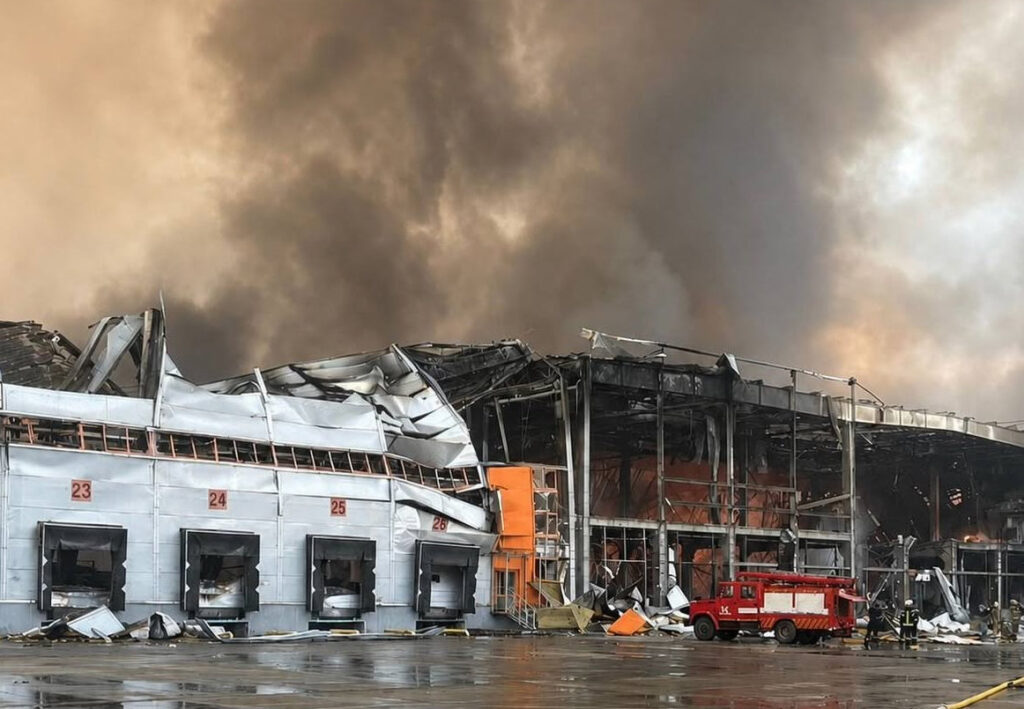
Russia has fielded a new generation of cheap, jet-powered drones and cruise missiles faster than Ukraine or the US can build defenses against them, according to The Wall Street Journal. The weapons run on Chinese parts that slip past Western sanctions, and they are already getting through air defenses designed to stop slower drones. Analysts say the West underestimated how fast Moscow could move from an idea to a full assembly line.
Russia now leans on cheap, mass-produced drones to swamp Ukraine's air defenses with sheer numbers night after night, and its factories keep growing to keep the attacks coming. The bigger lesson reaches past this war: in a long fight, cheap weapons in large numbers can beat a small stock of expensive ones.
A cheap weapon that gets past Ukraine's defenses
Ukraine had learned to shoot down the Iran-designed Shahed drones Russia was launching. Then Moscow moved the goalposts. The newest model, the Geran-5, looks more like a missile than a drone—Mike Monnik, head of the drone-threat firm DroneSec, called it "essentially a poor-man's cruise missile," and it forced a rewrite of Ukraine's counter-drone playbook. The Geran-5 and the Banderol cruise missiles are each estimated to cost about $100,000. A US Tomahawk costs more than $2 million.
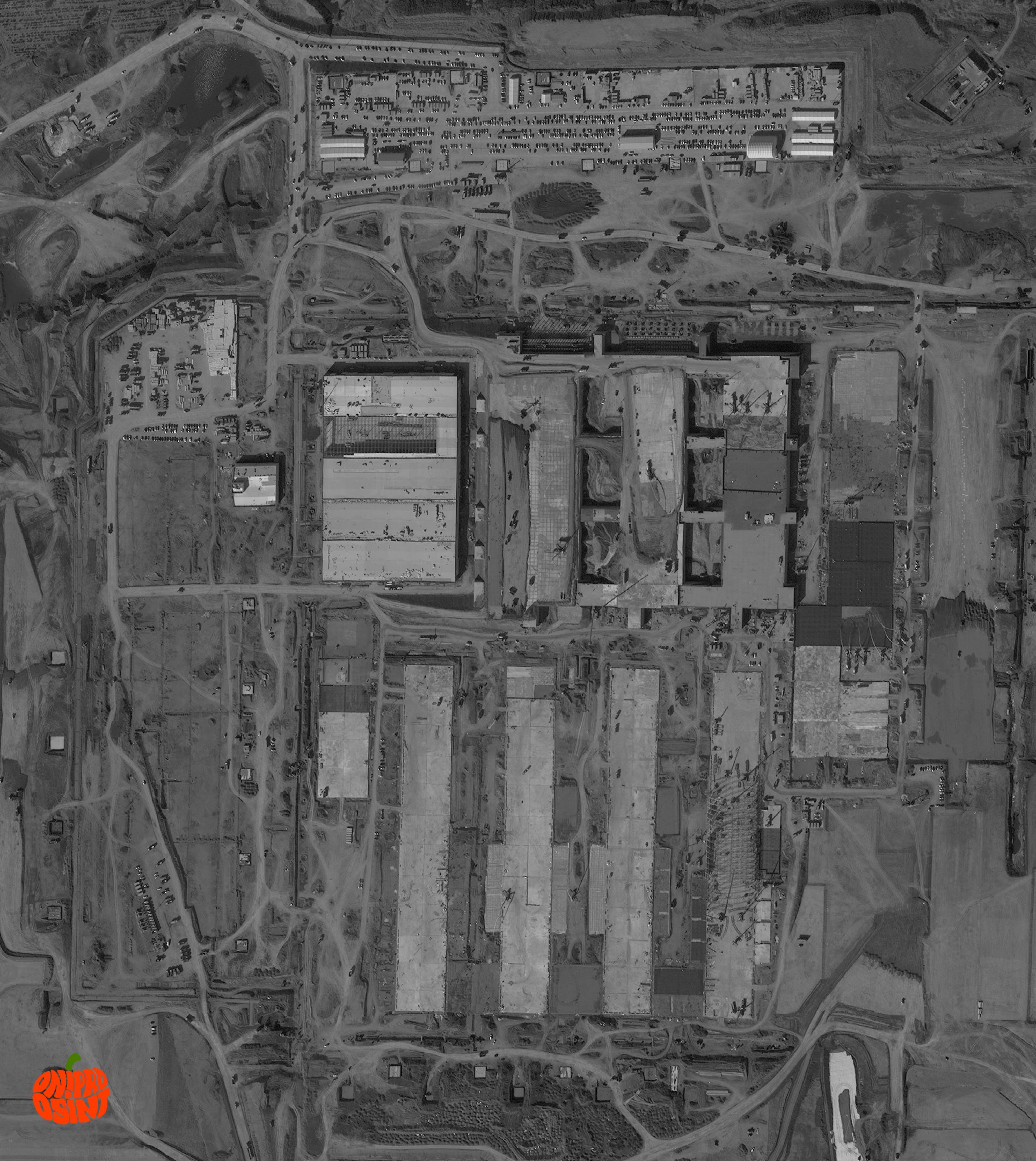
Russia built five more halls for the drones it assembles using Chinese parts to hit Ukrainian cities
Built fast, with China's help
Moscow needed only about two years to take each weapon from the drawing board to the battlefield, reworking earlier designs, testing them in combat, and pushing them into serial production. Ukrainian assessments, echoed by the drone-intelligence firm DroneSec, trace the leap to Chinese parts—the turbojet engines, the navigation computers, the radios—most of them off-the-shelf, dual-use gear anyone can buy. The weapons are aimed at Ukrainian cities and infrastructure—a Banderol struck a residential area of Kharkiv in July.
An expensive problem for the West
US forces and NATO have knocked down cheap drones with costly Patriot interceptors and fighter jets, often firing several interceptors at a single weapon. Western firms that built interceptors for slow drones are now scrambling to make faster, jet-powered ones. Kateryna Bondar of the Center for Strategic and International Studies said the West keeps underestimating how fast Russia turns experiments into production, and that Kyiv had years of warning yet was still caught off guard.
"I'm surprised everyone is surprised," she said.
At NATO's July summit in Ankara, members committed more than $40 billion to counter-drone defenses over the coming five years.
