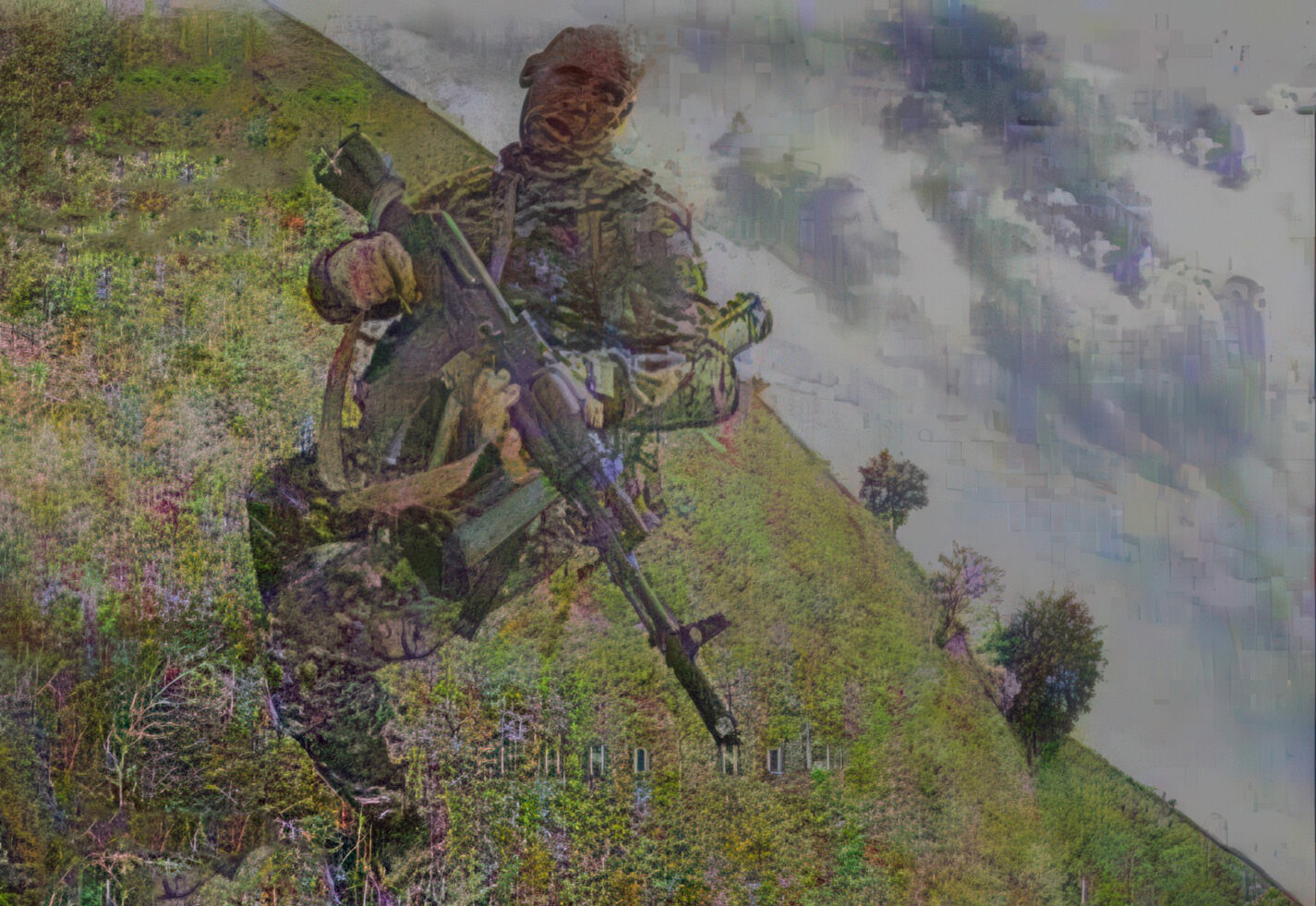
EU foreign ministers have given broad backing to an entry ban on Russians who fought in Ukraine and to stricter tourist visa rules for Russian citizens, DW reported. The bloc's foreign policy chief announced that support on 2 September, after an informal meeting in Wicklow, Ireland, without setting out what the tightening would involve. She tied the visa question to the risk of sabotage in Europe.
Russia has been attacking Ukraine since 2014 and at full scale since 2022,
bombing Ukrainian cities, and for several years its agents have also worked inside Europe, cutting
cables, flying
drones over military
bases, and setting
fires at
plants and warehouses that supply Ukraine. The bloc that funds much of Ukraine's defense has still not managed to keep the citizens of that state out of its own territory.
"Broad support," and nothing pinned down
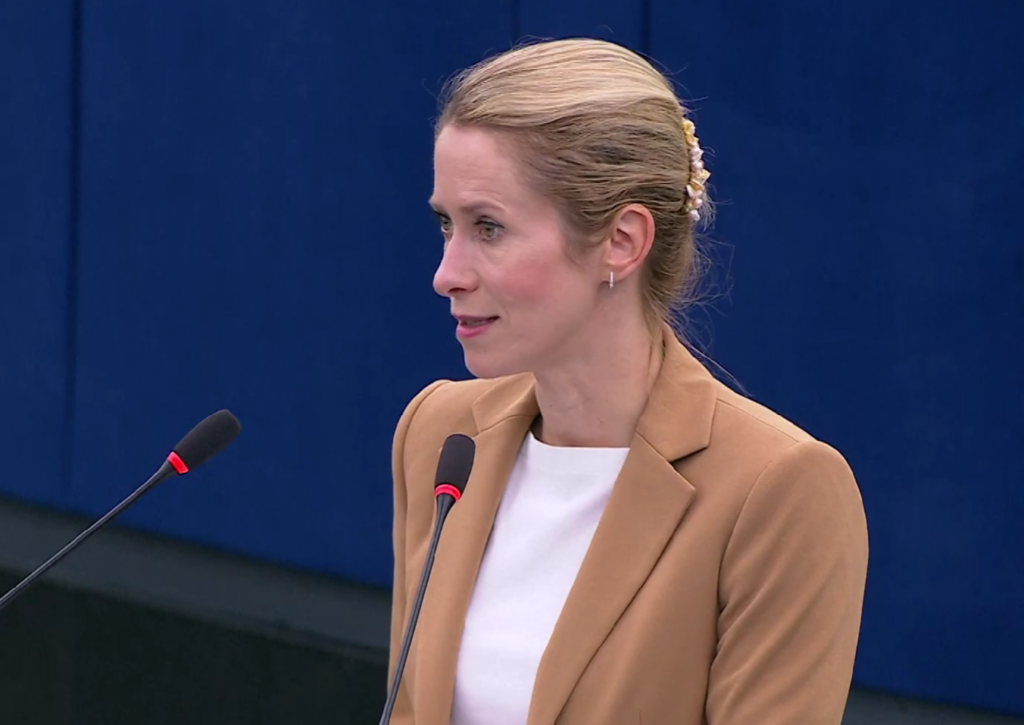
EU foreign policy chief Kaja Kallas spoke to reporters after the ministers finished.
"There was broad support for moving ahead with a ban on entry to the EU for Russian ex-combatants and tougher visa restrictions for Russian tourists," she said.
She did not name the restrictions planned for Russian tourists, say when they might take effect, or say which categories of Russian citizens they would cover.
The bloc has no unified position on tightening visa rules further, Kallas acknowledged. Some member states have so far argued against additional steps in that direction, she said.
Explore further
Russia’s former soldiers may face a locked EU border—if France and Italy stop balking
Many EU countries say tourist visas serve sabotage preparation
Reporters asked Kallas about accounts that one suspect in the Leipzig attack may have entered the EU on a tourist visa issued by Italy. German authorities have to confirm or refute those accounts, she said. If the information is correct, it shows that visas can be used to enter the bloc by potential wrongdoers who intend to harm it, she added. Many EU countries pointed out that tourist visas are used in preparing sabotage, because the people who carry it out need to get onto EU territory, she said.
Berlin blamed Moscow for the hybrid attack in Leipzig on 1 September, and moved to close Russia's consulate in Bonn and end the agreement for a Moscow-backed cultural center in Berlin after the
drone attack on Leipzig/Halle Airport. Lithuania has exposed a Russian military intelligence
network behind attempted arson in four NATO countries, and someone left funeral
wreaths outside defense companies in Lithuania and Czechia in late August.
Explore further
Russia’s ex-combatants entering the EU is a risk flagged in a leaked threat assessment
"It is not normal": Russians in Europe while Russia bombs Ukraine
Many ministers raised the visa question while the meeting was discussing Russia's war against Ukraine, Kallas said.
"It is not normal when a country bombs Ukraine, kills civilians—in July and August more than ever during this war—and at the same time Russians enter and enjoy the hospitality of European countries. That should not be," she said.
EU representatives said in July that the ban, kept separate from the tourist visa rules, was agreed in principle but still needed an evidence standard for refusing entry. The EU Council signs off after that, and the European Commission hoped at the time to finish by October.
UN monitors
counted 437 civilians killed and more than 2,600 injured across Ukraine in July, the deadliest month since 2022. That count included 183
children killed or injured, also the highest since 2022. Russian drones and missiles then kept Kyiv under near-constant fire for
four days at the end of August.

 Connexion