The US plan to sell Türkiye F-35 stealth fighter jets has stalled, blocked by a Russian missile system Ankara bought years ago, Semafor reported. Lawmakers in Washington won't clear the deal while Türkiye keeps the hardware. The lone buyer in talks hasn't budged, and destroying the system is now on the table.
Russia has long used arms exports to pull buyers into its orbit, and the war it started raised the price of those ties—leaving governments that bought Russian air defense to clash with the supplier that sold it.
The Russian system is in the way
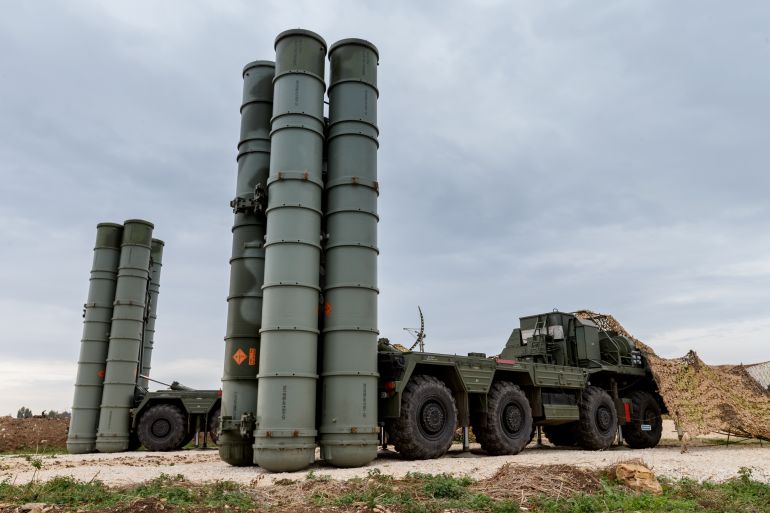
US sanctions law bars Türkiye from the F-35 program while it retains the Russian S-400, Semafor reported. That system is a long-range air defense, built to shoot down planes and missiles. Ankara already paid for six of the jets. They have sat in the United States since Washington expelled Türkiye from the F-35 program in 2019. US President Donald Trump announced plans to sell the jets more than a month ago, and nothing has moved since.
Explore further
Türkiye wants to send Ukraine old US-made cluster munitions—one human rights group is fighting to stop it
No buyer, no easy exit
One way out is to sell the S-400 to another country. Türkiye reportedly opened talks with the United Arab Emirates (UAE) last month, but they don't appear to have progressed. American lawmakers insist Ankara must give up the system entirely first.
Republican Senator Rick Scott told Semafor that Türkiye shouldn't get the jets unless it becomes a true partner—"so if they have the S-400, they cannot have the F-35." Senate Foreign Relations Committee Chairman Jim Risch, a longtime opponent, said the process is "at a standstill."
Explore further
Erdoğan asks Putin to take back Russian S-400 SAM systems in move to win Trump’s favor
Israel and Congress are the live block
The sharper obstacle sits in Washington, Semafor reported. A vote to sell would pit Israel against a NATO ally, and many of Trump's own allies want the S-400 scrapped completely. Israeli Prime Minister Benjamin Netanyahu warned the jets could "destroy the power balance in the Middle East." The outlet said AIPAC, the leading pro-Israel lobby in Washington, is pressing Congress to keep the block.
Selling it still runs through Moscow
Any resale carries its own catch: Russia must approve the transfer of the S-400, giving the Kremlin a reason to block it. The only option that bypasses Moscow is to disable or destroy the system outright. Türkiye earlier tried to return the systems to Moscow, hoping to thaw relations with Washington. It didn't work.
The Trump administration says Ankara hasn't met all the conditions to buy the jets, and the State Department wants the S-400 issue settled with guarantees first.

 Connexion