Vue normale

  • ✇Euromaidan Press
  • NATO army bought Russian missiles and now it can’t give them away
    The US plan to sell Türkiye F-35 stealth fighter jets has stalled, blocked by a Russian missile system Ankara bought years ago, Semafor reported. Lawmakers in Washington won't clear the deal while Türkiye keeps the hardware. The lone buyer in talks hasn't budged, and destroying the system is now on the table. Russia has long used arms exports to pull buyers into its orbit, and the war it started raised the price of those ties—leaving governments that bought Russian air
     

NATO army bought Russian missiles and now it can’t give them away

18 août 2026 à 15:14

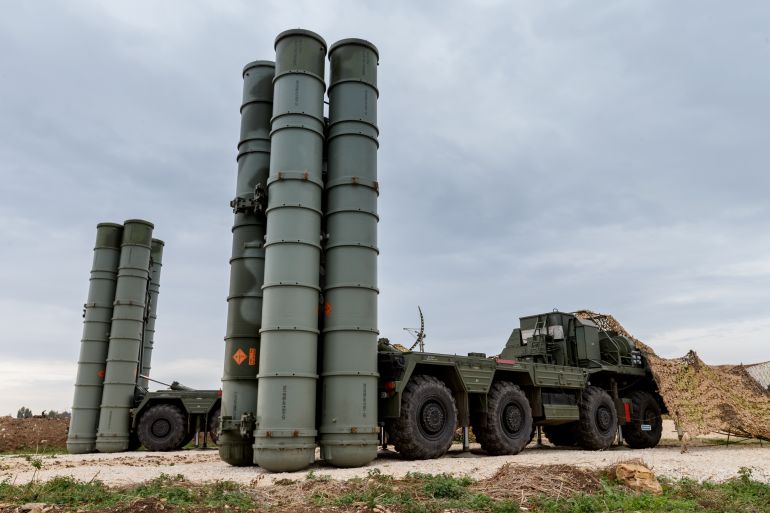
A Russia's S-400 air defense system launchers.

The US plan to sell Türkiye F-35 stealth fighter jets has stalled, blocked by a Russian missile system Ankara bought years ago, Semafor reported. Lawmakers in Washington won't clear the deal while Türkiye keeps the hardware. The lone buyer in talks hasn't budged, and destroying the system is now on the table.

Russia has long used arms exports to pull buyers into its orbit, and the war it started raised the price of those ties—leaving governments that bought Russian air defense to clash with the supplier that sold it.

The Russian system is in the way

US sanctions law bars Türkiye from the F-35 program while it retains the Russian S-400, Semafor reported. That system is a long-range air defense, built to shoot down planes and missiles. Ankara already paid for six of the jets. They have sat in the United States since Washington expelled Türkiye from the F-35 program in 2019. US President Donald Trump announced plans to sell the jets more than a month ago, and nothing has moved since.
türkiye wants send ukraine old us-made cluster munitions—one human rights group fighting stop · post atacms missile launch lockheed martin news ukrainian reports
Explore further

Türkiye wants to send Ukraine old US-made cluster munitions—one human rights group is fighting to stop it

No buyer, no easy exit

One way out is to sell the S-400 to another country. Türkiye reportedly opened talks with the United Arab Emirates (UAE) last month, but they don't appear to have progressed. American lawmakers insist Ankara must give up the system entirely first.

Republican Senator Rick Scott told Semafor that Türkiye shouldn't get the jets unless it becomes a true partner—"so if they have the S-400, they cannot have the F-35." Senate Foreign Relations Committee Chairman Jim Risch, a longtime opponent, said the process is "at a standstill."

A Russia's S-400 air defense system launchers.
Explore further

Erdoğan asks Putin to take back Russian S-400 SAM systems in move to win Trump’s favor

Israel and Congress are the live block

The sharper obstacle sits in Washington, Semafor reported. A vote to sell would pit Israel against a NATO ally, and many of Trump's own allies want the S-400 scrapped completely. Israeli Prime Minister Benjamin Netanyahu warned the jets could "destroy the power balance in the Middle East." The outlet said AIPAC, the leading pro-Israel lobby in Washington, is pressing Congress to keep the block.

Selling it still runs through Moscow

Any resale carries its own catch: Russia must approve the transfer of the S-400, giving the Kremlin a reason to block it. The only option that bypasses Moscow is to disable or destroy the system outright. Türkiye earlier tried to return the systems to Moscow, hoping to thaw relations with Washington. It didn't work.

The Trump administration says Ankara hasn't met all the conditions to buy the jets, and the State Department wants the S-400 issue settled with guarantees first.

650 participants from 24 countries: Ukraine brings its battle-tested drone-defense experience to NATO’s Baltic Trust 2026 exercise

18 août 2026 à 01:30

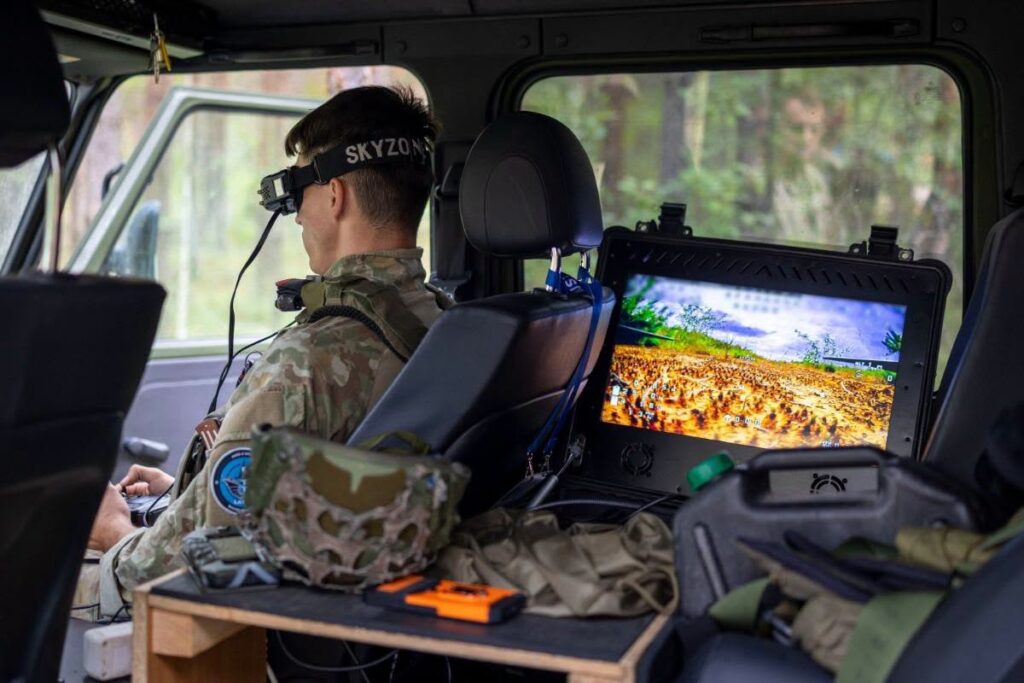
Ukrainian soldiers at NATO's Baltic Trust 2026 exercise in Latvia. Source: NATO

Ukraine brought the world's most battle-tested counter-drone experience to a NATO exercise. From 3 to 14 August, Ukraine took part in NATO's Baltic Trust 2026 exercise in Latvia, which focused on countering drones and other threats posed by uncrewed aerial systems, the General Staff reported.

The exercise responds to a mounting Russian threat against NATO's Baltic flank. Russia has probed the alliance's eastern edge so aggressively that NATO scrambled over the Baltic, jumping more than 250% in July.

Also, Moscow has increasingly launched drones on the Baltic States. Even on 14 August, the final day of the drill, a NATO fighter shot down a drone over Latvia after Russian electronic warfare pushed it off course, the second Baltic drone incursion that week. Baltic Trust 2026 was NATO's answer: about 650 participants from 24 countries building the counter-drone defenses that the threat demands.

The exercise tested systems working together

Baltic Trust focused on integration, not single technologies. Soldiers, specialists, and industry representatives jointly tested new technological solutions in conditions close to a modern operational environment, the General Staff said.

The core was whether the pieces work as one system. Participants checked how detection tools, command-and-control systems, and counter-drone measures can exchange data, form a common operational picture, and enable coordinated response.

Ukraine's experience is the draw

Ukraine's participation carries particular weight in this field. No NATO member has faced the scale of drone attack Ukraine confronts nightly, and its forces have built and continually adapt the detection, interception, and electronic-warfare methods that down Russian drones by the tens of thousands.

That makes Ukraine a source of hard-won practical knowledge for allies still preparing for threats Ukraine already lives with. Bringing Ukrainian experience into a NATO drill turns the country's battlefield lessons into shared allied capability, on exactly the drone warfare the alliance is scrambling to counter on its eastern flank.

The exercise builds collective defense

Baltic Trust served NATO's broader readiness. Jointly testing and integrating such solutions helps turn technological innovation into practical capabilities that strengthen readiness and collective defense.

Previously, Russia's Foreign Intelligence Service Head Sergey Naryshkin accused NATO of escalating military activity near Russia’s borders. He warned that Poland and the Baltic states would be the first to suffer in the event of a war between Moscow and the Alliance.

❌