Vue normale

  • ✇Euromaidan Press
  • $3,032 to kill a soldier on whom Russia spends $65,000: Ukraine’s new system puts a price on every strike
    Ukraine can now measure how cost-effectively it kills, and the math favors it. Every dollar Ukraine's Defense Forces spend on striking a target inflicts several times more losses on Russia, as confirmed by the Mission Control module in the DELTA battle system, Ukraine's Defense Ministry reported. Mission Control, launched six months ago, now processes 50,000 missions a week and over 230,000 reports, allowing Ukraine to track not just what it hits but also what each stri
     

$3,032 to kill a soldier on whom Russia spends $65,000: Ukraine’s new system puts a price on every strike

17 août 2026 à 13:08

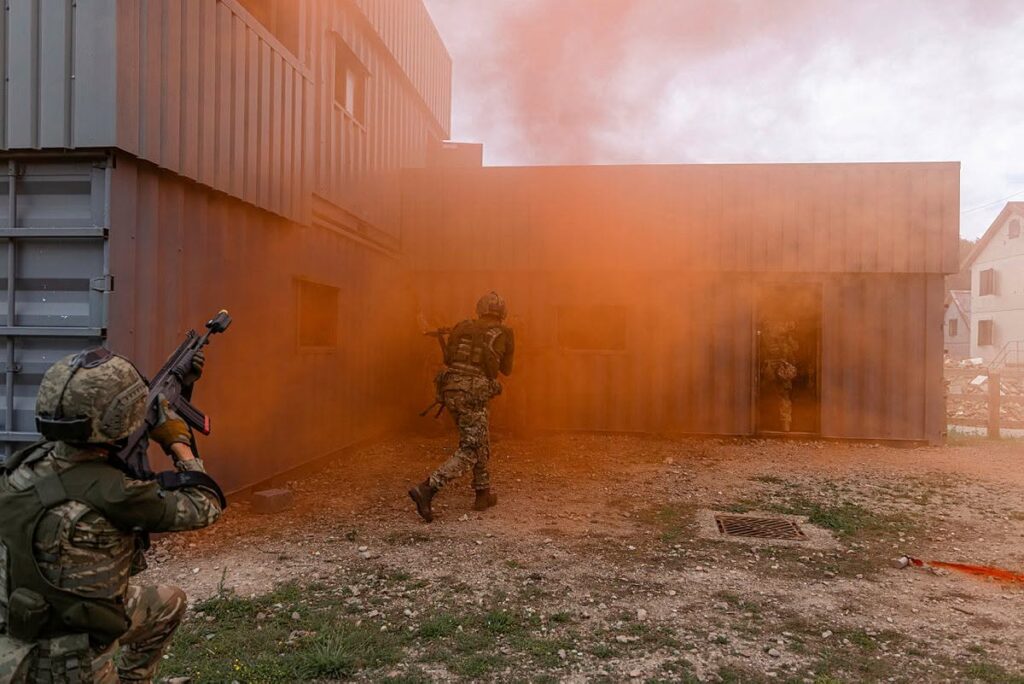
The image shows Ukrainian soldiers. Source: Ukraine's General Staff

Ukraine can now measure how cost-effectively it kills, and the math favors it. Every dollar Ukraine's Defense Forces spend on striking a target inflicts several times more losses on Russia, as confirmed by the Mission Control module in the DELTA battle system, Ukraine's Defense Ministry reported.

Mission Control, launched six months ago, now processes 50,000 missions a week and over 230,000 reports, allowing Ukraine to track not just what it hits but also what each strike costs relative to the damage it causes. In June, every dollar Ukraine spent on a strike cost Russia nearly five times as much.

The economics favor Ukraine's strikes

The system prices both sides of every strike. Mission Control records the cost of what Russia loses, ranging from a few hundred dollars for telecommunications equipment to hundreds of thousands of dollars for air-defense systems and other high-value targets.

The June figures show the gap. Hitting one enemy soldier costs Ukraine $3,032, compared with roughly $65,000 that Russia spends to maintain one. Meanwhile, hitting a piece of equipment costs $2,674, and targeting an infrastructure object costs $1,487.

Every mission feeds the next

Mission Control logs each mission to sharpen the next. The military analyzes what worked, what did not, and why to adjust tactics for the next mission rather than blindly repeating mistakes, according to the Defense Ministry.

The data breaks down by mission type and depth. It sorts missions into reconnaissance, strike, logistics, and evacuation, and by range, 20-plus and 50-plus kilometers, showing for each unit what it strikes, how effectively, at what cost, and what economic damage it inflicts, while also tracking which Ukrainian equipment is lost, at what depth, and under what circumstances.

The goal is fewer Ukrainian lives spent

The measurement serves a purpose beyond economics. The Defense Ministry said it continues implementing technologies so each mission makes the next more precise and helps preserve the lives of Ukrainian soldiers, gradually shifting the most dangerous battlefield tasks to robotic systems.

  • ✇Euromaidan Press
  • Ukraine has knocked out seven of Russia’s 10 biggest warehouses as its air defenses fall short, ISW says
    Ukraine has knocked out seven of the 10 largest logistics hubs run by Russia's biggest online retailer, the US-based Institute for the Study of War assessed. The strikes are part of a campaign to wear down Russia's defense industry and the dual-use supply lines that feed its war. The newest raids hit two warehouses near Moscow overnight. Ukraine has pushed its long-range drone war deep into Russia, hunting the oil, freight, and factory sites that keep Moscow's invasion
     

Ukraine has knocked out seven of Russia’s 10 biggest warehouses as its air defenses fall short, ISW says

17 août 2026 à 09:15

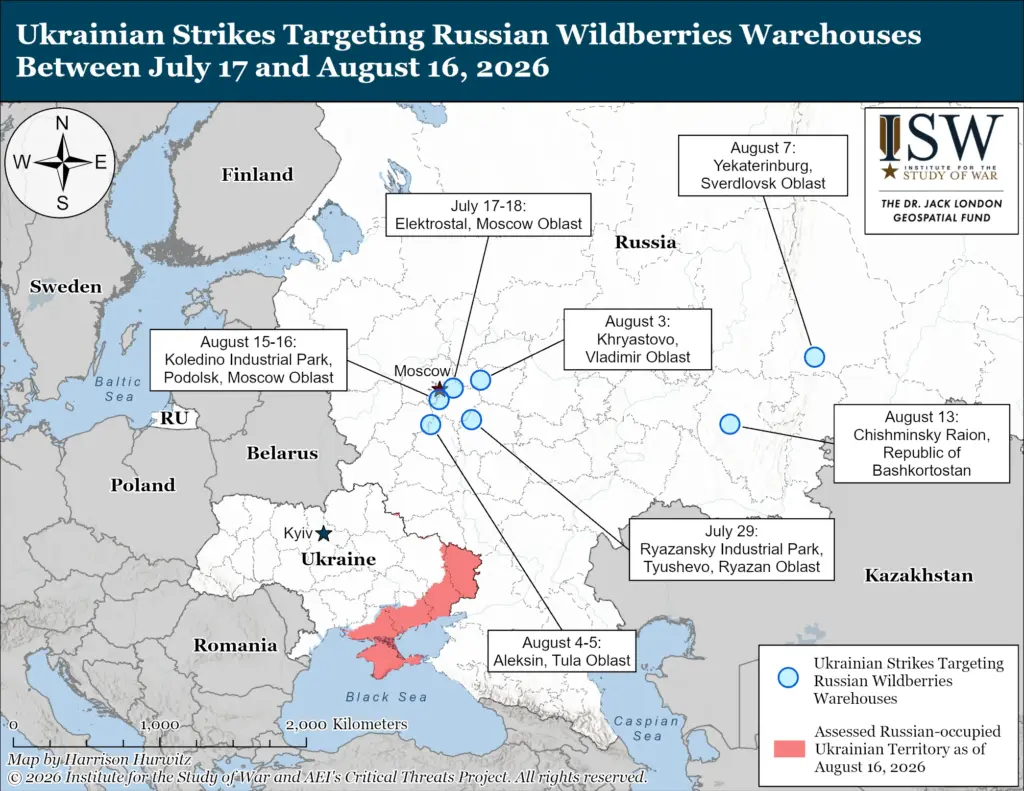
ukraine has knocked out seven russia's 10 biggest warehouses its air defenses fall short isw says · post ukrainian strikes targeting russian wildberries between 17 16 2026 ukrainian-strikes-targeting-russian-wildberries-warehouses-between-july-17-and-august-16-2026 news reports

Ukraine has knocked out seven of the 10 largest logistics hubs run by Russia's biggest online retailer, the US-based Institute for the Study of War assessed. The strikes are part of a campaign to wear down Russia's defense industry and the dual-use supply lines that feed its war. The newest raids hit two warehouses near Moscow overnight.

Ukraine has pushed its long-range drone war deep into Russia, hunting the oil, freight, and factory sites that keep Moscow's invasion supplied. Each strike that lands far from the front tests how much of its own territory Russia can actually defend. ISW assessed that the campaign is squeezing both Russia's economy and its overstretched air defenses, with no sign the retailer's biggest depots are getting any safer.

Two hubs near Moscow burned overnight

On 15-16 August, Ukrainian drones struck Wildberries' single largest hub, a 250,000-square-meter depot in the Koledino Industrial Park in Podolsk, Moscow Oblast. Ukraine's Defense Ministry reported the hit, about 420 kilometers from the border.

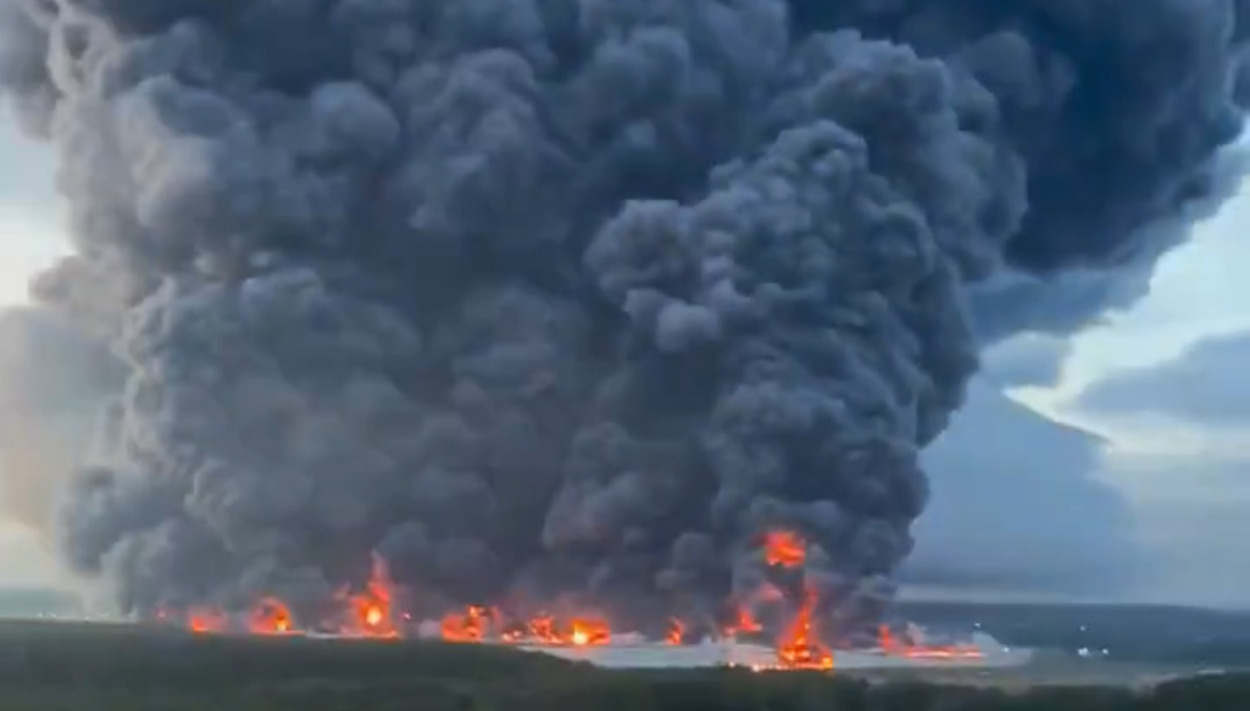
Wildberries warehouse burning in Russia's Koledino following a Ukrainian drone strike, 16 August 2026. Photo: Exilenova+
Explore further

“One of the most massive” Ukrainian drone attacks hits Moscow Oblast: two major warehouses ablaze

Wildberries confirmed the fire and said it had to reorganize its supply chains. Moscow Oblast Governor Andrei Vorobyov acknowledged the strike, and geolocated footage showed the depot ablaze.

Drones also hit a second warehouse the same night, in Domodedovo, roughly 430 kilometers from the border. Footage showed a fire at the Severnoye Domodedovo complex.

Why the warehouses are targets

Ukrainian officials say Wildberries helps supply the Russian military, moving drone components and navigation gear. Kyiv folded the retailer into a deep-strike campaign that began in mid-July.

The company is Russia's answer to Amazon, its largest online marketplace. Its sprawling depots make broad, hard-to-defend targets.

Wildberries warehouse burning in Russia's Koledino following a Ukrainian drone strike, 16 August 2026. Screenshot from video: bayraktar_1love

The damage keeps growing

By early August, the strikes had destroyed at least 1.18 million square meters of Wildberries storage, about a fifth of its capacity, ISW noted. The toll has climbed since.

The losses ripple outward to independent sellers who rent space in the hubs. Many have watched their stock burn with no compensation.

❌