Vue normale

  • ✇Euromaidan Press
  • Former Polish PM accuses Ukrainian officials of letting robbers plunder massacre victims’ graves
    Former Polish prime minister Jarosław Kaczyński accused groups in western Ukraine of desecrating remains and stealing WWII-era victims’ jewelry. The leader of the national-conservative Law and Justice (PiS) wrote on X on 14 August 2026 that his party would demand Polish government intervention. Kaczyński’s claim comes amid growing anti-Ukrainian sentiment in Poland and a dispute with Kyiv over how Polish wartime victims are remembered. However, Kaczyński’s X post named
     

Former Polish PM accuses Ukrainian officials of letting robbers plunder massacre victims’ graves

16 août 2026 à 14:46

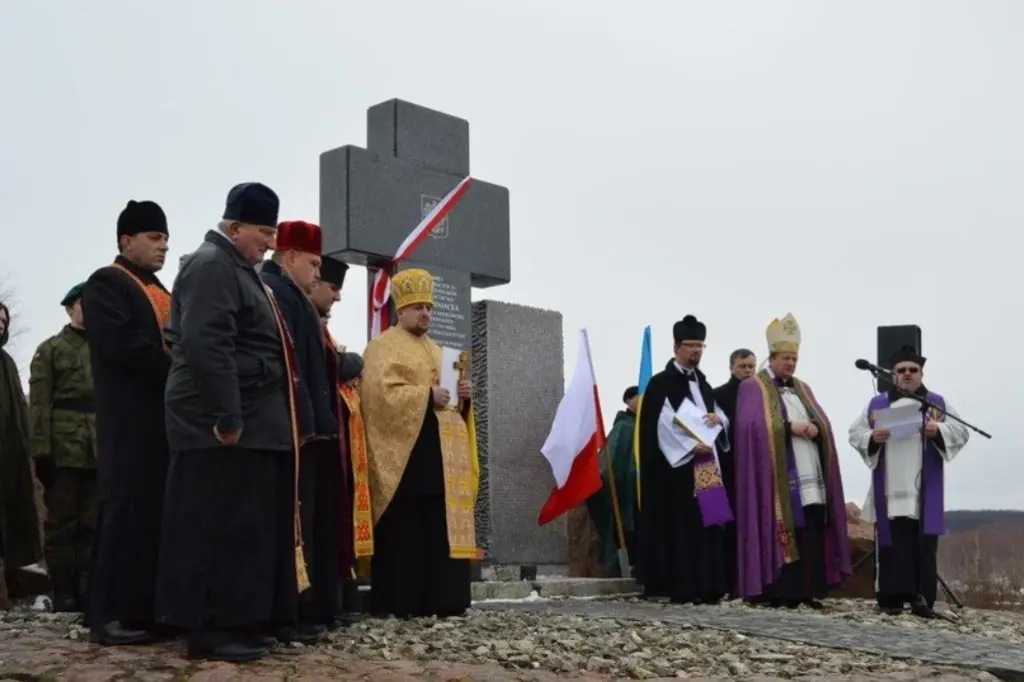
Polish and Ukrainian clergy stand beside a memorial cross during a ceremony, with both countries’ flags behind them.

Former Polish prime minister Jarosław Kaczyński accused groups in western Ukraine of desecrating remains and stealing WWII-era victims’ jewelry. The leader of the national-conservative Law and Justice (PiS) wrote on X on 14 August 2026 that his party would demand Polish government intervention.

Kaczyński’s claim comes amid growing anti-Ukrainian sentiment in Poland and a dispute with Kyiv over how Polish wartime victims are remembered. However, Kaczyński’s X post named no location and provided no public evidence, while authorized Polish-Ukrainian teams continue exhuming and reburying Polish victims.

“Illegal excavations at the sites of former Polish villages in Eastern Galicia are turning out to be real,” Kaczyński wrote, referring to a historical region now largely in western Ukraine.

He called the alleged looters “black diggers,” a term for people who dig through burials or archaeological sites for valuables. He said they were pilfering the graves of Poles killed in the World War II-era Volhynia massacres and alleged that local Ukrainian officials were allowing it.

Kaczyński said PiS would appeal to Poland’s state authorities, including the Foreign Ministry, and demand “explanations and a response.”

The evidence described by PiS has not been made public. Onet reported that it was unclear which incidents he meant and that neither government had responded at the time. PiS spokesperson Rafał Bochenek later told the publication Interia that citizens had sent photographs allegedly showing damaged graves and listings for excavated objects. Interia published neither.

Polish-Ukrainian teams continue authorized exhumations

Meanwhile, Poland’s Institute of National Remembrance (IPN), the country's state historical institute, said Ukraine authorized its latest excavations at Ostrówki and Wola Ostrowiecka in Volyn.

From 13 July to 7 August, Polish and Ukrainian specialists recovered 55 victims, including 26 children. They also secured more than 300 personal items and pieces of clothing. The remains are due to be buried at Ostrówki cemetery on 30 August.

The excavation followed a wider thaw. Ukraine lifted its moratorium on Polish searches, while joint teams exhumed and reburied 42 people at Puźniki in 2025. Both countries have exchanged lists of sites for further searches.

Historical disputes deepen the Polish-Ukrainian rift

Relations between Kyiv and Warsaw worsened after Ukraine gave a military unit the honorary title “Heroes of the Ukrainian Insurgent Army (UPA)."

The UPA fought for Ukrainian independence but is held responsible in Poland for the World War II-era massacres of Polish civilians. Polish President Karol Nawrocki later stripped President Volodymyr Zelenskyy of the Order of the White Eagle, Poland’s highest state honor.

Violence is also rising on the Polish streets. Reports of suspected hate crimes against Ukrainians in Poland rose by more than 30% in the first half of 2026, even as anti-xenophobic voices became more visible online. Kaczyński’s claim adds an unverified criminal allegation to the dispute.

Ukrainian rapper mocked Russia’s claim he helped deliver drones for attacks near Moscow. A month later, Russia allegedly tried to kill him in Poland

16 août 2026 à 05:28

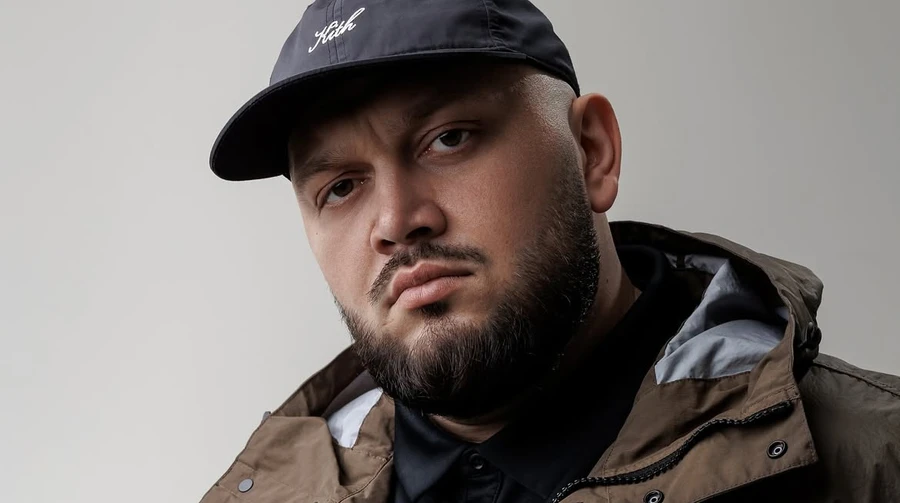
Ukrainian-American rapper Kyivstoner wearing a black cap and dark jacket.

On 14 August 2026, Polish broadcaster RMF FM identified American-Ukrainian rapper and video blogger Kyivstoner as the previously unnamed target of an alleged Russian-directed assassination plot in Warsaw. The case comes as European authorities investigate suspected Russian attacks and sabotage across the continent.

The alleged plot against Kyivstoner comes amid attacks on Kremlin critics abroad, including the fatal shooting of a Russian opposition artist in Poland in June.

Polish authorities disclosed the Kyivstoner's case on 13 August but withheld the target’s identity. RMF’s identification points to a possible motive, though it relies on unverified allegations from the FSB, Russia's domestic security agency that Kyivstoner of managed drone deliveries intended for attacks near Moscow.

Who is Kyivstoner?

Kyivstoner was born Albert Vasiliev and uses the name Slevin Dadyan on his US passport. He gained attention through humorous videos and the Ukrainian group Hryby before releasing solo tracks, including “Leto” (Summer) and “Zvuk” (Sound).

In a 2025 interview, Vasiliev voiced support for Ukrainians and opposition to Russian occupation, saying Russian ruler Vladimir Putin made him angry and that he wanted civilians and soldiers to stop dying.

In July 2026, Russia’s FSB accused Kyivstoner of overseeing logistics for a foiled drone attack on a defense enterprise near Moscow.

The agency alleged that 35 drones assembled in Kyiv were concealed in a shipment of ceramic tiles and smuggled into Russia through Slovakia, Poland, and Belarus. Russian authorities also added Vasiliev to a register of people they label as involved in extremist or terrorist activity.

Vasiliev responded on Instagram by mocking Russia's allegation, saying he had been relaxing and playing video games rather than organizing an attack.

Russian authorities also accuse him of cooperating with Ukrainian intelligence. He denies the accusations, and RMF offered no independent evidence to substantiate them.

Suspect detained before alleged attack

Prime Minister Donald Tusk said Polish services detained the Russian suspect on 7 August, stopping the alleged attack “at the last minute.” US services assisted the operation. A Polish court remanded the man in custody for three months.

The journalists described the Russian citizen as a native of Donbas in eastern Ukraine. Tusk said the target, who holds Ukrainian and US passports, was “inconvenient to the Putin regime.”

The prime minister called it the first Russian-ordered attempt of its kind against a US citizen in another NATO country.

Killings and disrupted plots across Europe

Throughout Europe, Russia has tried to hunt down and kill anti-Kremlin critics and supporters of Ukraine. In June, Russian opposition artist Robert Kuzovkov, known as Semyon Skrepetsky, was shot dead in eastern Poland. Hours earlier, he had reported threats from “Russian patriots.” Polish authorities detained two Belarusian nationals, but have not attributed the killing to Moscow.

US and German services also reportedly foiled a Russian plot against Rheinmetall CEO Armin Papperger in 2024. German intelligence later treated the surveillance of Bavarian drone manufacturer Donaustahl’s CEO as a suspected planned assassination.

“Get the f*ck back to Ukraine”: Two intoxicated Polish women attack Ukrainian men amid rise in anti-Ukrainian violence in Poland

16 août 2026 à 04:07

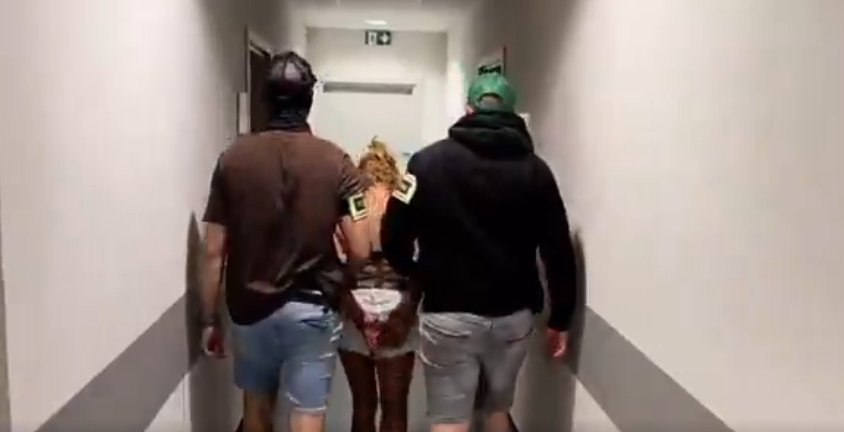
A woman with her hands behind her back walks between two masked police officers down a white corridor.

Polish police detained two women in connection with an attack on Ukrainian men outside a Poznań restaurant, Interior Minister Marcin Kierwiński announced. The incident comes as Polish-Ukrainian relations grow more strained and public attitudes toward Ukrainians worsen. The incident occurred shortly after midnight on 13 August on Półwiejska Street.

Police data obtained by Rzeczpospolita show 180 hate-crime reports involving Ukrainian citizens in the first half of 2026, over 30% more than a year earlier. Police have not said whether they are treating the Poznań case as a hate crime, although the recording includes nationality-based abuse.

One woman insulted two Ukrainian men, spat at one, knocked over a restaurant parasol, and struck one of the men, the Polish radio station RMF FM reported.

Półwiejska core pic.twitter.com/n2KGfyDRA7

— poznan_moment (@poznan_moment) August 13, 2026

Regional police spokesperson Iwona Liszczyńska said officers responded to reports of two apparently intoxicated women. However, the women had left before officers arrived. Police contacted the restaurant manager, who filed a formal complaint on the morning of 14 August. Officers had already begun identifying the women before the complaint was filed.

Kierwiński first reported that police had detained one woman and identified the other. He later announced the second woman’s detention and declared “zero tolerance for aggression and hatred.”

Previous attacks on Ukrainians in Poland

Kierwiński’s warning followed a series of attacks against Ukrainians in Poland this year. In July, three men allegedly beat a Ukrainian couple in Wrocław after asking whether the woman was Ukrainian. Police detained two suspects and treated the assault as a nationality-motivated hate crime.

In May, police detained five suspects aged 15 to 18 after an attack on three Ukrainian teenagers in Warsaw. One of them, 16-year-old Artem, suffered a fractured skull. 

Earlier in July, two men linked to Poland’s far right confronted a Ukrainian woman at her legal-aid office in Poznań. They demanded entry and asked whether she supported Stepan Bandera, a WWII-era Ukrainian nationalist disliked by many Poles.

Historical dispute deepens political rift

The Poznań incident comes as anti-Ukrainian themes have gained ground in Polish far-right politics, while Warsaw and Kyiv remain divided over the WWII-era Ukrainian Insurgent Army. Many Ukrainians honor the UPA for resisting Soviet rule. Poland holds it responsible for massacring Polish civilians. 

Poland and Ukraine’s dispute over the Volhynia massacres, exhumations, and UPA symbols has prompted protests and a diplomatic clash over state honors. Police have not linked the Poznań attack to that dispute. 

❌