Vue normale

  • ✇Euromaidan Press
  • “They removed the auditor, not the thieves”: why Ukrainians are protesting Zelenskyy’s reshuffle
    In five days, Ukraine dismissed its prime minister, installed a new Cabinet, and removed the defense minister who built its drone war—and for the first time since last summer, thousands of Ukrainians filled the streets of 17 cities against a wartime decision of their own president. The prime minister nobody protested for is gone quietly. Thousands demanded the reformer stay. He is gone anyway. Three forces claim the ground: the constitutional institutions on paper, the
     

“They removed the auditor, not the thieves”: why Ukrainians are protesting Zelenskyy’s reshuffle

17 juillet 2026 à 14:25

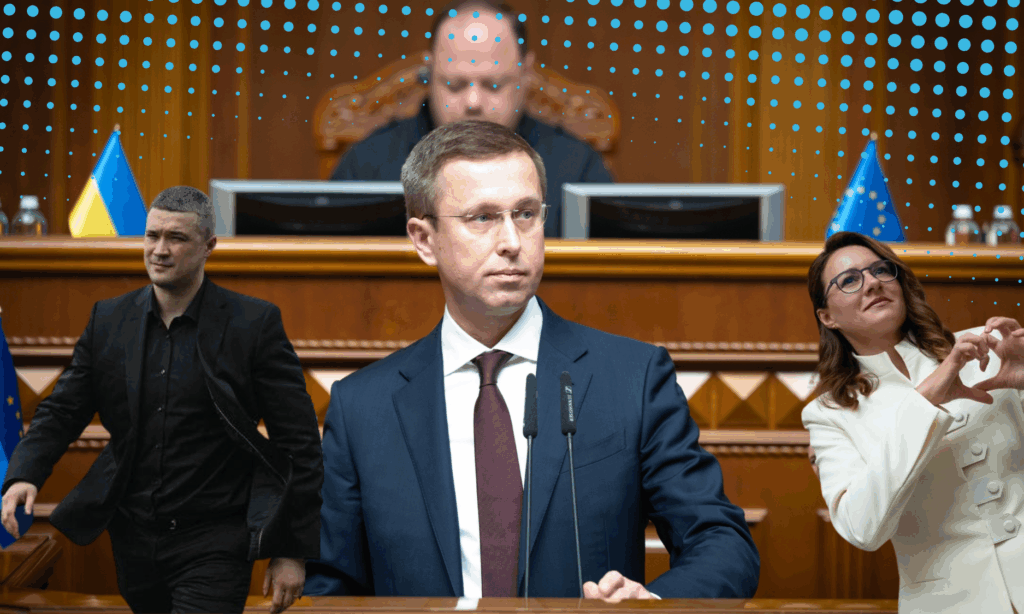
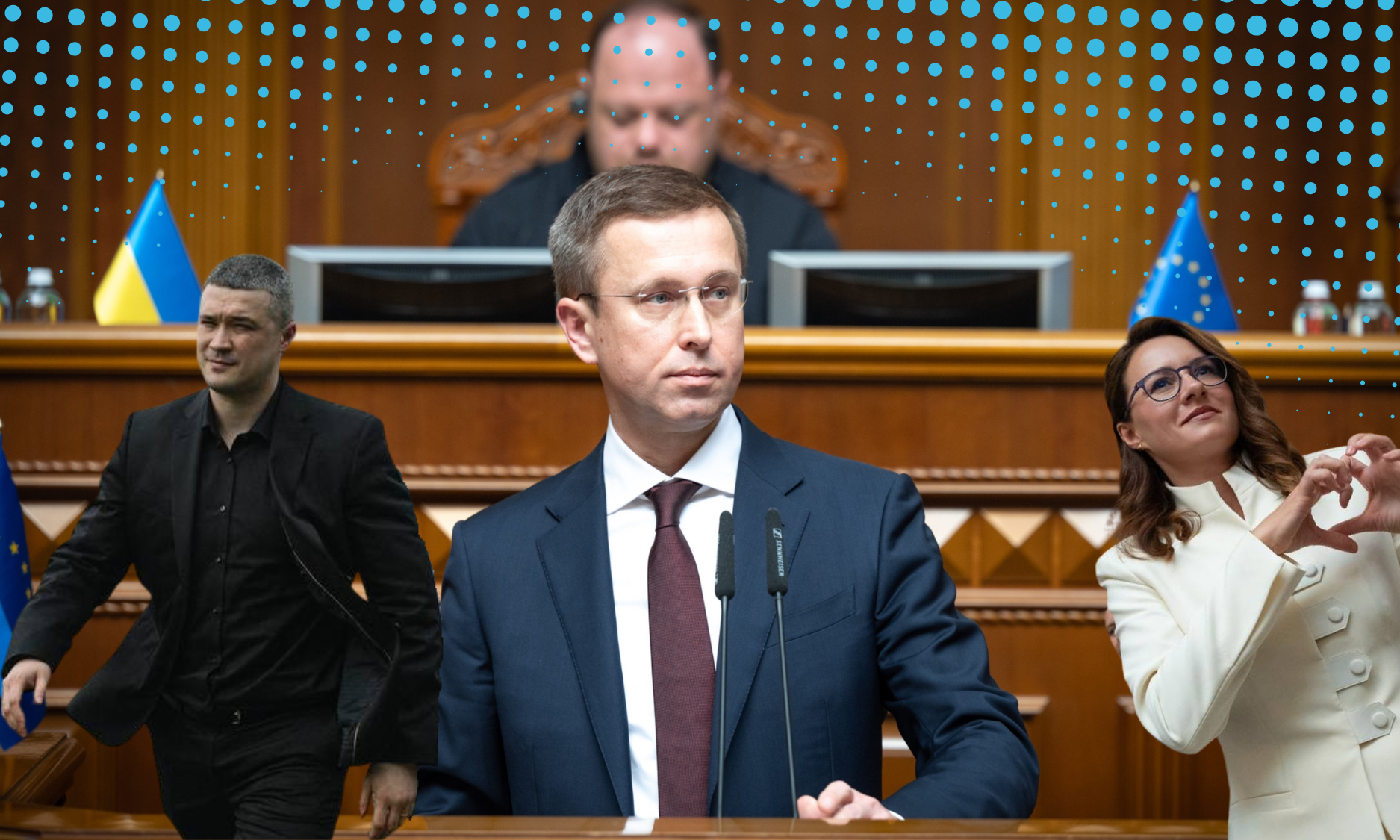
fedorov, koretskyi, svyrydenko collage

In five days, Ukraine dismissed its prime minister, installed a new Cabinet, and removed the defense minister who built its drone war—and for the first time since last summer, thousands of Ukrainians filled the streets of 17 cities against a wartime decision of their own president. The prime minister nobody protested for is gone quietly. Thousands demanded the reformer stay. He is gone anyway.

Three forces claim the ground: the constitutional institutions on paper, the Office of the President in practice, and a society.

What the week decided is who now governs Ukraine, and the question reaches past Kyiv into EU accession talks and the shape of postwar politics. Three forces claim the ground: the constitutional institutions on paper, the Office of the President in practice, and a society that has now twice in 12 months forced its leader to answer to the street.
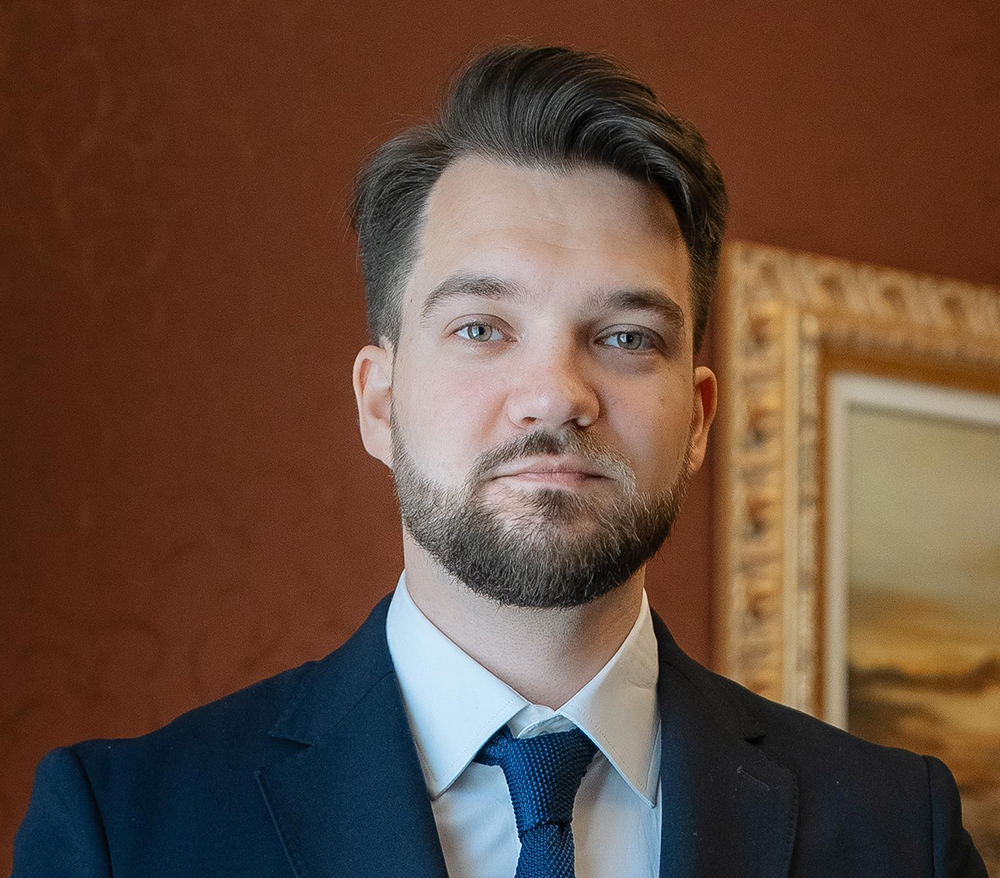
andrii biletskyi, anti corruption-expert and administrative director of acrec
Explore further

Ukraine’s government reshuffle followed the letter of the Constitution. But did it follow its spirit?

Five days, one government

Late on 11 July, President Volodymyr Zelenskyy signaled coming personnel changes on the diplomatic front. The next day, he set out the scope.

“Ukraine is changing its political strategy,” he wrote on Telegram, assigning each foreign-policy priority to “a specific person,” announcing that the Cabinet would be renewed, and thanking Prime Minister Yuliia Svyrydenko for her work while offering her “a new significant direction in relations with a key partner”—wording widely read as the Washington ambassadorship.

On 14 July, Parliament voted 258 to accept Svyrydenko’s resignation, which under the Constitution brought down her entire Cabinet with her.

He named three unfinished reforms: completing the ministry’s NATO-standard reorganization, moving all procurement to open tenders, and building a culture of accountability.

On 15 July, it emerged that Defense Minister Mykhailo Fedorov—the 35-year-old who built Ukraine’s drone ecosystem, and whose first months in the ministry produced an audit exposing $7.2 billion in defense overspending—would not be renominated.

In a parting post, he named three unfinished reforms: completing the ministry’s NATO-standard reorganization, moving all procurement to open tenders, and building a culture of accountability for decisions taken.

In the same accounting, he pointedly noted that Ukraine had tested a ballistic missile developed within the ministry’s area of responsibility on 14 July—the very day the government fell—with its accuracy maximized and its cost cut by 30%. “Symbolically,” he called the timing.

Much of the government stayed: Denys Shmyhal kept the energy portfolio as first deputy prime minister.

Serhii Sternenko, whose foundation delivered over 118,000 FPV drones to the army, resigned as a ministry adviser the same day, calling the state “further from victory.” By evening, the first rallies formed in Lviv.
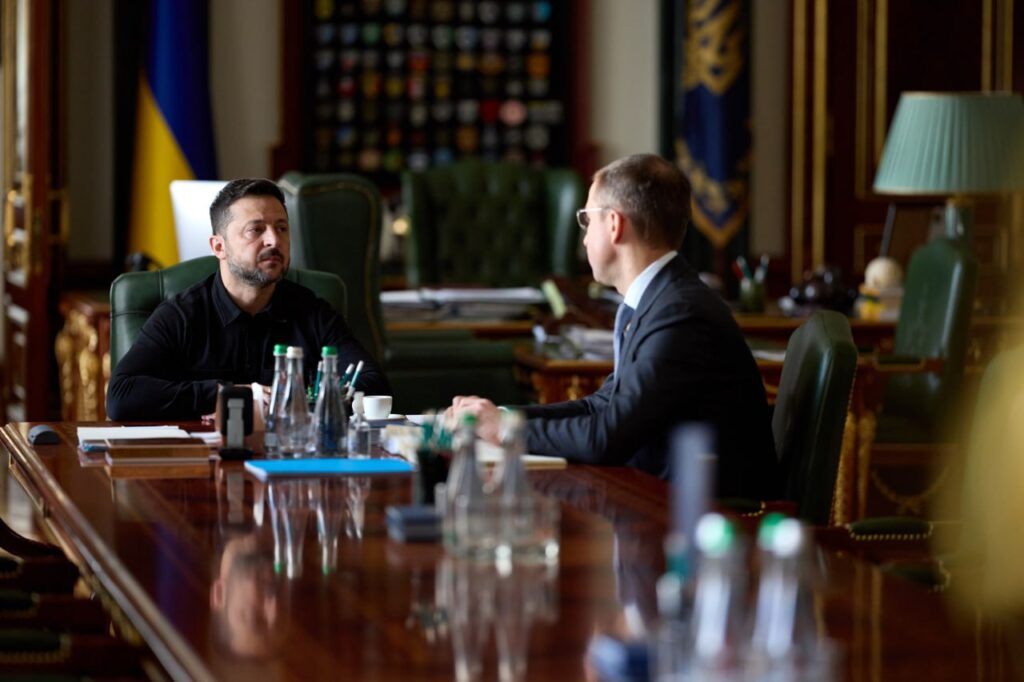
zelenskyy with koretskyi
President Volodymyr Zelenskyy with newly appointed Prime Minister Serhii Koretskyi. Photo: Zelenskyy / Telegram

On 16 July, Parliament appointed Naftogaz chief Serhii Koretskyi as prime minister with 289 votes, then approved his Cabinet as a package with 264 votes, leaving open the two seats the president alone nominates: defense and foreign affairs.

Much of the government stayed: Denys Shmyhal kept the energy portfolio as first deputy prime minister, and several deputy ministers moved up a chair.

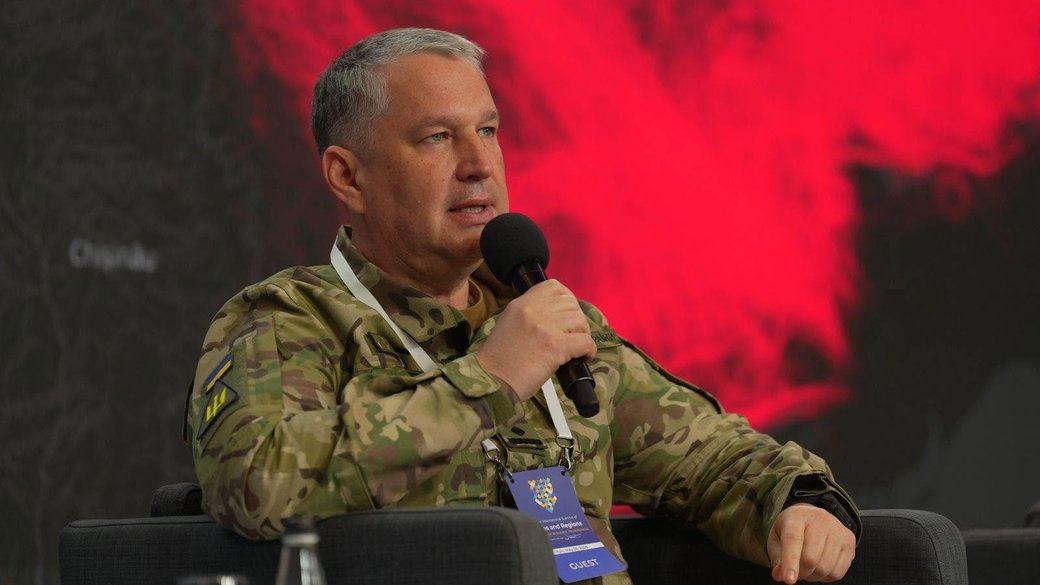
Deputy Air Force commander Pavlo Yelizarov resigned in protest.

Outside, “cardboard protests” spread to Kyiv and at least 16 other cities. Deputy Air Force commander Pavlo Yelizarov resigned in protest, warning that the firing and the blocking of Fedorov’s reforms “will cause numerous casualties and destruction of Ukraine.”
ukraine's deputy air force commander resigns moment fedorov loses ministry · post pavlo yelizarov павло єлізаров ukraine news ukrainian reports
Explore further

Ukraine’s deputy Air Force commander resigns the moment Fedorov loses the ministry

That evening, Zelenskyy did two things at once. He told the crowds they were right to protest even in wartime—then pressed ahead anyway, passing over both Fedorov and Interior Minister Ihor Klymenko, his own reported first choice for defense, to name special-operations commander Yevhenii Khmara acting defense minister.

Ukraine had a defense minister whom Parliament had not confirmed.

Klymenko did not stay at Interior either: the president moved him to run the National Security and Defense Council, and National Police chief Ivan Vyhivskyi took over Interior.

By 17 July, the demonstrations had entered a second day, and Ukraine had a defense minister whom Parliament had not confirmed.

The explanation the president gave

This time, Zelenskyy offered reasons. The reshuffle would refocus the government on energy resilience before another winter of Russian strikes and on EU accession—a logic under which Koretskyi, who ran Naftogaz through Russia’s campaign against the grid, is a defensible pick.

“Together we win, and together we bear responsibility for things that cause confusion and public resonance.”

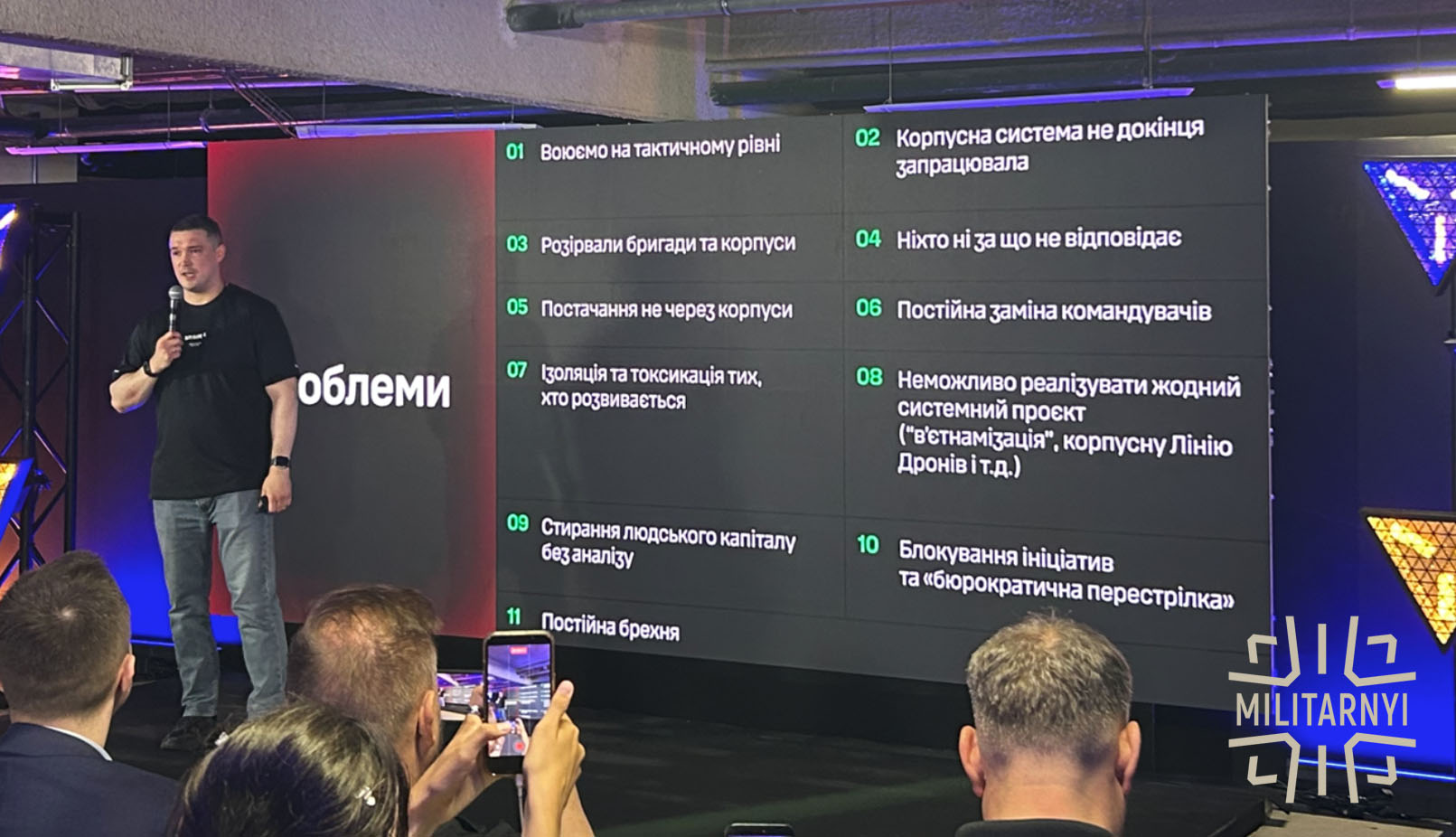
On Fedorov, the president pointed to a broken relationship between the Defense Ministry and the military command, said he could not choose between the minister and Commander-in-Chief Oleksandr Syrskyi, and refused to assign the blame to either side alone.

“Together we win, and together we bear responsibility for things that cause confusion and public resonance,” he said at a press conference with British Prime Minister Keir Starmer, adding that he still wanted Fedorov on the team.

In a documented conflict between a reforming minister and his commander-in-chief, the president resolved it by removing the minister mid-reform.

The stated reasons leave the central question standing. In a documented conflict between a reforming minister and his commander-in-chief—a conflict Fedorov himself has now described in detail—the president resolved it by removing the minister mid-reform, not the commander. Nothing in the public account says why that was the choice.
fedorov breaks silence ukraine's army chief syrskyi gave ultimatum—then blocked reforms · post mykhailo during briefing 16 2026 михайло федоров під час брифінгу липня року фото мілітарний ukraine news ukrainian
Explore further

Fedorov breaks his silence: Ukraine’s army chief Syrskyi gave him an ultimatum—then blocked his reforms
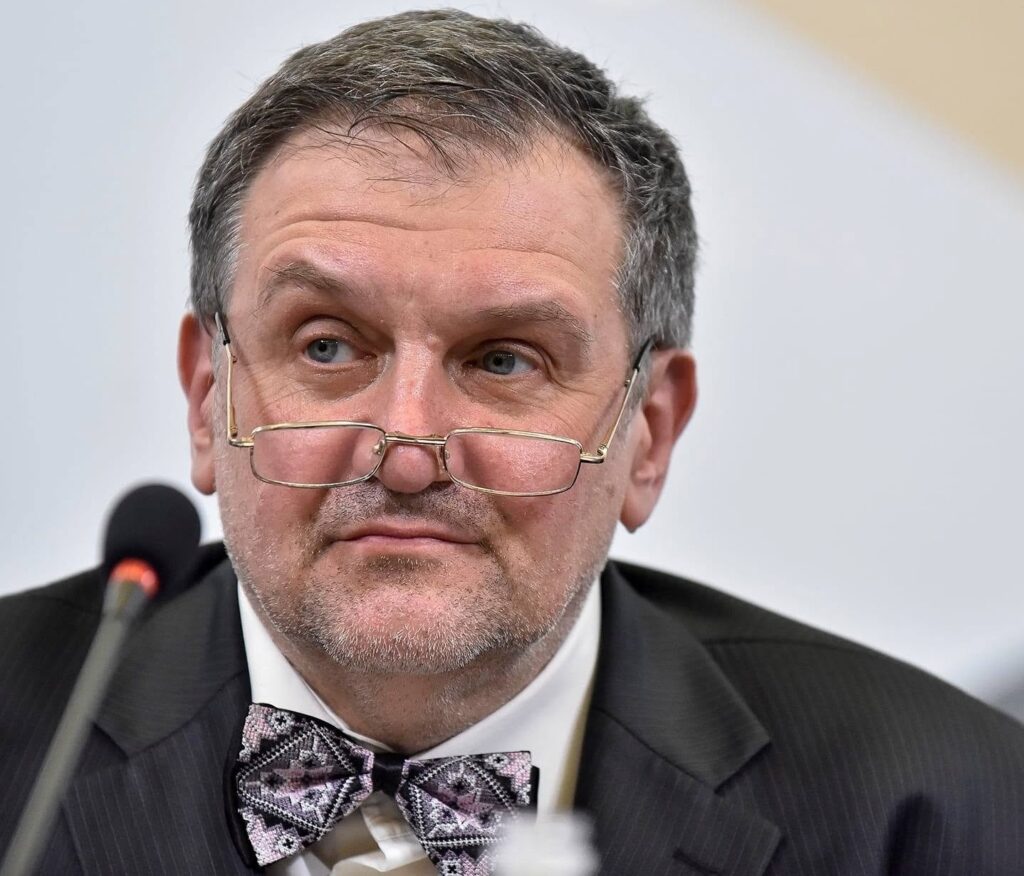
olexiy haran
Olexiy Haran, professor of comparative politics at Kyiv-Mohyla Academy and research director at the Ilko Kucheriv Democratic Initiatives Foundation. Photo: Olexiy Haran / Facebook

“It was about personal loyalty”

Oleksiy Haran, professor of comparative politics at the National University of Kyiv-Mohyla Academy and research director at the Ilko Kucheriv Democratic Initiatives Foundation, told Euromaidan Press the search for a policy rationale starts from the wrong end.

“Definitely, it was about personal loyalty.”

The problem is not this reshuffle, he argued, but where decisions get made: in the Office of the President, on Bankova Street—under Zelenskyy and, before his dismissal, under his chief of staff Andriy Yermak. “Definitely, it was about personal loyalty,” Haran said.

In his reading, this is a system Zelenskyy built and cannot imagine running any other way: the president “is not democratic in essence” and believes himself a “messianic leader”—a self-conception dented by early wartime failures, then restored by success.

Much of the Cabinet simply stayed or shuffled sideways.

Haran also punctured the “wholesale purge” framing that dominated the week’s commentary. Much of the Cabinet simply stayed or shuffled sideways. “They are just moving around,” he said. Zelenskyy speaks of a new political approach, Haran noted—“but what’s that approach about? I don’t see it.”

One appointment inside that Cabinet showed the deeper pattern. The Digital Transformation Ministry—the body that built the e-governance and digitized document app Diia and reorganized the state around it—appointed Oksana Ferchuk, the first person to lead it who was not part of Fedorov’s founding team.

As Ukrainska Pravda noted, the ministry’s reach had leaned less on its projects than on Fedorov’s political weight and his direct line to the president—a reach Fedorov himself credited to Zelenskyy’s backing.

Ukrainians’ distrust of state institutions is a long-run trend that predates Zelenskyy.

There is a deeper reading: that inner-circle rule is the inheritance of Soviet institutional distrust and the lawless 1990s, when only personal networks could be relied on. Haran is skeptical of the tidy version.

Many Soviet citizens believed the system’s promises of justice, he noted, and Ukrainians’ distrust of state institutions is a long-run trend that predates Zelenskyy rather than a trait he personally embodies. What the war changed, he added, is that trust rose toward the army, the security services, and the anti-corruption bodies.
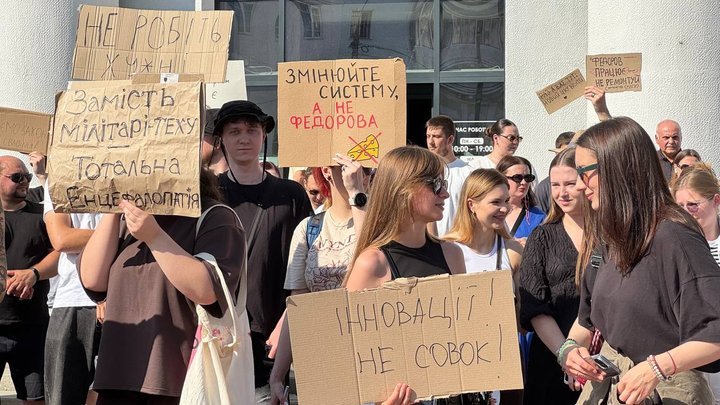
cardboard protests against zelenskyy's firing fedorov erupt across ukraine · post protesters voice stance government reshuffle rally khmelnytskyi 16 2026 signs read don't do dumb things instead military tech —
Protesters voice their stance on the government reshuffle at a rally in Khmelnytskyi, 16 July 2026. Signs read "Don't do dumb things," "Instead of military tech—total encephalopathy," "Change the system, not Fedorov," and "Innovation, not Soviet ways." Photo: Suspilne Khmelnytskyi

The other trust system

That is the half of the story that the protests made visible. Whatever its roots, personalized power is only one of Ukraine’s two working systems of trust—and this week they collided in the open.

Nearly every career politician on the list is distrusted by more people than trust them.

Polling shows how differently the two are priced. In the latest national survey by the Kyiv International Institute of Sociology, conducted in May, Fedorov’s trust rating climbed to 50% from 38% in January, and his trust-minus-distrust balance now edges slightly ahead of the president’s own, KIIS polling shows.

The figures Ukrainians trust most are military commanders and volunteers; nearly every career politician on the list is distrusted by more people than trust them. Svyrydenko, the dismissed prime minister, was trusted by 27%—and her removal drew not a single placard.
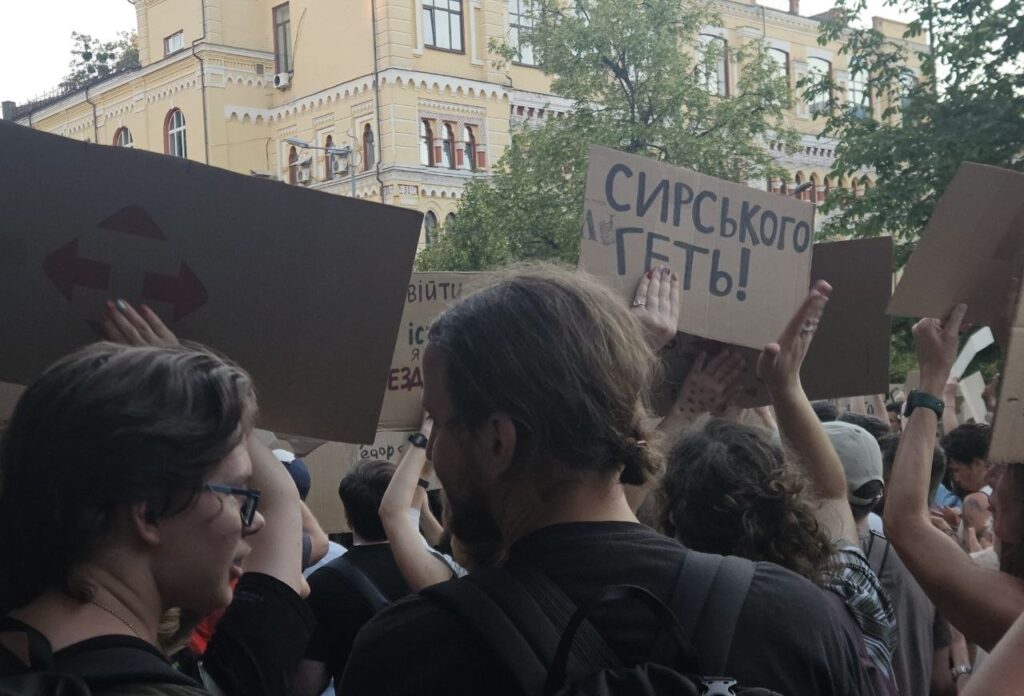
Protesters rally in central Kyiv on 17 July 2026 against the government reshuffle. One cardboard sign reads “Syrskyi out,” referring to Commander-in-Chief Oleksandr Syrskyi. Photo: Euromaidan Press

“The audit showed 300 billion in theft. They removed the auditor, not the thieves.”

Fedorov’s drew thousands. In Lviv, one cardboard sign read: “The audit showed 300 billion in theft. They removed the auditor, not the thieves.” The protesters were not demanding elections or the president’s resignation. They were defending one official on one record—open procurement, a drone industry, an audit—against a decision made without them.
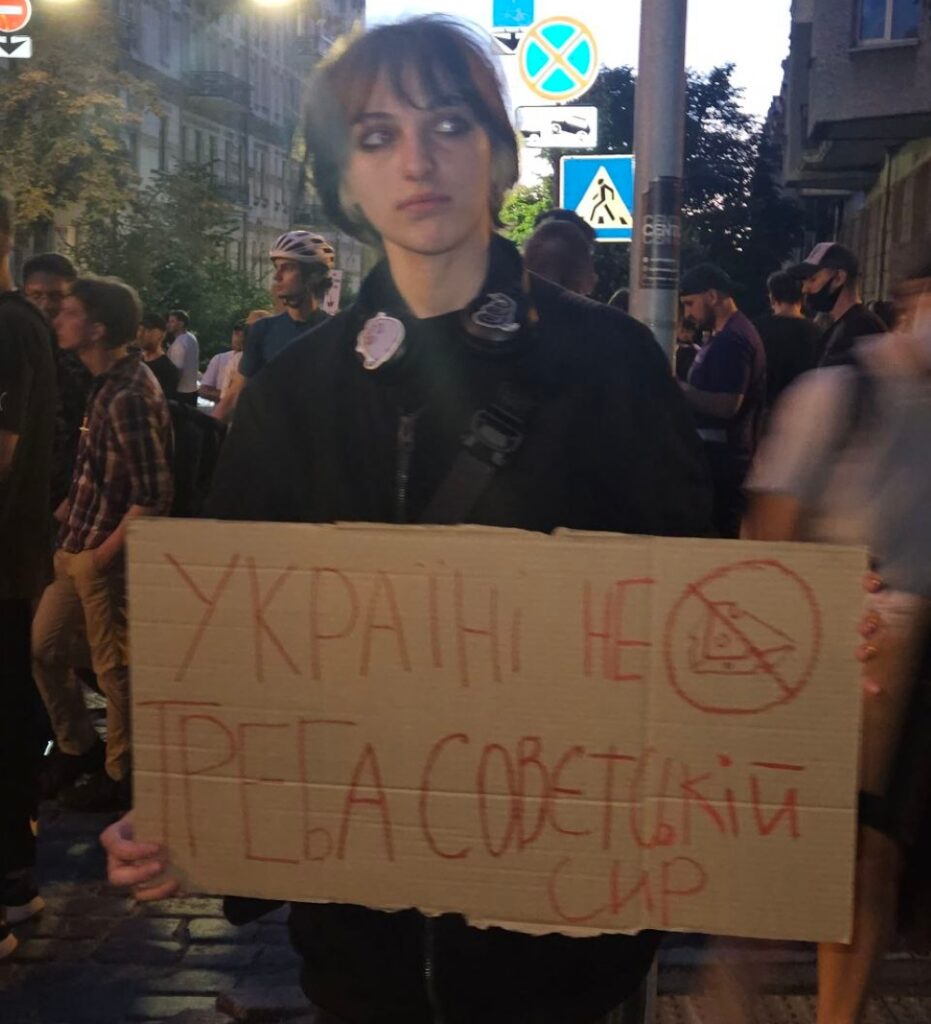
olena shandra protests in kyiv on 17 july 2026
Olena Shandra, 18, protests the government reshuffle in central Kyiv on 17 July 2026. Her sign reads "Ukraine does not need Soviet cheese"—a pun on Commander-in-Chief Oleksandr Syrskyi, whose surname contains the Ukrainian word for cheese, "syr." She is the daughter of Euromaidan Press EiC Alya Shandra and attended the protests independently. Photo: Euromaidan Press

Olena Shandra, 18, stood among them at a downtown Kyiv demonstration on 17 July and told Euromaidan Press what the week looked like from the square. She read it as a contest between “Soviet Ukraine and the new one”—and, for now, the Soviet one winning through Fedorov’s removal, the minister she saw as the one person in government “really wanting to introduce something new.” She had marched last July, too, against the law targeting the anti-corruption agencies.

The president “has overstayed,” but toppling him now would be “senseless and bad for Ukraine.”

Yet she drew a hard line at where the anger should stop: the president “has overstayed,” she said, but toppling him now would be “senseless and bad for Ukraine, because it plays into the hands of our main enemy—the one outside, waiting for exactly that moment.”

It is the same civic reflex that, last July, combined with a freeze on EU aid, forced Zelenskyy to reverse a law stripping the anti-corruption agencies of their independence within days.

Ukraine ends the week with a prime minister chosen for the winter, an acting defense minister awaiting a confirmation vote, a reform program running without its architects.

The president has acknowledged the crowds’ right to stand there. He has not, so far, moved for them. Ukraine ends the week with a prime minister chosen for the winter, an acting defense minister awaiting a confirmation vote, a reform program running without its architects—and, on the squares of 17 cities, a piece of cardboard that reads “Results take time.”
  • ✇Euromaidan Press
  • Ukraine’s government reshuffle followed the letter of the Constitution. But did it follow its spirit?
    Ukraine completed a wholesale government reshuffle in just four days, with every constitutional requirement observed—formally. But according to a leading Ukrainian constitutional expert, the sequence of events tells a different story. Instead of the parliament choosing a prime minister and the president acting on that decision, Volodymyr Zelenskyy appeared to settle the outcome. But according to a leading Ukrainian constitutional expert, the sequence of events tell
     

Ukraine’s government reshuffle followed the letter of the Constitution. But did it follow its spirit?

17 juillet 2026 à 10:14

andrii biletskyi, anti corruption-expert and administrative director of acrec

Ukraine completed a wholesale government reshuffle in just four days, with every constitutional requirement observed—formally. But according to a leading Ukrainian constitutional expert, the sequence of events tells a different story.

Instead of the parliament choosing a prime minister and the president acting on that decision, Volodymyr Zelenskyy appeared to settle the outcome.

But according to a leading Ukrainian constitutional expert, the sequence of events tells a different story. Instead of the parliament choosing a prime minister and the president acting on that decision, Volodymyr Zelenskyy appeared to settle the outcome first, leaving parliament to ratify what had already been decided.

“Politically, however, it looked as though the decision had already been made by the Presidential Office,” says Andrii Biletskyi, a lawyer and criminologist who serves as administrative director of the Anti-Corruption Research and Education Centre (ACREC) at the National University of Kyiv-Mohyla Academy.

It raises questions about transparency, constitutional practice, and the growing concentration of power in wartime Ukraine. And it could very well damage Ukraine’s international reputation.

fedorov, koretskyi, svyrydenko collage
Explore further

“They removed the auditor, not the thieves”: why Ukrainians are protesting Zelenskyy’s reshuffle

prime minister serhii koretskyi
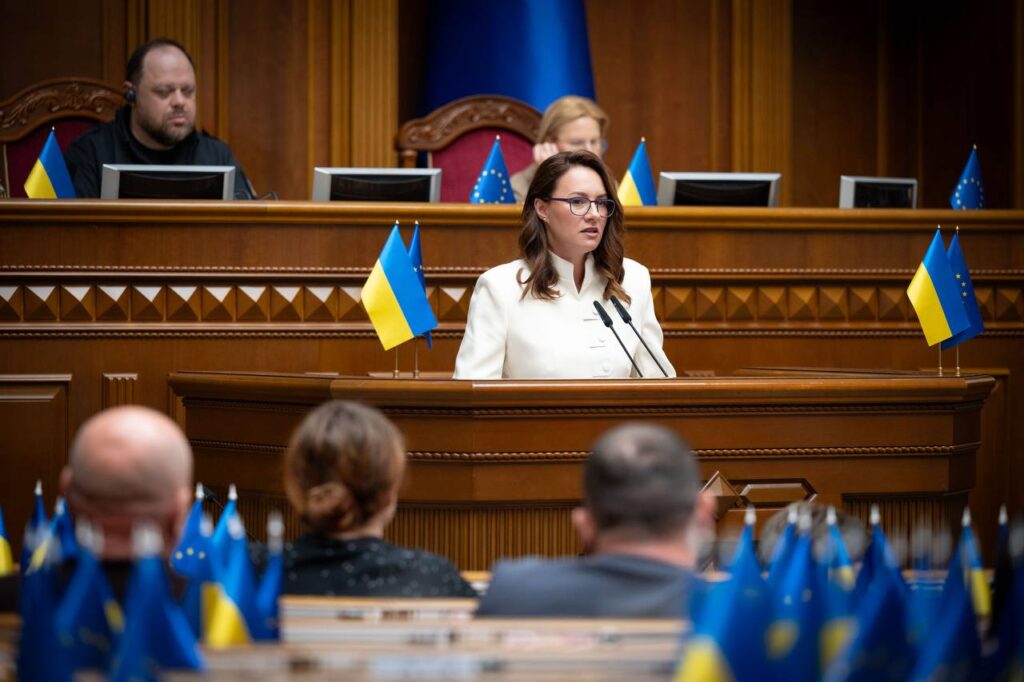
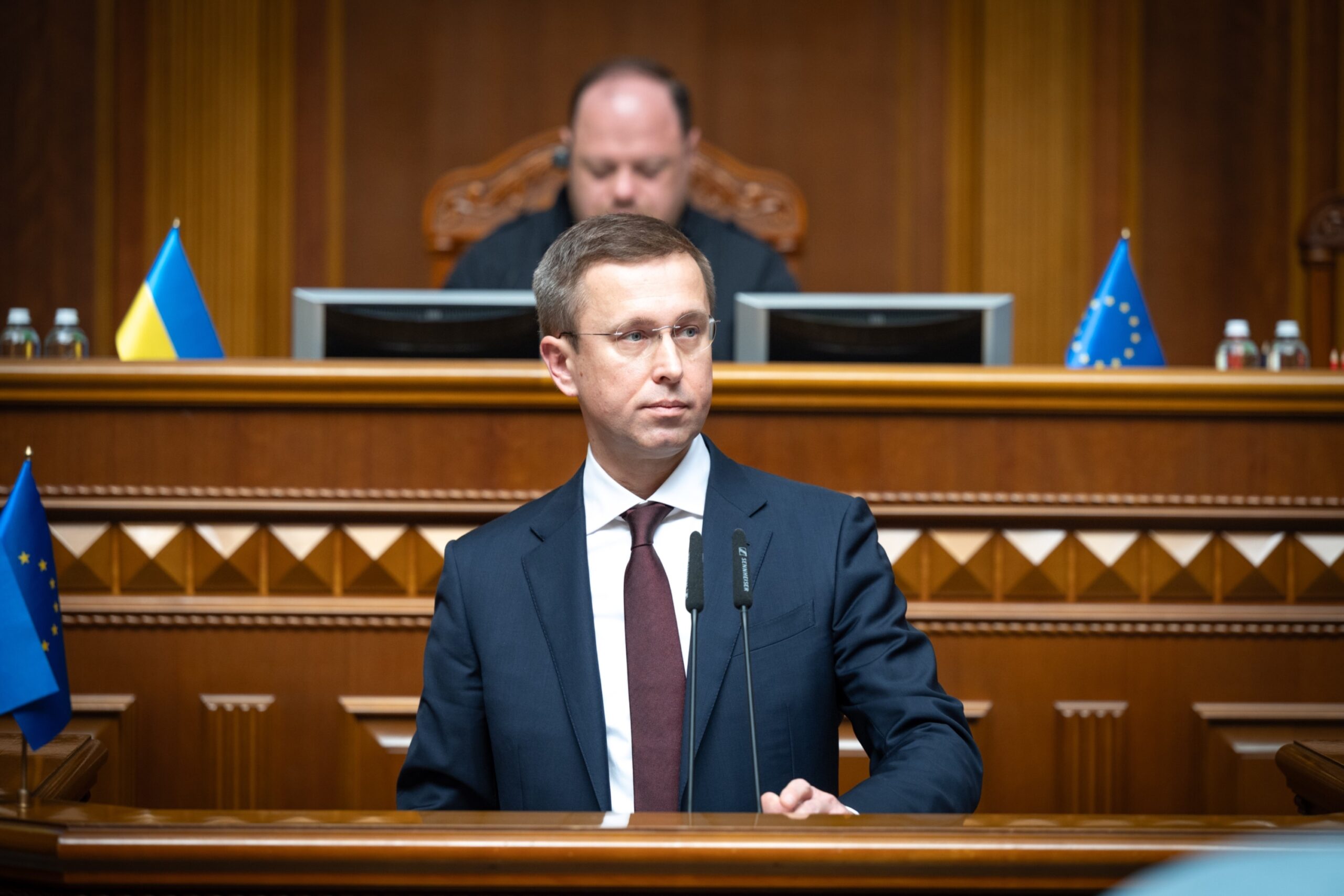
Newly appointed Prime Minister Serhii Koretskyi speaks from the parliament rostrum in Kyiv on 16 July 2026. Photo: Sergii Koretskyi/X

The sequence ran backward

On 12 July, Zelenskyy announced the government “reset”, and the same day, Prime Minister Yuliia Svyrydenko confirmed that she would step down. Parliament voted her out on 14 July, dissolving the entire Cabinet with her. On 15 July, the president told journalists that Serhii Koretskyi was “surely the most prepared candidate for the post of prime minister of Ukraine.”

Under Article 114 of the Constitution, parliament appoints the prime minister on the president’s submission.

The formal submission reached parliament the same day, registered as Draft Resolution No. 15414, its subject of legislative initiative listed as the President of Ukraine.

“Formally, the constitutional procedure was followed,” says Biletskyi.

Under Article 114 of the Constitution, parliament appoints the prime minister on the president’s submission, which should rest on a proposal from the parliamentary majority.

“Politically, it looked as though the decision had already been made by the Presidential Office.”

“However, in practice, the sequence of events looked different,” Biletskyi said in comments shared exclusively with Euromaidan Press. The president announced Svyrydenko’s departure—though formally her resignation should have been her own initiative—and publicly indicated Koretskyi’s name before the parliamentary majority had officially nominated him.

“Legally, parliament’s role was preserved because MPs still voted on the appointment. Politically, however, it looked as though the decision had already been made by the Presidential Office, while parliament simply confirmed it,” Biletskyi said.

A parliament that confirms rather than chooses

In Biletskyi’s assessment, “parliament’s role has become largely formal.” The Constitution assigns the Verkhovna Rada a central role in appointing and overseeing the government; in reality, he says, most key political decisions appear to be made by the president and the Presidential Office, with parliament approving them afterwards.

“The system of checks and balances works best when parliament acts independently rather than simply endorsing decisions that have already been made elsewhere.”

The war explains part of the concentration of power in the executive. Still, “the system of checks and balances works best when parliament acts independently rather than simply endorsing decisions that have already been made elsewhere.”

The pattern continued past the vote. Hours after the new Cabinet was approved on 16 July, Zelenskyy appointed Yevhenii Khmara, head of the Security Service of Ukraine (SBU), as acting defense minister, saying he would seek parliamentary approval afterward. Appointment first, ratification after.

yevhenii khmara
Explore further

Zelenskyy defends the right to protest and hands defense to his strike-war chief

That appointment carries a legal problem of its own, Biletskyi notes: Khmara is a serving military officer—a major general—while Ukraine’s Law on National Security requires the defense minister and his deputies to be civilians. A serving soldier or security service officer must leave active service before he can be formally appointed.

“Once the necessary legal procedures have been observed, I will turn to parliamentarians for support.”

Parliament, meanwhile, has dispersed until 18 August, MP Yaroslav Zhelezniak wrote on Telegram. Zelenskyy appeared to acknowledge the hurdle himself: “Once the necessary legal procedures have been observed, I will turn to parliamentarians for support of Yevhenii Khmara for the post of Minister of Defense of Ukraine,” he said in a statement. Until then, Ukraine’s Defense Ministry is run by a man the law does not yet permit to run it.

yuliia svyrydenko in verkhovna rada on 14 july 2026
Prime Minister Yuliia Svyrydenko addresses the Verkhovna Rada before the vote on her dismissal, 14 July 2026. Photo: Svyrydenko/Telegram

What martial law allows

No rule bars replacing a government in wartime, Biletskyi says. Article 10 of Ukraine’s law on the legal regime of martial law states that the Cabinet’s powers may not be terminated while martial law is in force. But the provision reads together with Article 115 of the Constitution, which expressly allows the prime minister to resign, and provides that the resignation brings down the entire Cabinet.

The outgoing government must then keep working until the new one starts. That is what happened: Svyrydenko’s ministers stayed on in acting capacity until the 16 July votes.

What the EU can and cannot do

The EU cannot tell Ukraine who should be prime minister or how its government should be formed—“those are decisions for Ukraine’s constitutional institutions,” Biletskyi says. But Brussels does expect “candidate countries to have strong democratic institutions and an effective system of checks and balances.”

“The biggest consequences are likely to be reputational.”

“When major political decisions are made without a clear public explanation, it raises questions about transparency and the concentration of power,” he said. The EU has few practical tools to intervene in what is essentially an internal political matter: “The biggest consequences are likely to be reputational. A government reshuffle without a convincing public explanation can undermine trust, both inside Ukraine and among its European partners.”

The dismissal of Defense Minister Mykhailo Fedorov, folded into the same Cabinet dissolution, drew thousands of protesters into the streets.

The explanation gap remains open. Zelenskyy tied the change to winter preparation and an updated political strategy; government sources told Suspilne the president was satisfied with Svyrydenko’s work and had no complaints. The dismissal of Defense Minister Mykhailo Fedorov, folded into the same Cabinet dissolution, drew thousands of protesters into the streets of Kyiv, Kharkiv, Odesa, Lviv, and other cities.

Everyone expected Klymenko as Ukraine’s next defense minister. Zelenskyy offers him different job amid mass protests across Ukraine

17 juillet 2026 à 09:39

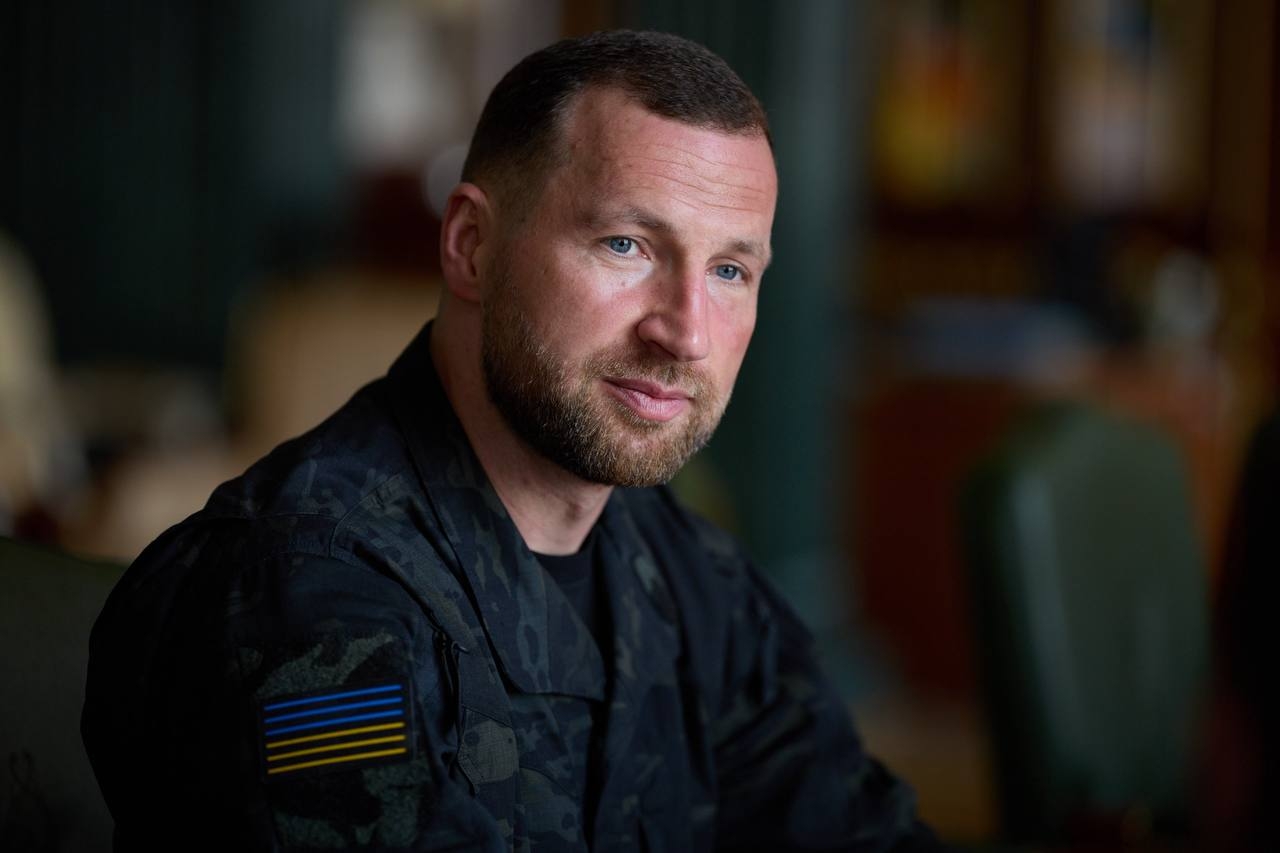
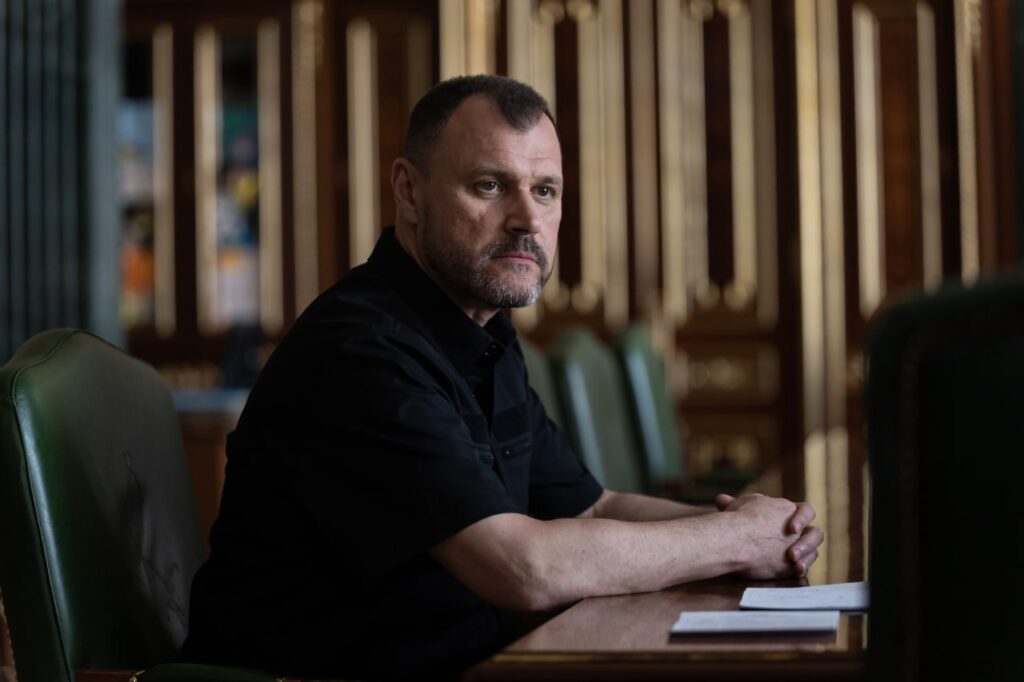
The image shows Ukrainian outgoing Interior Minister Ihor Klymenko. Source: Zelenskyy

Ukrainian President Volodymyr Zelenskyy has proposed a different job for Ihor Klymenko than everyone expected. He offered the outgoing interior minister the post of secretary of the National Security and Defense Council (NSDC), and said the decree appointing him is being prepared.

For days, Klymenko was the name attached to a different chair. Several lawmakers from Zelenskyy's party told Reuters that the president would propose Klymenko as defense minister to replace Mykhailo Fedorov, according to US Today.

“Cardboard” protests against Zelenskyy’s firing of Fedorov erupt across Ukraine

The decision could have been changed amid mass protests against the resignation across entire Ukrainian cities.

The NSDC secretaryship is what he got instead, which means Ukraine's most-tipped defense minister candidate was moved sideways as the reshuffle closed. Klymenko had led the Interior Ministry since February 2023, taking over after his predecessor Denys Monastyrsky, who died in a helicopter crash in Kyiv Oblast.

Zelenskyy frames job as enforcement

Zelenskyy said he met with Klymenko and thanked him for his work in the Interior Ministry system.

"There were many difficult challenges, and the response was always effective. Ihor Klymenko will continue to work for Ukraine in the sphere of defending our state and people," he said.

The president defined the NSDC's role in terms of follow-through. The main task, he said, is the most effective possible coordination among all parts of the security and defense sector, as well as daily oversight of decision implementation. 

"Every decision of the NSDC of Ukraine and of the Staff of the Supreme Commander-in-Chief must be fulfilled in full and on time," Zelenskyy added.

He named coordination of defense production as a separate priority.

Reshuffle rebuilt top of government in fortnight

Klymenko is expected to take the security council seat at a moment when the government around it has been almost entirely remade. A new prime minister, a departing defense minister, and now a new NSDC secretary have all arrived in the same reshuffle.

It is happening itself when Ukraine is trying to scale weapons production, hold together a ballistic-missile campaign, and stand up an anti-ballistic coalition at once.

❌