Vue normale

  • ✇The Kyiv Independent
  • European companies shipping critical missile parts to Russia, Zelensky tells EU
    European firms continue to ship critical weapons components to Russia, President Volodymyr Zelensky told the European Council on June 26 in a plea for tougher EU sanctions against Moscow. "Some European companies are still sending critical components to Russia. These end up in missiles and other weapons used to kill us, kill Ukrainians," Zelensky said in a video address to the European Council summit in Brussels. Ukraine is in the process of identifying these materials and will pass along eviden
     

European companies shipping critical missile parts to Russia, Zelensky tells EU

26 juin 2025 à 19:55
European companies shipping critical missile parts to Russia, Zelensky tells EU

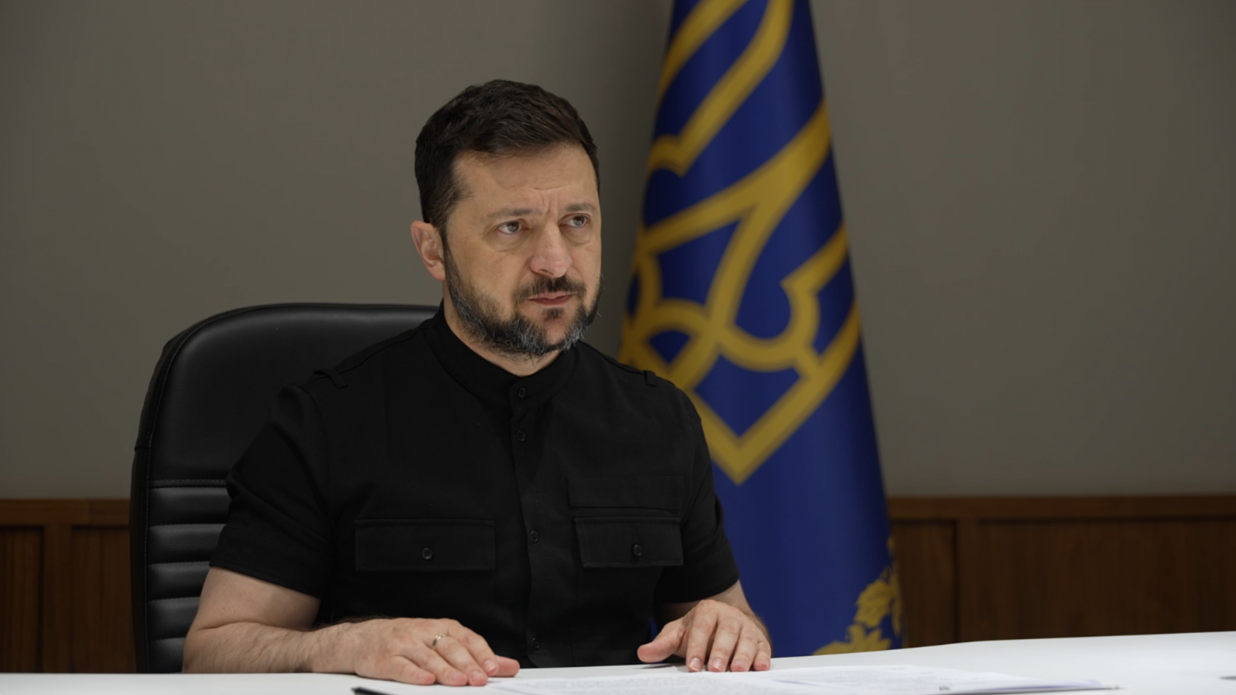
European firms continue to ship critical weapons components to Russia, President Volodymyr Zelensky told the European Council on June 26 in a plea for tougher EU sanctions against Moscow.

"Some European companies are still sending critical components to Russia. These end up in missiles and other weapons used to kill us, kill Ukrainians," Zelensky said in a video address to the European Council summit in Brussels.

Ukraine is in the process of identifying these materials and will pass along evidence to EU officials, he said.

Zelensky's remarks were part of a broader appeal for the EU to expand and strengthen economic penalties on Russia. While the bloc reached an agreement in Brussels to extend current sectoral sanctions for another six months, it is still debating its proposed 18th package of sanctions against Russia.

Zelensky urged the EU to pass "a truly strong" 18th package, targeting "Russia's oil trade, its shadow tanker fleet, Russian banks and other financial instruments, and the supply chains that bring equipment or parts for making weapons."

The sanctions should not only penalize Russia's so-called "shadow fleet" vessels, but also the tankers' captains and the ports Russia uses to export oil, Zelensky said.

The president also reiterated his call to drop the current oil price cap to $30 per barrel.

"Russia's military ambitions grow when its oil revenues are high," he said.

Several European countries still rely heavily on Russian oil and gas, Zelensky pointed out. Ukraine understands the complexities of this situation and treads carefully in order to respect its partnership with the EU.

"Yet, sadly, we don't always feel this same understanding in return when it comes to Ukraine's needs," Zelensky said.

"It feels especially strange to hear such strong criticism — even political pressure from some  leaders — while our respect for EU rules allows oil to keep flowing."

While Zelensky did not specify any particular EU leaders, Slovak Prime Minister Robert Fico in June threatened to veto the 18th sanctions package, citing concerns over Slovakia's reliance on Russia's energy imports. Fico has emerged as one of the EU's strongest supporters of Russia, alongside Hungarian Prime Minister Viktor Orban.

Orban took aim against Kyiv at the Brussels summit by blocking a unanimous statement of support for Ukraine's accession to the EU. All 26 other member states supported the statement, while Hungary was the sole opponent.

In his address to the Council, Zelensky urged the EU to send a clear signal of support for Ukraine's European path. Ukraine has fulfilled its obligations in the accession process, the president argued, and deserves recognition of its progress.

"Any delay by Europe at this point could create a global precedent and a reason to doubt Europe's words and commitments," he said.

Putin under pressure to declare war on Ukraine, but experts say Russia isn’t ready
Despite suffering over 1 million casualties, pounding Ukrainian cities nightly with missiles and drones, and committing countless war crimes, one startling fact about Russia’s full-scale invasion remains — Moscow has yet to officially declare war on Ukraine. In February 2022, Russian President Vladimir Putin described what he believed was going to be a swift victory and the capture of Kyiv within days as a “special military operation.” Nearly three-and-a-half years later, the Kremlin is stuck
European companies shipping critical missile parts to Russia, Zelensky tells EUThe Kyiv IndependentChris York
European companies shipping critical missile parts to Russia, Zelensky tells EU

  • ✇The Kyiv Independent
  • EU agrees to extend sanctions against Russia for 6 months
    Editor's Note: This is a developing story and is being updated. The European Union on June 26 reached an agreement to extend sanctions against Russia for another six months, an undisclosed EU official told the Kyiv Independent. Polish Prime Minister Donald Tusk confirmed the agreement shortly afterwards in a joint press conference alongside European Commission President Ursula von der Leyen and European Council President Antonio Costa at the EU summit in Brussels. The EU made the decision on Jun
     

EU agrees to extend sanctions against Russia for 6 months

26 juin 2025 à 17:41
EU agrees to extend sanctions against Russia for 6 months

Editor's Note: This is a developing story and is being updated.

The European Union on June 26 reached an agreement to extend sanctions against Russia for another six months, an undisclosed EU official told the Kyiv Independent.

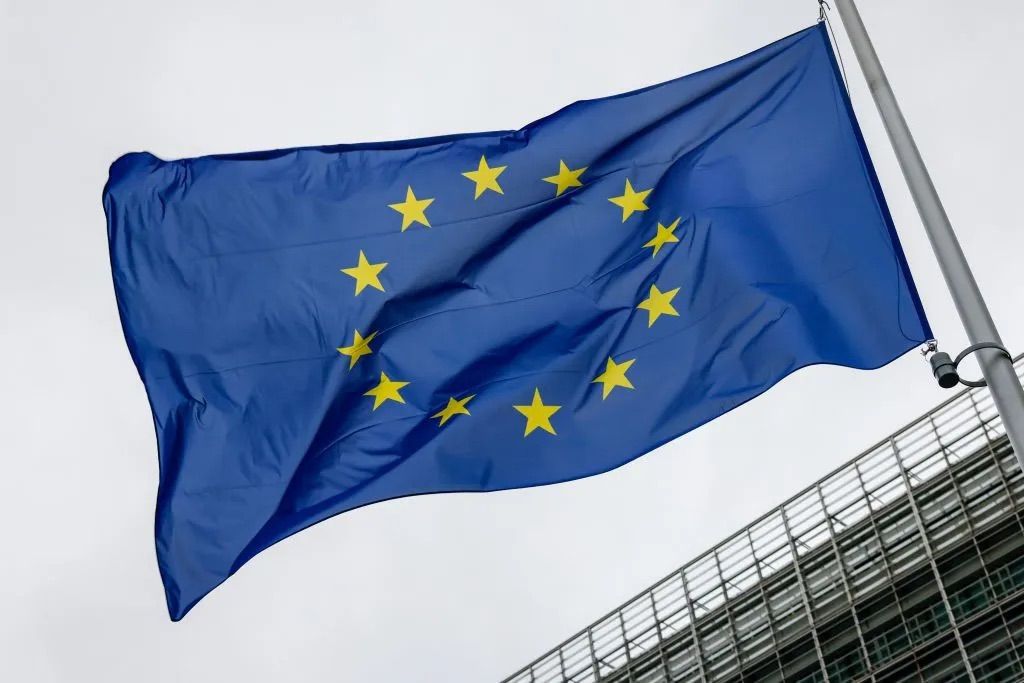
Polish Prime Minister Donald Tusk confirmed the agreement shortly afterwards in a joint press conference alongside European Commission President Ursula von der Leyen and European Council President Antonio Costa at the EU summit in Brussels.

The EU made the decision on June 26 to extend its current sanctions against Russia for six more months, Tusk said.

"We still have a decision about the 18th sanctions package ahead of us," he added.

The EU votes to renew its sectoral sanctions against Russia every six months in January and July. Sanctions encompass a broad array of economic areas, including restrictions on trade, finance, technology and dual-use goods, industry, transport, and luxury goods.

The latest agreement comes amid fears that Hungary, one of the bloc's most Kremlin-friendly member states, would attempt to block the extension. Hungary has repeatedly threatened to use its veto power to obstruct the sanctions process.

The European bloc first adopted sanctions related to Russian aggression on July 31, 2014, after Moscow occupied Crimea and invaded Ukraine's eastern Donbas region. The EU has significantly scaled up its sanctions measures in the wake of the full-scale invasion, adopting 17 major sanctions packages since February 2022.

The EU on June 10 unveiled its 18th package of sanctions against Russia, expanding current measures to include new restrictions on energy, banking, oil, and other sectors. The initial proposal included banning transactions involving the Nord Stream 1 and Nord Stream 2 pipelines and reducing the oil price cap from $60 to $45 per barrel.

Soon after the package was announced, however, the EU reportedly postponed the effort to reduce the oil price cap.

The 18th round of sanctions is currently under debate. Slovak Prime Minister Robert Fico, another Moscow-friendly European leader, has threatened to veto the package. Slovakia has not previously attempted to block EU sanctions against Russia.

Ukraine war latest: Russia’s advance in Sumy Oblast ‘halted’; Kyiv, Moscow carry out POW swap
Key developments on June 26: * “50,000 Russian troops pinned down” — Ukraine halts advance in Sumy Oblast, summer offensive “faltering,” Syrskyi says * Ukraine, Russia conduct new POW swap under Istanbul deal * North Korea likely to send more troops to Russia by August, South Korea says * Explosions reported in Moscow, Russia
EU agrees to extend sanctions against Russia for 6 monthsThe Kyiv IndependentThe Kyiv Independent news desk
EU agrees to extend sanctions against Russia for 6 months
❌