Vue normale

  • ✇The Kyiv Independent
  • Ukraine destroys 80% of Russian drones despite air defense missile shortage, Syrskyi says
    Ukraine is downing approximately 82% of Russian Shahed-type drones during Russian massive aerial attacks on Ukrainian cities despite a serious shortage of surface-to-air missiles, Commander-in-Chief Oleksandr Syrskyi told journalists on June 21.Ukraine needs to have many times more surface-to-air missiles and anti-aircraft missile systems to ensure reliable defense of cities and critical infrastructure facilities, Syrskyi said at a briefing attended by the Kyiv Independent.Russian attacks agains
     

Ukraine destroys 80% of Russian drones despite air defense missile shortage, Syrskyi says

22 juin 2025 à 06:14
Ukraine destroys 80% of Russian drones despite air defense missile shortage, Syrskyi says

Ukraine is downing approximately 82% of Russian Shahed-type drones during Russian massive aerial attacks on Ukrainian cities despite a serious shortage of surface-to-air missiles, Commander-in-Chief Oleksandr Syrskyi told journalists on June 21.

Ukraine needs to have many times more surface-to-air missiles and anti-aircraft missile systems to ensure reliable defense of cities and critical infrastructure facilities, Syrskyi said at a briefing attended by the Kyiv Independent.

Russian attacks against Ukraine have surged in May and June as Moscow has launched several record-breaking mass strikes against Kyiv and other cities. The latest attack on June 17, primarily targeting the capital, killed 30 people and injured over 170.

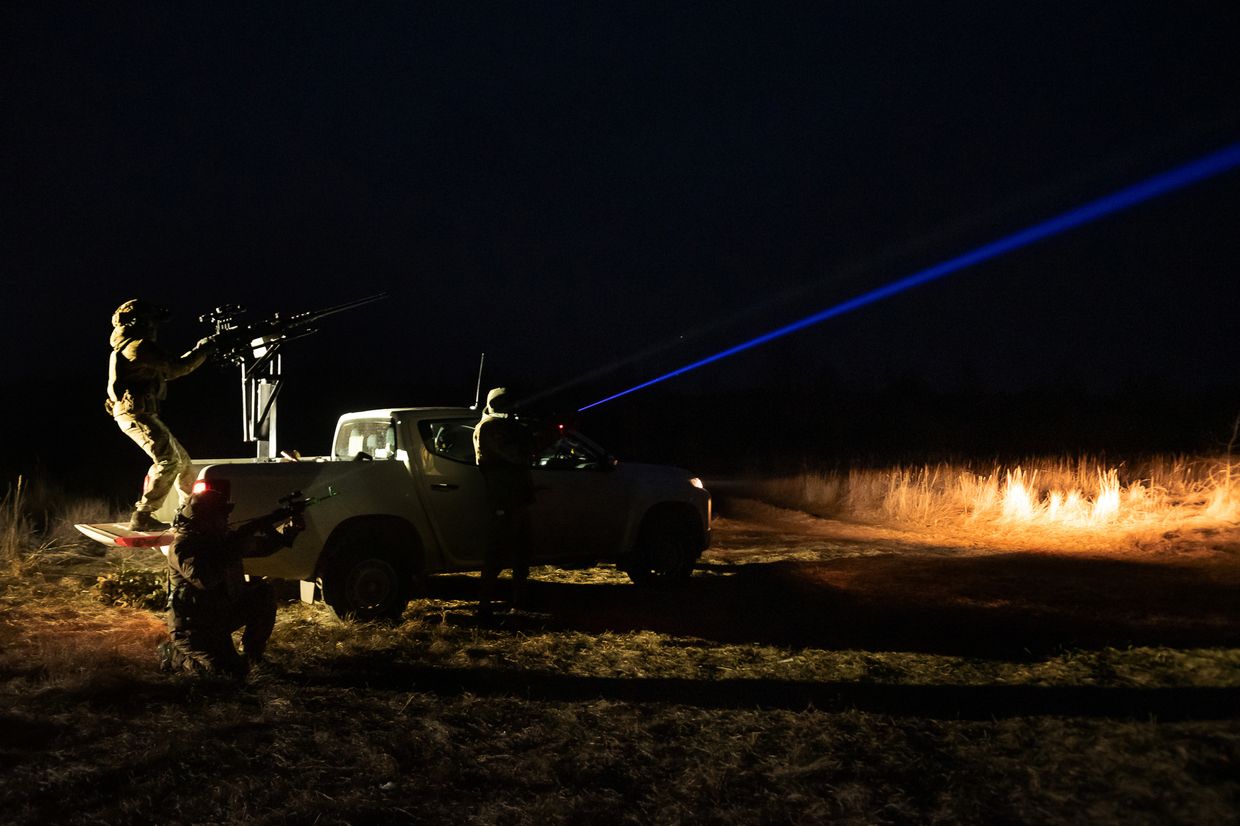
"Since we have to save anti-aircraft guided missiles, mobile fire groups are the priority for defending from the Shaheds," Syrskyi said.

Despite Russia's changing tactics of massive air attacks, mobile fire groups account for the largest share of destroyed drones. The fire groups' effectiveness is up to 40%, according to Syrskyi.

Aviation is used almost every night to repel Russian air attacks, featuring the Defense Forces' helicopter crews and fighter aircraft of the Air Force, which includes U.S.-made F-16 and French Mirage-2000 aircraft.

"One promising area in countering Shaheds is the use of light aircraft," Syrskyi said, adding that "there are new projects thanks to financial and material assistance from our foreign partners."

"We are receiving modern light aircraft, which have modern weapons and navigation, which will increase the effectiveness in countering Russian strike drones."

Syrskyi stressed that "cooperation with partners, primarily Canadian ones, enables us to obtain modern surveillance and targeting systems that enhance the combat capabilities of our helicopters."

Regular Air Force reports show that the majority of Russian drones are intercepted during overnight attacks, some by air defenses and others by electronic warfare systems. However, these reports do not always clarify how many of the intercepted drones were actual attack drones and which were only decoys launched to overwhelm air defenses.

Ukraine works to develop other means of protection against Russian air raids in the non-front-line oblasts as it scales up the use of interceptor drones.

Syrskyi said that over five types of interceptor drones have been cleared for use in the army, and new units are being formed and taught to operate them. Some of these Air Force units have already downed dozens of Russian Shaheds, according to Syrskyi.

The effective use of interceptor drones is hindered by the lack of tactical radar systems in Ukraine, such as Israel-made radars by RADA Electronic Industries and their analogues.

Syrskyi said the Ukrainian army needs hundreds of tactical radar systems instead of the few currently in service for radar reconnaissance, which is key to the use of interceptor drones.

Russia pulls its scientists out of Iranian nuclear plant, as Israeli strikes threaten decades of collaboration
Israel’s strikes on Iranian nuclear facilities have alarmed none more than Russia, the country that first brought nuclear power to Iran in defiance of Western objections. We’re “millimeters from catastrophe,” said Kremlin spokeswoman Maria Zakharova on June 18 in response to a bombing campaign that Israel launched against
Ukraine destroys 80% of Russian drones despite air defense missile shortage, Syrskyi saysThe Kyiv IndependentKollen Post
Ukraine destroys 80% of Russian drones despite air defense missile shortage, Syrskyi says
  • ✇The Kyiv Independent
  • Ukraine's deep strikes cost Russia over $10 billion this year, Syrskyi says
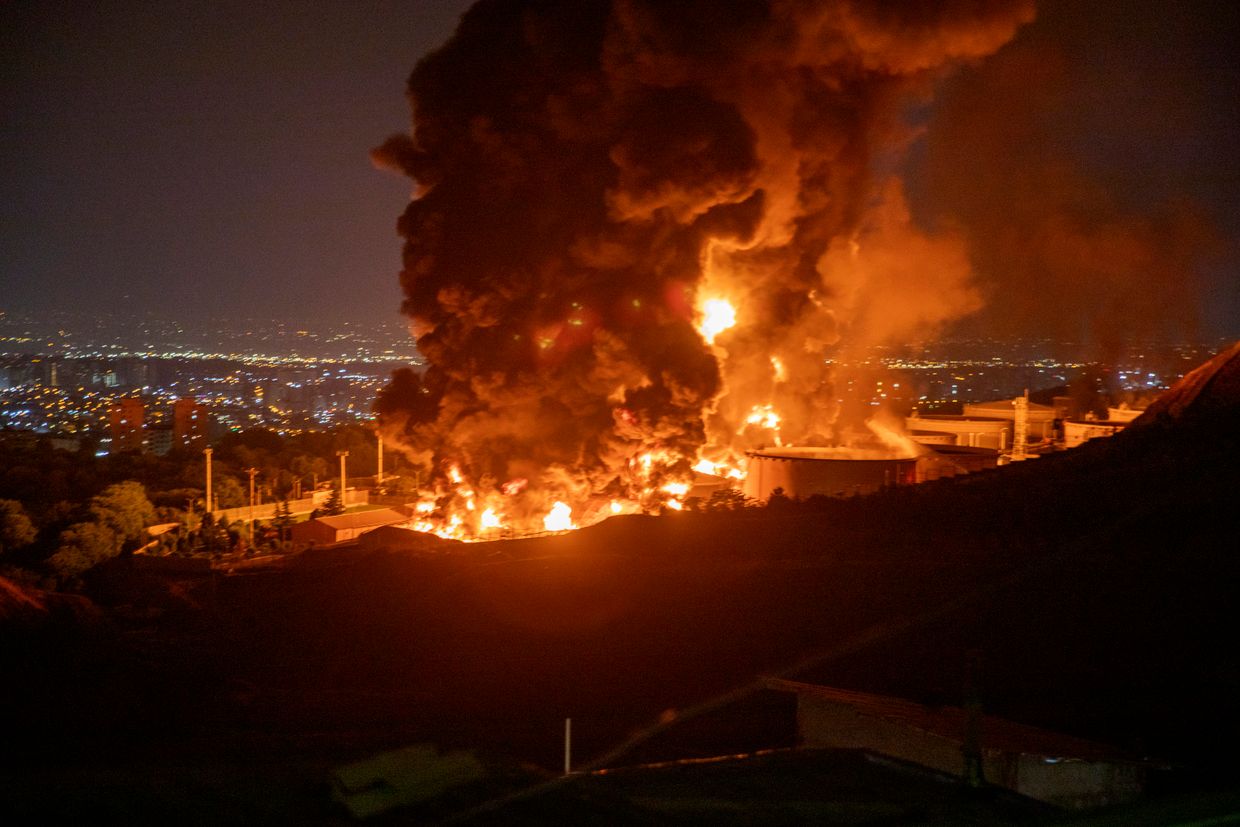
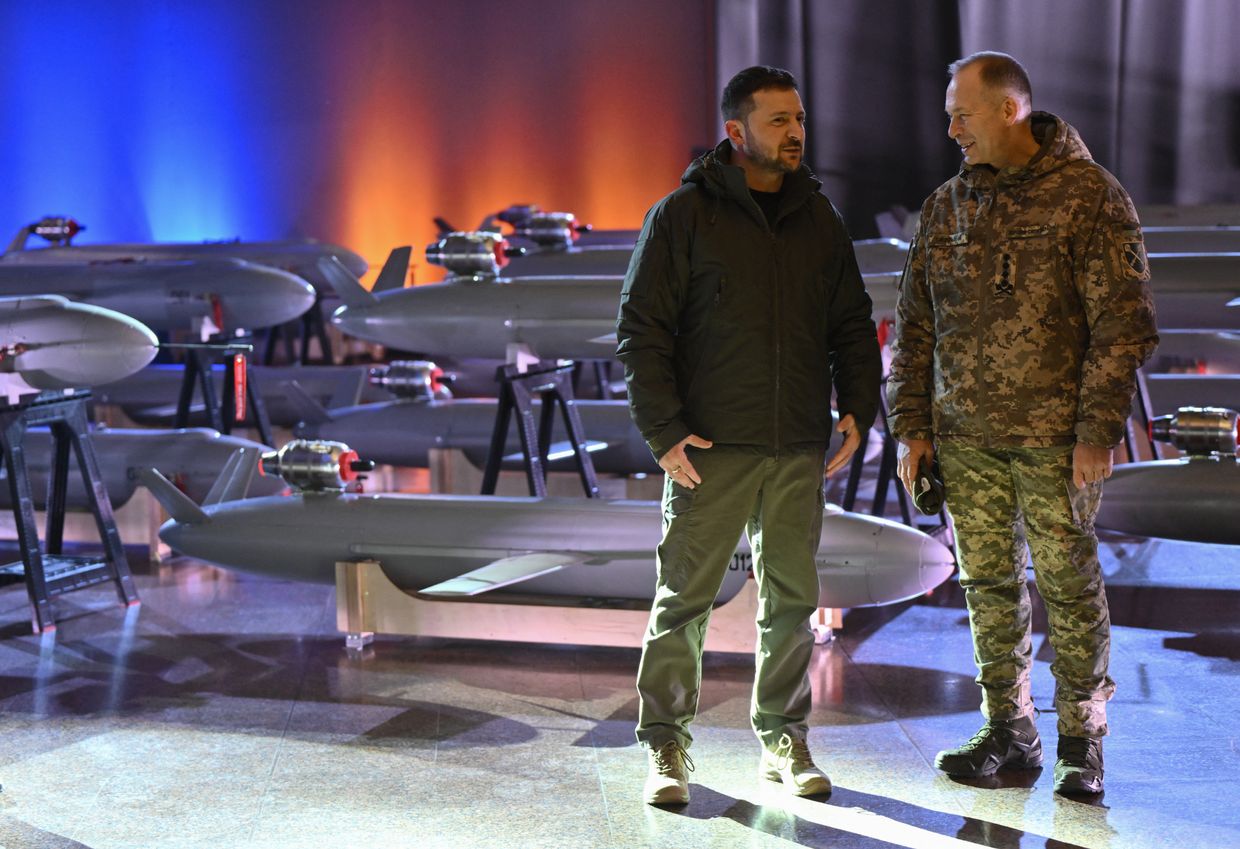
    Ukrainian strikes deep inside Russian territory between January and May have cost Russia over $10 billion, including $1.3 billion in direct damage to industrial facilities and infrastructure, Commander-in-Chief Oleksandr Syrskyi told journalists on June 21. The indirect damage caused by the disruption of Russian industrial activities is estimated at $9.5 billion, putting the cost-to-result ratio of Ukrainian deep strikes at 1:15, Syrskyi said at a briefing attended by the Kyiv Independent.Kyiv h
     

Ukraine's deep strikes cost Russia over $10 billion this year, Syrskyi says

22 juin 2025 à 03:30
Ukraine's deep strikes cost Russia over $10 billion this year, Syrskyi says

Ukrainian strikes deep inside Russian territory between January and May have cost Russia over $10 billion, including $1.3 billion in direct damage to industrial facilities and infrastructure, Commander-in-Chief Oleksandr Syrskyi told journalists on June 21.

The indirect damage caused by the disruption of Russian industrial activities is estimated at $9.5 billion, putting the cost-to-result ratio of Ukrainian deep strikes at 1:15, Syrskyi said at a briefing attended by the Kyiv Independent.

Kyiv has ramped up drone attacks against Russian military and industrial sites far behind the border as part of its DeepStrike strategy, seeking to undermine Moscow's ability to wage war.

The attacks targeted Russia's oil refining sector, the fuel and lubricants facilities, energy and transport support, and strategic lines of communication.

"Remember that during negotiations, the Russian side listed a halt to strikes against the oil refining industry as one of the conditions. This shows that our strikes are truly effective," Syrskyi said.

Oil and gas exports are among Russia's key revenue sources and play a crucial role in sustaining its war effort.

"Of course, we will continue (attacking deep inside Russian territory). We will increase the scale and the depth," the commander added, stressing that the attacks target solely military facilities.

Ukraine has increased the production of long-range drones with the support of Western partners and developed new tactics in striking Russia behind the lines.

In one of the most audacious attacks, the Security Service of Ukraine (SBU) on June 1 struck dozens of Russian bombers and other aircraft across four different air bases in an operation dubbed Spiderweb. SBU drones were smuggled to Russia in trucks and then deployed to attack airfields thousands of kilometers from the Russia-Ukraine border.

Russia ‘afraid to admit’ scale of losses, trying to hide by dumping soldiers’ bodies on Ukraine, Zelensky says
Ukrainian authorities have confirmed that at least 20 of the bodies Russia returned as Ukrainian were actually Russian soldiers, President Volodymyr Zelensky said.
Ukraine's deep strikes cost Russia over $10 billion this year, Syrskyi saysThe Kyiv IndependentTim Zadorozhnyy
Ukraine's deep strikes cost Russia over $10 billion this year, Syrskyi says
❌