❌

Vue normale

  • ✇Euromaidan Press
  • One Ukraine out-produced third of EU’s steel. Russian strikes have now cut its output to zero
    Ukraine produced no steel at all last month, Oleksandr Kalenkov, president of the steelmakers’ association Ukrmetalurhprom, says, according to Ukrainian Radio. Russian missiles have destroyed the blast furnaces at its plants, stopping an industry that ran for more than 150 years. At its peak, Ukraine smelted more than 42 million tons of steel a year, more than a third of what the entire EU produced last year. Before the full-scale invasion, steel and mining earned over a third of Ukrain
     

One Ukraine out-produced third of EU’s steel. Russian strikes have now cut its output to zero

16 octobre 2026 à 05:55

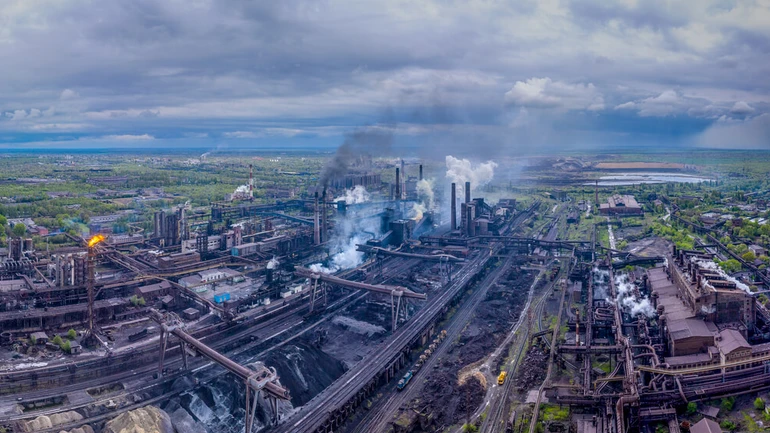
Ukraine produced no steel at all last month, Oleksandr Kalenkov, president of the steelmakers’ association Ukrmetalurhprom, says, according to Ukrainian Radio. Russian missiles have destroyed the blast furnaces at its plants, stopping an industry that ran for more than 150 years.

At its peak, Ukraine smelted more than 42 million tons of steel a year, more than a third of what the entire EU produced last year. Before the full-scale invasion, steel and mining earned over a third of Ukraine’s exports and up to 12% of GDP. With the furnaces down, the country now risks losing billions of euros in export earnings, tax revenue, and thousands of jobs, Kalenkov warns.

“What is happening now is not just a hard or critical situation. It is a tragic situation when an industry more than 150 years old produced zero steel last month,” Kalenkov says.

The collapse is the end of a long descent. Output fell from more than 40 million tons to 22 to 23 million after 2014, and to 7.5 million last year, Kalenkov says. Fifteen years ago, the sector earned half the country’s foreign currency.

Steel remains Ukraine’s second-largest foreign-currency earner, employing more than 70,000 people directly and paying close to $1 billion a year in taxes.

A pillar knocked out piece by piece since 2014

The war has chipped at the industry for more than a decade. Ukraine lost about a third of its capacity after 2014, along with almost all its coking-coal mines. It later lost the last one, the Pokrovske mine, too. In 2022 it lost the Mariupol production site, more than 40% of what Ukraine then made, he recalls.

Even the plants left on government-controlled land have worked in survival mode since.

In 2021, the last year before the invasion, the mining and metals complex still accounted for more than a third of all exports and accounted for up to 12% of GDP, rising above 40% of regional output in Zaporizhzhia, Donetsk and Dnipropetrovsk oblasts.

The strikes that finished the furnaces

The decisive blow came from the air. Since August, a huge number of missiles, both ballistic and cruise, have targeted the plants, and practically all the blast furnaces still working were destroyed, he adds.

Ukraine’s largest steelworks, ArcelorMittal Kryvyi Rih, began a cold shutdown after four Russian attacks that killed six workers and halted primary steel production.

Kalenkov’s figure differs from one his association gave earlier: Ukrmetalurhprom reported that Ukraine’s steel output fell 4.7-fold year on year in September, to 131,000 tons, NV reported. It is not clear whether Kalenkov meant September or a narrower measure.

Ukraine’s largest steelworks begins cold shutdown after extensive damage from Russian strikes, saying safe operation is impossible while war continues

13 octobre 2026 à 03:44

ArcelorMittal

ArcelorMittal Kryvyi Rih has begun the process of placing its plant in cold shutdown following four Russian missile attacks, the company said on 10 October. The attacks killed six workers, injured more than 18 others, and forced the suspension of primary steel production.

ArcelorMittal Kryvyi Rih is Ukraine’s largest steelworks, so its shutdown adds to the pressure on an industry already hit by Russian attacks and disrupted exports.

ArcelorMittal Kryvyi Rih CEO Mauro Longobardo said the company’s priority was to protect workers and industrial assets. He said the ArcelorMittal Group would remain in Ukraine, but that its assessment was that safe operation was impossible while the war continued.

Workers and the city

As of July, ArcelorMittal Kryvyi Rih and its subsidiaries employed about 17,000 people, local outlet Pershyi Kryvorizkyi reported. On 29 September, the outlet reported that the company had not said how many workers could lose their jobs and was assessing its staffing needs after production stopped. It also said municipal water and heating utilities had about 1,000 vacancies and had been instructed to help ArcelorMittal workers find jobs. The outlet noted that it was unclear whether the vacancies were new and that the announcement did not specify the roles or salaries.

In late September, Kryvyi Rih defense council head Oleksandr Vilkul wrote on Telegram that the city would cut spending and stop a number of projects as tax revenues fell. He attributed the pressure to Russian attacks and the inability to export through seaports, and said several major industrial facilities were idle, including ArcelorMittal Kryvyi Rih and three mining and ore-processing plants.

September steel output down 4.7-fold

Ukraine’s steel production fell 4.7-fold year on year in September, to 131,000 tons, the steelmakers’ association Ukrmetalurhprom said, NV reported. Metinvest chief operating officer Oleksandr Myronenko told Forbes Ukraine on 15 September that the group would declare force majeure on some contracts after Zaporizhstal and Kametstal halted operations.

An expected $1 billion impairment

The ArcelorMittal Group said on 25 September that it expected to record a non-cash impairment of about $1 billion, mostly related to property, plant, and equipment. It also said it had provided more than $700 million in financial support to its Ukrainian business.

Short on interceptors, Ukraine goes after the launchers: eight Russian ballistic systems hit, three destroyed since September, a minister says

12 octobre 2026 à 04:35

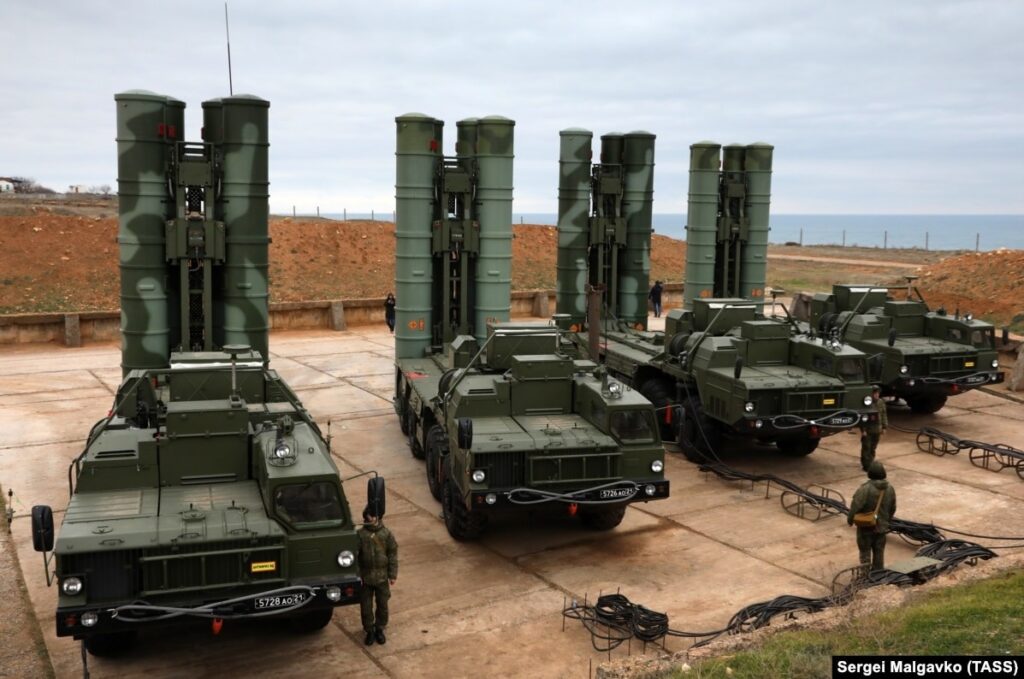
russia's arctic bases sit near-naked air defenses vanish guard moscow refineries burning inland · post s-400 defense missile launcher vehicles 2018 file sergei malgavko/tass rferl ukraine news ukrainian reports

Ukraine has been striking the launchers Russia uses to fire ballistic missiles at its cities, Ukrainian Defense Minister Yevhenii Khmara told journalists. He said the strikes have already disrupted some Russian attack plans, but supplies of anti-ballistic interceptors still fall short of the threat.

Russia strikes Ukraine’s cities and power grid with drones and missiles every day as it prepares to leave civilians without power and heat this winter. Ballistic missiles are the part of that barrage Ukraine still struggles to stop, so every launcher put out of action before it fires means fewer missiles to intercept.

Iskander and S-400 launchers hit since September

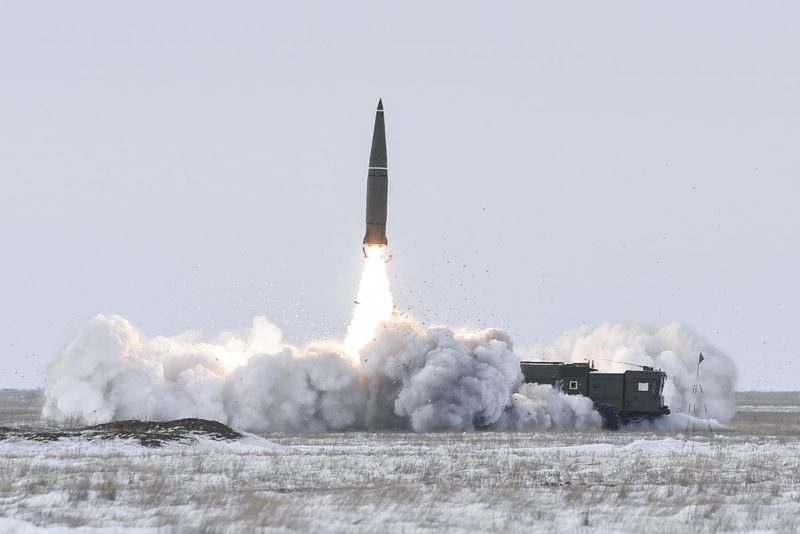
Ukrainian forces hit eight launchers used for ballistic strikes on Ukraine in September and early October, destroying three and damaging five, Khmara said. They belonged to Russia’s Iskander tactical missile systems and S-400 air defense systems, he added. Such strikes have already forced Russia to cancel or change planned ballistic attacks, the minister said.

The S-400 was designed to shoot down aircraft and missiles, but Russia also uses it to fire ballistic missiles at Ukrainian cities, including Kyiv. In mid-September, Ukraine reported hitting two S-400 launchers near Vygonichi in Russia’s Bryansk Oblast. Russia had used the same systems against Kyiv the night before.

russian ballistic missile launch
Explore further

Can’t intercept the missiles? Hit the factories—Ukraine’s other way to stop Russia’s ballistic missiles

On 23 August, Ukrainian President Volodymyr Zelenskyy said Ukrainian forces had hit an Iskander launcher near the border. He described it as part of a separate operation to hunt nearby launch positions and linked the tactic to low stocks of anti-ballistic missiles.

Strikes on launchers while interceptors stay scarce

Khmara called the launcher strikes Ukraine’s asymmetric response to a ballistic threat that remains critical.

“Existing and potential supplies of missiles for anti-ballistic defense are not enough to fully cover this threat,” he said.

Instead of waiting for large long-term contracts, the Defense Ministry is looking for missiles in partners’ available stocks to speed up transfers, Khmara added. “We need dozens and hundreds of missiles, not one-off deliveries,” he stressed.

Meanwhile, Russia significantly cut its 2026 state orders for Kinzhal air-launched ballistic missiles, Ukraine’s military intelligence said on 12 October. It redirected the production capacity, components, and raw materials to Iskander-M ballistic missiles, the agency added.

Russia’s missile and drone attacks continue

Overnight on 12 October, Russia attacked Ukraine with a Kh-59 guided missile and 121 attack drones, 76 of them jet-powered, Ukraine’s Air Force reported. Air defenses downed or suppressed 89 drones, but strikes hit 15 locations, and the attack was still going on in the morning.

An Iskander test launch in 2018
Explore further

Russia’s new ballistic missile could reach western Ukraine—and it may be tested there within months

In the week to 11 October, Russia hit Ukraine’s power generation and transmission facilities more than 200 times and its gas and oil sites 17 times, Zelenskyy said. Russian attacks that week killed more than 150 people and injured more than 700, he added.

Jet-powered drones are still the main problem for Ukraine’s air defense. It stops more than 90% of slower propeller-driven Shaheds, compared with about 55% for the jet ones.

Ballistic missiles have struck Kyiv repeatedly this autumn. On 24 September, Russian ballistic and hypersonic missiles damaged a maternity hospital in the capital. On 7 October, a Russian missile barrage killed 22 people in Pryluky, Chernihiv Oblast.

❌