Anti-immigrant violence in South Africa has forced tens of thousands to return to Malawi, severing badly needed cash flows and leaving families hungry.
Anti-immigrant violence in South Africa has forced tens of thousands to return to Malawi, severing badly needed cash flows and leaving families hungry.
Women wait to buy fish from fisherman on the banks of Lake Malawi in Mangochi District, Southern Malawi, last month.
The French government soured on a reciprocal deal that allowed the British authorities to return some migrants who crossed the English Channel illegally in small boats.
The French government soured on a reciprocal deal that allowed the British authorities to return some migrants who crossed the English Channel illegally in small boats.
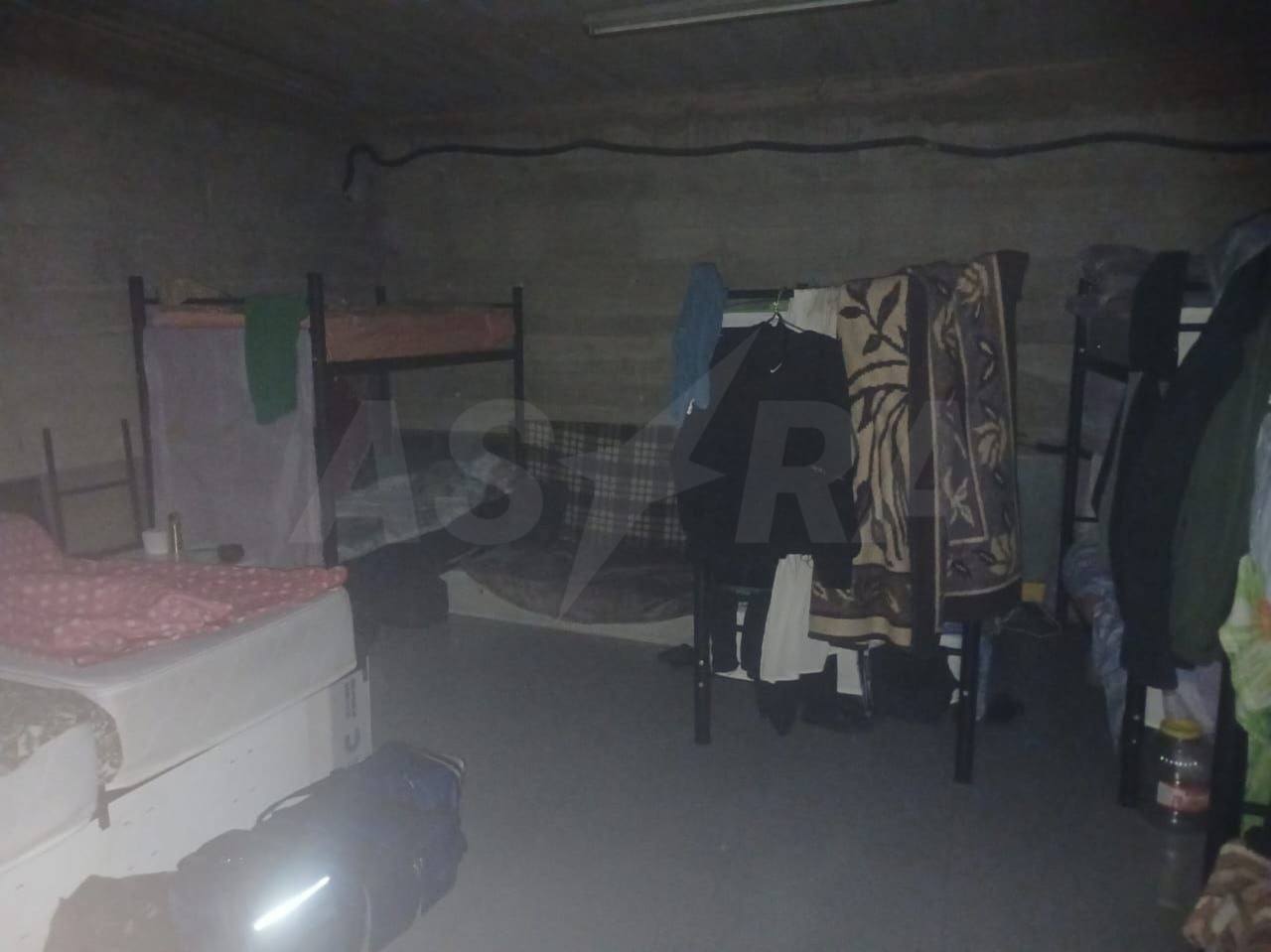
Over 45 Ukrainians forcibly deported by Russia from Ukraine's occupied territories are being held in a basement at Russia's border with Georgia without food, water, and basic healthcare, independent media outlet Astra reported on June 21."We are in a basement without utilities: there is no shower or toilet, they don't feed us. Volunteers bring humanitarian aid, but it lasts for a couple of days and not for everyone," one of the held Ukrainians told Astra.A decree by Russian President Vladimir Pu
Over 45 Ukrainians forcibly deported by Russia from Ukraine's occupied territories are being held in a basement at Russia's border with Georgia without food, water, and basic healthcare, independent media outlet Astra reported on June 21.
"We are in a basement without utilities: there is no shower or toilet, they don't feed us. Volunteers bring humanitarian aid, but it lasts for a couple of days and not for everyone," one of the held Ukrainians told Astra.
A decree by Russian President Vladimir Putin has ordered Ukrainians still living in occupied territories to leave unless they "regulate their legal status," namely, obtaining Russian citizenship.
"We emphasize that these systematic deportations and persecutions are part of Russia's genocide policy against the Ukrainian people," Foreign Ministry spokesperson Heorhii Tykhyi said on March 21.
At least 45 Ukrainians have been held at the Verkhniy Lars border checkpoint between Georgia and Russia for several days.
One of the deported Ukrainians has been hospitalized as they await passage out of Russia and into Georgia.
"There were 8 of us, 3 days ago. Every day, more people are brought here and the number is growing. Now there are 45 people, some have been here for a month. There are disabled people and people with serious illnesses," one of the held Ukrainians said.
The basement facility has since 2023 held deported Ukrainians barred from entering the Russian Federation and the Ukrainian territories it occupies.
The held Ukrainians were denied entry into Georgia. Most did not have the necessary travel documents, but 16 Ukrainians with passports were denied entry as well, Astra reported, citing the non-profit organization Tbilisi Volunteers Organization.
"The basement is damp, there are drops of water on the ceiling, (it's hard) to breathe, everyone smokes, they don't let us outside. We sleep for four hours, taking turns. Some sleep on the floor," one of the deported Ukrainians said.
The basement only houses 17 sleeping spaces, but another 100 deported Ukrainians are expected to arrive at the facility, a volunteer told Astra.
Following a pause in deportations to Georgia in 2024, Russia has resumed deportations as Georgia prepares new immigration legislation, the Tbilisi Volunteers Organization says.
Serhiy Serdiuk, a resident of occupied Zaporizhzhia Oblast, was deported and banned from re-entering Russia and Ukraine's occupied territories for 40 years, the Guardian reported on June 21.
Russian authorities pressed Serdiuk, an educator, to continue work under Russia's imposed school curriculum.
Serdiuk and other staff at a school in Zaporizhzhia Oblast's Komysh-Zoria town refused and were met with threats.
Serdiuk was similarly deported to Georgia, from where he flew to Moldova and crossed back into Ukraine.
Due to Russia's illegal and unrecognized annexation of Ukraine's occupied territories, Ukrainian citizens are pressured to obtain Russian citizenship or face deportation and entry bans.
The lower house of the Dutch parliament on June 19 officially recognized the 1944 mass deportation of Crimean Tatars by the Soviet Union as genocide, according to a statement from the parliamentary press service.The motion cited precedent from other countries that have recognized the forced deportations as genocide, including Poland, the Czech Republic, Canada, Latvia, Lithuania, and Ukraine.In the adopted text, Dutch lawmakers declared that the Soviet-led deportation of Crimean Tatars, which to
The lower house of the Dutch parliament on June 19 officially recognized the 1944 mass deportation of Crimean Tatars by the Soviet Union as genocide, according to a statement from the parliamentary press service.
The motion cited precedent from other countries that have recognized the forced deportations as genocide, including Poland, the Czech Republic, Canada, Latvia, Lithuania, and Ukraine.
In the adopted text, Dutch lawmakers declared that the Soviet-led deportation of Crimean Tatars, which took place between May 18 and 21, 1944, constitutes genocide by contemporary legal and historical definitions.
The 1944 deportation was carried out under direct orders from Soviet dictator Joseph Stalin, who labeled the entire Crimean Tatar population as traitors following the peninsula's liberation from Nazi occupation.
Over 190,000 Tatars were forcibly removed from Crimea in a matter of days, though some estimates place the number closer to 430,000, and sent to remote areas in Central Asia, mainly Uzbekistan, in brutal conditions that led to mass deaths.
The document pointed to the ongoing repression of Crimean Tatars under Russian occupation since 2014. It said that "many Crimean Tatars have been unjustly imprisoned, subjected to torture by the Russian Federation, or forcibly disappeared," and added that "Russia has likely continued a policy of genocide against Crimean Tatars."
Foreign Minister Andrii Sybiha welcomed the decision, calling it "a powerful gesture of solidarity with the Crimean Tatar people, who are still facing persecution under Russia’s temporary occupation of the Ukrainian Crimea peninsula."
Sybiha noted that the Netherlands is now the seventh country to formally recognize the deportation as genocide and urged other nations to follow suit.
"Recognizing this historical injustice is critical not only for establishing truth and justice, but also for preventing future atrocities," the minister wrote.
Ukraine's parliament recognized the deportation as genocide in 2015 and established May 18 as the official Day of Remembrance for the Victims of the Genocide of the Crimean Tatar People.
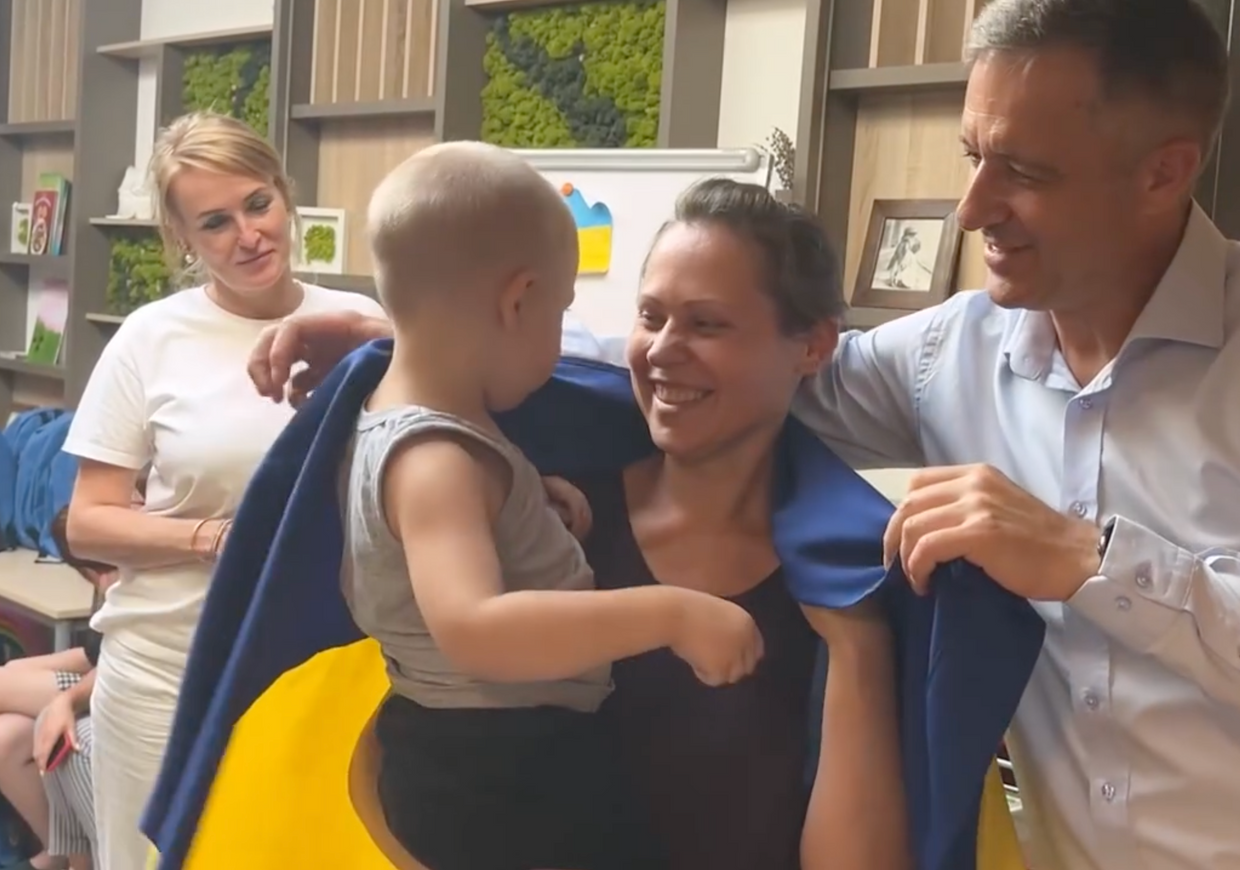
Ukraine successfully brought back five children who had been forcibly taken to Russia as well as Russian-occupied territory, Presidential Office head Andriy Yermak announced on June 12.The children have been returned home under the President of Ukraine’s initiative, Bring Kids Back UA, according to Yermak."We are fulfilling the President's mission — to bring back every Ukrainian child," Yermak said in an statement.Since February 2022, at least 20,000 Ukrainian children have been abducted from Ru
Ukraine successfully brought back five children who had been forcibly taken to Russia as well as Russian-occupied territory, Presidential Office head Andriy Yermak announced on June 12.
The children have been returned home under the President of Ukraine’s initiative, Bring Kids Back UA, according to Yermak.
"We are fulfilling the President's mission — to bring back every Ukrainian child," Yermak said in an statement.
Since February 2022, at least 20,000 Ukrainian children have been abducted from Russian-occupied territories and sent to other Russian-controlled areas of Ukraine or to Russia itself, according to a Ukrainian national database, "Children of War." Only 1,359 children have been returned thus far.
Dmytro Lubinets, Ukrainian Parliament’s Commissioner for Human Rights, estimated that Russia has unlawfully deported up to 150,000 Ukrainian children, while the Children’s Ombudswoman, Daria Herasymchuk, puts the figure at 200,000–300,000.
In March 2023, the International Criminal Court (ICC) issued arrest warrants for Russian President Vladimir Putin and Children's Commissioner Maria Lvova-Belova, citing their involvement in the unlawful transfer of Ukrainian children. Russia dismissed the ICC's decision as "outrageous and unacceptable."
Under orders from Putin, children were transported via military aircraft in 2022, reclassified in Russian databases as native-born, and subjected to pro-Russian re-education before being adopted into Russian families. Ukrainian children had been transported to at least 21 regions throughout Russia.
Child abductions have played a key part of U.S.-Russia peace negotiations — all of which Russia has thus far rejected. Ukrainian officials have named their return as a key condition for any future peace agreement with Russia.
President Volodymyr Zelensky said on June 3 that during the Istanbul negotiations, Russian representatives dismissedthe issue of abducted Ukrainian children as a "show for childless European old ladies" and acknowledged deporting several hundred children.
CNN reported on June 11 that the Yale University-based Humanitarian Research Lab, which spearheads the Ukraine Conflict Observatory is preparing to shut down after its funding was terminated by the Trump administration.
A Yale study published on Dec. 3 detailed Russia's systematic program of deporting and forcibly assimilating Ukrainian children.

 Connexion