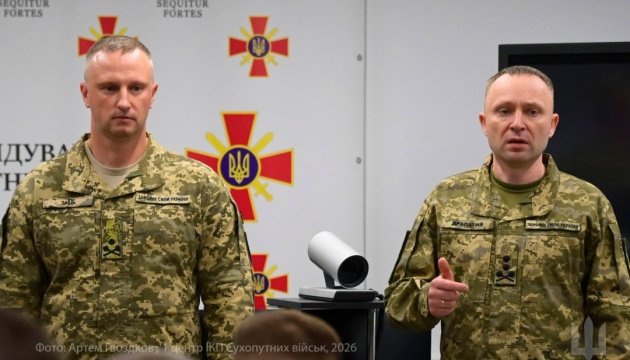
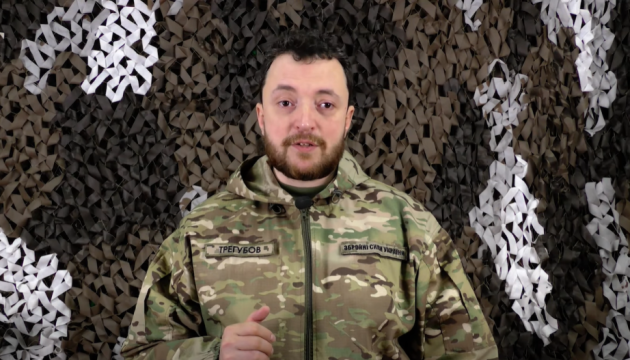
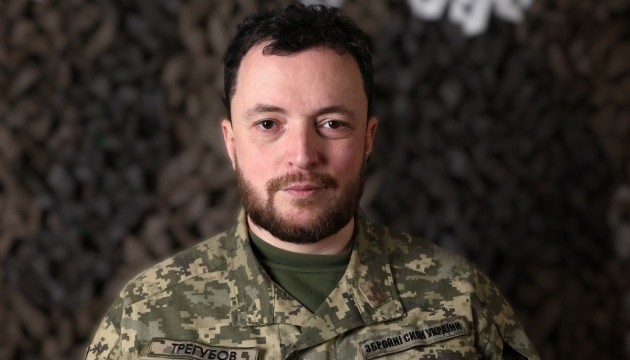
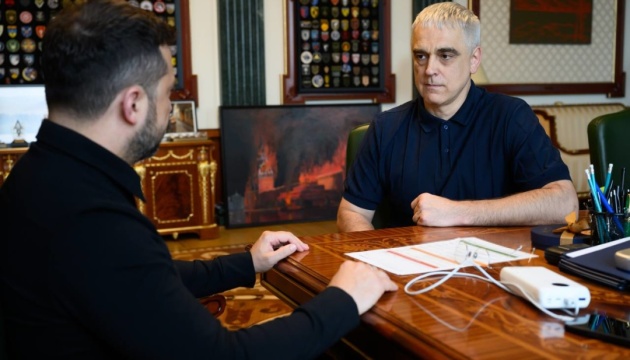
Commander-in-Chief of the Ukrainian Armed Forces Major General Mykhailo Drapatyi has introduced Brigadier General Sviatoslav Zaits, the new commander of the Ukrainian Ground Forces, to the personnel.
Commander-in-Chief of the Ukrainian Armed Forces Major General Mykhailo Drapatyi has introduced Brigadier General Sviatoslav Zaits, the new commander of the Ukrainian Ground Forces, to the personnel.
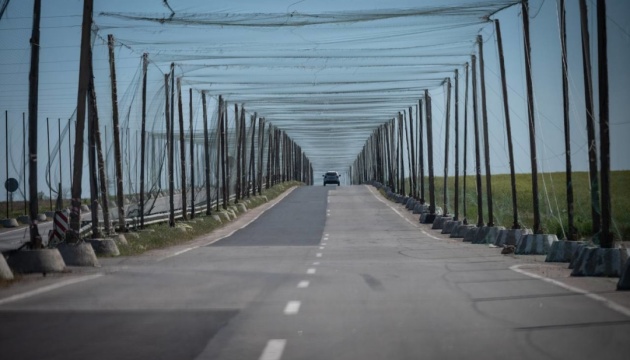
Since the beginning of the year, Ukraine’s State Special Transport Service, acting on instructions from the Ministry of Defense, has equipped 1,382.6 kilometers of key logistics routes with anti-drone protection.
Since the beginning of the year, Ukraine’s State Special Transport Service, acting on instructions from the Ministry of Defense, has equipped 1,382.6 kilometers of key logistics routes with anti-drone protection.
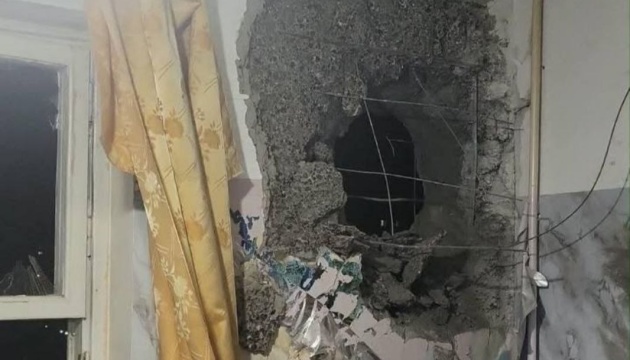
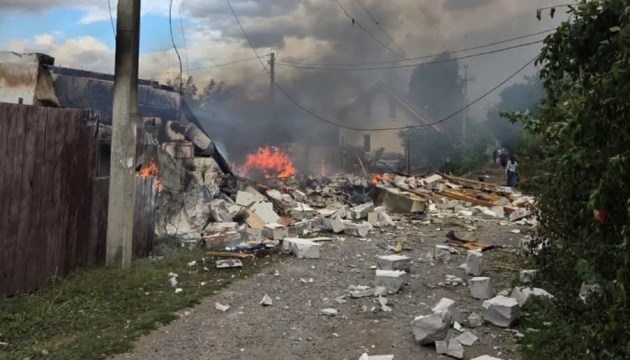
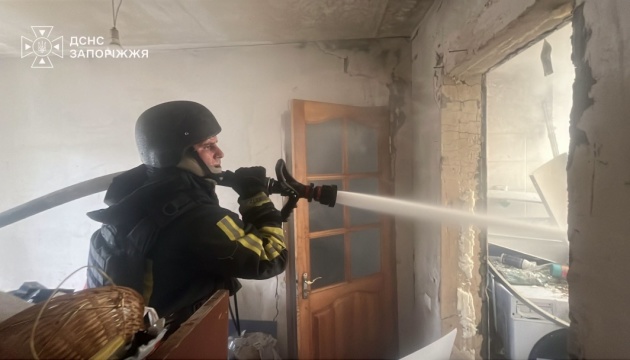
On Saturday evening, Russian forces carried out several drone strikes on Zaporizhzhia. Houses caught fire, and three people have so far been reported injured.
On Saturday evening, Russian forces carried out several drone strikes on Zaporizhzhia. Houses caught fire, and three people have so far been reported injured.
Russian forces have been attacking Zaporizhzhia with drones since early Saturday morning, September 5. Dozens of residential buildings have been damaged in four districts of the city.
Russian forces have been attacking Zaporizhzhia with drones since early Saturday morning, September 5. Dozens of residential buildings have been damaged in four districts of the city.
Russian forces are seeking to establish a continuous zone of control in the Kharkiv region up to 20 kilometers deep along the Ukrainian-Russian border.
Russian forces are seeking to establish a continuous zone of control in the Kharkiv region up to 20 kilometers deep along the Ukrainian-Russian border.
On the afternoon of 4 September, a Russian drone struck the building of Ukraine's Security Service in Kyiv, flying straight at the office of the acting chief, Oleksandr Poklad. One source close to the security services was blunt about the mood afterward, telling LIGA.net that everyone was "not just furious — everyone is absolutely livid."
It was a rare direct hit on a top government building — the first time the SBU headquarters had been struck in the four-and-a-half-ye
On the afternoon of 4 September, a Russian drone struck the building of Ukraine's Security Service in Kyiv, flying straight at the office of the acting chief, Oleksandr Poklad. One source close to the security services was blunt about the mood afterward, telling LIGA.net that everyone was "not just furious — everyone is absolutely livid."
It was a rare direct hit on a top government building — the first time the SBU headquarters had been struck in the four-and-a-half-year war. The central building stands on Volodymyrska Street opposite St. Sophia's Cathedral, a UNESCO World Heritage site.
Poklad was unharmed, and President Volodymyr Zelenskyy said he had ordered a response that mirrors the attack.
Beskrestnov: a planned operation, guided from the ground
Serhii "Flash" Beskrestnov, President Zelenskyy's adviser on defense technologies, argued the strike was too precise to be a stray hit.
"My personal opinion: the Geran was controlled and guided online through a MESH radio relay with internet access, which a Russian agent switched on somewhere nearby — within five kilometers — for a short period during the attack," he wrote.
Such a relay is small, about the size of half a school backpack, he said. He added that no other jet-powered Gerans were in the air over Kyiv at the moment of the strike, which, in his view, rules out the drone being flown along a relay chain reaching back into Russia and points instead to local control.
Europe calls it a major escalation
Katarína Mathernová, head of the EU Delegation to Ukraine, said the drone hit near where she and her colleagues live and work, and her Kyiv staff again had to leave their desks for shelter. Under her post, former EU Ambassador to Ukraine José Manuel Pinto Teixeira called Russia a terror state.
"Time for Ukrainian drones visiting the center of Moscow," he said.
Estonian Foreign Minister Margus Tsahkna said Russian drones had struck "the very heart of Kyiv," and pressed for tighter sanctions and deeper isolation of Moscow.
"The Kremlin’s objective remains unchanged: inflict maximum carnage, sow terror, and trample every norm of international law," he said.
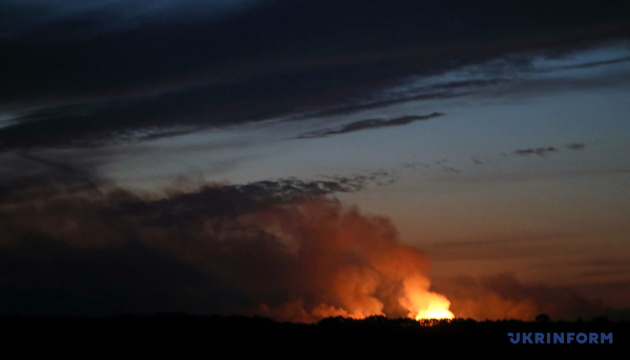
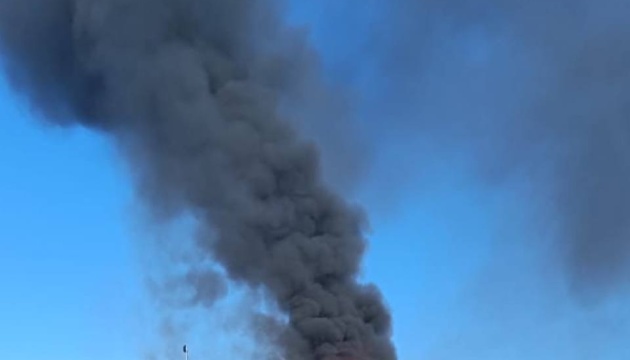
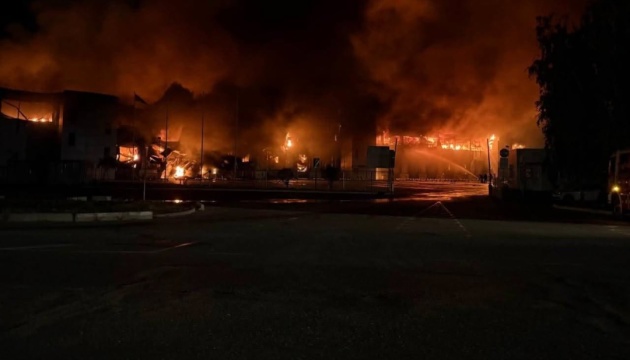
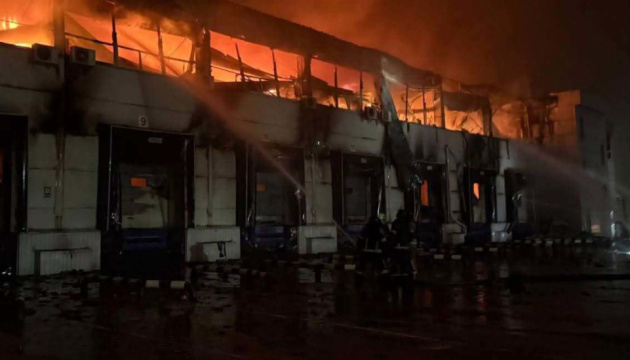
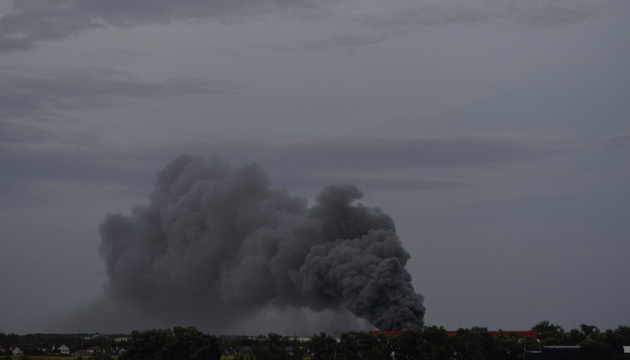
In Kamianske, Dnipropetrovsk region, rescuers recovered the body of another victim from the rubble of an enterprise attacked by Russian missiles on September 4, bringing the death toll to five.
In Kamianske, Dnipropetrovsk region, rescuers recovered the body of another victim from the rubble of an enterprise attacked by Russian missiles on September 4, bringing the death toll to five.
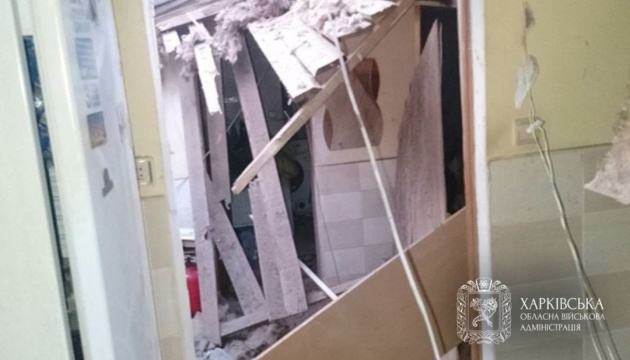
Twenty-five settlements in Kharkiv region came under Russian attacks over the past day, damaging civilian infrastructure, residential buildings and vehicles.
Twenty-five settlements in Kharkiv region came under Russian attacks over the past day, damaging civilian infrastructure, residential buildings and vehicles.
Over the past day, 236 combat engagements between the Ukrainian Defense Forces and Russian invaders were recorded on the front line. The Pokrovsk and Kostiantynivka sectors remain the hottest.
Over the past day, 236 combat engagements between the Ukrainian Defense Forces and Russian invaders were recorded on the front line. The Pokrovsk and Kostiantynivka sectors remain the hottest.
The total combat losses of Russian forces since the start of the full-scale invasion of Ukraine on February 24, 2022, have reached approximately 1,495,050 personnel, including 1,260 over the past 24 hours.
The total combat losses of Russian forces since the start of the full-scale invasion of Ukraine on February 24, 2022, have reached approximately 1,495,050 personnel, including 1,260 over the past 24 hours.
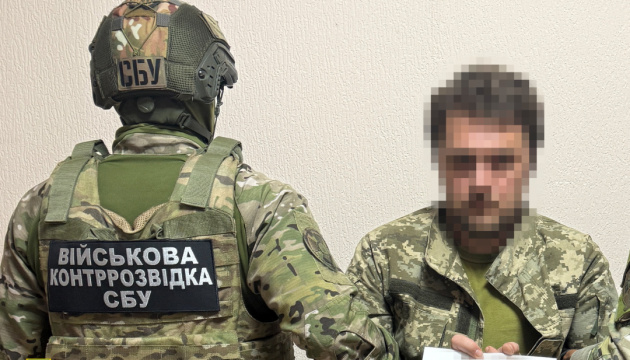
The military counterintelligence unit of the Security Service of Ukraine (SBU), with the assistance of the Commander-in-Chief of the Ukrainian Armed Forces, has detained a Russian agent couple in Kharkiv: a serviceman of the Ukrainian Defense Forces and his wife.
The military counterintelligence unit of the Security Service of Ukraine (SBU), with the assistance of the Commander-in-Chief of the Ukrainian Armed Forces, has detained a Russian agent couple in Kharkiv: a serviceman of the Ukrainian Defense Forces and his wife.
Russia will face even more special operations, dismantled espionage networks, and destroyed personnel and equipment in response to the strike on the building of the Central Directorate of the Security Service of Ukraine (SSU).
Russia will face even more special operations, dismantled espionage networks, and destroyed personnel and equipment in response to the strike on the building of the Central Directorate of the Security Service of Ukraine (SSU).
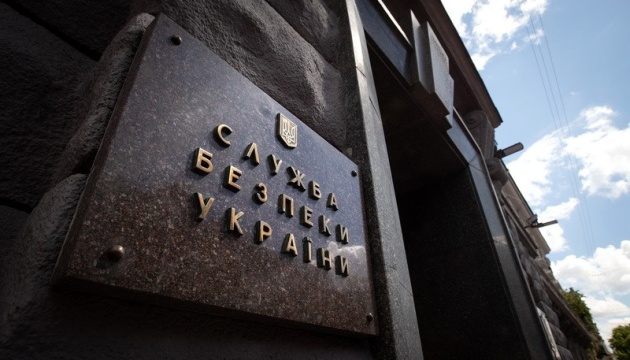
President Volodymyr Zelensky said that a Russian drone struck the central building of the Security Service of Ukraine (SSU) on Volodymyrska Street in Kyiv, opposite St. Sophia’s Cathedral. According to him, the drone was directed straight at the office of SSU Chief Oleksandr Poklad.
President Volodymyr Zelensky said that a Russian drone struck the central building of the Security Service of Ukraine (SSU) on Volodymyrska Street in Kyiv, opposite St. Sophia’s Cathedral. According to him, the drone was directed straight at the office of SSU Chief Oleksandr Poklad.
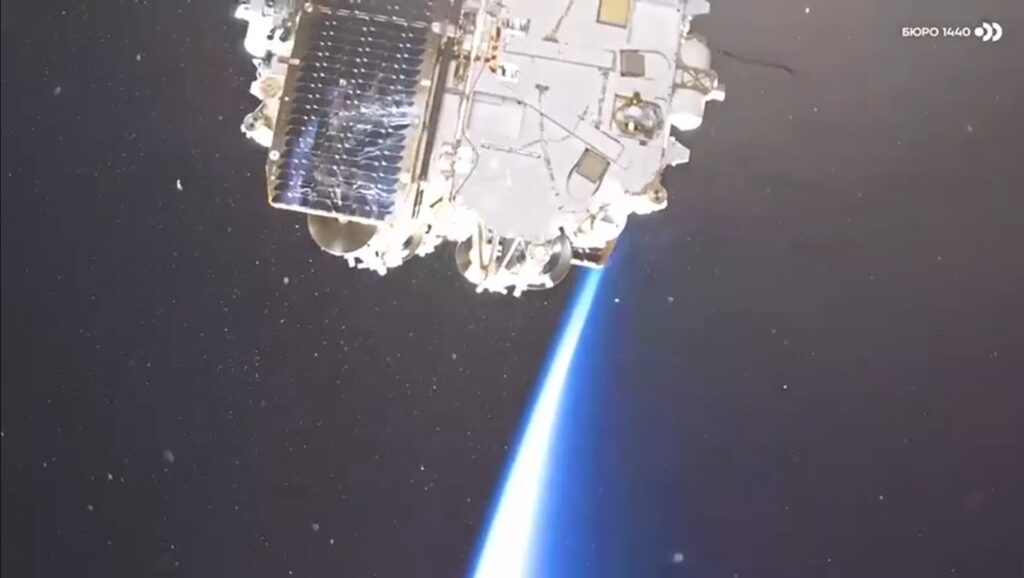
Russia's newest batch of Starlink-style satellites is gaining altitude sooner and sitting higher than the country's already-working first batch did at the same point, an analysis by Ukrainian defense outlet Militarnyi found. That complicates recent reports that the batch will stay far below its working altitude—though a few of the craft clearly have malfunctioned.
Moscow is racing to field its own orbital network to replace the Starlink service its troops used without a
Russia's newest batch of Starlink-style satellites is gaining altitude sooner and sitting higher than the country's already-working first batch did at the same point, an analysis by Ukrainian defense outlet Militarnyi found. That complicates recent reports that the batch will stay far below its working altitude—though a few of the craft clearly have malfunctioned.
Moscow is racing to field its own orbital network to replace the Starlink service its troops used without authorization, a system experts warn could one day relay commands to long-range strike drones.
Where the "failure" verdict came from
Business Insider reported that all 16 satellites in the second Rassvet batch—launched 19 July—had fallen short of their target orbit, citing public US Space Force tracking data. The Institute for the Study of War (ISW) noted that many of the craft sat between 300 and 400 kilometers, well below their intended orbit. Russia looks unprepared to deploy at this pace and will likely face further delays, ISW assessed. At those low heights, thicker air drags on satellites and shortens their lives. Rassvet—Russian for "Dawn"—is built by the Russian firm Bureau 1440. Moscow rushed the network in after SpaceX cut off Russian forces' access to Starlink.
What the altitude data shows
Militarnyi's own reading of the tracking record points the other way. A rocket drops the satellites near 300 kilometers, and they raise themselves over months on their own engines. The July batch fired those engines days earlier than the March group, giving it a head start. By day 46, the new batch's median altitude was 365 kilometers, against 314 for the first. Thirteen of the new craft had passed 320 kilometers and ten cleared 350, against five and one for the first batch. The newer craft climb at a slower daily pace, but the early start left them well ahead on height.
Militarnyi cautions that the batch cannot be judged before roughly 100 to 125 days after launch—around late October—the window in which most of the March craft passed 500 kilometers.
The malfunctions are real
Two satellites show no real climb and are sinking toward the atmosphere, a third rose and slipped back, and a fourth stalled with the cause unclear. The March launch lost one craft outright and left two more stuck below working height. The company had listed a target orbit near 800 kilometers, yet the first batch settled far lower and still works. Militarnyi counts thirteen of its satellites in a stable orbit near 508 kilometers, where Business Insider and ISW put twelve of them at roughly 550. By its count, they now open at least two communication windows over Ukraine each day, each running longer than an hour.
The Defense Forces of Ukraine struck a site used to launch combat drones, as well as command posts, reconnaissance and communications assets belonging to Russian forces, on September 3 and overnight into September 4.
The Defense Forces of Ukraine struck a site used to launch combat drones, as well as command posts, reconnaissance and communications assets belonging to Russian forces, on September 3 and overnight into September 4.

 Connexion