Vue normale
-
NYT > World News
-
Yayoi Kusama, Japanese Pop Artist Known for Polka-Dot Paintings, Dies at 97
The Japanese artist’s polka-dot-covered paintings, phallic sculptures and public performances caused a stir in New York City and Europe in the 1960s.
-
NYT > World News

-
Cities Compete in Dizzying ‘Gold Rush’ to Be Japan’s Backup Capital
Osaka? Fukuoka? Sapporo? The race is on to be second to Tokyo — and to claim the prestige and money that could come with it.
Cities Compete in Dizzying ‘Gold Rush’ to Be Japan’s Backup Capital

© Hiroko Masuike/The New York Times
-
NYT > World News

-
Japan’s U.S. Ties Could Not Save a Top Judge From Trump’s I.C.C. Sanctions
Japan had tried to dissuade the U.S. from imposing sanctions on Tomoko Akane, president of the International Criminal Court, but the White House pressed ahead.
Japan’s U.S. Ties Could Not Save a Top Judge From Trump’s I.C.C. Sanctions

© Pool photo by Eva Plevier
-
NYT > World News

-
After the Earthquakes
Venezuela and Japan both experienced major quakes this summer. Their responses differed, and not just because of money.
After the Earthquakes

© Adriana Loureiro Fernandez for The New York Times
-
US news | The Guardian

-
Leading economies’ borrowing costs hit highest since 2008 crisis
Concern over impact of Iran war pushes up government bond yields in US, UK, France, Germany and JapanGovernment borrowing costs in several advanced economies hit their highest level since the 2008 financial crisis, or even earlier, on Monday as investors feared the Middle East crisis would keep inflation persistently high.Concerns over rising prices and government spending pushed up the cost of debt issued by Paris, Berlin, Washington DC, Tokyo and London as investors fretted that rising prices
Leading economies’ borrowing costs hit highest since 2008 crisis
Concern over impact of Iran war pushes up government bond yields in US, UK, France, Germany and Japan
Government borrowing costs in several advanced economies hit their highest level since the 2008 financial crisis, or even earlier, on Monday as investors feared the Middle East crisis would keep inflation persistently high.
Concerns over rising prices and government spending pushed up the cost of debt issued by Paris, Berlin, Washington DC, Tokyo and London as investors fretted that rising prices would push up interest rates.
Continue reading...
© Photograph: Martin Meissner/AP

© Photograph: Martin Meissner/AP

© Photograph: Martin Meissner/AP
-
Euromaidan Press

-
Japan tracks four Russian missile boats passing close to its coast off Hokkaido
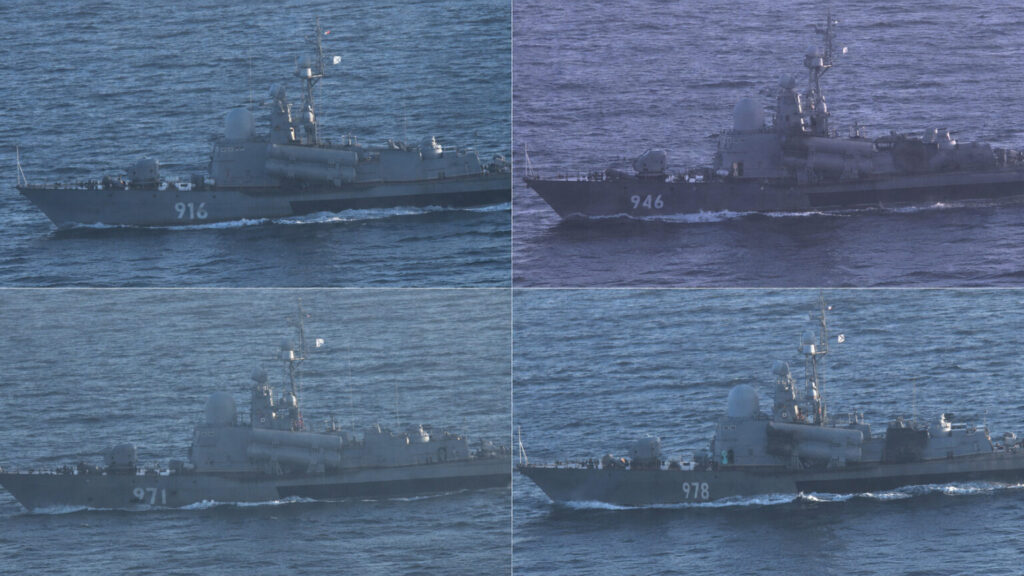
Japan's Self-Defense Forces shadowed four Russian missile boats as they passed close to the country's northern coast, the Japanese Joint Staff reported. The warships never entered Japanese waters, yet the move sharpened a diplomatic standoff over islands Russia seized in 1945. Tokyo lodged a protest and summoned Russia's ambassador. Russia keeps testing neighbors far from the Ukrainian front, using warships and leader visits to press claims it took by force decades
Japan tracks four Russian missile boats passing close to its coast off Hokkaido

Japan's Self-Defense Forces shadowed four Russian missile boats as they passed close to the country's northern coast, the Japanese Joint Staff reported. The warships never entered Japanese waters, yet the move sharpened a diplomatic standoff over islands Russia seized in 1945. Tokyo lodged a protest and summoned Russia's ambassador.
Japan tracked the warships back through the strait
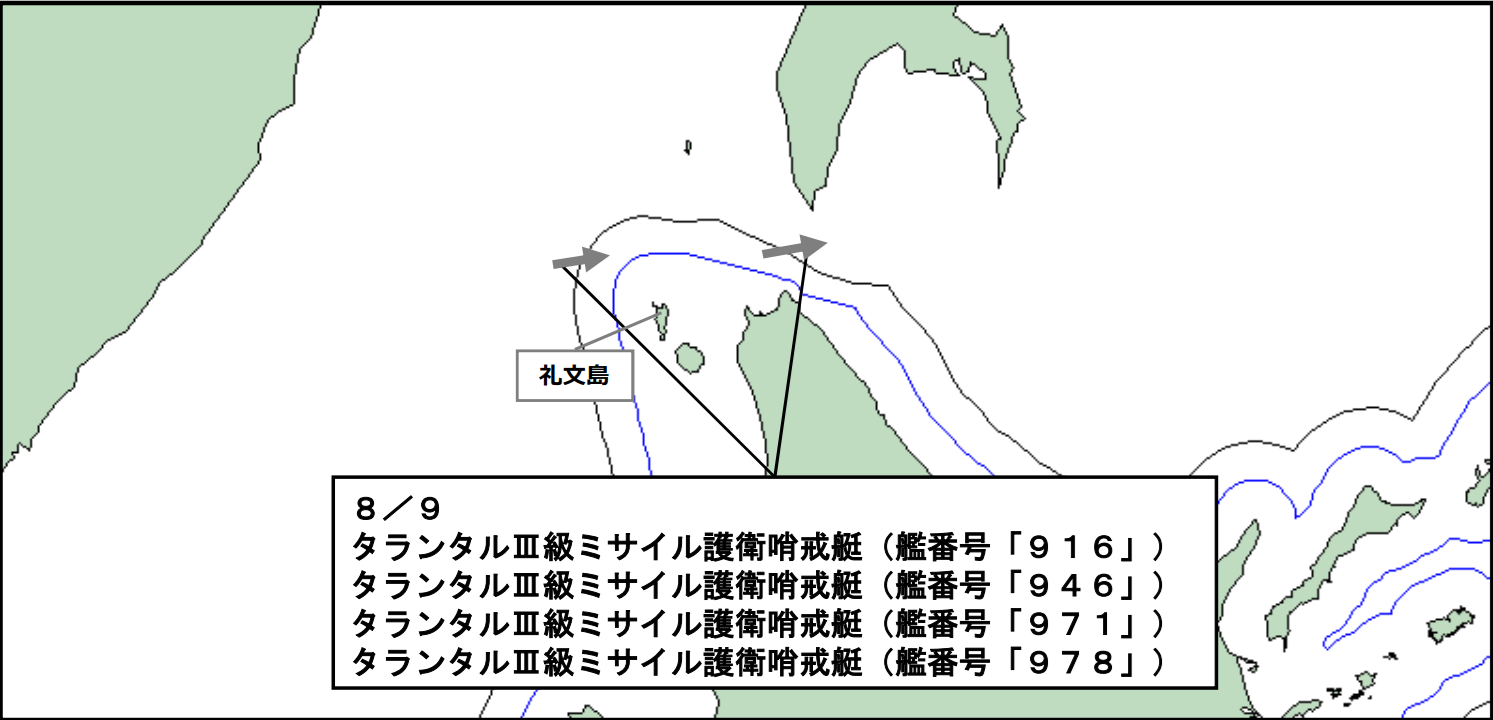
On 14 August, Japan's Maritime Self-Defense Force spotted the four boats near Cape Soya on Hokkaido, heading west. A P-3C patrol aircraft from the 2nd Air Wing watched them and gathered information. The boats stayed 40 kilometers from shore and did not cross into Japanese waters.
The vessels carried hull numbers 916, 946, 971, and 978. Japan had spotted the same four ships on 9 August, 70 kilometers northwest of Rebun Island. They then passed east through the Soya Strait before doubling back.

The transit followed Putin's trip to a contested island
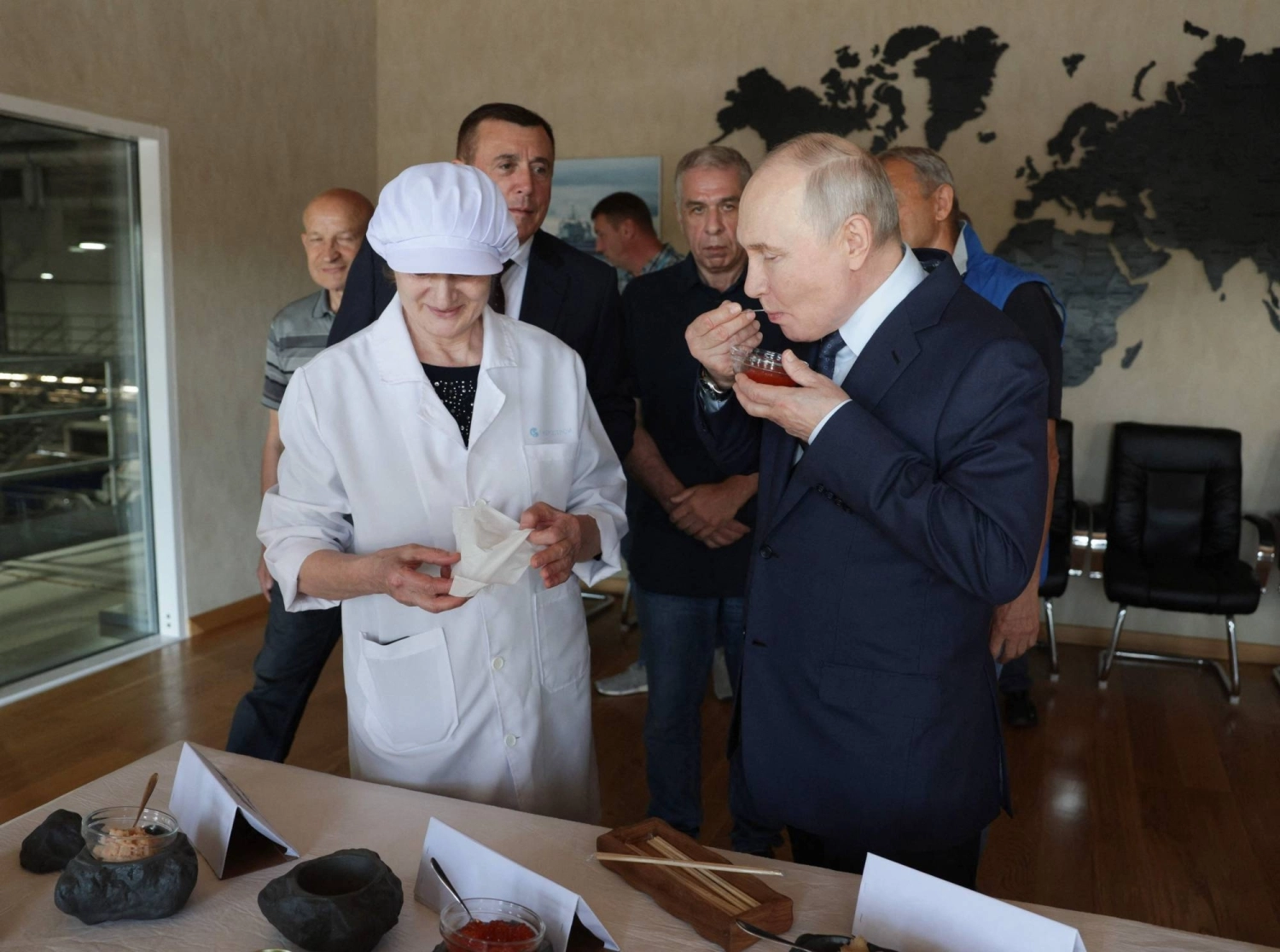
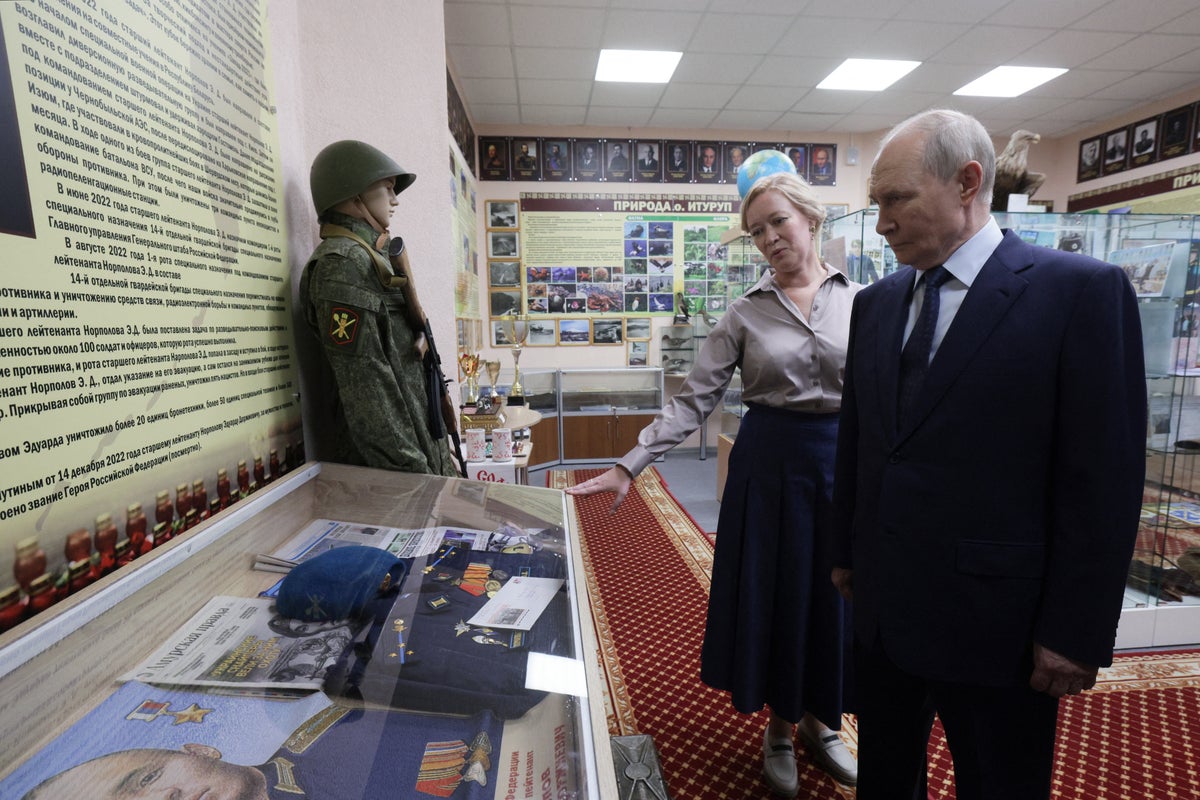
The return passage came days after Vladimir Putin visited Iturup—one of the Kuril Islands—on 13 August. The Soviet Union seized the island in 1945, breaking a neutrality pact it had signed with Japan. Moscow treats the Kuril archipelago as strategically vital and keeps building up forces there. Iturup hosts the Burevestnik military airfield.
Japanese Prime Minister Sanae Takaichi called Putin's trip absolutely unacceptable. She said it contradicts Tokyo's stance on the Northern Territories, as Japan calls the islands. Japan's Foreign Ministry summoned Russia's ambassador, Nikolai Nozdrev, and lodged a firm protest. It asked him to pass Tokyo's position to Moscow at once.
What the Molniya-1 missile boats carry
Militarnyi noted that the project 12411M Molniya-1 boats, which NATO calls Tarantul III, come from the Almaz Central Marine Design Bureau. The first entered service in 1981.
They are built to hit surface targets in coastal and near-sea zones. Their main upgrade over earlier versions was four supersonic Moskit anti-ship missiles, replacing the older Termit.
Each boat can reach 41 knots and carries a crew of 40. Its weapons include a 76mm gun, two rapid-fire 30mm mounts, and Igla-1 air-defense missiles.
The four belong to Russia's Pacific Fleet. The oldest, hull 971, entered service in 1990, and the newest, hull 916, in 2003.
-
NYT > World News

-
Liechtenstein Changes Its Law to Allow Women to Ascend the Throne
The move puts the principality in the majority among nearby nations with royal families.
Liechtenstein Changes Its Law to Allow Women to Ascend the Throne

© Romina Amato/Reuters
-
The Independent Ukraine
-
Why Putin is testing Japan’s limits with visit to contested Pacific islands
The Russian leader’s first visit to the disputed Kuril islands has exposed how far ties between Moscow and Tokyo have deteriorated, and why Japan has grown increasingly assertive in expanding its military capabilities. Namita Singh writes
Why Putin is testing Japan’s limits with visit to contested Pacific islands
The Russian leader’s first visit to the disputed Kuril islands has exposed how far ties between Moscow and Tokyo have deteriorated, and why Japan has grown increasingly assertive in expanding its military capabilities. Namita Singh writes
© Sputnik
-
NYT > World News

-
Record-Breaking Rainfall Leaves Eight Dead and Thousands Stranded in Japan
Three months’ worth of rain fell in just 12 hours in a region east of Tokyo, leading to deadly flooding.
Record-Breaking Rainfall Leaves Eight Dead and Thousands Stranded in Japan

© Andrew Caballero-Reynolds/Agence France-Presse — Getty Images
-
Euromaidan Press

-
Japan weighs sanctions after Putin’s first visit to disputed Kuril Islands
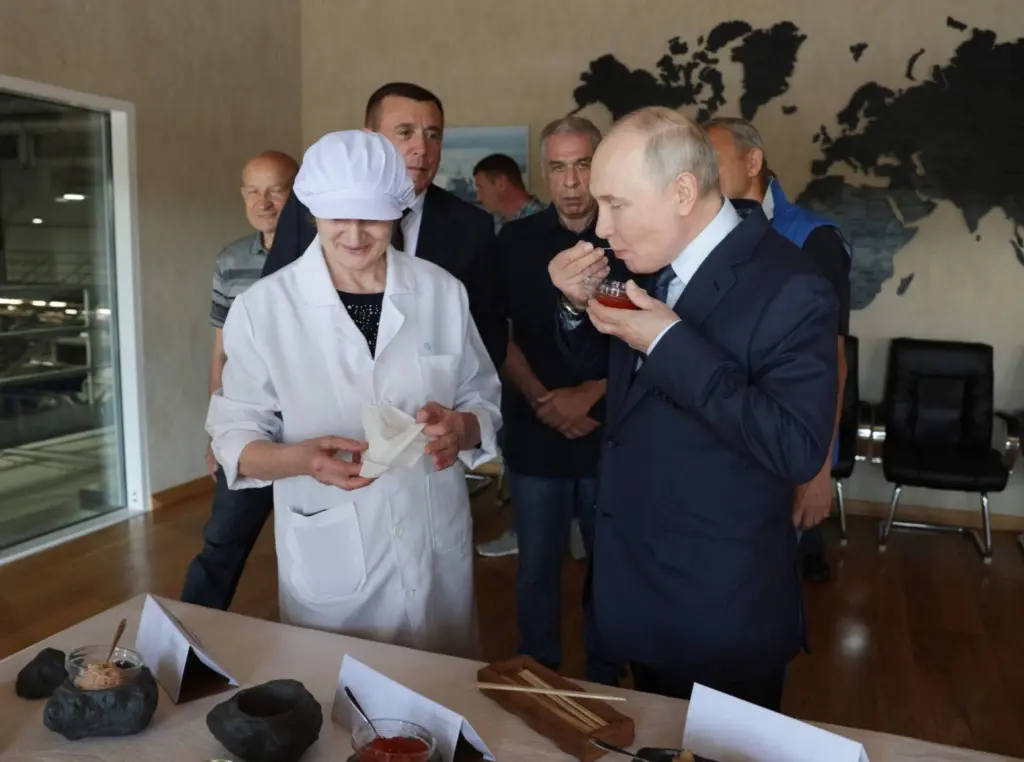
Japan is considering new sanctions on Russia after President Vladimir Putin made his first visit to the disputed Kuril Islands on 13 August, a senior Japanese Foreign Ministry official told reporters, according to Kyodo News. Putin traveled to Iturup — Etorofu in Japanese — the largest of the four Russian-held islands Japan claims as its own, days after overseeing Russian Pacific Fleet exercises in the Far East. It is the first time a Russian president or prime minister
Japan weighs sanctions after Putin’s first visit to disputed Kuril Islands

Japan is considering new sanctions on Russia after President Vladimir Putin made his first visit to the disputed Kuril Islands on 13 August, a senior Japanese Foreign Ministry official told reporters, according to Kyodo News.
Putin traveled to Iturup — Etorofu in Japanese — the largest of the four Russian-held islands Japan claims as its own, days after overseeing Russian Pacific Fleet exercises in the Far East. It is the first time a Russian president or prime minister has set foot on the islands. Tokyo summoned Russia's ambassador and lodged a formal protest, calling the visit "totally unacceptable." Prime Minister Sanae Takaichi said the islands are "an inherent part of Japanese territory both historically and under international law."
The Institute for the Study of War assesses that the Kremlin is likely using the visit to deter Japan from adopting a more assertive defense posture, and to discourage EU seizures of Russian shadow-fleet vessels — tying a Pacific island dispute directly to the pressure campaign around Russia's war on Ukraine.
An 80-year-old dispute, reopened on Tokyo's clock
Russia and Japan have never signed a peace treaty ending World War II, entirely because of the Kurils. The Soviet Union seized the four southernmost islands — Iturup, Kunashir, Shikotan, and the Habomai islets — in the war's final weeks, expelling the Japanese residents. Japan calls them the Northern Territories and has never dropped the claim.
Putin's visit lands as Tokyo's posture toward Moscow hardens. Japan's 2026 Defense White Paper, published earlier this month, named Russia as one of the country's principal threats — a paper Putin criticized directly on Wednesday, saying the islands became Russian territory "as a result of World War II" and accusing Japan of imposing "unprovoked sanctions" over what he called the "Ukraine conflict."
The timing cuts against the diplomatic track Tokyo pursued for years. Under former Prime Minister Shinzo Abe, Takaichi's political mentor, Japan met Putin 27 times seeking a peace treaty, and in 2018 the two sides agreed to accelerate talks on a 1956 declaration that would have returned Shikotan and the Habomai islets after a treaty was signed. Russia's full-scale invasion of Ukraine froze those talks in 2022, and Putin's visit closes even the pretense that they might resume soon.
Ukraine has already staked out a position in the dispute: Kyiv's parliament in 2022 recognized the islands as Japanese territory, and President Zelenskyy signed a decree affirming Japan's sovereignty over its "Northern territories" — a reciprocal gesture in the broader alignment between Kyiv and Tokyo against Moscow.
What Japan is weighing
A Foreign Ministry official said only that Tokyo is "considering what step to take going forward," with an additional sanctions package under consideration. No specifics on scope or target have been announced.
The precedent for a symbolic response exists: in 2010, then-President Dmitry Medvedev became the first Russian head of state to visit the islands, traveling to Kunashir — a visit that also drew formal protest without derailing bilateral contact entirely. Putin's visit as president is a harder marker, arriving alongside Russia's sustained war footing rather than a peacetime dispute.
Read also
-
More than 100 drones detected near Romania in four days, NATO jets scrambled seven times
-
Russia plans to remove border zones separating Russia from occupied Ukrainian territories
-
A Russian soldier kept a Ukrainian woman in a basement and raped her for two months – Ukrainian court sentences him to 12 years
-
NYT > World News

-
Putin Visits Islands Seized From Japan in World War II, Angering Tokyo
Prime Minister Sanae Takaichi of Japan has been a public critic of Mr. Putin, who has denounced her country’s sanctions against Russia over the Ukraine war.
Putin Visits Islands Seized From Japan in World War II, Angering Tokyo

© Pool Sputnik Kremlin, via Associated Press
-
NYT > World News

-
A.C. Vests and UV Parasols: East Asia Deploys Heat-Fighting Gadgets
The innovations include air-conditioned apparel, refrigerators for humans and hand-held fans that use the science behind semiconductors. Governments are making cooling devices central to heat adaptation.
A.C. Vests and UV Parasols: East Asia Deploys Heat-Fighting Gadgets

© Associated Press; Agence France-Presse — Getty Images