Connexion
FPV drone repurposed to hunt Russian recon drones worked so well that Ukraine turned it into new purpose-built interceptor
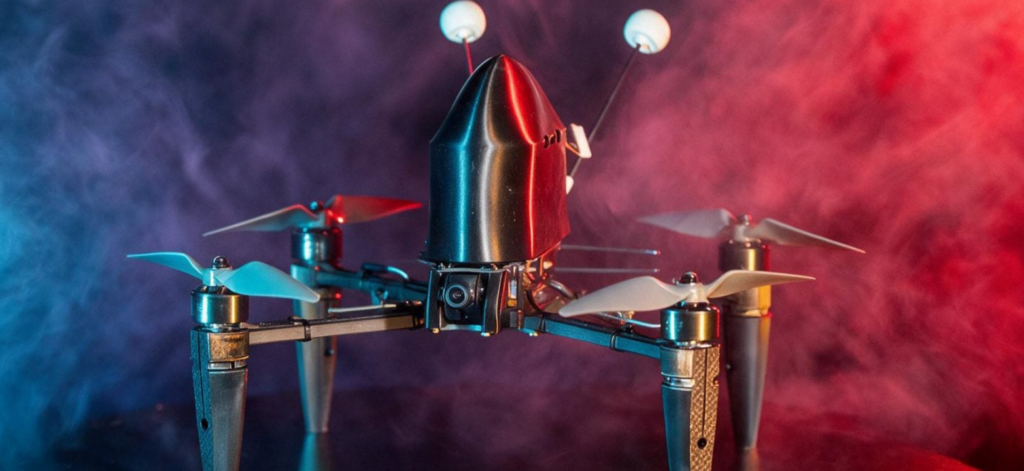
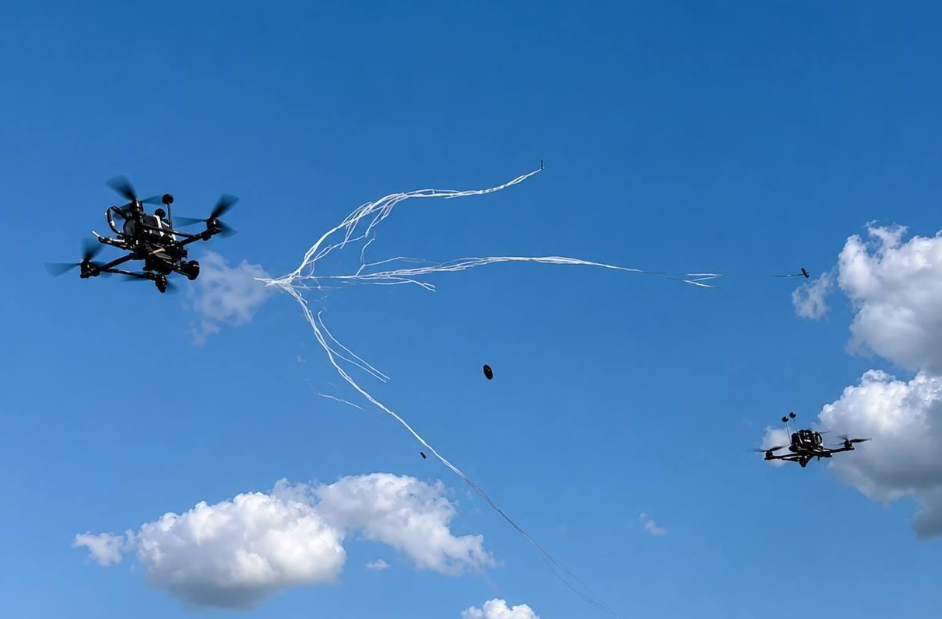
Ukraine has approved a new domestic interceptor and put it on the shelf for units to buy. Ukraine's Defense Ministry has codified the high-speed TAF Kolibri-i10 interceptor from TAF Industries, the company announced.
The approval adds one more weapon to Ukraine's fast-scaling interceptor arsenal and its state procurement pipeline. Ukraine now fields drone-hunters from dozens of makers to counter Russia's massed drone attacks. Units can order it directly through the state marketplace, the same DOT-Chain and Brave1 Market system that has turned battlefield-proven drones into off-the-shelf purchases.
The interceptor grew out of combat use
The Kolibri-i10 came from an improvised solution that worked. The idea grew from using the FPV drone Kolibri 10 to intercept Russian fixed-wing drones, and combat experience showed the approach was so effective that TAF built a new, specialized interceptor rather than modifying the existing model.
Its job is hunting Russian reconnaissance and strike drones. The Kolibri-i10 is designed to destroy Molniya, Orlan, and Zala drones, preventing attacks on Ukrainian positions and covering operations and rear-area sites.
"Field tests have already confirmed the effectiveness of this interceptor, so we have already begun scaling it," CEO Volodymyr Zinovskyi said.
The specs and the jam-resistance
The interceptor was rebuilt for speed and durability. It has a stronger frame, more powerful motors, faster propellers, and improved aerodynamics, reaching over 200 kilometers per hour, a range of up to 25 kilometers, more than 20 minutes aloft, and an altitude of up to 3,000 meters.
It is built to work under jamming. Manual control gives the operator full command at critical moments; digital day-and-night cameras enable operation in varied conditions. MilELRS firmware ensures stable operation in the presence of active electronic warfare. That jam-resistance is a recurring requirement for Ukrainian interceptors, since signal-dependent ones fail against the electronic warfare saturating the front.
The drone is available to order on Brave1 Market, priced at about $760 with a day camera and $1,550 with a night camera.
Read also
-
Ukraine asks the EU for €220 million to unlock €4 billion in farm loans as Russia’s port strikes choke exports
-
Blackout and a blinded radar: Ukraine hits Russian military infrastructure across Crimea and beyond
-
One tower linked two Russian regiments near Kharkiv border. Ukrainian partisans say they disabled it