Vue normale

Captured Russian soldier describes 28-km crawl that killed most of his group before reaching Ukrainian lines
15 août 2026 à 13:14

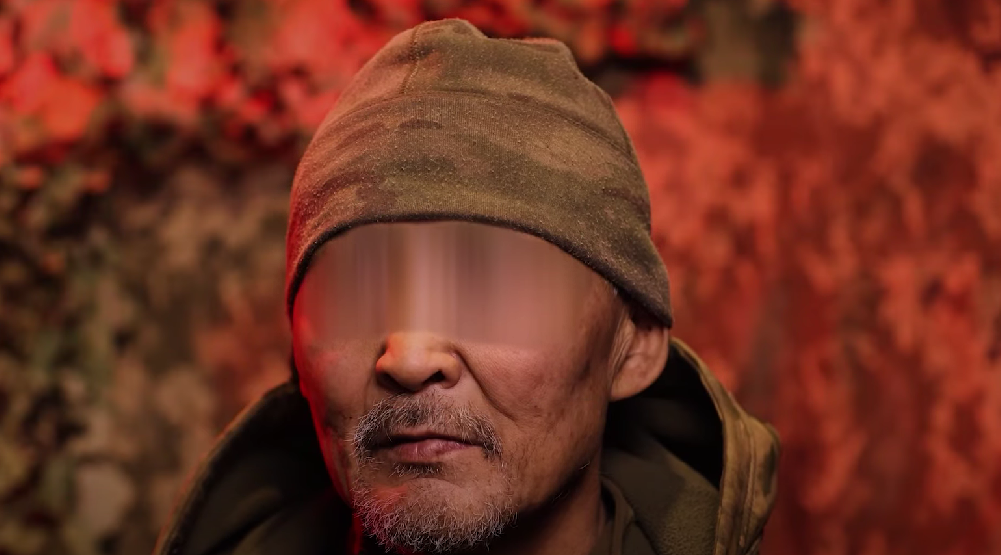
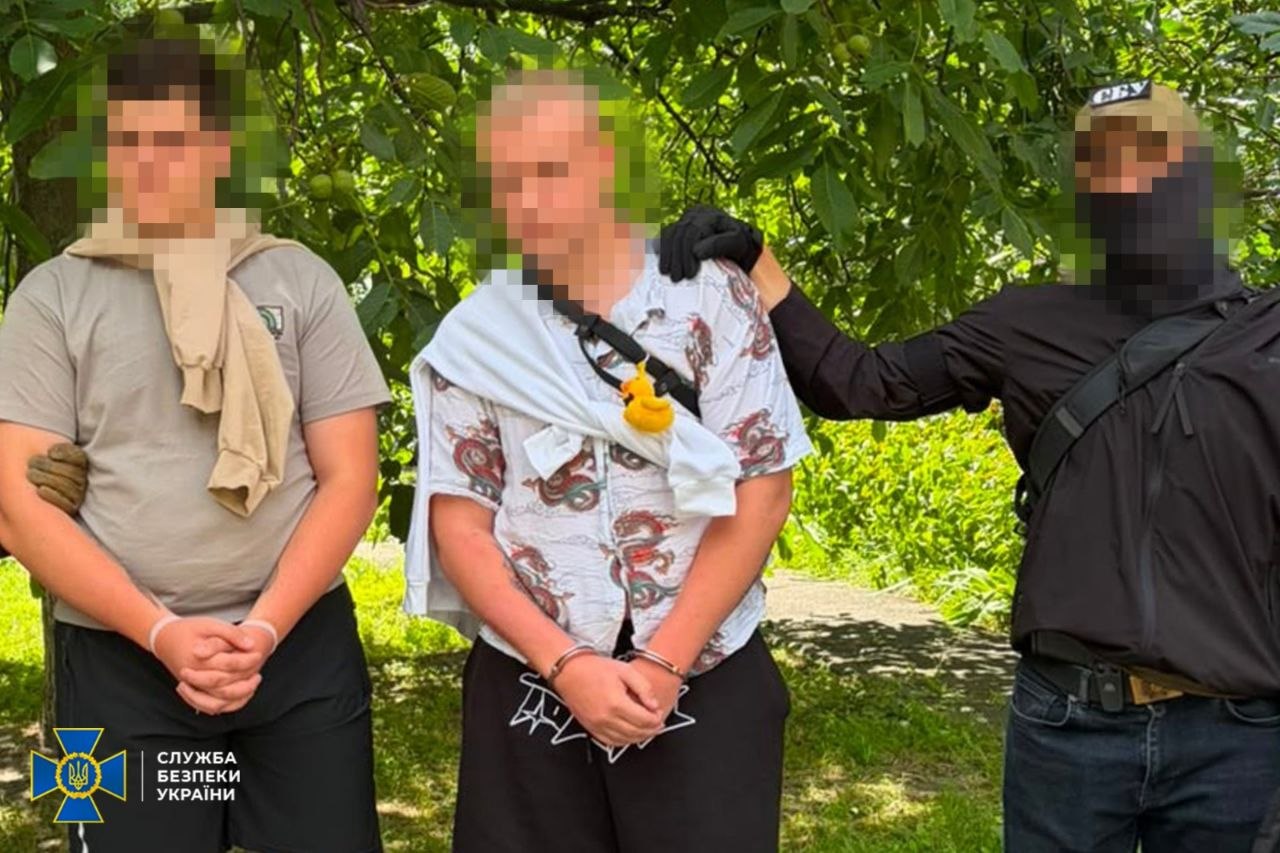
One of the four Russian POWs captured by Ukrainian soldiers after their advance inside a pipe. Source: Ukraine's 71st Separate Air Assault Brigade

Russian assault troops spent days crawling through a pipe to reach Ukrainian lines, and most of them were killed before reaching the place. Russian soldiers walked 28 kilometers, then came under fire on emerging and ultimately surrendered, Ukraine's 71st Separate Air Assault Brigade reported.

This is a portrait of how Russia spends its infantry who enlist voluntarily for the war against Ukraine. The soldiers were sent on a grueling underground infiltration with bad information and no proper food, ordered forward despite wounds, and largely killed.

The 28-kilometer crawl

The group reached Ukrainian positions through underground infrastructure. The Russians covered about 27 to 28 kilometers moving inside a reinforced-concrete pipe roughly a meter and a half in diameter, spending three days on the way, sleeping inside the pipe, the 71st Brigade reports.

Their command had lied to them about what waited. The soldiers were told they were only going to reinforce a battalion and that there were no Ukrainian troops in the forest, a captured Russian says. On arrival, the opposite was true, and they were sent onward without a normal food supply, forced to forage on their own. Many of the assault troops, the prisoner said, are recruited from prison colonies, signing contracts to avoid long sentences.

From 16 to four

When the group emerged onto open ground, Ukrainian troops hit them. Of the 16 Russians who set out, only about 8 reached the forest, and later, just 4 survived.

The wounded were abandoned by their own side. Russian command was in no hurry to evacuate them, and despite wounds and Ukrainian drone strikes, the assault troops were ordered only to keep moving forward, per the captured soldier. The survivors eventually ran into fighters of the 71st Brigade, laid down their weapons, and asked the Ukrainians not to shoot.

"No money is worth this"

The captured soldier was given medical care and made an appeal to other Russians. He urged them not to go to war against Ukraine.

"I will not advise anyone to go to war. No money is worth this, nor any benefits they promise us. To die and go to a foreign land, for what? For whom? Let them put me in prison. As long as they don't send me here, I will never come here again," the prisoner said.
From “easy money” to murder: Russia escalates recruitment of Ukrainians for terrorist attacks inside Ukraine, police warn

13 août 2026 à 15:09

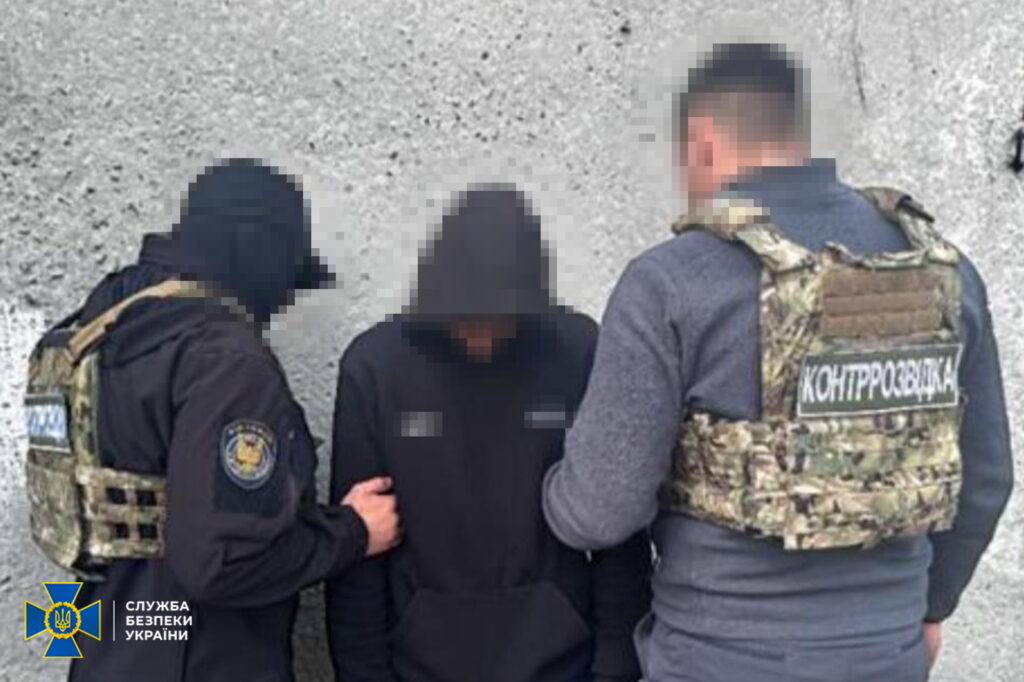
ukraine detains six suspected russian agents including teen arsonist one russian-paid detained sbu fsb saboteur arrested says suspects were recruited telegram ordered target railway military infrastructure 22 security service (sbu)

Russian security services are increasingly recruiting Ukrainians to carry out sabotage, terrorist attacks, and killings, with police reporting a sharp rise in attacks linked to such recruitment since 2024, according to independent Ukrainian outlet Babel.

Since the start of 2026, Ukraine’s National Police and Security Service have registered 31 terrorist attacks, 80% of which have been solved, while another 14 were prevented during preparation.

Authorities have also registered 11 cases of military personnel being poisoned that are being investigated for links to Russian recruitment.

From simple tasks to terrorism

Andrii Niebytov, deputy head of the National Police and chief of criminal police, said Russian recruitment became systematic in early 2024, Babel reported.

Russian handlers typically approach people through Telegram channels and chats where users seek work, easy money, or drugs. The first assignment may appear harmless: photographing a location, passing information, moving a package, or delivering an item.

The tasks can then escalate into property damage, arson, terrorist attacks, and killings. Police say handlers can gradually involve recruits in more serious crimes before using threats or blackmail to keep them under control.

The increase is reflected in police figures. Russian operatives used Ukrainian recruits to carry out nine terrorist attacks in 2024, according to data cited by Babel. The figure rose to 61 in 2025, including 27 attacks that police stopped during preparation. Authorities solved 52 terrorist cases that year.

Military personnel targeted through poisoning

One increasingly dangerous part of the recruitment campaign involves attempts to target Ukrainian service members.

Police have registered 11 poisoning cases since the beginning of 2026 in which investigators are examining or have established links to Russian recruitment, Babel reported.

In some cases, Russian handlers have used young women to establish contact with soldiers, arrange meetings, or deliver poisoned items.

In late July, police detained a 20-year-old woman in Poltava who is suspected of poisoning two soldiers with drugs allegedly provided to her by mail.

In Rivne, investigators are examining the death of a soldier allegedly poisoned by a minor girl with a drug mixed with alcohol. The Russian handler reportedly installed tracking software on the girl’s phone and remotely monitored her actions.

A toolkit built around vulnerability

Russian operatives use different entry points depending on the target. Some recruits are drawn in by promises of easy money or drugs, while others are manipulated through personal relationships or threatened with supposed criminal prosecution.

One scheme involves fraudulent call centers operating in Russian-occupied Ukrainian territories. Callers impersonate Security Service of Ukraine officials and accuse targets of offenses such as buying Russian-made goods or financing Russia.

Police are investigating 449 fraud cases involving this scheme. But according to Babel, the same tactic is now also being used for recruitment.

After intimidating targets, callers send fake summonses, notices of suspicion, or other documents through messaging apps. They then offer to help the person avoid prosecution in exchange for carrying out criminal assignments.

SBU officers detained two suspects accused of illegally registering 76 Starlink satellite internet terminals for Russian forces, according to Ukraine's Security Service. Photo: SBU
Explore further

Ukraine arrests two alleged Russian agents in Kyiv accused of activating Starlink terminals to support Russian missile and drone strikes

Children used as disposable operatives

Russian handlers have also targeted minors, who can be easier to manipulate and may be used as intermediaries or perpetrators.

The National Police said 260 children have independently contacted authorities after being approached by Russian recruiters, according to Babel. Their reports helped prevent terrorist attacks in which minors were allegedly intended to be used as perpetrators.

Police say Russian intelligence services are constantly changing their methods, while the basic pattern remains consistent: identify a vulnerability, offer or impose an initial task, and gradually draw the recruit into more serious criminal activity.

Ukrainian authorities are urging people approached with suspicious offers or assignments to stop contact and report the recruitment attempt immediately.

A $20,000 “welcome bonus” that was never paid: how a Colombia-registered recruiter sent Peruvians into Russia’s war

10 août 2026 à 14:58

Illustrative photo. The flag of Peru. Photo: Getty Images

On 9 August, Peru's foreign ministry officially reported that 459 Peruvians had been recruited into the Russian army. Of these soldiers, 11 have been killed, 114 are missing, and three have been captured by the Ukrainian army. Another 31 Peruvians were evacuated: three of them chose to stay in Europe, and the rest returned home.

As of 29 April 2026, Russia had drawn in at least 27,000 foreign nationals from more than 130 countries to take part in its war against Ukraine, the International Federation of Human Rights reports. The Peru case is part of Russia's systematic recruitment of foreigners into its military, often through deception. Some men were offered civilian jobs or roles far from the front, only to end up in the thick of the fighting.

Relatives of the recruited men held demonstrations in Peru

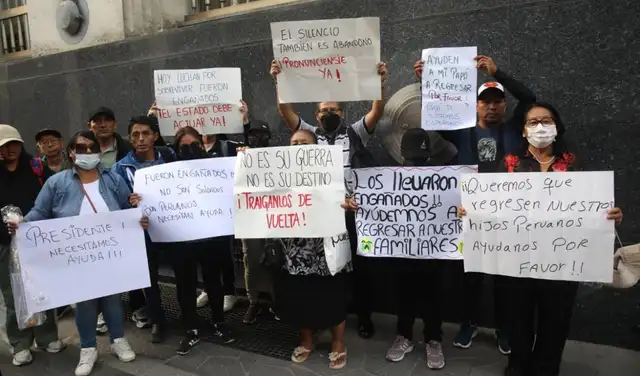
On 29 April 2026, relatives of men recruited into the Russian army demonstrated outside Peru's foreign ministry in Lima, urging the authorities to help bring their family members home, according to SwissInfo.

Relatives of Peruvians affected by Russia's war against Ukraine demand urgent repatriation. 2026. Photo: Carlos Félix/LR

On 30 April, the Russian embassy in Peru responded that it agreed some Peruvian men were taking part in the war on Russia's side, but said this was their own voluntary choice. La República, however, reports that before leaving for Russia, the men were made to sign papers in Russian.

On arrival, their documents were taken, after which they underwent brief military training and were ultimately sent to the front. According to media reports, most were former military and police personnel lured by promises of jobs as security guards or civilian specialists, with salaries of $2,600–4,000 a month and bonuses of up to $20,000.

A “rear position” — until it isn’t

First, recruiters promise foreigners high salaries, signing bonuses, and “rear” or civilian positions. Debt traps and threats of deportation are also used. They lure people even through video games and chats. Once in Russia, recruits are forced to sign contracts, after which their documents are confiscated to keep them at the front. The contracts are often written in Russian, a language the foreign recruit does not understand.

Instead of the promised “rear positions,” recruits are thrown into infantry “meat assaults” after just a few days or a week of training. Mercenaries are killed while carrying out missions, while the wounded are often left on the battlefield without evacuation. Some men go missing or flee. Russia treats foreign mercenaries as “expendable labor,” according to leaked recordings cited by Radio Free Europe/Radio Liberty.

This is not an isolated case

Facing losses that now outpace its own mobilization, Russia has turned to citizens of other countries to keep its ranks filled in its war against Ukraine.

Kenya has become one of the largest sources of people recruited through deception. At first, Nairobi believed the number was only a few hundred, but the scale proved much larger. Nairobi thought Russia had recruited around 200 Kenyan citizens, but a new report says the figure is over 1,000. The scheme relied on fake job and education offers, after which recruits had their documents confiscated to keep them on the front line. The European Parliament found that Russia confiscates African recruits' documents and sends them to the front line in Ukraine.

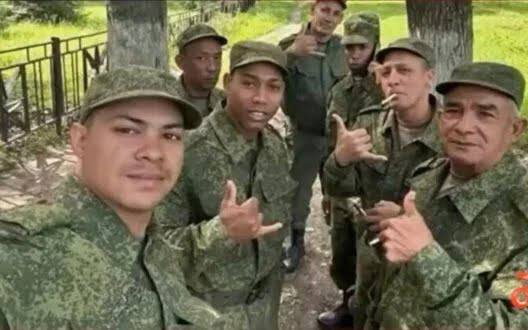
In Cuba, recruiters promised people lucrative jobs, only to lure them into a trap. A Cuban captured near Kupiansk said he joined Russia's war effort under threat of deportation. The scale of the recruitment has been enormous. Ukrainian intelligence estimates that around 20,000 Cuban mercenaries have fought on Russia's side against Ukraine.

ukrainian intel nearly 20000 cuban mercenaries fighting russia’s side against ukraine nationals wearing russian military uniform 2023 video x/pstyle0ne1 florida lawmakers officials highlighted threat regional security news reports
Cuban nationals wearing Russian military uniforms. 2023. Screenshot from a video, via X/PStyle0ne1

The Philippines case shows what awaits the recruited at the end of this pipeline. Ukrainian military intelligence identified a Filipino named John Patrick among Russian soldiers killed in Donetsk Oblast. He was sent into a "meat assault" after just one week of training. He did not speak Russian and carried only a piece of paper with his unit number and his commander's name. After he was wounded, he was left to die in a tree line without evacuation, and Ukrainian intelligence warned that any work in Russia now carries a real risk of forced deployment into an assault unit. The deception relied on promises of high salaries, non-combat positions in the rear, and fast-tracked Russian citizenship, after which recruits were sent into infantry assaults.

❌