Skyeton Prevail Solutions, a joint venture between Ukrainian drone manufacturer Skyeton and U.K.-based defense company Prevail Solutions, will manufacture and supply Raybird drones in the U.K., the two companies announced on July 2."Skyeton — a Ukrainian unmanned aircraft systems company with 19 years of engineering pedigree, and Prevail Partners — a leading U.K. defense and security company, announced a joint venture to fast-track the volume manufacture, supply, and support for the integration
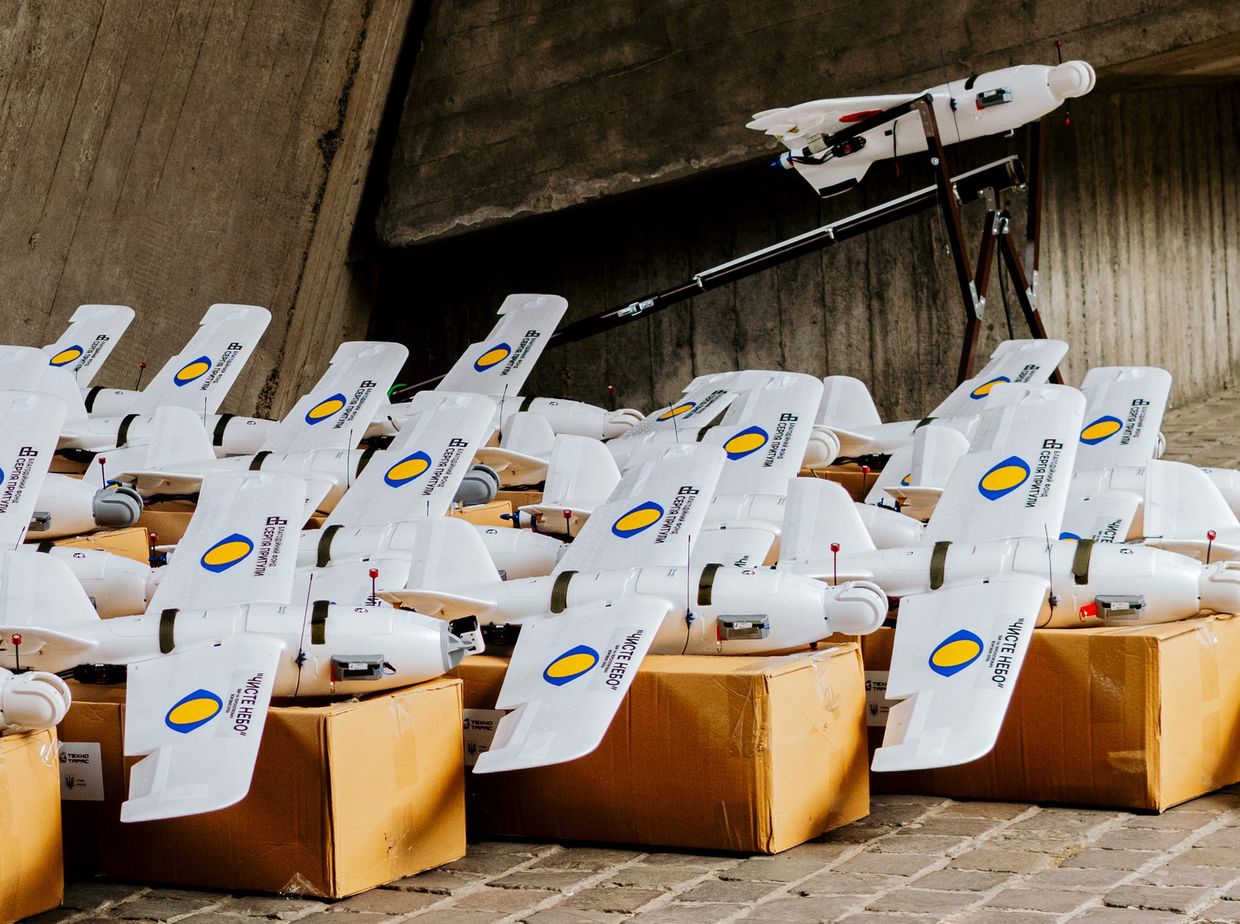
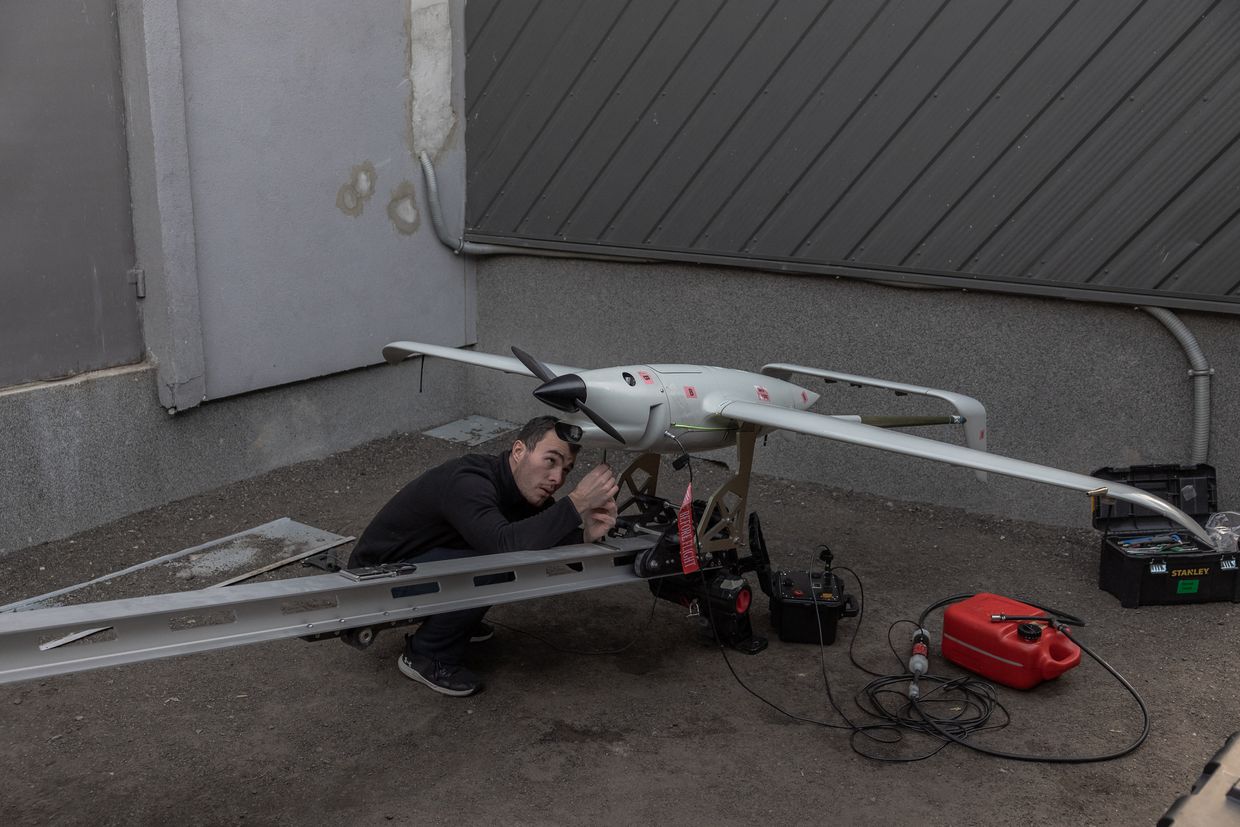
Skyeton Prevail Solutions, a joint venture between Ukrainian drone manufacturer Skyeton and U.K.-based defense company Prevail Solutions, will manufacture and supply Raybird drones in the U.K., the two companies announced on July 2.
"Skyeton — a Ukrainian unmanned aircraft systems company with 19 years of engineering pedigree, and Prevail Partners — a leading U.K. defense and security company, announced a joint venture to fast-track the volume manufacture, supply, and support for the integration of its best-in-class drone into U.K. military applications," a statement by the two companies said.
Ukraine has developed drones that have proven to be effective amid the onset of Russia's full-scale war against Ukraine in February 2022 and Russia's initial invasion of Ukraine in 2014.
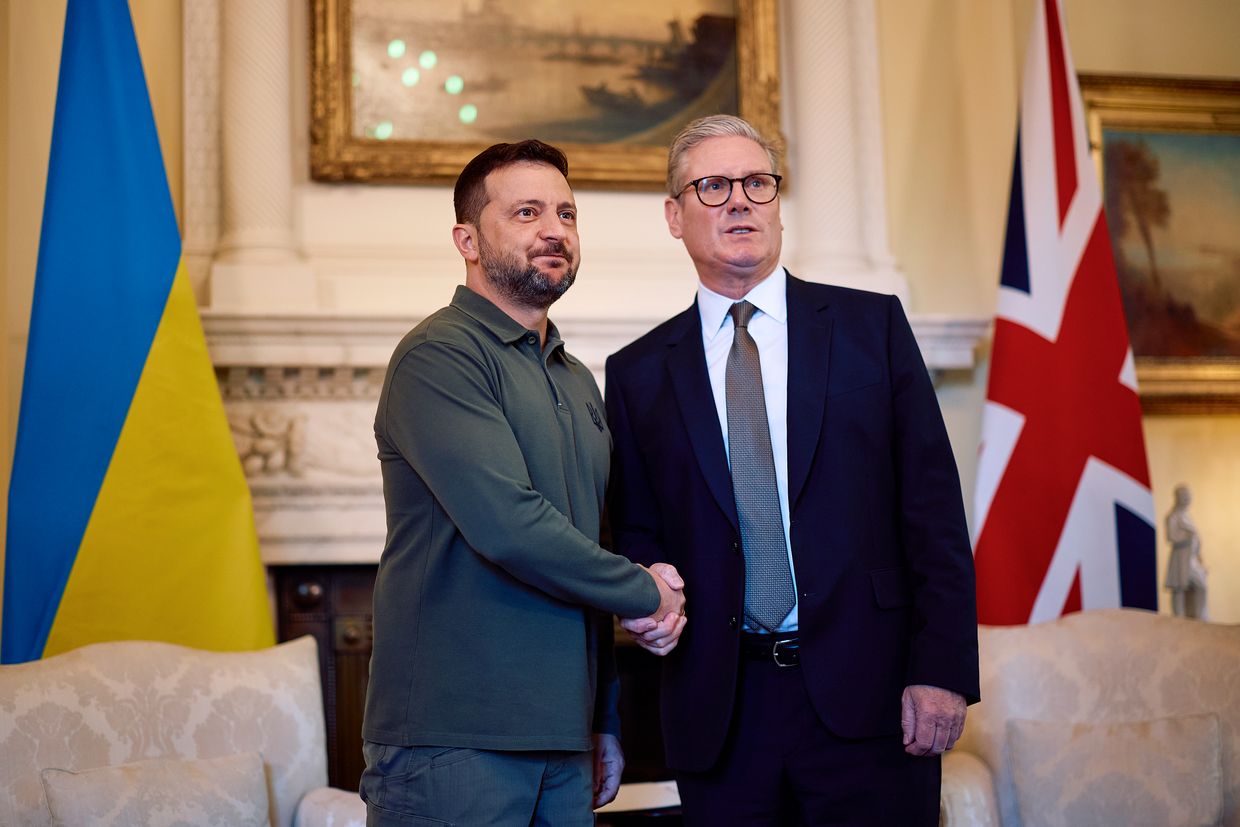
President Volodymyr Zelensky and U.K. Prime Minister Keir Starmer met in London on June 23, where the two leaders agreed to an "industrial military co-production agreement."
"The joint venture will scale the availability of Raybird with new manufacturing in the U.K. for both deployment in Ukraine and provide the necessary integration expertise from Prevail Partners for U.K. and other Western militaries," the statement said.
U.K. lawmaker Iain Duncan Smith described the move as an "important step" for U.K. drone production.
Skyeton says its Raybird drone has over 350,000 flight hours and is responsible for billions of dollars in Russian losses.
Ukraine has relied on drones to meet its own defense needs, as foreign military aid has fallen short in supplying necessary weapons and air defenses.
The United States would consider bombing Iran again if the country's nuclear program once again became of concern, U.S. President Donald Trump told reporters during a press briefing on June 27.When asked whether Trump would consider bombing Iran if the country were able to enrich uranium to a concerning level, Trump responded: "Sure. Without question, absolutely."On June 21, the United States conducted strikes on three major Iranian nuclear sites, Fordow, Natanz, and Isfahan, dropping over a doz
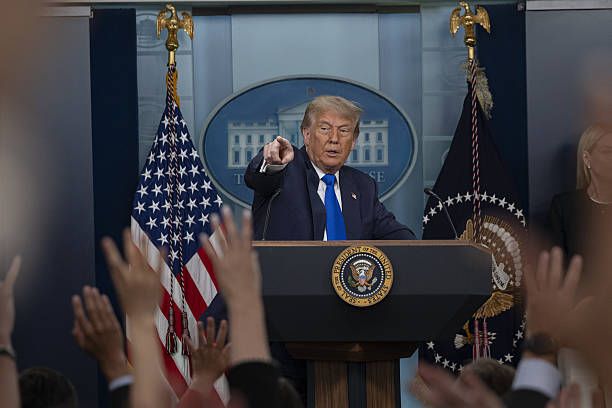
The United States would consider bombing Iran again if the country's nuclear program once again became of concern, U.S. President Donald Trump told reporters during a press briefing on June 27.
When asked whether Trump would consider bombing Iran if the country were able to enrich uranium to a concerning level, Trump responded: "Sure. Without question, absolutely."
On June 21, the United States conductedstrikes on three major Iranian nuclear sites, Fordow, Natanz, and Isfahan, dropping over a dozen bunker buster bombs on the sites and causing significant damage to the country's nuclear program.
"Turned out to be unbelievable," Trump said of the strikes on June 27, despite mixed reports on the success of the strikes.
A leaked U.S. Defense Intelligence Agency (DIA) assessment, reported by CNN, found that the strikes did not destroy the core of Tehran's nuclear program. Instead, the intelligence suggests the attacks likely delayed Iran's progress by "a few months."
Despite the leak, Trump administration officials have rebuffed reports that the strikes did not fully fulfill its object, amid reports of Iran having possibly moved its enriched uranium away from the sites.
"The objective was to eliminate enrichment in Iran… and he achieved that objective," U.S. Special Envoy to the Middle East Steve Witkoff said on June 24, adding that he personally reviewed damage assessments and saw "no doubt" that key nuclear infrastructure was destroyed.
Trump's comments on future attacks comes as Iran's Supreme Leader Ayatollah Ali Khamenei downplayed the success of the strikes, claiming victory over Israel and the United States.
"I SAVED (Khamenei) FROM A VERY UGLY AND IGNOMINIOUS DEATH," Trump wrote on Truth social on June 27, adding that he has halted plans to potentially ease sanctions on Iran. "The sanction are BITING," Trump wrote.
"Iran has to get back into the World Order flow, or things will only get worse for them," he added.
On June 24, Trump announced that a ceasefire between Iran and Israel had come into effect, following the U.S. strikes on Iranian nuclear facilities and a retaliatory Iranian attack on a U.S. military base in Qatar.
The U.K. has used interest generated from frozen Russian assets to purchase weapons for Ukraine, buying 350 air defense missiles worth £70 million ($87 million), The Guardian reported on June 25.The move represents the U.K.'s first direct use of Russia-linked funds to buy weaponry for Kyiv.The weapons purchase was funded through Britain's Extraordinary Revenue Acceleration (ERA) scheme, which captures interest from frozen Russian central bank assets.According to The Guardian, the missiles, origi
The U.K. has used interest generated from frozen Russian assets to purchase weapons for Ukraine, buying 350 air defense missiles worth £70 million ($87 million), The Guardian reported on June 25.
The move represents the U.K.'s first direct use of Russia-linked funds to buy weaponry for Kyiv.
The weapons purchase was funded through Britain's Extraordinary Revenue Acceleration (ERA) scheme, which captures interest from frozen Russian central bank assets.
According to The Guardian, the missiles, originally designed as air-to-air weapons, were converted by RAF engineers and MBDA UK in just three months to fire from ground-based systems.
Five additional Raven launcher systems will accompany the missiles to Ukraine, bringing the total to 13.
U.K. Prime Minister Keir Starmer announced the package ahead of NATO's annual summit.
"Russia, not Ukraine, should pay the price for Putin's barbaric and illegal war," he said.
The package is part of Britain's largest-ever annual military commitment to Ukraine of £4.5 billion ($5.6 billion), the Guardian reports.
It follows a £1.6 billion ($2.0 billion) deal in March for over 5,000 air defense missiles and a separate £350 million ($436 million) investment to increase drone deliveries tenfold.
The announcement comes as Starmer and President Volodymyr Zelensky agreed to work closely on military production between the UK and Ukraine. On June 24, Ukraine's Defense Minister Rustem Umerov announced that Britain will finance Ukrainian-designed drones manufactured in the UK.
European countries cannot fully confiscate the frozen Russian assets due to concerns about international law and financial stability. The European Central Bank warned that such a move could undermine confidence in the euro as a reserve currency, since most of the assets are euro-denominated.
Instead, only the interest generated from these funds is currently being used to back a $50 billion loan package for Ukraine, while the principal amount of 300 billion euros ($348 billion) remains frozen but not seized.
In June, Ukraine received another 1 billion euros ($1.1 billion) from the EU as part of the G7 loan program backed by frozen Russian assets, Prime Minister Denys Shmyhal announced.
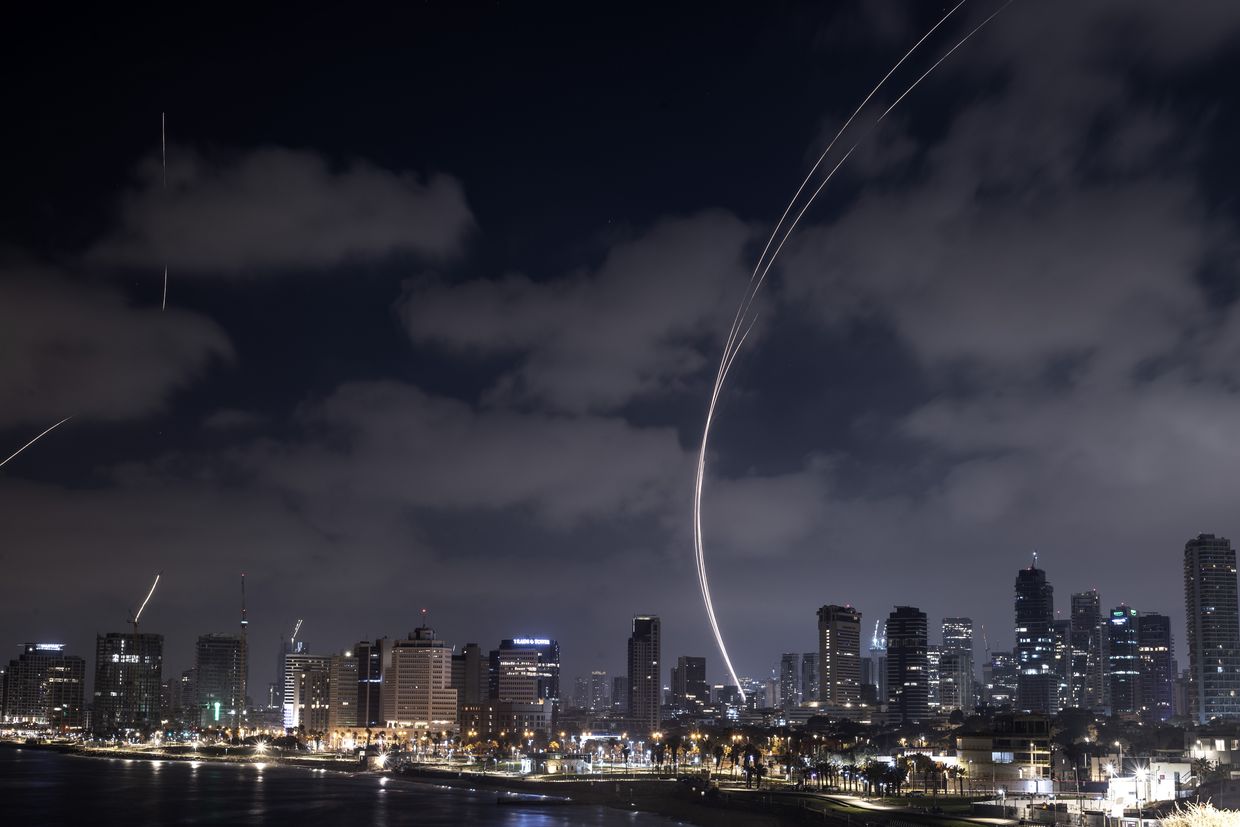
Iran's Islamic Revolutionary Guard Corps (IRGC) said it used a new method to breach Israel's air defenses during a missile attack early on June 16, that killed at least eight people, Reuters reports.According to the IRGC, Iranian missiles were guided in a way that caused Israeli interceptor missiles to target each other, confusing Israel's integrated defense system, which includes Iron Dome, David's Sling, and Arrow platforms. It did not provide any further details. Ballistic missiles are rocket
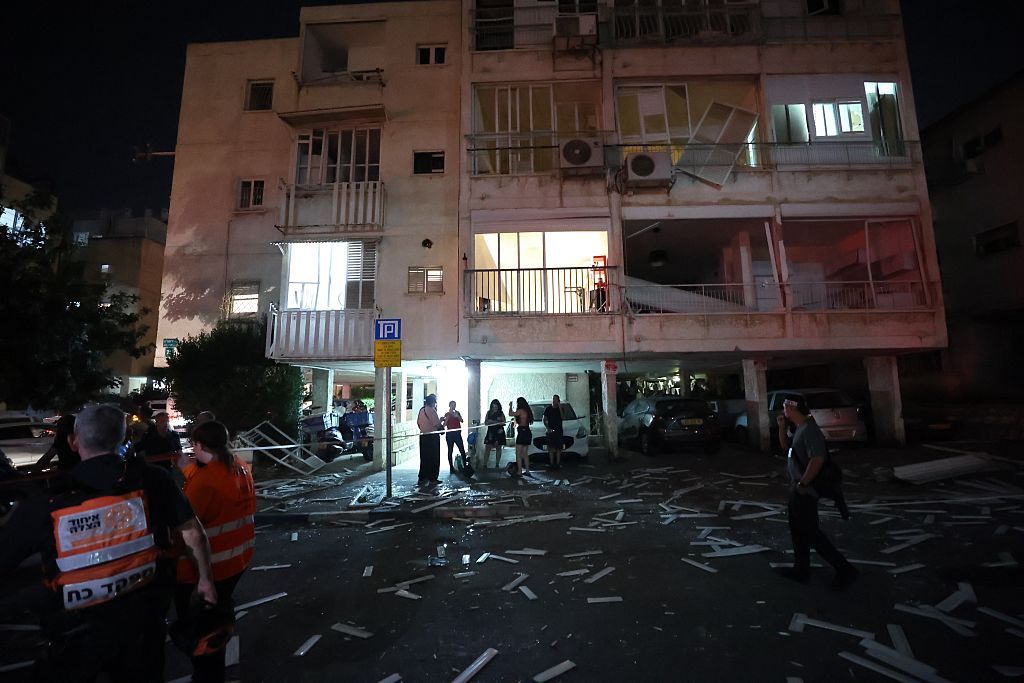
Iran's Islamic Revolutionary Guard Corps (IRGC) said it used a new method to breach Israel's air defenses during a missile attack early on June 16, that killed at least eight people, Reuters reports.
According to the IRGC, Iranian missiles were guided in a way that caused Israeli interceptor missiles to target each other, confusing Israel's integrated defense system, which includes Iron Dome, David's Sling, and Arrow platforms.
It did not provide any further details.
Ballistic missiles are rocket-powered and are launched high into the atmosphere before arcing back down onto their target.
They're only guided during the initial stages of launch, so they can be less accurate than cruise missiles, but have the advantage of reaching incredibly high speeds – sometimes more than 3,200 kilometers per hour – as they approach their targets.
Israel's Defense Forces (IDF) reported for the first time that its systems had an 80-90% success rate intercepting Iran's ballistic missiles, while roughly 5-10% penetrated the shield and struck populated areas, according to the Jerusalem Post.
The strike came three days after Israel launched a sweeping aerial campaign against Iranian nuclear and military facilities, killing several high-ranking officials, including IRGC aerospace commander Amir Ali Hajizadeh.
Kyiv has expressed support for Israel, describing Iran as a "source of instability in the region and beyond," citing Tehran's extensive military cooperation with Russia.
Since 2022, Iran has supplied Moscow with thousands of Shahed kamikaze drones and short-range ballistic missiles for use against Ukraine. Russia, for its part, has condemned the Israeli air strikes on Iran as "unprovoked aggression" and backed calls for restraint.
Israel is home to one of the largest Russian-speaking populations outside the former Soviet Union, with approximately 1 million people — or 15% of the total population — identifying as Russian-speaking. Israel has historically maintained relatively friendly ties with Russia.
U.S. President Donald Trump said on June 15 that he is considering Russian President Vladimir Putin as a possible mediator between Israel and Iran.
As of June 16, Iran's Health Ministry claims 224 people have been killed since the Israeli air campaign began on June 13 — 90% of them civilians, according to Tehran. Israel has not confirmed the civilian casualty figure, and independent verification remains difficult.
Editor's note: This is a breaking story and is being updated.Iran and Israel continued to exchange attacks on June 14, more than 24 hours after Israel launched its first strikes on Iran's nuclear sites and military leadership.According to recent reports, there are civilian casualties in both countries. In Israel, two people have been killed and more than 40 injured since Iran launched its initial wave of retaliatory strikes. In Iran, more than 70 people have been killed and 329 injured, accordin
Editor's note: This is a breaking story and is being updated.
Iran and Israel continued to exchange attacks on June 14, more than 24 hours after Israel launched its first strikes on Iran's nuclear sites and military leadership.
According to recent reports, there are civilian casualties in both countries. In Israel, two people have been killed and more than 40 injured since Iran launched its initial wave of retaliatory strikes.
In Iran, more than 70 people have been killed and 329 injured, according to the country's United Nations ambassador, Amir Saeid Iravani.
Responding to Israel's preemptive strikes on Iran overnight on June 13, Tehran responded with multiple waves of ballistic missiles, as well as an earlier barrage of drones.
The drone attack followed heavy air strikes launched by Israel against Iran, targeting the country's nuclear program and reportedly killing Hossein Salami, the commander-in-chief of the Islamic Revolutionary Guard Corps (IRGC), and other top officials.
Amid the escalation, Prime Minister Benjamin Netanyahu vowed to respond to the most recent attack.
"More is on the way. The (Iranian) regime does not know what hit them, or what will hit them. It has never been weaker," Netanyahu said in an address.
Clear, dramatic footage captures active missile intercepts over Tel Aviv, including impacts that struck locations downtown. pic.twitter.com/ISxbIQ6CU0
U.S. President Donald Trump said earlier in the day that the U.S. military is on high alert and watching for any kind of retaliation, adding that the U.S. will respond to defend itself or Israel if Iran strikes back.
Before the attacks, Trump emphasized that despite tensions, he is committed to avoiding conflict and prefers a diplomatic solution to Iran's nuclear aspirations. "I want to have an agreement with Iran," Trump said, referring to ongoing Iran-U.S. nuclear talks in Oman.
Iran insists its nuclear program is for peaceful purposes and has expressed willingness to accept limited restrictions in exchange for the lifting of sanctions.
Beyond the Middle East, Iran has emerged as a key ally of Russia in its war against Ukraine, supplying Moscow with drones used in attacks on Ukrainian cities. Iran's Islamic Revolutionary Guard Corps (IRGC) confirmed on June 13 that its aerospace commander, Amir Ali Hajizadeh, who led Iran's Shahed drone supply to Russia, was killed in the strike on June 13.
Just hours after Russia launched its own missile and drone assault on Ukraine, Russian President Vladimir Putin decried the "numerous civilian casualties" in Iran and condemned Israel's actions as violations of the UN Charter and international law.
Following the initial strikes by Israel, Kyiv expressed concern over the security situation in the Middle East after Israeli air strikes against Iran, but stressed that Tehran remains a "source of problems" in the region "and beyond."
Editor's note: This is a breaking story and is being updated.Israeli forces launched "preemptive strikes" on Iran overnight on June 13, targeting Iran's nuclear program, Prime Minister Benjamin Netanyahu said in an overnight address.Netanyahu said in an overnight address that Israel launched "Operation Rising Lion," which would last for "many days," marking a drastic escalation in conflict in the Middle East."We struck at the heart of Iran's nuclear enrichment program... We targeted Iran's main
Editor's note: This is a breaking story and is being updated.
Israeli forces launched "preemptive strikes" on Iran overnight on June 13, targeting Iran's nuclear program, Prime Minister Benjamin Netanyahu said in an overnight address.
Netanyahu said in an overnight address that Israel launched "Operation Rising Lion," which would last for "many days," marking a drastic escalation in conflict in the Middle East.
"We struck at the heart of Iran's nuclear enrichment program... We targeted Iran's main enrichment facility in Natanz. We targeted Iran's leading nuclear scientists working on the Iranian bomb," Netanyahu said.
The strikes killed Hossein Salami, the Commander-in-Chief of Iran’s Islamic Revolutionary Guard Corps (IRGC), multiple Iranian state media outlets reported. Iran’s Supreme Leader Ayatollah Ali Khamenei confirmed that several nuclear scientists and officials had been killed in the attack.
The full extent of the attack was not immediately clear. Multiple explosions were reported in Tehran as videos posted on social media purportedly show fire burning in multiple locations of Tehran.
"Following the State of Israel’s preemptive strike against Iran, a missile and drone attack against the State of Israel and its civilian population is expected in the immediate future" Israeli Defense Minister Israel Katz warned in a statement.
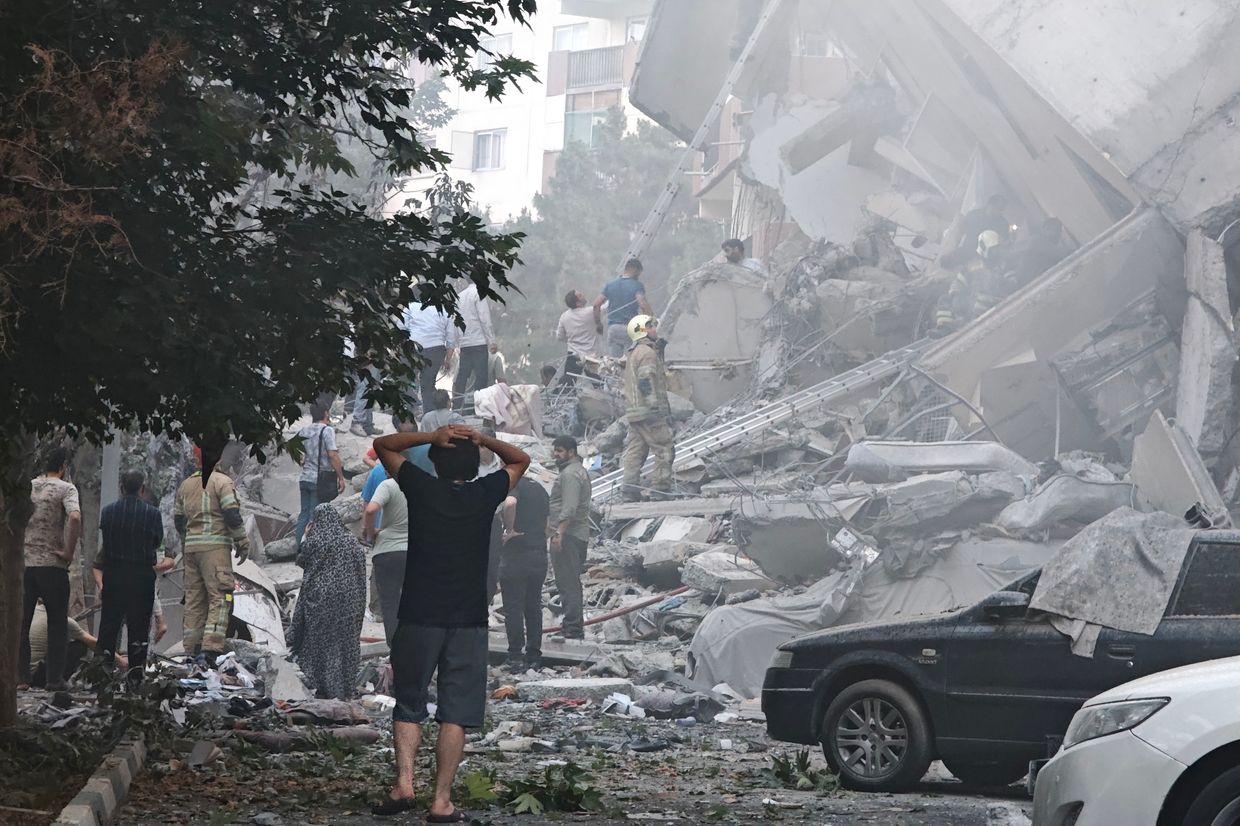
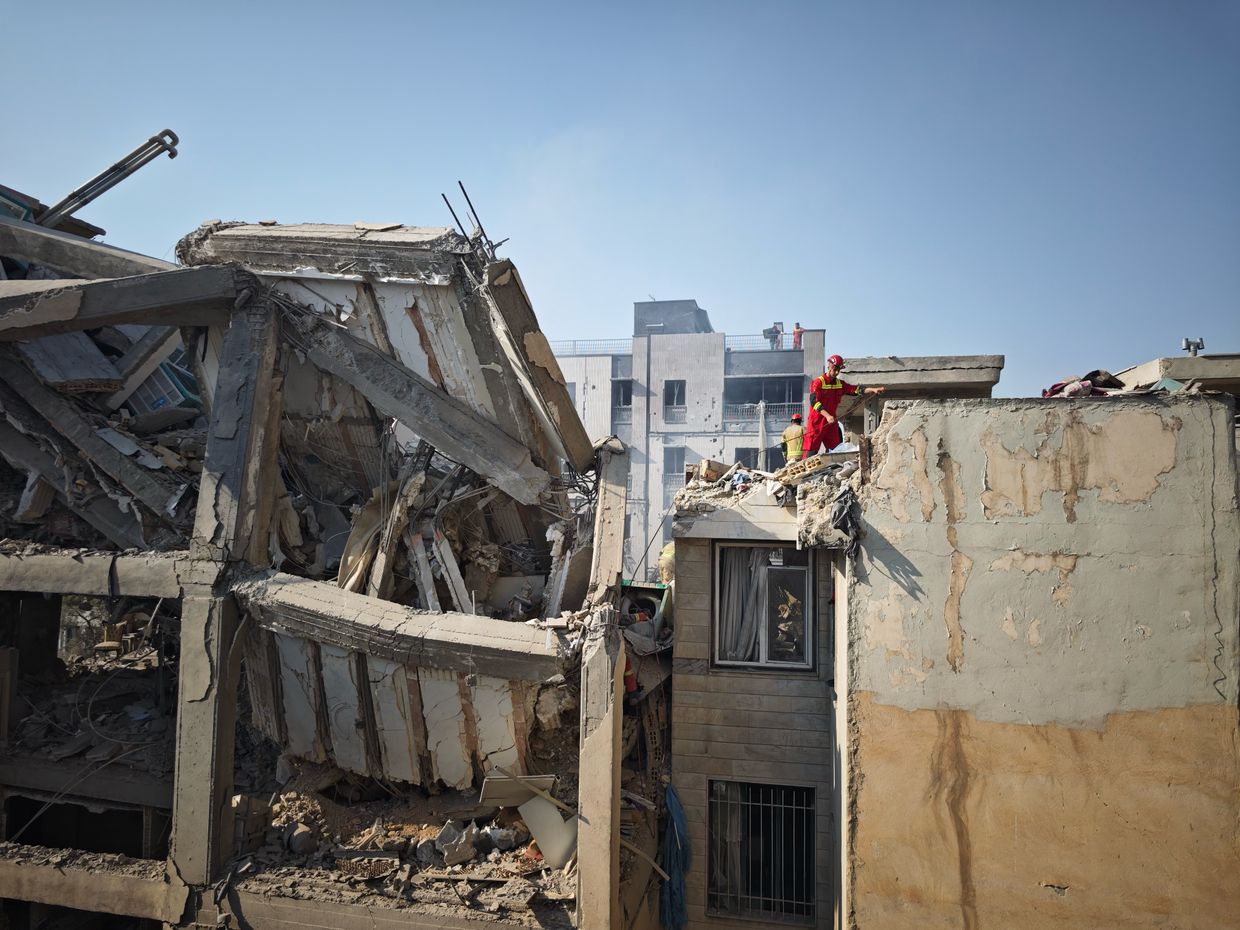
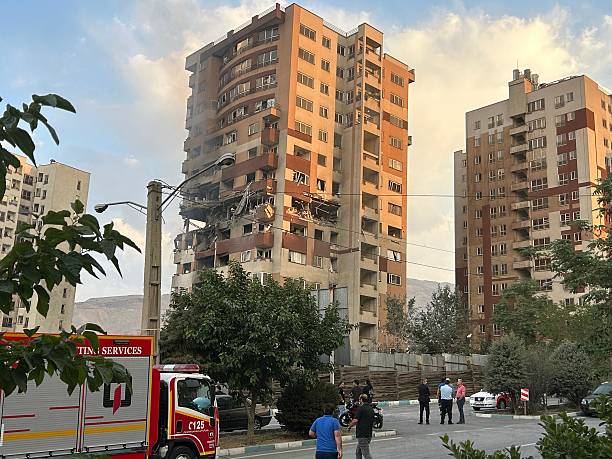
A view of a damaged building in the Iranian capital, Tehran, following an attack by Israel on June 13, 2025. (Ahmet Dursun/Anadolu via Getty Images)
Iran's Supreme Leader vowed to enact "severe punishment" in response to the attack, accusing the United States for "also (being) responsible for the dangerous consequences of this reckless escalation."
In a statement released by the State Department, U.S. Secretary of State Marco Rubio said that the United States was not involved in the strikes on Iran.
U.S. President Donald Trump, who plans to convene a cabinet meeting in response to the strikes, expressed concerns about escalating tensions between Israel and Iran earlier in the day, warning that a "massive conflict" could erupt in the Middle East.
"Tonight, Israel took unilateral action against Iran. We are not involved in strikes against Iran and our top priority is protecting American forces in the region," Rubio said.
Speaking to reporters at the White House on June 12 ahead of the strikes, Trump warned that an Israeli strike on Iran "could happen" if a nuclear deal is not reached with Iran. Talks between Washington and Tehran were set to resume this weekend on Iran's nuclear program.
Earlier in the day, Trump emphasized that despite tensions, he is committed to avoiding conflict and prefers a diplomatic solution to Iran's nuclear aspirations. "I want to have an agreement with Iran," Trump said, referring to ongoing Iran-US nuclear talks in Oman.
Writing on Truth Social later in the day, Trump reaffirmed his commitment to a "diplomatic resolution to the Iran nuclear issue," and insisted that his "entire administration has been directed to negotiate with Iran."
Iran insists its nuclear program is for peaceful purposes and has expressed willingness to accept limited restrictions in exchange for the lifting of sanctions.
Coinciding with Trump’s remarks, the International Atomic Energy Agency released a report highlighting Iran’s failure to comply with its obligations to fully disclose activities at its nuclear facilities.
Beyond the Middle East, Iran has emerged as a key ally of Russia in its war against Ukraine, supplying Moscow with drones used in attacks on Ukrainian cities.
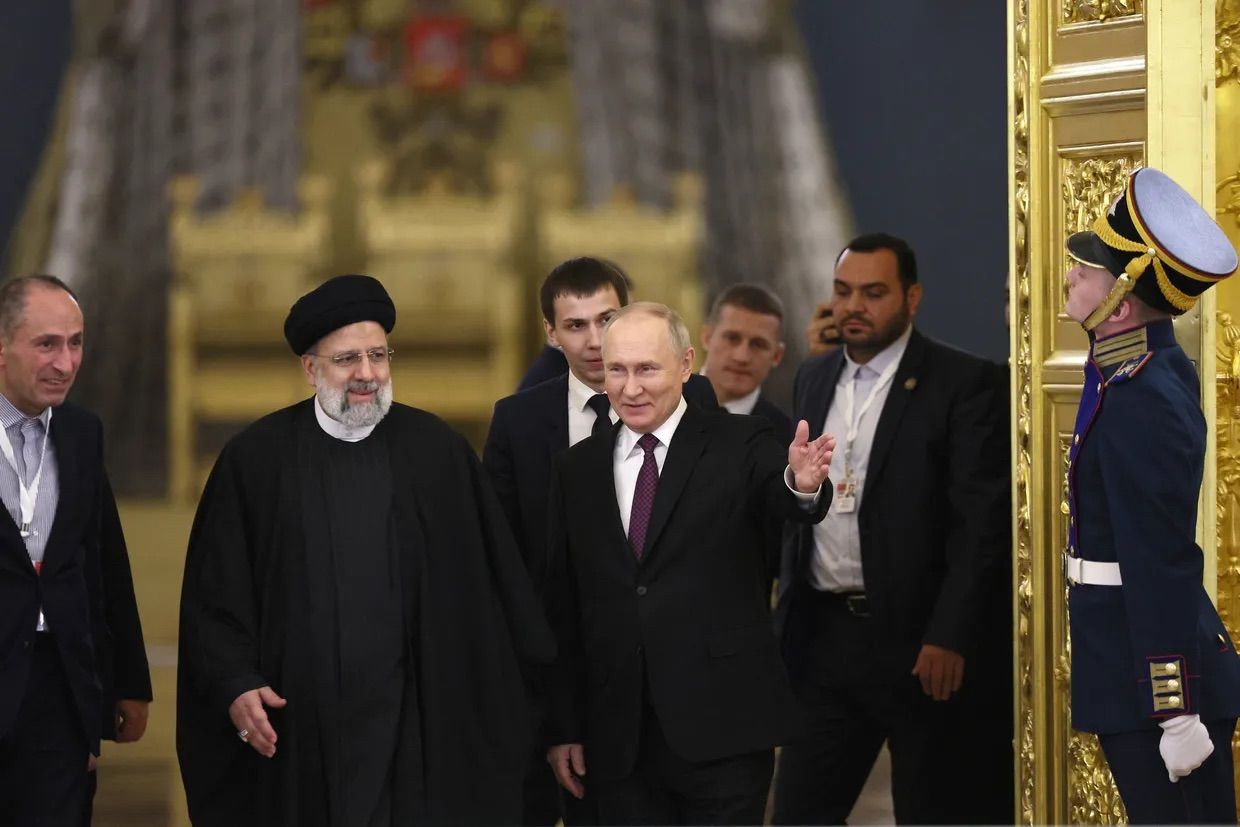
In April 2025, Russian President Vladimir Putinratified a strategic partnership with Iran, vowing to strengthen bilateral ties and pledging not to support any third party engaged in conflict with the other.

 Connexion
 The Kyiv IndependentKollen Post